Poolside RecipeDinner
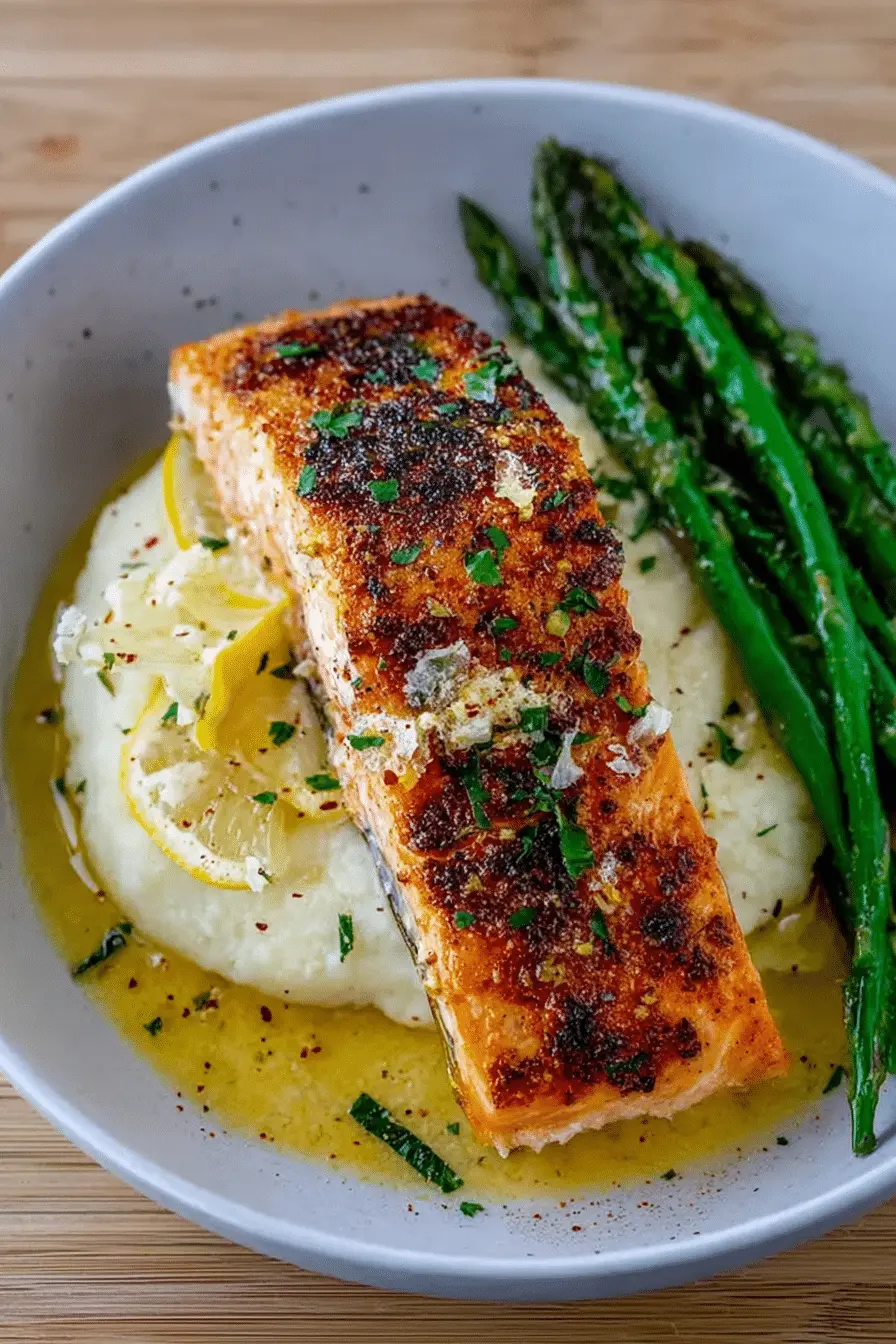
Baked Lemon Garlic Butter Salmon - A Quick and Easy Dinner Recipe
- Prep
- 5 min
- Cook
- 15 min
- Total
- 20 min
- Serves
- 4
- Calories
- 676 kcal
- Protein
- 89.30 g
- Carbs
- 11.20 g
- Fat
- 31.60 g
Introduction
I make this baked lemon garlic butter salmon more than I probably should admit — it’s my go-to when the week has been long and I want something that feels a little special without a sink full of pans. The first thing that hits you is the smell: warm butter and garlic with that bright citrus note from fresh lemon. When the top starts to caramelise under the broiler, you’ll hear a faint sizzle and the edges will go a glossy, golden-brown — that’s my cue that dinner is almost ready.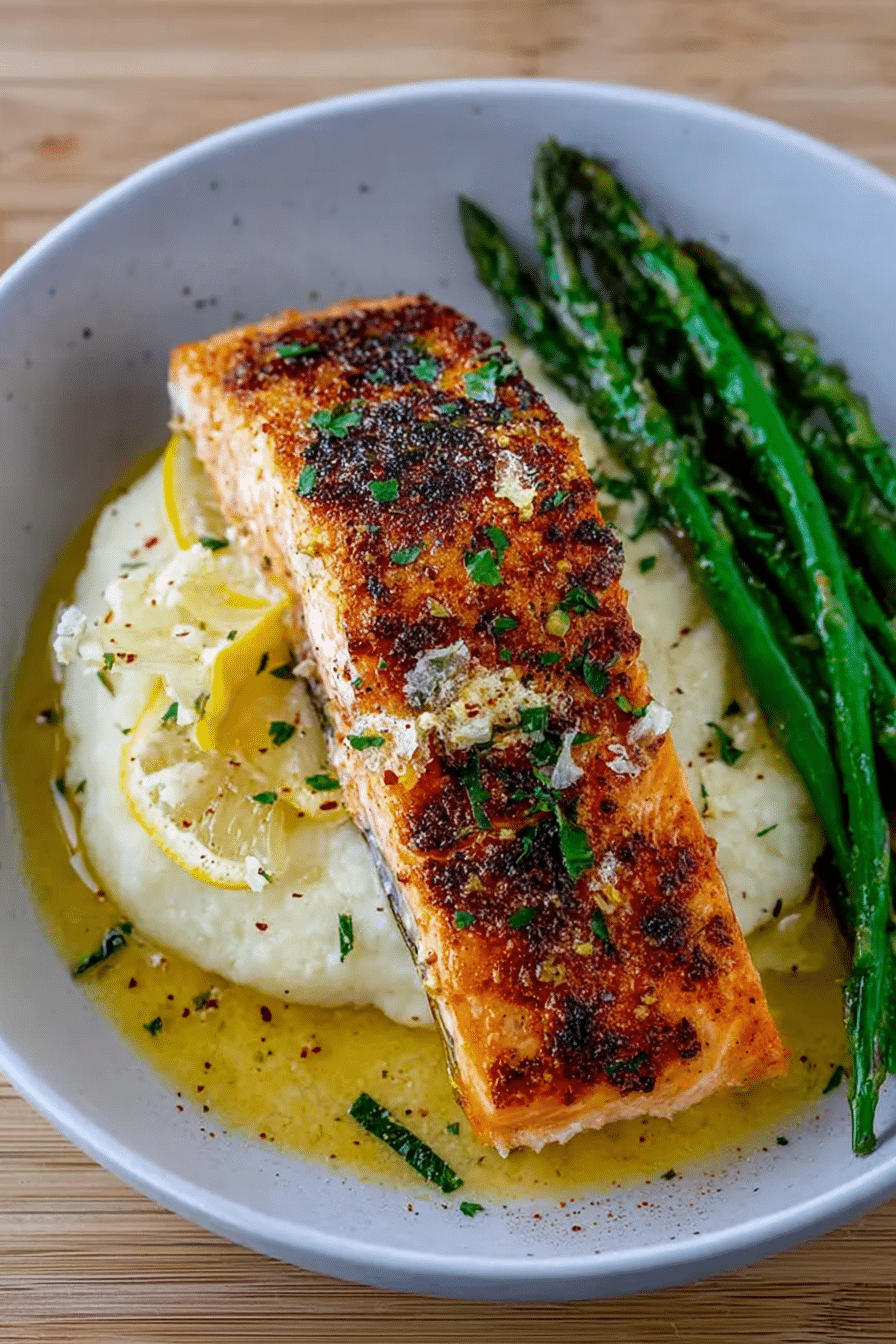
Key Ingredients for Flavorful Salmon
- Salmon fillets – the star; choose even-thickness fillets so they cook uniformly. Skin-on helps hold the fish together and crisps up under high heat.
- Butter – adds richness and helps the garlic bloom. Use unsalted if you want tighter salt control, or swap to olive oil for a lighter finish.
- Olive oil – a drizzle helps loosen the butter and stops it from burning. Extra-virgin brings a peppery note; regular oil is fine too.
- Fresh lemon juice – brightens and cuts through the fat. Fresh is best for that sharp, clean citrus taste.
- Garlic – freshly minced gives a punchy, aromatic backbone; cook briefly so it turns warm and sweet rather than bitter.
- Honey – a little honey or another sweetener balances the acid and helps the top caramelise.
- Paprika and oregano – paprika gives color and mild warmth; oregano adds an earthy herb note. Swap dill or parsley if you prefer a fresher herb.
- Salt & pepper – sea salt flakes and freshly cracked black pepper season the fish; salt brings flavors forward, so add gradually.
- Chilli flakes (optional) – for a faint heat that contrasts the buttery-sweet glaze.
- Fresh parsley and lemon slices – for finishing: freshness, color, and a last-minute squeeze of brightness.
Easy Step-by-Step Instructions
Yields: 4 servings. Prep time: about 5 minutes. Cook time: about 15 minutes (plus time to preheat the oven). Total time: roughly 20 minutes, start to finish.- Preheat your oven to 220°C (425°F) — if you have a fan-forced setting, 200°C (400°F) is fine. I like to leave the oven preheating for at least 20 minutes so it’s truly hot; that helps the glaze set quickly and gives you that glossy finish.
- Make the marinade: melt unsalted butter and stir in a couple of tablespoons of extra-virgin olive oil, a good squeeze of fresh lemon juice, freshly minced garlic, a teaspoon of honey, paprika, dried oregano, sea salt flakes, cracked black pepper, and optional chilli flakes. Taste a little with a clean spoon — you want bright lemon and garlic upfront with a gentle sweetness and a hint of smoke from the paprika.
- Pat the salmon fillets dry with kitchen paper — this small step makes a big difference. Moisture on the surface will steam the top instead of letting it caramelise.
- Arrange the salmon skin-side down in a roasting tin or on a rimmed baking sheet. Spoon or brush the marinade evenly over the fillets so each piece is coated but not swimming in sauce.
- Bake the salmon for 12 minutes. If your fillets are very thick (over 2.5 cm / 1 inch), add 2–3 minutes. Use a thermometer if you like: aim to remove from the oven at 135°F–140°F (57°C–60°C) because the fish will continue to cook as it rests.
- Switch the oven to the grill/broil on high and cook for an additional 3 minutes to caramelise the top — watch closely here; it can go from perfect to too-browned in a minute. You’re looking for a gloss and the edges to darken slightly, not full blackening.
- Let the salmon rest for 2–3 minutes after removing it. Finish with extra cracked pepper, a scattering of fresh parsley, and lemon slices for squeezing.
Cooking Tips for Perfect Salmon Every Time
For another delicious salmon recipe, check out our garlic butter salmon that’s sure to impress!- Internal temperature: aim for 135°F–140°F (57°C–60°C) before resting. This gives you moist, slightly translucent flakes. If you prefer fully opaque, pull it at 145°F (63°C), but expect firmer texture.
- Even thickness matters: fillets that taper will overcook at the thin end. If yours are uneven, fold the thin tail under or slice thicker fillets from a larger side.
- Pat dry: removing surface moisture helps the butter-lemon glaze adhere and caramelise instead of making the fish soggy.
- Watch the broiler: once you switch to grill/broil to caramelise, stay by the oven. The difference between glossy and burnt is quick.
- Don’t skimp on acid: lemon juice brightens the whole dish. If it tastes flat, try adding a tiny pinch of salt rather than more sugar.
- If your garlic tastes bitter, it was likely overcooked or burned — lower the cooking temperature and let the garlic soften slowly next time.
- Alternative cooking methods:
- Grilling: preheat to medium-high, oil the grill grates, and cook skin-side down for 4–6 minutes, then flip for 2–3 minutes for a slightly smokier flavor. Watch for flare-ups from the butter glaze.
- Air fryer: set to 200°C/400°F and cook 7–10 minutes depending on thickness. You’ll get a nicely browned exterior quickly but expect a slightly drier finish than oven baking; reduce time by a minute or two if your fillets are thin.
- Troubleshooting: if the glaze is too thin after baking, spoon the pan juices into a small saucepan and simmer for a minute to reduce and thicken, then spoon back over the salmon. If the salmon is undercooked, return it to a 180°C/350°F oven for a few minutes — lower temp prevents over-browning.
Nutritional Information and Health Benefits
Per serving (as calculated from the original recipe): approximately 676 calories, 31.6 g fat, 11.2 g carbohydrates, and 89.3 g protein. Keep in mind exact values will change with portion size and whether you serve starchy sides. Why this dish is good for you: salmon is a rich source of omega-3 fatty acids, which support heart and brain health, and it provides high-quality protein. Garlic has well-known anti-inflammatory and flavor benefits — it helps reduce reliance on salt for taste. Using a modest amount of butter gives you the flavor you want without going overboard, and substituting some butter with olive oil is an easy way to shave calories while keeping mouthfeel. Healthier swaps: use less butter (or replace half with olive oil), serve with a big green salad or roasted vegetable medley instead of mashed potatoes, or swap honey for a sugar-free glaze if reducing carbs. If you need a dairy-free version, omit butter and use a good olive oil and a touch of dairy-free margarine for richness.Delicious Side Dish Pairings
- Garlic mashed potatoes – creamy and comforting; fold in a little butter and parmesan and finish with chives. The mellow starch balances the bright salmon glaze.
- Roasted vegetables – carrots, broccoli, and brussels sprouts roasted with olive oil and lemon zest. Roasting brings out sweetness that pairs nicely with the salmon’s tang.
- Quinoa salad – toss cooked quinoa with lemon vinaigrette, chopped cucumber, cherry tomatoes, and parsley for a light, protein-rich side.
- Steamed greens or a leafy salad – lightly dressed arugula or spinach with shaved parmesan keeps the plate fresh and cuts the richness.
- Simple herby couscous – ready in minutes and soaks up the buttery pan juices.
User Reviews and Modifications
Over the months I’ve shared this with neighbors and family, and the tweaks people make are always interesting. Here are a few real-world notes I collected while hosting and testing:- “I swapped the butter for all olive oil and added a pinch of smoked paprika — still delicious and lighter.” — Emma, home cook. She liked the smokiness and found the fish stayed moist.
- “I left out the honey and added a splash of white wine instead; it reduced in the pan and tasted great.” — Marcus, weekday dinner convert. Good tip if you avoid sweeteners.
- “Used dill instead of oregano and served with a cucumber-dill salad. Perfect for summer.” — Priya, weekend cook. Dill is a classic pairing with salmon.
- Gluten-free adaptation: the recipe is naturally gluten-free; just check any packaged honey or condiments if you’re ultra-sensitive.
- Dairy-free adaptation: replace butter with an equal amount of neutral-tasting oil and finish with a squeeze of lemon and extra herbs for richness.
FAQs About Salmon Cooking Methods
If you're looking for a different salmon dish, our creamy tuscan salmon offers a rich and flavorful alternative!- What temperature should I bake lemon garlic butter salmon? For the best results, bake your lemon garlic butter salmon at 425°F (220°C) for about 15 minutes. You can check for doneness with a food thermometer, aiming for 135°F to 140°F before removing it from the oven, as the fish will continue to cook slightly afterward.
- How do I prepare the marinade for this salmon recipe? To prepare the marinade, simply combine melted butter, olive oil, fresh lemon juice, minced garlic, honey, paprika, oregano, salt, pepper, and optional chili flakes in a bowl. Mix well and pour it over the salmon before baking!
- Can I use frozen salmon fillets for this recipe? Yes, you can use frozen salmon fillets! Just make sure to thaw them completely before marinating and baking to ensure even cooking. Thaw in the refrigerator overnight or under cold running water if you’re short on time.
- What are some good side dishes to serve with baked lemon garlic butter salmon? Some delicious sides include garlic mashed potatoes, quinoa salad, or steamed greens. They all complement the flavors of the salmon beautifully!
- Is it necessary to use fresh lemon juice for this recipe? Using fresh lemon juice will enhance the flavor of the dish significantly, but if you don't have it on hand, you can use bottled lemon juice as a substitute in a pinch!
- How do I tell if salmon is fresh? Fresh salmon should have firm flesh, vibrant color, and smell faintly of the ocean but not overly “fishy.” If it has a strong ammonia or sour smell, it’s past its prime.
- How should I reheat leftovers? Reheat gently in a 180°C/350°F oven for 5–7 minutes, covered lightly with foil to prevent drying, or flake cold into salads. Avoid microwaving if possible — it tends to overcook the fish.
Storage, Make-Ahead, and Final Notes
Leftovers keep well in the fridge for up to 3 days in an airtight container. The fish firms up and the glaze tightens as it cools — I actually like it the next day flaked over a salad or warm with reheated mashed potatoes. For make-ahead: prep the butter-lemon mixture and keep it refrigerated; pour it over the fish right before baking. If you’re making this for guests, bake and broil as instructed, then let the fillets rest and keep them warm in a low oven (about 100°C/210°F) until you’re ready to serve. Final kitchen confession: I originally doubled the honey once trying to impress a guest — too sweet. I learned that the balance of lemon, a small touch of honey, and a good pinch of salt is what makes this recipe sing. Keep those proportions in mind and use the sensory cues (smell of roasted garlic, glossy caramelisation, internal temp) rather than just the clock, and you’ll have reliably good salmon every time.Recipe Card
Baked Lemon Garlic Butter Salmon - A Quick and Easy Dinner Recipe
- Prep
- 5 min
- Cook
- 15 min
- Total
- 20 min
- Serves
- 4
- Calories
- 676 kcal
- Protein
- 89.30 g
- Carbs
- 11.20 g
- Fat
- 31.60 g
Ingredients
- 2 tbspunsalted butter, melted
- 2 tbspextra-virgin olive oil
- 2 tbspfreshly squeezed lemon juice
- 1 tspfreshly minced garlic
- 1 tsphoney
- 1 tspsweet paprika
- 1 tspdried oregano
- 1 tspsea salt flakes
- ½ tspfreshly cracked black pepper
- ½ tspchilli (red pepper) flakes (optional)
- 4 piecesskin-on salmon fillets
- —Mashed potatoes (freezer-friendly)
- —Steamed greens or leafy salad (sprinkled with parmesan (optional))
- —Fresh lemon slices
- —Fresh flat-leaf parsley (finely chopped)
Instructions
- 1
Preheat the oven to 220°C (425°F) (200°C/400°F fan-forced). Ensure the oven is preheated for at least 20 minutes.
- 2
Combine the butter, olive oil, lemon juice, garlic, honey, paprika, oregano, salt, pepper, and chilli flakes (if using).
- 3
Arrange the salmon skin-side down in a roasting tin. Evenly spoon the marinade over the top of the salmon.
- 4
Bake the salmon for 12 minutes. Switch the oven grill (broiler) to high and continue cooking for an additional 3 minutes, or until caramelised and cooked to your preference.
- 5
Serve alongside mashed potatoes, steamed greens or a green leafy salad, additional black pepper, lemon slices, and a sprinkle of fresh parsley.
You might also like
Reviews
Be the first to review this.