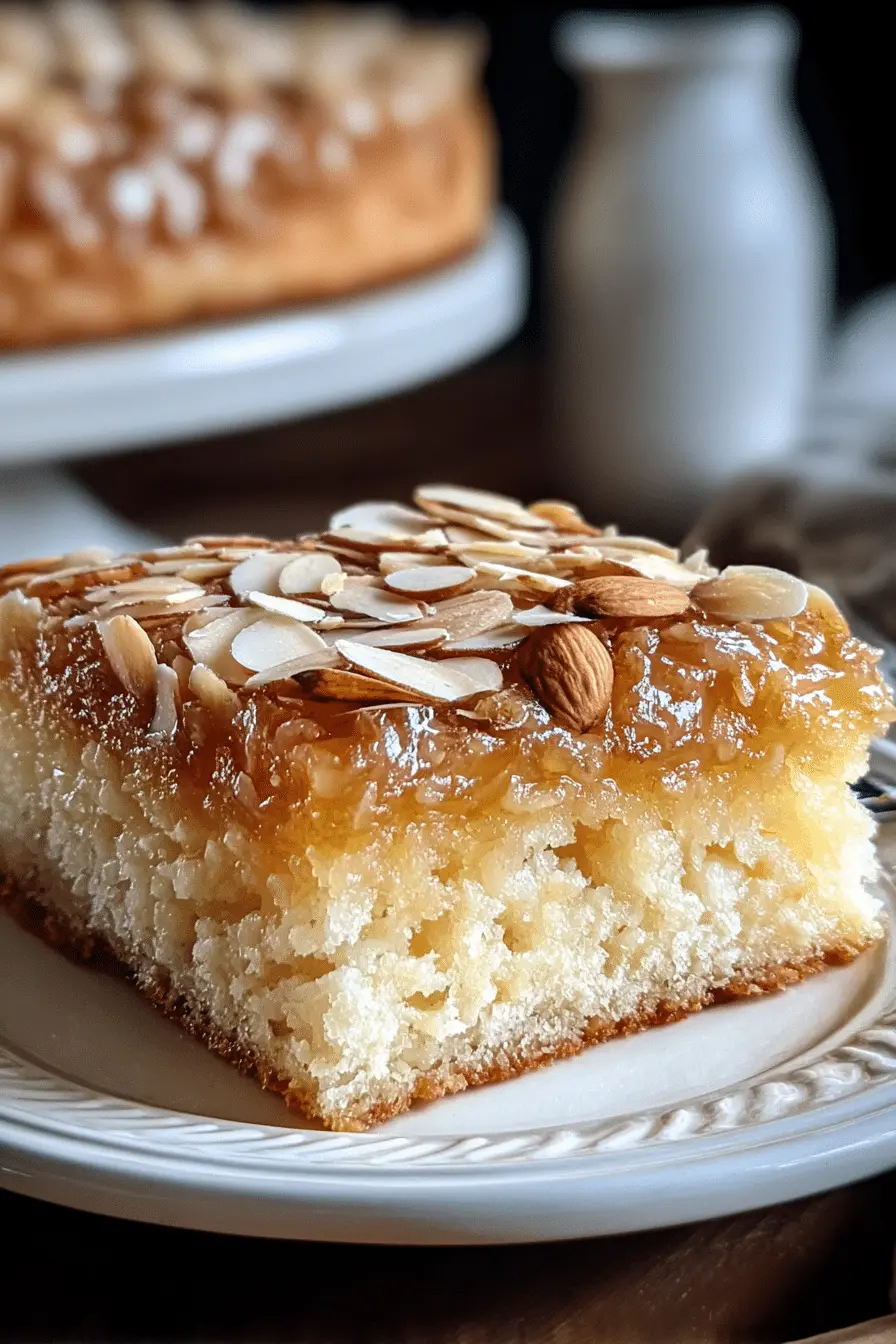
How I Finally Nailed Bienenstich at Home
- Prep
- 35 min
- Cook
- 28 min
- Total
- 63 min
- Serves
- 16
- Calories
- 314 kcal
- Carbs
- 17.00 g
Introduction
When I first tasted Bienenstich in a small town bakery on a damp March afternoon, the memory of that honeyed almond aroma followed me home and into my own kitchen. I made mistakes the first few times — a topping that sank, a custard that split, dough that was either under- or over-kneaded — but each error taught me something about patience, temperature, and timing. I now make it for weekend coffee service and for friends who ask for the cake that always prompts a pause and a smile.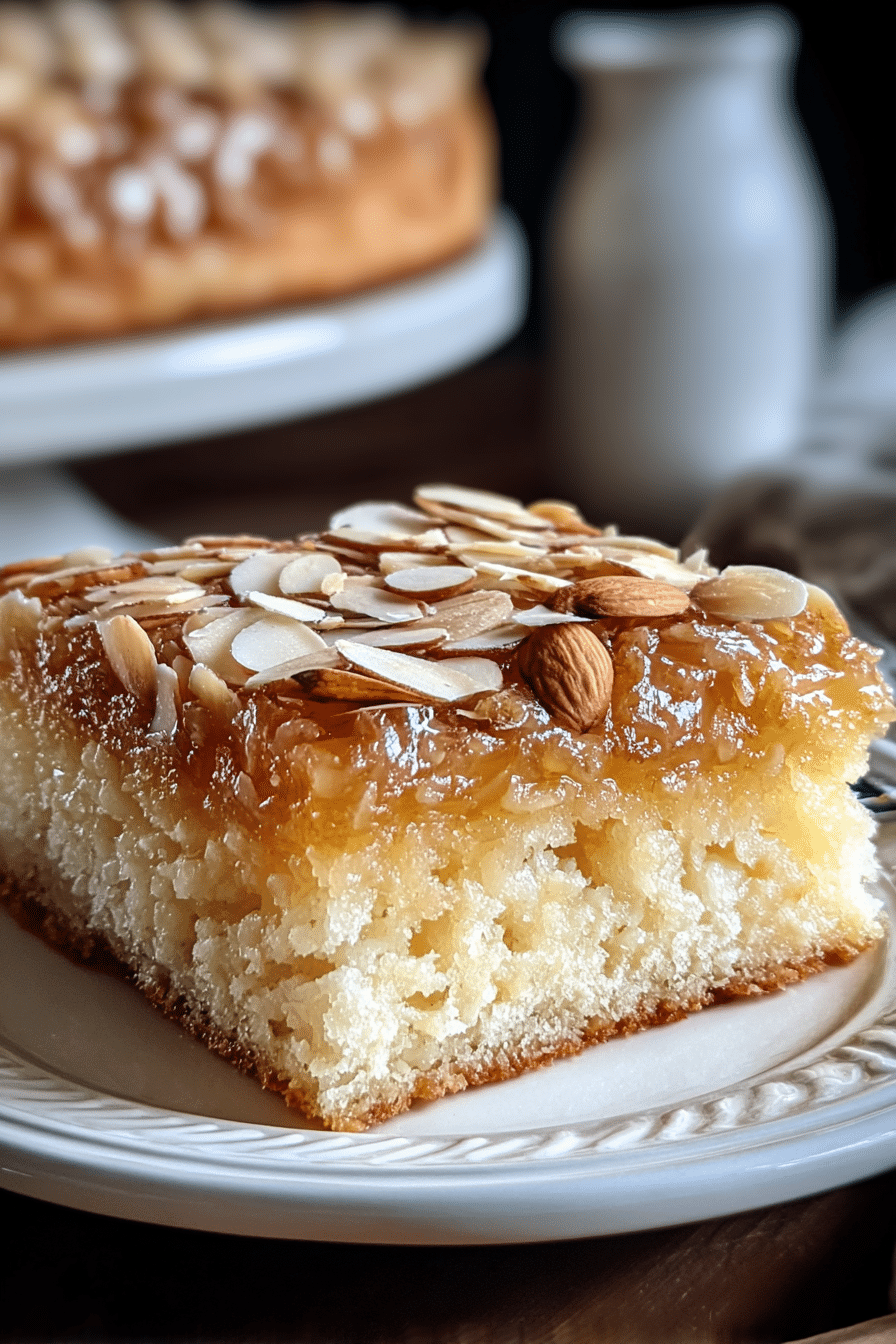
Why Bienenstich Belongs on Your Baking Bucket List
Bienenstich is a pastry with roots in German home baking and café culture — it's meant to be shared. Unlike fragile puff pastries, this is a yeasted cake that feels communal: slice it into rounds, set it on the table with coffee or late-afternoon tea, and watch people reach in. What sets it apart is that interplay of textures: a tender, enriched cake, an indulgent vanilla custard, and a sticky, toasted almond topping that crackles beneath the fork.
When I serve it, people comment first on the smell — the warm honey and caramelized sugar — then on the texture. There’s a reason it became a café favorite in towns and cities across Germany: it’s comforting yet slightly refined, familiar yet a treat. Remembering where I first had it and who I baked it for helps me keep that cultural connection alive in my kitchen.
Everything You Need for Bienenstich (Ingredients)
- All-purpose or pastry flour – The backbone of the dough; choosing a high-quality flour gives you a smooth crumb and predictable gluten development. A pastry blend yields a slightly softer, more tender base.
- Butter (room temperature and some cold for the topping) – Adds richness and tenderness to the dough and creates that glossy, caramel-y topping when combined with honey and sugar.
- Granulated sugar – For both dough balance and the caramelization that gives the topping its color and snap.
- Instant yeast – Reliable and easy to work with; it gives a steady, even rise without the fuss of proofing active yeast.
- Eggs – Provide structure, moisture, and flavor; room temperature eggs incorporate more evenly into the dough.
- Milk and cream – Milk is the base for the custard; cream contributes silkiness to the filling and topping.
- Honey – The signature flavor in the topping; choose a mild, floral honey for the most balanced sweetness.
- Sliced almonds – Toasted in the topping for crunch and aroma; they should be relatively thin for the right texture.
- Gelatin – Helps stabilize the custard when folded with whipped cream so the filling holds its shape without becoming rubbery.
- Instant vanilla pudding mix or pastry cream base – A practical shortcut that yields a dependable vanilla custard; you can also make a cooked pastry cream if you prefer.
Nutritional note: a typical slice is moderately rich — think higher in fat and calories due to butter, cream, and almonds, with a satisfying protein contribution from eggs and milk. For a lighter approach, consider swapping part of the cream for a lower-fat milk in the custard and using a pastry flour blend to reduce density. If you want to plan ahead for portion control, cut thinner slices and pair with a small cup of coffee.
Pair your baking with our delicious sourdough discard brownies for a sweet treat!
The Secret to the Perfect Yeasted Dough
- Work with ingredients at the right temperature: use room-temperature eggs and softened butter so the fat disperses evenly and the dough comes together smoothly. If your kitchen is cool, give the dough a slightly longer initial rest rather than forcing heat.
- Knead for feel, not time: aim for a dough that’s smooth and slightly tacky but not sticky. You should be able to press it gently and have it spring back. This tactile cue matters more than a strict minute count.
- Proof in a warm, draft-free spot until the dough is puffy — not necessarily doubled. Overproofing will leave an overly airy dough that collapses under the topping; underproofed dough will be tight and resist stretching.
- When shaping, fold gently to expel large gas pockets, then let the gluten relax under a short bench rest so you can stretch the rounds to the pan edge without tearing.
Troubleshooting:
- I noticed the dough felt tacky on a humid afternoon; a light dusting of flour on the bench and a shorter knead kept it pliable without drying it out.
- If your dough is shrinking back when you try to stretch it, give it an extra 10–20 minutes to relax — patience here prevents tears and uneven edges.
- If the crumb is dense after baking, check your yeast freshness and proofing environment; sometimes the issue is a cold room rather than the recipe itself.
Nailing the Honey-Almond Topping: Technique & Timing
- Melt the butter gently and add sugar, honey, and cream; bring to a simmer and let it cook just until the mixture takes on a very light gold color. This is the point where you get brown-sugar notes without burning the honey.
- Stir in the sliced almonds off the heat; they should be glossy and well-coated but not soggy. Too-hot syrup poured onto cold dough can collapse the crumb, so let the mixture cool briefly before spreading.
- Spread the topping evenly but gently so you don’t degas the dough; if the topping is still bubbling fiercely, let it rest a minute so it thickens slightly and holds its shape.
- Bake until the edges of the cake are golden and the topping is bubbling and set — the almonds will toast further in the oven and develop that deep, nutty aroma.
For a savory counterpoint after baking, try our honey garlic chicken — the shared honey note makes an unexpected and satisfying pairing.
Why Temperature and Timing Make or Break the Custard
- Gelatin stabilizes the filling so the whipped cream and pudding mixture holds its shape when the cake is assembled; temper the gelatin by folding a little whipped cream into the melted gelatin before combining with the rest to avoid clumping.
- Use cold milk for the pudding base unless the packet instructs otherwise — warm liquid can speed up thickening unpredictably. Work briskly: instant pudding begins to set as it cools, so you want to fold in the stabilized whipped cream while the pudding is still soft for a smooth final texture.
- Whipped cream should be at very soft peaks before folding into the pudding; overwhipped cream can turn grainy when mixed, and underwhipped cream won’t provide enough structure.
How to Make Bienenstich (Step-by-Step)
- Mix and knead the dough until smooth and supple; transfer to a lightly oiled bowl and let it rest until puffy. This is a gentle, deliberate process — resist rushing the first rise.
- Divide the dough, shape into rounds, and place into prepared cake pans. Let the rounds relax so you can stretch them to the pan edge for even baking.
- While the dough rests, make the honey-almond topping and let it cool slightly so it won’t deflate the dough when spread.
- Top the dough and bake until golden and bubbling; allow the cakes to cool in the pans so the topping sets and won’t slide off when you invert and re-invert to cool fully.
- Split each cake horizontally with a serrated knife, taking it slow and steady. Fill immediately with the chilled custard mixture, or refrigerate the layers and fill just before serving for the freshest texture.
Pro Tip for Bienenstich: Cool and Set the Topping Before Filling
- Let the almond topping cool in the pan for at least 30 minutes so it firms up — this prevents it from becoming soggy when the custard is added.
- Use a kitchen thermometer if you want precision: the topping should be noticeably warm but not hot to the touch before you flip and cool the cake.
- When splitting, steady the cake with your non-cutting hand and use a long serrated knife in a sawing motion to keep the layers even and clean.
How to Store, Make-Ahead, and Easy Variations
- Storage: Store assembled cake in an airtight container in the refrigerator for up to three days. For longer storage, freeze the unfilled layers, then thaw and fill the day you plan to serve.
- Make-ahead: You can prepare the topping and the cake base a day ahead; keep the custard chilled and assemble the day you serve for the best texture.
- Almond-free variation: Swap sliced almonds for toasted, chopped hazelnuts or pistachios for a different nut profile — but keep the honey top for that signature flavor.
- Vegan-friendly approach: Use a plant-based butter substitute, a non-dairy cream thickener, and a vegan gelatin alternative; results will be slightly different in texture but still delicious.
If you’re interested in other sweet treats, check out our glazed lemon cookies, perfect for storing and enjoying later!
Serving Suggestions and Dietary Swaps (gluten-free, lighter custard)
Serve Bienenstich with a small cup of coffee or a fragrant black tea — the bitterness of the brew complements the honey and almonds. For a late-summer finish, a few fresh berries brighten the plate and add a contrast in acidity and color. I often set a platter of thin slices at the center of the table so guests can help themselves, which feels true to the cake’s café origins and encourages casual conversation.
- Gluten-free swap – Use a quality gluten-free pastry flour blend that’s designed to mimic wheat flour’s structure; expect a slightly different crumb but a similar overall experience. Ensure all other ingredients are certified gluten-free.
- Lighter custard – Replace part of the cream with lower-fat milk and use a light-stabilizer technique (a smaller amount of gelatin) to keep creaminess while reducing richness.
- Lower-sugar topping – Reduce sugar slightly and rely more on the honey’s natural sweetness; the texture of the topping will be slightly less caramelized but still satisfyingly glossy.
For a savory option that pairs well with the honey notes in this cake, try serving alongside baked lemon garlic butter salmon at a casual dinner — the contrast between a lightly savory main and a honeyed dessert makes for a memorable meal.
Frequently Asked Questions
What is Bienenstich used for? Bienenstich, also known as Bee Sting Cake, is a traditional German dessert that is perfect for serving with coffee or tea. It's a delightful treat for afternoon gatherings or as a sweet finish to a light summer dinner.
What kind of filling is in Bienenstich? Bienenstich is filled with a rich vanilla custard cream that adds a delicious contrast to the yeasted pastry and the crunchy honey-almond topping.
How can I store leftover Bienenstich? Store leftover Bienenstich in an airtight container in the refrigerator. It should stay fresh for up to 3 days. For longer storage, you can freeze the unfilled cake layers and add the filling and topping later.
Can I make a gluten-free version of Bienenstich? Yes! You can use a gluten-free pastry flour blend instead of all-purpose flour to make a gluten-free Bienenstich. Just ensure all other ingredients are also gluten-free.
What is the key to achieving the perfect yeast dough? The key to perfect yeast dough is to let it rise in a warm, draft-free area until it becomes puffy. Make sure to knead the dough until it is smooth and elastic for the best results.
Recipe Card
How I Finally Nailed Bienenstich at Home
- Prep
- 35 min
- Cook
- 28 min
- Total
- 63 min
- Serves
- 16
- Calories
- 314 kcal
- Carbs
- 17.00 g
Ingredients
- 2 1/3 cupsKing Arthur Pastry Flour Blend or All-Purpose Flour
- 4 tablespoonsbutter, at room temperature
- 2 tablespoonsgranulated sugar
- 1 1/2 teaspoonsinstant yeast
- 3/4 teaspoontable salt
- 2 largeeggs, at room temperature
- 1/4 cupwater
- 6 tablespoonscold butter
- 1/3 cupgranulated sugar
- 3 tablespoonshoney
- 2 tablespoonsheavy cream
- 1 1/2 cupssliced almonds
- 2 teaspoonsunflavored gelatin
- 2 tablespoonswater
- 1 cupheavy cream, whipped to very soft peaks
- 3 ouncesinstant vanilla pudding mix
- 1 1/2 cupsmilk
- 1 teaspoonvanilla extract
Instructions
- 1
To make the dough: Combine all ingredients and knead until a smooth dough forms.
- 2
Place dough in an oiled bowl, cover, and let rise for 60 minutes.
- 3
Transfer dough to an oiled surface, divide, shape into circles and place in greased pans.
- 4
Make the topping by melting butter and mixing with sugar, honey, and cream, then add almonds.
- 5
Preheat oven to 350°F and bake for 25-28 minutes until golden.
- 6
Cool cakes, then split each cake in half horizontally.
- 7
Make filling using gelatin, whipped cream, and instant pudding mix. Fill the cakes and serve.
You might also like

Reviews
Be the first to review this.