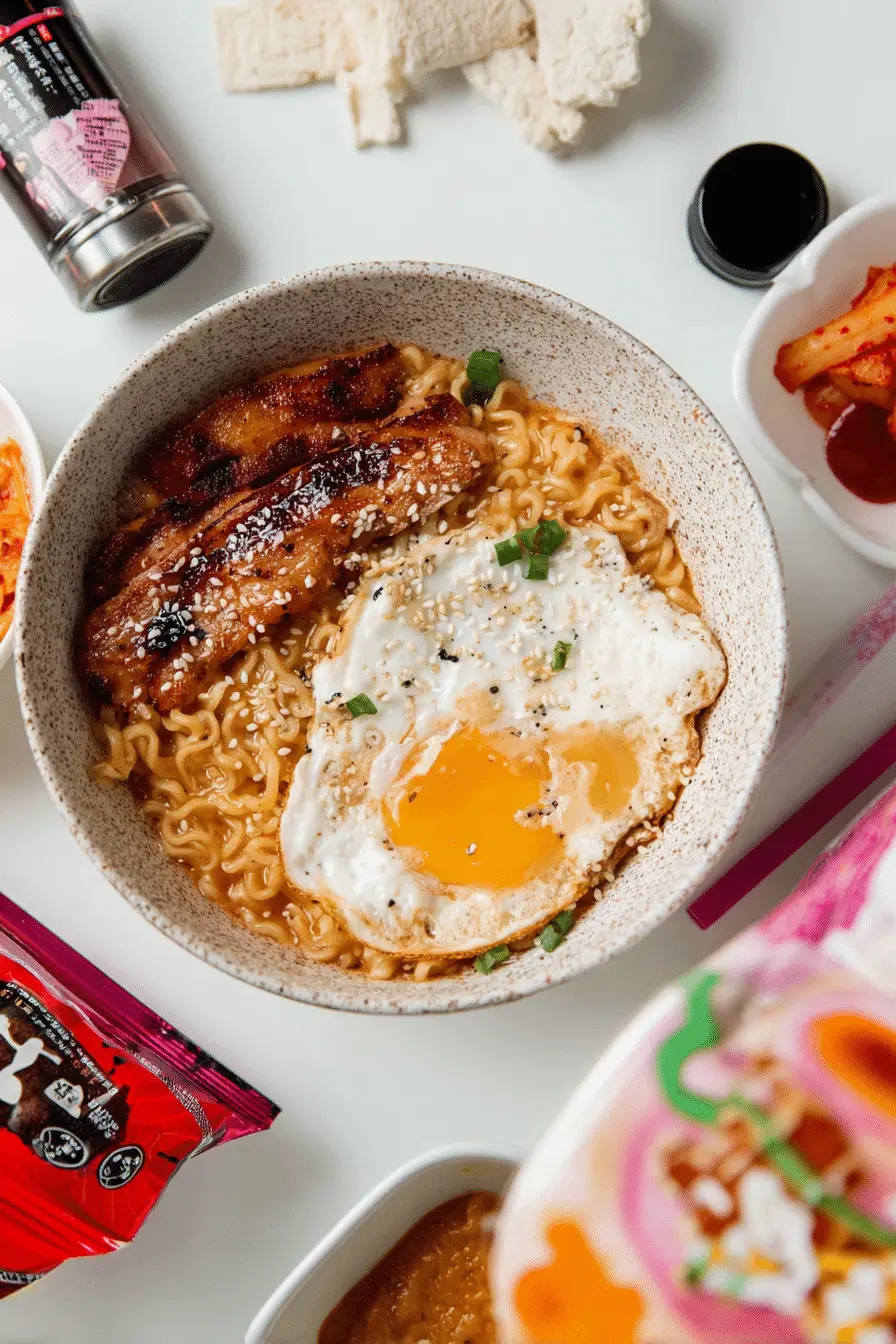
How I Finally Nailed Buldak Carbonara — 10-Min Ramen Swap
- Prep
- 2 min
- Cook
- 4 min
- Total
- 6 min
- Serves
- 1
- Calories
- 280 kcal
- Carbs
- 25.10 g
Introduction
I started making this buldak carbonara on a weeknight when I wanted something wildly flavorful but zero fuss. After a few messy attempts—scrambled eggs, under-seasoned sauce, and a burned pan—I found a rhythm that gives creamy sauce, bold heat, and noodles that actually hold onto the flavor. Now it’s a go-to when I want a high-impact dinner with minimal cleanup.
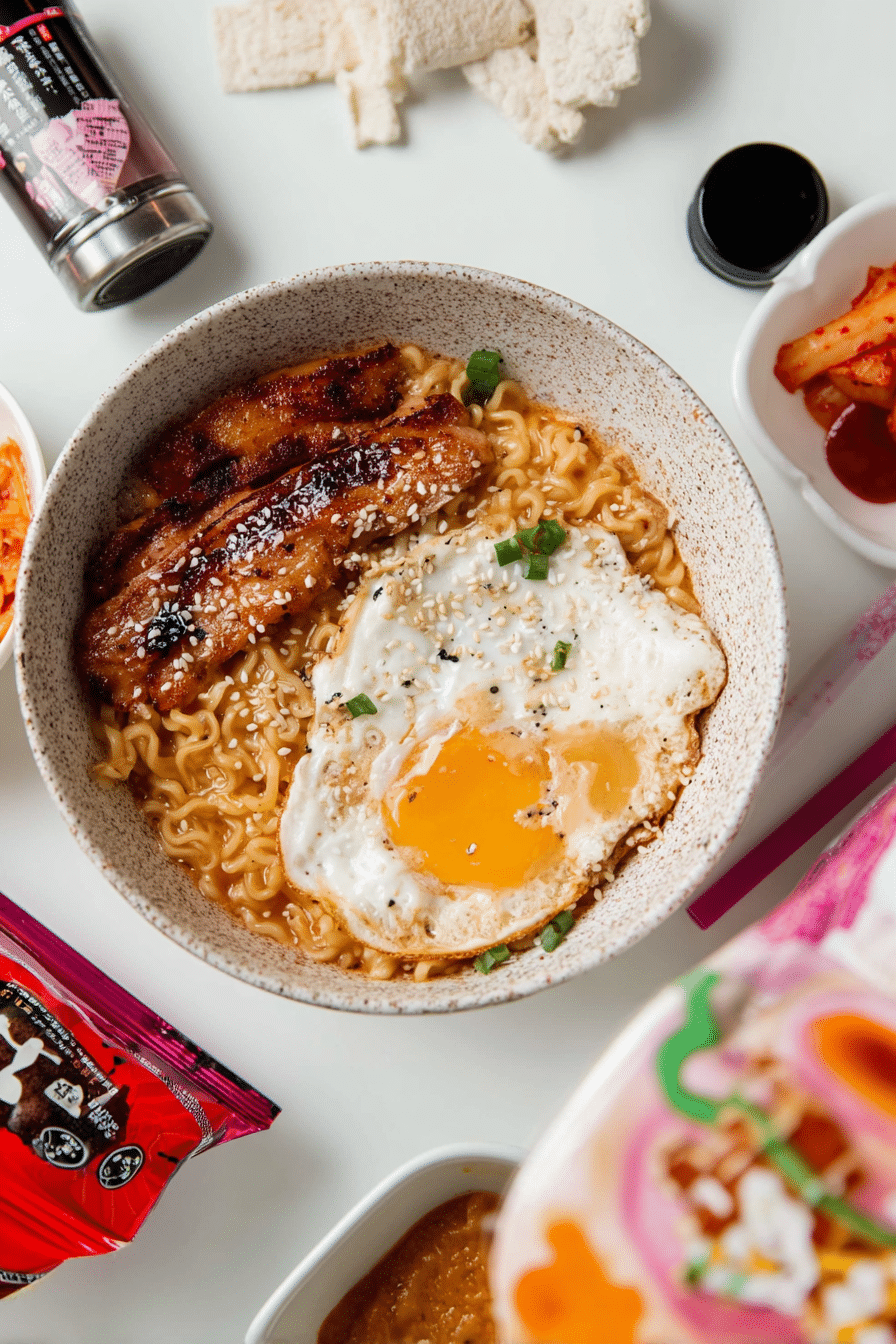
I love how the punchy, fermented sweetness of gochujang meets the lush, savory backbone of parmesan and egg yolk. The first time my partner took a bite he said, “This is dinner-level spicy but I can’t stop eating it”—and that’s the exact tug I aim for: bold, balanced, addictive. I make small adjustments depending on who I’m feeding, but the technique stays the same.
What keeps me coming back is how fast it all comes together: very little hands-on time, and the sauce is almost foolproof once you understand the simple tricks for keeping the yolk silky. I use this dish as a dinner hack when I need something comforting and interesting at the same time.
Below I’ll walk you through the why, the what, and the how—plus the small tricks I learned the hard way so you won’t repeat my mistakes in your kitchen.
Why Buldak Carbonara Is the Fast, Flavor-Packed Dinner You Need
Buldak carbonara is a fusion hit because it marries two strong ideas: the sweet-spicy, umami-forward character of buldak-style sauces and the rich, creamy backbone of a carbonara-style emulsion. It’s a compact flavor profile that reads like a restaurant plate but takes almost no prep.
- Minimal prep and cook time make this perfect for last-minute dinners; you’re mostly whisking a sauce and boiling noodles while the pan is empty.
- It hits multiple sensory notes: the red gloss of the sauce, the roast-like perfume of sesame and garlic powder, and the satisfying chew of thicker noodles.
- Personal proof: I’ve served this on rushed weeknights and casual gatherings; it consistently becomes the dish people ask for again. Friends mention the bold heat and creamy texture as the two things that keep them coming back.
Everything You Need for Buldak Carbonara
Here’s what I keep on hand so this comes together quickly. I’ll explain why each thing matters and the easiest swaps if you’re missing something.
- Parmesan – Provides salty, savory depth and helps the sauce thicken when mixed with egg yolk.
- Milk powder or milk – Adds silkiness and softens the intensity of the sauce; milk powder is convenient for a quick pantry fix.
- Gochujang – The primary heat and umami component; it’s sweet, fermented, and slightly smoky.
- Soy sauce – Adds salt and a deeper umami anchor than parmesan alone.
- Chicken bouillon – Boosts savory notes; can be swapped for vegetable bouillon for a vegetarian version.
- Rice vinegar – Brightens the sauce and cuts through richness; a little acid is essential.
- Garlic powder – Fast garlic flavor without the fuss; fresh garlic is fine if you have time.
- Sugar – Balances the heat and fermented tang of gochujang.
- Toasted sesame oil – Adds a nutty finish and fragrance; a tiny drizzle goes a long way.
- Egg yolks – The emulsifiers that give the sauce its luxurious texture; extra yolks = extra silkiness.
- Noodles – Use whatever you prefer; thicker noodles hold the sauce best (see next section).
- Kitchen tools – You’ll want a whisk or fork, a pot for boiling, a heatproof bowl for mixing the sauce, and a sturdy pan or the pot you cooked the noodles in to finish the sauce.
The Secret to a Smooth, Non-Scrambled Sauce
The trick is gentle heat control and the starch in the reserved noodle water. I treat the egg yolks like a delicate custard: they need heat to thicken but not so much that they coagulate into curds.
- Temper the yolks: whisk the sauce ingredients together first, then add a little hot noodle water to warm them gradually before contacting the full pot of noodles.
- Finish over low heat only if necessary: most of the emulsification happens from the heat of the noodles and a bit of reserved water—keep the pot off high heat to avoid scrambling.
- Use starchy noodle water to bind: the starch helps the fat and proteins emulsify into a glossy sauce that clings to each strand.
Troubleshooting
- If the sauce looks grainy or scrambled, remove the pot from heat and whisk in a spoonful of warm noodle water slowly until it smooths out.
- If it’s too thin, keep whisking and add a touch more grated cheese or another yolk (if available) off the heat.
- If it’s too thick, add small amounts of the reserved noodle water until it loosens to a silky coat.
- If the heat overpowers the dish, stir in a little dairy (plain yogurt or a splash of cream) to mellow it, or serve with a cooling side like cucumber salad.
Picking the Right Noodles for Texture and Bite
Not all noodles are created equal for this dish. I prefer thicker, chewier noodles because they provide bite and a larger surface for the sauce to cling to. That said, you can absolutely use thinner noodles in a pinch.
- Thicker options (like udon or thick ramen) – Give that pleasant chew and hold more sauce per bite.
- Mid-thickness options (traditional instant noodles or spaghetti) – Work well and are fast to cook; they’re a solid everyday choice.
- Thin noodles (angel hair) – Will still taste great but will feel lighter and may need a touch less reserved water to avoid becoming soggy.
- Personal pick: I switch between ramen and udon depending on what I have, but aim for something with body so the sauce doesn’t wash off.
How to Balance Heat: Adjusting Gochujang and Spice
Gochujang brings more than just heat; it adds a rounded sweetness and fermented complexity. The key is to add it gradually and taste as you go so the spice complements rather than overwhelms the dish.
- Start with a small amount and increase to taste—gochujang varies by brand in heat and sweetness.
- If you want smoky heat, consider a tiny pinch of chili flakes or a drizzle of chili oil alongside gochujang.
- To cool things down, serve with a dollop of plain yogurt or a side salad with a creamy dressing; dairy tempers capsaicin effectively.
- Brightening elements like extra rice vinegar or a squeeze of lemon help the spice feel lively rather than one-note hot.
How to Make Buldak Carbonara (Step-by-Step)
- Whisk together your parmesan, milk component, gochujang, soy sauce, bouillon, rice vinegar, garlic powder, sugar, sesame oil, and egg yolk(s) in a heatproof bowl until smooth.
- Bring a pot of water to a boil and cook your chosen noodles according to their package timing. Reserve some of the cooking water before draining—this is essential.
- Return the drained noodles to the pot (off the heat). Add a small amount of the hot reserved noodle water to the sauce bowl to temper the yolks, stirring constantly.
- Pour the tempered sauce over the noodles and toss quickly. Add more reserved noodle water in small increments while mixing until the sauce becomes glossy and clings to each noodle.
- If you need to warm the final mix, do so over the lowest heat, stirring constantly and removing from heat at the first sign of thickening—residual heat will finish the emulsion.
- Plate immediately so the sauce remains silky; garnish as desired (extra parmesan, toasted sesame seeds, chopped scallion).
Pro-Tips
- Use extra yolks if you want a richer, silkier finish—this is the easiest upgrade for decadence.
- Keep your reserved noodle water very hot; lukewarm water won’t help emulsify the sauce effectively.
- Stir quickly and confidently when you combine sauce and noodles—hesitation can let the eggs set into curds.
Pro Tip for Buldak Carbonara: Use Reserved Noodle Water to Finish the Sauce
- The reserved noodle water is starchy and acts like a natural binder; it helps fat and proteins emulsify into a silky sauce.
- Add it in small amounts, whisking or tossing after each addition until you reach the desired sheen and thickness.
- If the sauce starts to break or look grainy, immediately take the pot off heat and whisk in warm noodle water to bring it back together.
- Keep a little extra warm water on hand for last-minute adjustments—consistency is easier to loosen than to thicken perfectly at the end.
Quick Add-Ins: Proteins and Veggies That Work Here
This dish is a great canvas—additions can turn it into a heartier meal. Below are easy proteins and vegetables that won’t fight the flavors.
- Chicken (pre-cooked) – Sliced or shredded; it soaks up the sauce well.
- Shrimp – Quick to cook and pairs nicely with the spicy-sweet profile.
- Tofu – Pan-fried cubes add texture and soak up the sauce for a vegetarian option.
- Spinach – Wilts quickly into the warm noodles for color and a vitamin boost.
- Mushrooms – Sautéed until golden for an earthy counterpoint.
- Peas – Add sweetness and a pop of color with minimal effort.
Variations
- Make a creamier version by adding a splash of cream or crème fraîche for a milder heat profile.
- For a smoky spin, stir in a touch of gochugaru or smoked paprika alongside the gochujang.
- To lighten it up, bulk out the dish with extra vegetables and use fewer yolks or more milk component.
How to Store, Reheat, and Make-Ahead Buldak Carbonara
Leftovers are doable but require mindful storage to keep the sauce pleasant. I usually portion into shallow containers so it cools fast and reheat gently.
- Store in an airtight container in the refrigerator; use within two days for best texture and flavor.
- To reheat, warm gently in a skillet with a splash of water or reserved noodle water, stirring until the sauce loosens and returns to a glossy texture—avoid the microwave if possible to prevent overcooking the eggs.
- For make-ahead, prepare the sauce base without the egg yolks and store chilled; whisk in the yolks and temper with hot noodle water just before tossing with freshly cooked noodles.
Nutritional Information and Health Aspects of Buldak Carbonara
Here’s a practical look at what this dish brings to the table and how to make it fit into balanced eating.
- Macronutrient mix: the dish typically provides moderate protein (from egg yolks and parmesan), carbohydrates from the noodles, and fat from the yolks and cheese. The exact balance depends on your noodle choice and any added proteins or veggies.
- Calories and portioning: it can be calorie-dense because of the yolks and cheese—control portions and bulk with vegetables to lower per-serving calories while keeping satisfaction high.
- Health-forward swaps: use whole-grain or legume-based noodles for more fiber and protein, swap some yolks for whole eggs or additional milk component to reduce fat, and add a large handful of greens to increase micronutrients.
- Sodium: watch the soy sauce and bouillon—if you’re lowering sodium, reduce or use low-sodium versions and rely on extra parmesan for salty umami.
Overall, think of buldak carbonara as an indulgent weeknight favorite that can be nudged toward healthier territory with smart swaps and added vegetables.
Frequently Asked Questions
Is buldak carbonara suitable for beginners? Absolutely! Buldak carbonara is a great recipe for beginners, especially if you use the Cream Carbonara variant, which is less spicy and easier to manage.
What noodles work best for buldak carbonara? You can use any noodles you like! However, thicker noodles like udon or even traditional ramen work well for the best texture and bite.
Can I adjust the spice level in this recipe? Yes! You can easily adjust the heat by using less gochujang or adding more if you like it spicier. Just start with a little and taste as you go.
What should I do if my sauce turns out scrambled? To avoid scrambling the egg yolks, make sure the noodles are hot but off the heat when you add the sauce. Stir quickly and add reserved noodle water gradually for a smooth consistency.
How can I customize my buldak carbonara with extra ingredients? You can add proteins like chicken or tofu, or toss in vegetables like spinach or mushrooms to enhance the dish. They’ll make for a more satisfying meal!
Recipe Card
How I Finally Nailed Buldak Carbonara — 10-Min Ramen Swap
- Prep
- 2 min
- Cook
- 4 min
- Total
- 6 min
- Serves
- 1
- Calories
- 280 kcal
- Carbs
- 25.10 g
Ingredients
- 1/4 cupfinely grated parmesan
- 2 tbspmilk powder (or milk)
- 1 tbspgochujang (or to taste)
- 2 tspsoy sauce
- 1 tspchicken bouillon
- 1 tbsprice vinegar
- 1 tspgarlic powder
- 1 tspsugar
- 1/2 tsptoasted sesame oil
- 1-2egg yolks (use double for extra richness)
- 1 portionnoodles (of choice)
Instructions
- 1
In a bowl, whisk together the parmesan cheese, milk powder, gochujang, soy sauce, chicken bouillon, rice vinegar, garlic powder, sugar, toasted sesame oil, and egg yolk (or 2 for extra richness). Mix until well combined.
- 2
Bring a pot of water up to a boil and cook your noodles according to the package instructions. Save 1/2 cup of the noodle cooking water and drain the noodles, leaving them in the pan.
- 3
Stir 1/4 cup of the hot noodle water into the sauce then add the sauce to the noodles in the pot, tossing to coat. Add more of the hot reserved noodle water as needed, while mixing, over low heat, until the sauce is smooth and creamy and clings to the noodles. Remove from the heat and enjoy!
You might also like

Reviews
Be the first to review this.