Poolside RecipeDinner
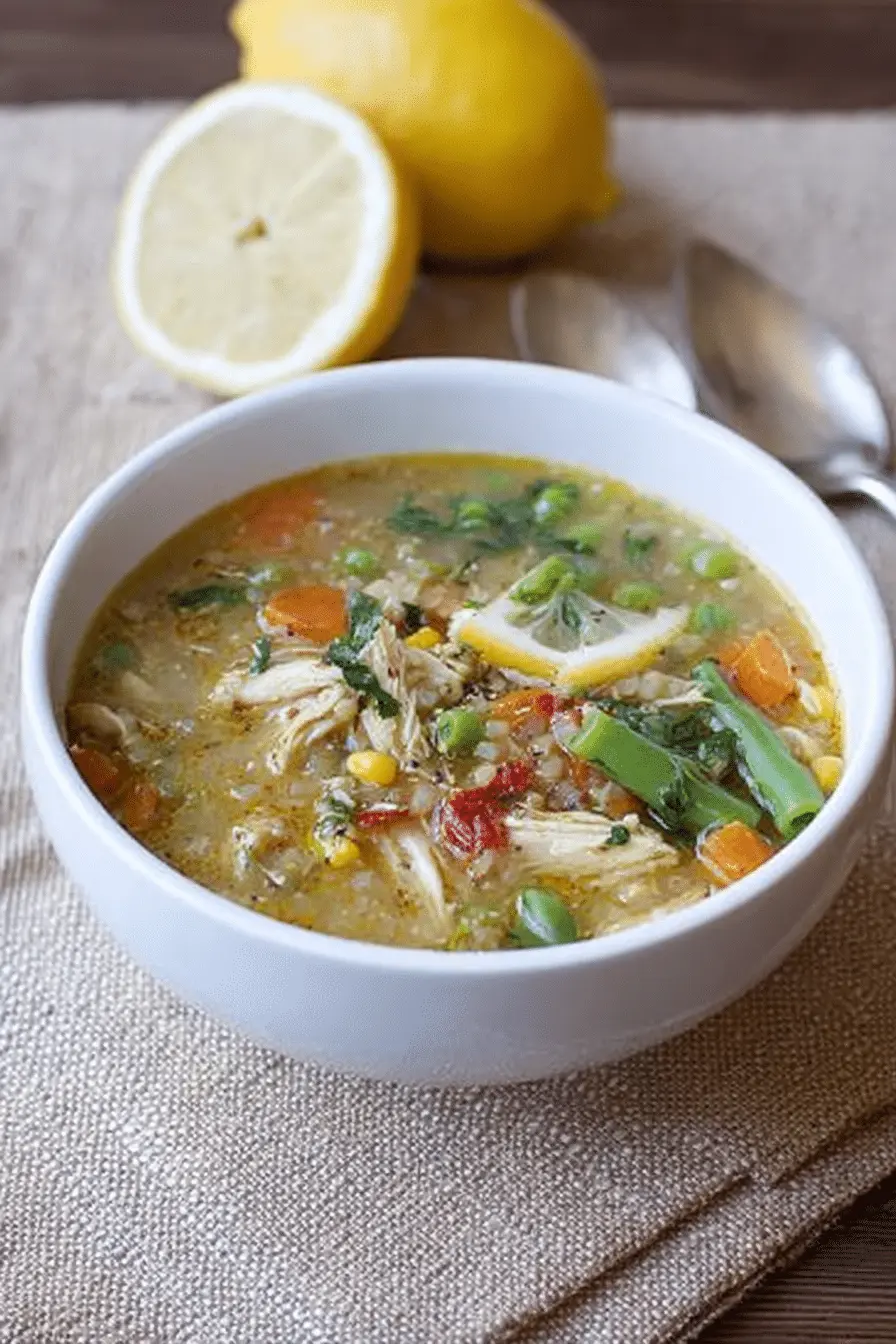
Chicken Soup with Spring Veggies
- Prep
- 15 min
- Cook
- 10 min
- Total
- 25 min
- Serves
- 8
- Calories
- 341 kcal
- Carbs
- 40.60 g
Introduction
I make this chicken soup whenever I want something both light and deeply satisfying — the kind of bowl that feels like a warm hug without weighing you down. In my kitchen I rely on fresh spring vegetables and a bright squeeze of lemon to keep the flavors lively; that citrus lift does double duty, adding brightness and a little vitamin C to the mix.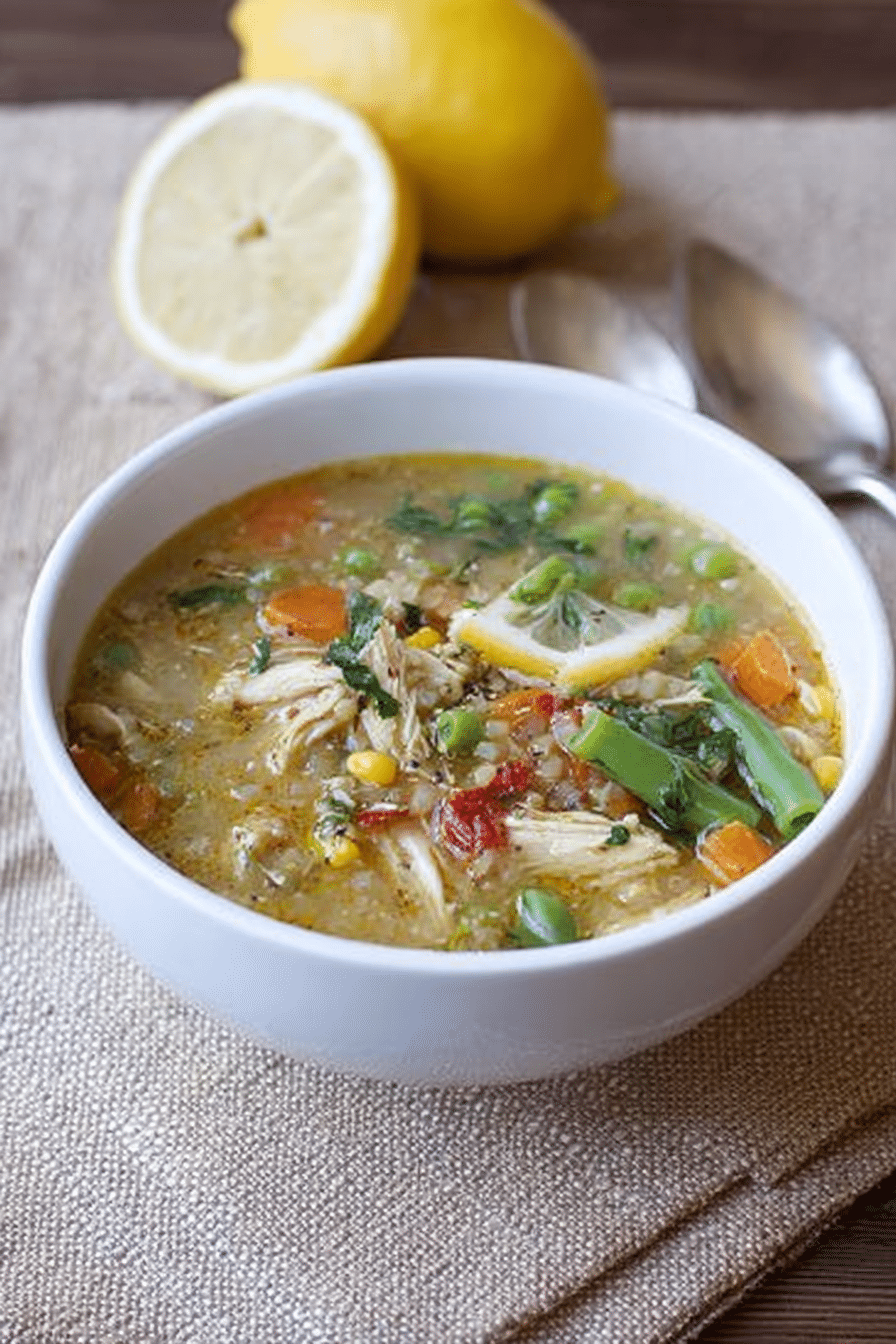
Warm Your Soul with This Nutritious Chicken Soup
This is not your neon, over-salted canned soup — it’s a gentle, spring-forward pot built from everyday wholesome ingredients. Picture steam rising from a pale-golden broth, flashes of green from peas and basil, soft ribbons of shredded chicken and the faint sparkle of lemon zest. The sensory experience is layered: the aroma of sweating leeks and butter, the quiet hiss as vegetables soften, and the comforting warmth when the bowl reaches your hands. Why it’s nourishing: lean chicken supplies sustained protein, seasonal vegetables contribute vitamins and minerals, and quinoa brings fiber and a satisfying chew. The lemon brightens the entire pot — it’s a small addition that substantially changes how fresh the soup tastes. This bowl works as both a light lunch and a restorative dinner after a long day.Everything You Need for Chicken Soup with Spring Veggies
Below I outline the key ingredients and tools, and I explain what each does so you can swap confidently while keeping the spirit of the soup intact. If you want more seasonal ideas built around vegetables, try this spring vegetable soup for inspiration.- * Butter & Olive Oil – Fat carries flavor and helps the leeks and carrots soften without browning; use a mix for both flavor and a higher smoke point.
- * Leek – Provides a gentle allium backbone; rinse well to remove grit. Swap for sweet onion if needed.
- * Carrots – Add sweetness and color; multi-colored carrots are pretty but any carrot works.
- * Garlic – Lends aromatic depth; add late in the sweated vegetables so it doesn’t burn.
- * Herbes de Provence (or mixed herbs) – A subtle floral-herb note that supports the lemon and basil; you can use thyme or oregano instead.
- * Chicken Broth – The liquid backbone; choose low-sodium if you want control over salt level, and warm the broth before adding so the pot doesn’t cool down.
- * Peas (fresh or frozen) – Sweetness and color; add at the end so they stay bright and tender-crisp.
- * Baby Zucchini – Delicate texture and mild flavor; summer squash or diced asparagus can substitute.
- * Cooked Chicken – Lean protein that makes the soup a complete meal; shredded leftover roasted chicken works beautifully.
- * Lemon (zest + juice) – Brightens the soup and adds vitamin C to enhance perceived saltiness without extra sodium.
- * Quinoa – A gluten-free grain that adds protein, texture, and fiber; swap cooked brown rice or gluten-free pasta if you prefer.
- * Fresh Basil – Finishing herb that lifts aroma and flavor; other herbs like parsley or dill will give a different but lovely profile.
How to Make Chicken Soup with Spring Veggies (Step-by-Step)
When you cook this soup, attention to heat and timing preserves both texture and flavor. Use warm stock, sweat the vegetables gently, and reserve delicate additions for the finish. For a classic take on chicken soup techniques that complement this lighter version, you might also compare methods in our ultimate chicken soup recipe.- Heat butter and olive oil over medium; add the sliced white part of the leek and diced carrots and sweat them gently until the leeks turn translucent and the carrots begin to soften—this draws out sweetness without browning.
- Add pressed garlic and a pinch of salt and pepper; cook just until fragrant so the garlic remains bright and not bitter.
- Stir in the dried herbs, then pour in warm chicken stock; bring the pot to a gentle simmer rather than a rolling boil to keep the broth clear and the vegetables intact.
- Partially cover and simmer until the carrots are tender when pierced—this typically takes a short while; the goal is tender but not mushy.
- Turn off the heat and fold in the peas, diced baby zucchini, and cooked chicken; add lemon zest and lemon juice, then let residual heat poach the tender vegetables until they’re bright and crisp-tender.
- To serve, place a portion of cooked quinoa in each bowl, ladle the soup over it, and finish with chopped fresh basil and extra lemon wedges for squeezing at the table.
The Health Benefits of Chicken and Seasonal Veggies
This bowl is intentionally balanced for nourishment. Chicken is a lean protein that supports muscle repair and satiety without excess saturated fat. Seasonal vegetables like peas, carrots, and young zucchini contribute vitamin A, vitamin C, potassium, and antioxidants that support overall health and immunity. Lemon adds a hit of vitamin C which helps iron absorption and brightens flavor so you can use less salt. Quinoa plays an important role as a gluten-free whole grain that raises protein and fiber per serving, making this soup more filling and steadying on blood sugar than a plain broth. If you’re monitoring sodium, choose low-sodium broth and taste before adding extra salt; the lemon and fresh herbs help create a sense of seasoning without overdoing sodium intake.Why Fresh Herbs Make All the Difference
Fresh herbs change this soup from pleasant to memorable. Basil, added right before serving, releases aromatic oils that perfume each spoonful and create a bright contrast to the warm broth. Herbs also bring phytochemicals and antioxidants—simple additions that increase nutrient density with no calories. Try variations: basil for sweet and peppery notes, dill for a clean, slightly anise-y lift, or parsley for a fresh, green finish. Tuck whole stems into the pot while simmering for subtle background flavor, and reserve chopped leaves for the end to preserve aroma and color.Pro-Tip for Chicken Soup: How to Boost Flavor (and Nutrients)
- Add a small splash of apple cider vinegar or a teaspoon of vinegar before serving to brighten flavors; acidity rounds out the savory elements.
- Stir in leftover roasted vegetables to deepen the soup’s savory profile—roasting concentrates natural sugars and adds complexity.
- Include a pinch of turmeric or freshly grated ginger for anti-inflammatory benefits and warm, subtle spice; pair with black pepper to improve absorption of curcumin from turmeric.
- Use low-sodium broth and finish with lemon and herbs so you control salt while keeping strong flavor.
Troubleshooting (What I Learned in My Kitchen)
- If the soup tastes flat, I add a small squeeze of lemon and a tiny pinch of salt—acid brightens and salt rounds the flavors.
- If peas look dull or turn mushy, I’ve learned to add them off-heat or in the last few minutes; they should stay vivid and slightly firm.
- When broth clouds, it’s usually from rapid boiling or disturbed sediment; simmer gently and skim any foam early to keep a clear broth.
- If the quinoa absorbs too much broth when stored, I cook a bit extra and add it to bowls as needed so the soup retains its liquid texture when reheated.
Storage Tips for Leftover Chicken Soup
Cool your soup safely and reheat without losing texture: pair leftovers with a light salad for a complete meal.- Cool the soup quickly by transferring it to shallow airtight containers and refrigerate within two hours to prevent bacterial growth.
- Store in the fridge for up to three days. For longer keeping, freeze in portioned containers for up to three months; omit cooked quinoa if you plan to freeze, or add extra when reheating because grains can absorb liquid during freezing.
- When reheating, warm gently over low heat to prevent overcooking tender vegetables; add a splash of water or broth if the soup has thickened and finish with fresh basil and a squeeze of lemon to revive flavors.
- Pair your leftover soup with a refreshing spring salad with goat cheese for a balanced meal.
Variations to Try: Customizing Your Chicken Soup
Make this soup your own by switching herbs, grains, or cultural flavors. Below are easy swaps and ideas that keep the base method but shift the experience.- Asian twist: finish with a splash of tamari, a bit of grated ginger, sliced scallions, and fresh cilantro; consider swapping quinoa for ramen-style gluten-free noodles.
- Latin-inspired: add a smoky roasted pepper, a squeeze of lime instead of lemon, and cilantro for garnish; swap in corn and black beans for heartiness.
- Vegetarian/vegan: replace chicken with extra beans, lentils, or more cooked quinoa and use vegetable broth; roast vegetables first for extra depth.
- Low-sodium or heart-healthy: use low-sodium broth, limit added salt, and boost flavor with herbs, lemon, and a splash of vinegar.
- Comforting twist: fold in tender dumplings near the end for a richer, more indulgent bowl—see a comforting take in our easy chicken and dumplings recipe.
Frequently Asked Questions
Can I use frozen chicken instead of cooked chicken? Yes, you can use frozen chicken! Just make sure to cook it fully before shredding or cubing it to add to the soup. What vegetables can I substitute in this recipe? Feel free to customize the veggies! You can use any seasonal veggies you like, such as asparagus, spinach, or bell peppers. Is this chicken soup recipe gluten-free? Yes, this recipe is gluten-free as long as you use gluten-free chicken broth and quinoa! How can I store leftover chicken soup? Let the soup cool completely, then store it in an airtight container in the refrigerator for up to 3 days or freeze it for up to 3 months. Can I make this chicken soup vegetarian? Absolutely! Replace the chicken with vegetables and use vegetable broth instead for a delicious vegetarian version.Recipe Card
Chicken Soup with Spring Veggies
- Prep
- 15 min
- Cook
- 10 min
- Total
- 25 min
- Serves
- 8
- Calories
- 341 kcal
- Carbs
- 40.60 g
Ingredients
- 12 ouncespasta
- 3-4 cupsfresh peas
- 5 unitsscallions, thinly sliced
- 1 unitshallot, very finely diced
- 1 cupchopped fresh mint
- 1 cupchopped Italian parsley
- ½ cupolive oil
- 2 unitslemons – zest and juice
- 2 cupsfresh pea shoots, baby spinach or arugula
- 1 teaspoonsalt, plus more to taste
- ½ teaspoonwhite or black pepper
- 1 tablespoontruffle oil
- —Optional- goat cheese crumbles
Instructions
- 1
Boil pasta in salted water according to directions.
- 2
During the last minute of cooking, if serving warm, add peas to the pasta to lightly blanch.
- 3
While the pasta is cooking, prep the remaining ingredients.
- 4
Chop scallions, shallots, and herbs. Zest lemons and measure out lemon juice.
- 5
Once pasta is done, add peas and blanch for one minute until bright green. Drain and place in a large bowl.
- 6
Drizzle with olive oil, lemon juice, and season with salt and pepper.
- 7
Toss in pea shoots (or greens) and add scallions, shallots, herbs and lemon zest.
- 8
Adjust salt and lemon juice to taste, then drizzle with truffle oil and serve immediately.
You might also like



Reviews
Be the first to review this.