Poolside RecipeBreakfast
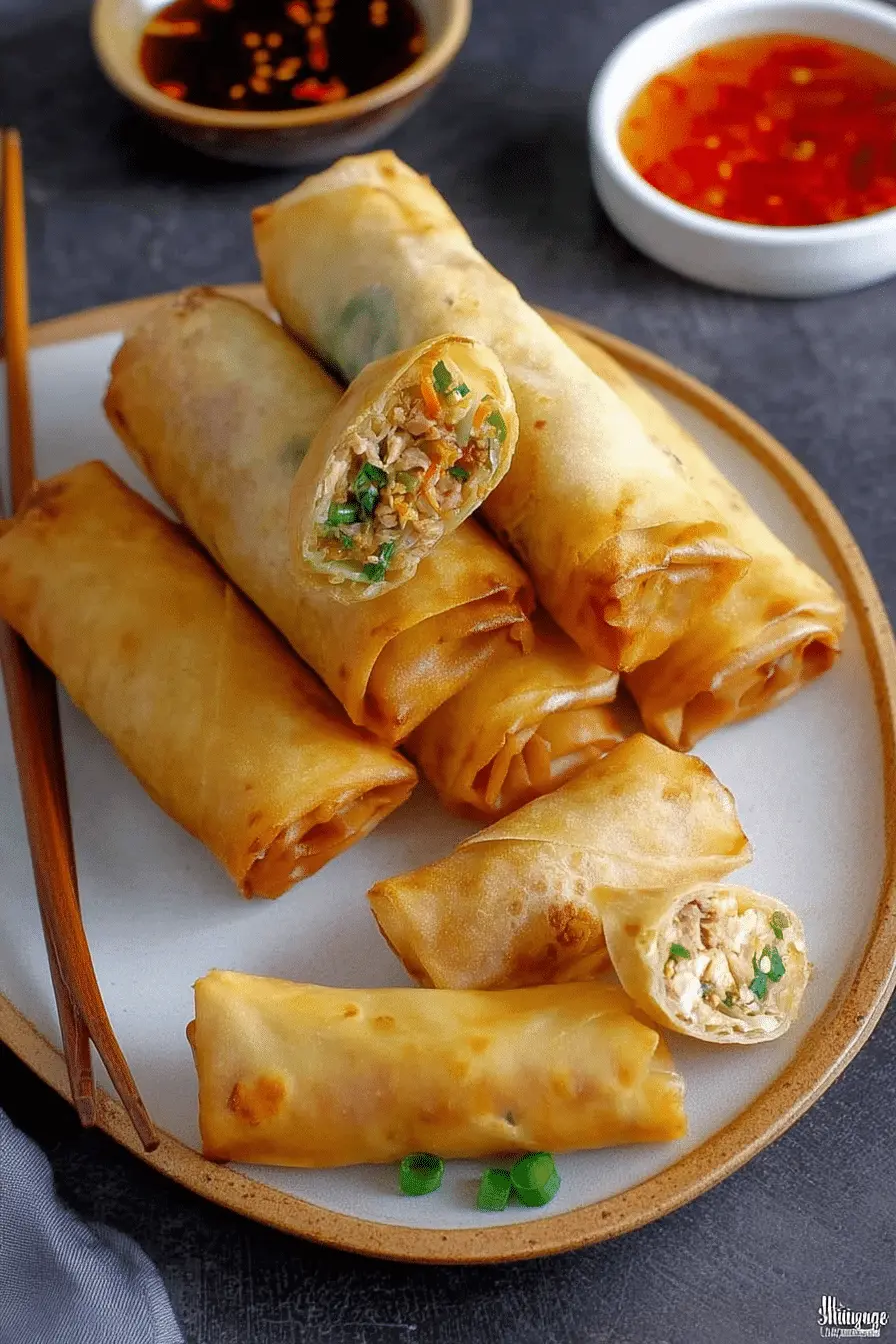
Chinese Spring Rolls (春卷), Deep-Fried or Air-Fried
- Prep
- 30 min
- Cook
- 15 min
- Total
- 45 min
- Serves
- 15
- Calories
- 153 kcal
Introduction
I still remember the first time I set up a spring roll assembly line for a family gathering — it became the most social part of the evening. I love how making spring rolls allows everyone to take part: someone grates carrots, another folds wrappers, and a few people patrol the fryer. The kitchen smelled of toasted sesame and ginger, and the sight of golden cylinders piled on a platter always drew a crowd.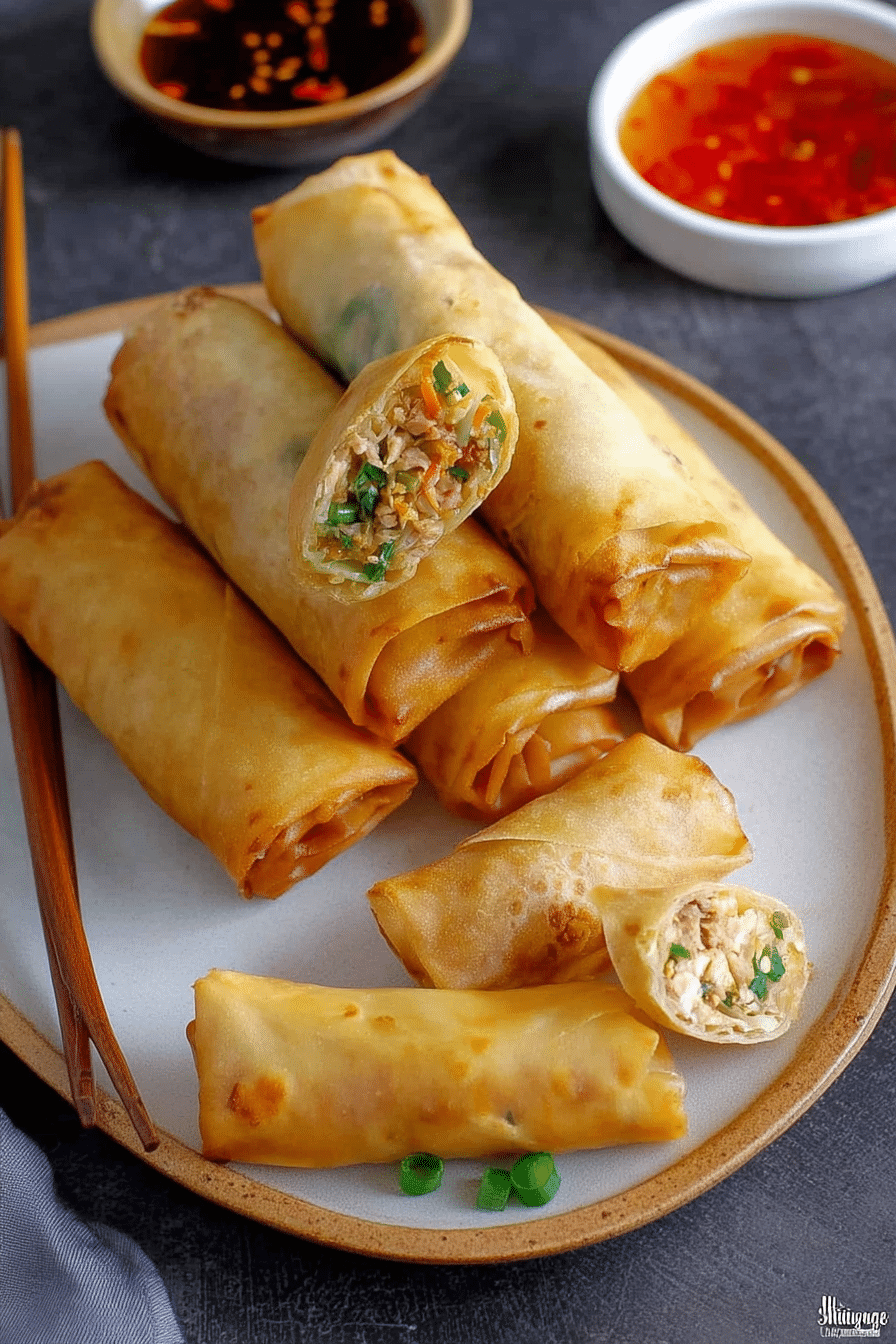
Why This Recipe is Perfect for Entertaining
Spring rolls are inherently social food — they can be prepped ahead, assembled in teams, and finished just before serving so they stay hot and crisp. Because the filling is mixed raw and sealed inside, you can assemble a large batch quickly and freeze extras for future parties. Visually, a tray of uniformly golden rolls looks more inviting than individual hors d'oeuvres; the contrast of glossy wrappers, finely shredded vegetables, and a bowl of dipping sauce makes for an attractive centerpiece. They’re also endlessly adaptable: swap proteins or make a fully vegan filling to suit guests’ preferences, and serve them whole or halved for easy picking. For a lighter plated option that borrows spring roll flavors, you can serve a fresh salad version alongside your platter — try a spring roll salad with spicy ginger dressing for variety: You can also enjoy a refreshing Spring Roll Salad that incorporates the flavors of traditional spring rolls!Everything You Need for Chinese Spring Rolls
Gathering the right ingredients and tools ahead of time keeps assembly moving and ensures the finished rolls look and taste their best. Focus on freshness — crisp vegetables and firm proteins make the difference between a soggy roll and one that snaps.- Spring roll wrappers – The canvas for everything; keep them covered with a damp cloth so they don’t dry out.
- Ground meat or protein – Provides savory body; swap for minced mushrooms or tofu for a vegetarian version.
- Shrimp – Adds sweet briny contrast; can be omitted or replaced with chopped tempeh.
- Fresh vegetables (carrot, bean sprouts, cabbage/chives) – Provide crunch, color, and moisture control; shred finely so rolling is easier.
- Dried vermicelli – Adds texture and soaks up seasoning; rehydrate before mixing.
- Shiitaake or other mushrooms – Give an earthy umami lift if you want depth without more meat.
- Eggs – One is used in the filling for binding; save a yolk for sealing the wrapper.
- Flavorings (oyster sauce, sesame oil, soy, garlic) – Balance salty, sweet, and aromatic notes; use vegan versions if needed.
- Neutral frying oil or a spray for air-fryer – Use a high-smoke-point oil for deep frying; a light brush of oil crisps up air-fried rolls.
- Dipping sauce ingredients – Rice vinegar, soy, garlic, sugar, and fresh chili make a bright sauce; you can pair with other sauces for variety.
How to Make Chinese Spring Rolls (Step-by-Step)
- Defrost your wrappers in the fridge the night before and keep them covered with a damp cloth while you work so they stay pliable.
- Mix the filling ingredients in a large bowl: protein, chopped shrimp (if using), shredded vegetables, rehydrated vermicelli, sliced mushrooms, scallions, egg, and seasonings. I usually mix by hand so everything combines evenly — it also helps you feel if the texture is too wet or too dry.
- Lay one wrapper on a clean surface with a corner pointing toward you. Spoon the filling into a rectangle a little above the corner; use less than you think you need to avoid overstuffing.
- Fold the closest corner over the filling and roll tightly to the midway point; fold in the left and right corners and finish rolling into a neat cylinder. Brush the final triangular flap with a beaten egg yolk to seal.
- For deep frying: heat oil to about 180°C/350°F and fry in batches without overcrowding; flip occasionally for even color and remove when golden. Drain on paper towels.
- For air-frying: preheat to about 200°C/390°F. Lightly brush each roll with oil, arrange in a single layer, and cook 8–10 minutes before flipping and finishing for another 4–6 minutes until golden.
- Serve warm with your dipping sauce of choice. If you’re serving for a crowd, keep cooked rolls in a low oven to maintain warmth and crispness while you finish frying the rest.
The Secret to the Perfect Crunch
- Control oil temperature: hot enough to crisp without burning. Too cool and the wrappers soak oil; too hot and they burn before heating through. I check with a small piece of wrapper — it should sizzle and rise immediately.
- Dry fillings where possible: excess moisture from vegetables is the enemy of crispness. Squeeze or briefly salt-and-rest watery veggies like cabbage to draw out liquid, then pat dry.
- Wrap snugly without air pockets: a tight roll heats evenly and resists oil penetration. If a wrapper tears, patch with a dab of egg wash.
- Air-frying delivers a different type of crunch — lighter and less oily. Brush oil on the surface to encourage browning and rotate halfway through for an even finish.
Choosing the Right Cooking Method for Spring Rolls
- Deep-frying gives the classic, unbeatable crunch and richer mouthfeel; plan for more oil and a safe frying area. It’s the fastest way to cook large batches to a consistent color.
- Air-frying is a healthier alternative with less oil and easier cleanup. To get the best results, preheat the air fryer and brush the rolls with a light coating of oil so they brown and crisp rather than dry out.
- Adjust times by filling: rolls packed with denser meats may need slightly longer cooking than vegetable-only versions. Keep an eye on color and texture rather than strictly timing every batch.
- Consider menu balance: if you want a lighter spread, pair air-fried rolls with a dressed salad. For a heartier buffet, deep-fried rolls sit well with richer sauces and warm sides — try serving alongside a spring roll salad for contrast:
- You can also enjoy a refreshing Spring Roll Salad that incorporates the flavors of traditional spring rolls!
Pro-Tip for Making Perfect Chinese Spring Rolls
- I always prepare the filling the day before — refrigeration helps flavors meld and makes assembly faster.
- Keep a damp cloth over unused wrappers so they don’t dry and tear; that small step saves so much frustration during assembly.
- Freeze assembled, uncooked rolls on a tray before bagging to prevent sticking. They’ll keep frozen for months and can be cooked from frozen (raise deep-fry temp slightly).
- If a roll opens while frying, remove it quickly and reseal with egg wash before returning to the oil — it usually holds up fine.
- Use leftovers creatively: sliced spring rolls make a great topping for noodle bowls or a crunchy addition to a grain salad.
Variations to Try: Fillings and Dipping Sauces
- Vegetarian option — Firm tofu crumbled and pan-fried with garlic and soy, plus shredded cabbage and carrot for crunch.
- Vegan umami — Use shiitake and hoisin-based seasoning with glass noodles and water chestnuts for texture.
- Seafood-forward — Combine chopped shrimp with scallion and ginger for a bright, sweet filling.
- Fusion dipping sauces — Try a tangy sweet-chili-pineapple sauce for tropical flair or a sesame-soy vinaigrette for something classically savory:
- Elevate your spring rolls by dipping them in Sweet Chili Pineapple Sauce for a tropical fusion!
- Explore other cuisines — if you want a different take, try filling ideas from a vegan Filipino spring roll recipe to broaden the flavor profile:
- If you're looking to explore more variations, check out our Vegan Filipino Spring Rolls for a delicious twist!
Storage Tips for Leftover Spring Rolls
- Uncooked, assembled rolls: freeze in a single layer on a tray, then transfer to an airtight bag for up to three months. Cook from frozen — increase deep-fry temp slightly or add a few extra minutes in the air fryer.
- Cooked rolls: refrigerate in an airtight container and reheat in a preheated oven at 200°C/390°F for about 10 minutes, or in an air-fryer at the same temp for 5–7 minutes to restore crispness.
- Repurposing leftovers: slice cooked rolls and use them as a crunchy garnish for salads, noodle bowls, or fried rice to breathe new life into the dish.
Frequently Asked Questions
What ingredients do I need to make Chinese spring rolls? You'll need spring roll wrappers, minced meat (pork, chicken, or beef), shrimp, carrots, bean sprouts, Chinese chives, shiitake mushrooms, scallions, dried mung bean vermicelli, eggs, and various seasonings like oyster sauce and sesame oil. Can I use different fillings for my spring rolls? Absolutely! You can customize the filling with different meats, vegetables, or even tofu. Get creative with your favorite ingredients! What are the cooking methods for spring rolls in this recipe? This recipe offers two cooking methods: deep frying and air frying. Both methods will yield deliciously crispy spring rolls! How can I store leftover spring rolls? Store uncooked spring rolls in an airtight container in the freezer for up to three months. For cooked ones, keep them in the refrigerator and reheat in an oven or air fryer. What's the best way to achieve a crispy texture for my spring rolls? To get that perfect crunch, make sure to fry them at the right temperature (about 180°C/350°F) and avoid overcrowding them in the pan. You can also brush them with oil before air frying.Recipe Card
Chinese Spring Rolls (春卷), Deep-Fried or Air-Fried
- Prep
- 30 min
- Cook
- 15 min
- Total
- 45 min
- Serves
- 15
- Calories
- 153 kcal
Ingredients
- 15 largeflour-based spring roll wrappers ((25×25cm / 10×10 inches))
- 200 gminced pork ((or chicken/beef))
- 120 gshrimp (shelled and cubed)
- 120 gcarrot (grated)
- 130 gbean sprouts
- 100 gChinese chives (cut into sections or finely shredded cabbage)
- 6shiitake mushrooms (thinly sliced)
- 2 stalksscallions (finely chopped)
- 100 gdried mung bean vermicelli (rehydrated and cut into sections)
- 2eggs
- 2 tablespoonoyster sauce
- 1 teaspoonsesame oil
- ½ teaspoonsalt
- ½ teaspoonsugar
- ¼ teaspoonground white or black pepper
- —Cooking oil (for deep frying or air-frying)
- 2 tablespoonwhite rice vinegar ((or fresh lemon/lime juice))
- 1 teaspoonlight soy sauce
- 1 pinchsugar
- 1 clovegarlic (minced)
Instructions
- 1
Defrost the spring roll wrappers in the fridge the night before.
- 2
Mix all filling ingredients in a bowl, leaving one egg yolk for brushing.
- 3
Separate wrappers and cover with a damp cloth.
- 4
Place a wrapper on a flat surface and add filling, then roll tightly.
- 5
Seal the triangle end with egg yolk.
- 6
Heat oil to 180°C/350°F and fry rolls until golden.
- 7
Alternatively, brush with oil and air fry at 200°C/390°F for 8-10 minutes.
- 8
Serve warm with dipping sauce.
- 9
Store uncooked rolls in freezer in an airtight container.
- 10
Reheat cooked rolls in oven or air fryer.
You might also like
Reviews
Be the first to review this.