

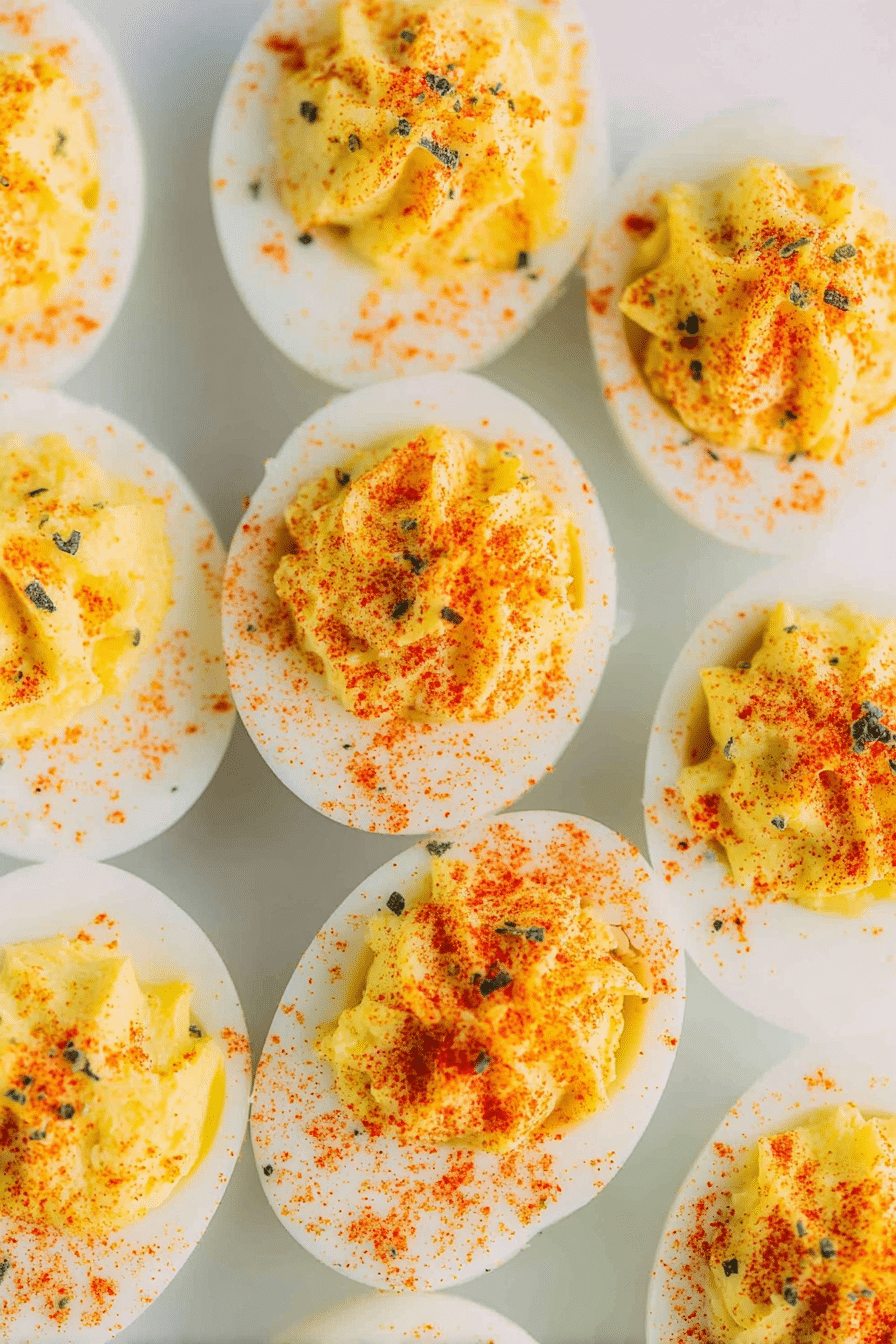
I grew up watching my grandmother arrange a platter of deviled eggs at every holiday table, the little white cups topped with a dusting of paprika like punctuation marks between turkey and pie. Over the years I learned that these humble bites are more than an appetizer; they are a ritual that signals togetherness, the kind of dish you reach for while stories and laughter are passing around the room. I still make them the same way on special days, but with a few small changes that make the filling silkier and the prep less stressful.
In my kitchen the scent of boiled eggs and a squeeze of mustard always brings back the warmth of family conversations. The first time I tried to make deviled eggs for a big gathering, the shells stuck and the yolks were chalky — those early missteps taught me to respect the little technical details that make the difference. Over time I’ve kept what works and left out the fuss: a few reliable ingredients and some careful timing produce those smooth, bright yellow centers everyone reaches for.
Below I walk through why deviled eggs are such a fixture at family meals, the essentials you should have on hand, a bit of history, and my step-by-step method so you can produce consistent results. Along the way you’ll find simple swaps for a lighter version, quick troubleshooting tips, and some creative variations to make the platter your own.
Why Classic Deviled Eggs Are the Go-To Appetizer for Family Gatherings
Deviled eggs show up in kitchen lore everywhere because they are easy to prepare ahead, travel well, and fit into many cultural traditions. I remember arriving at church potlucks where every family brought their own spin — a hint of pickle here, a ribbon of chive there — but the base remained the same: creamy yolks spooned back into tender whites.
Across regions, households add flavors that reflect local tastes: smoked paprika in some places, a touch of curry in others, or even a topping of anchovy or caper in coastal communities. Those differences make deviled eggs interesting without taking them far from the classic profile people expect.
For me, the appeal is practical as well as sentimental: they’re a visual anchor on the table, easy to plate, and the familiar shape invites conversation. When you bring a platter to a family gathering, you’re bringing a little piece of ritual — and everyone knows what that means.
Everything You Need for Classic Deviled Eggs
Start with good, simple ingredients and a small routine for prepping them. Freshness matters most with eggs, but slightly older eggs often peel easier — I explain that in the tips below. Before you begin, have your mayonnaise, mustard, and a pinch of seasoning ready so the yolk mixture comes together smoothly.
Prep tips: Bring eggs to room temperature before boiling for more even cooking; cool quickly in an ice bath to prevent overcooking; use a fork or ricer to break up yolks for a smoother filling.
- Eggs – The foundation; their texture and flavor determine the final bite. Slightly older eggs often peel more cleanly.
- Mayonnaise – Adds creaminess and body to the filling. For a brighter flavor consider a higher-quality or homemade mayonnaise.
- Mustard – Provides tang and cuts through the richness. Classic yellow or a milder Dijon both work.
- Salt and Pepper – Essential seasoning to bring the filling into balance.
- Paprika – Mostly for color and a mild smoky note when using smoked paprika; it finishes the look.
- Optional add-ins – Things like chopped chives, a touch of pickle relish, or a dash of hot sauce if you want a subtle twist.
A Short History of Deviled Eggs: From Family Tables to Holiday Staples
Deviled eggs have roots that trace back to antiquity when eggs were stuffed and seasoned; the term “deviled” became popular in the 18th century to describe piquant or spicy preparations. Over the decades they settled into Victorian and American cookbooks as a festive hors d’oeuvre. My own family recipe evolved from a simple boiled egg with mustard to a creamier filling with mayonnaise; that small change turned them into the party staple they are today.
Through war years, economic shifts, and cultural exchanges, deviled eggs remained adaptable — they used what was available and took on regional flavors. Visualize a long dining table where these little white cups are passed around: they carry both sustenance and shared memory.
The Secret to a Silky Filling: Yolks, Mayo, and Mustard Explained
The texture of your filling comes down to three things: how the yolks are mashed, the fat and acidity you add, and the final blending method. I favor mashing the yolks until they’re as fine as crumbs and then stirring in a creamy binder to reach the desired texture. For the ultimate silky filling, consider using
For the ultimate silky filling, consider using homemade mayonnaise that enhances the flavor of your deviled eggs.
Homemade mayonnaise brings freshness and a cleaner mouthfeel than some store-bought versions.
Technical notes: mustard adds an emulsifying effect and brightness, while mayonnaise supplies fat for smoothness. If the mixture is too firm, a little more binder or a splash of acid (vinegar or lemon) loosens it; if too thin, add a few more mashed yolks or chill briefly to firm up.
Healthier Swaps That Keep the Classic Flavor
If you want a lighter plate without losing the familiar profile, choose swaps that replace fat with texture and acidity. Greek yogurt or mashed avocado both give you creaminess while changing the calorie profile and adding complementary flavor. Pairing deviled eggs with simple sides helps round the plate and keeps portions satisfying; for example, pair your deviled eggs with a side of
Pair your deviled eggs with a side of garlic butter spaghetti for a balanced meal that everyone will enjoy.
- Greek yogurt – A tangy, lower-fat binder that keeps creaminess.
- Avocado – Adds richness and a softer texture with healthy fats.
- Herbs and spices – Use fresh herbs or bold spices to increase flavor without adding calories.
- Veggie mix-ins – Finely chopped celery or bell pepper adds crunch and nutrition.
How to Make Classic Deviled Eggs (Step-by-Step)
- Place your eggs in a single layer in a pot and add just enough cold water to cover them; bringing them up gently helps prevent cracking.
- Bring the water to a boil over medium-high heat; once boiling, let them cook briefly, then remove the pot from heat, cover, and let the eggs sit undisturbed for the recommended rest time so the yolks set without becoming dry.
- Transfer the eggs immediately to an ice water bath to stop the cooking process; this also firms the whites and makes peeling easier.
- Once cool, gently crack and peel the shells, rinsing under water if needed to remove small bits; pat the eggs dry on paper towels so the filling adheres.
- Slice the eggs lengthwise and scoop out the yolks into a bowl; mash the yolks thoroughly with a fork until crumbly and free of large pieces.
- Stir in your binder (mayonnaise or alternative), mustard, and seasonings until the mixture is smooth and holds together; taste and adjust for salt and acidity.
- Spoon or pipe the yolk mixture back into the egg whites; finish with a light dusting of paprika for color and a gentle contrast of flavor.
Pro Tip for classic deviled eggs: Easy Peeling & Perfect Yolks
- I favor using eggs that are a few days old for easier peeling; very fresh eggs tend to cling to the shell more stubbornly.
- Add a little vinegar or a pinch of baking soda to the boiling water to help the shells separate.
- Cool eggs immediately in an ice bath for at least five minutes — I’ve found this prevents that telltale green ring around the yolk.
- When peeling, roll the egg gently on the counter to create a network of cracks; start peeling at the wider end where there’s usually an air pocket.
How to Store, Make-Ahead and Vary Classic Deviled Eggs
- Make-ahead strategy: prepare the yolk filling up to a day in advance and keep it refrigerated in an airtight container; fill the whites just before serving for the best texture.
- Storing finished eggs: keep them in a shallow airtight container with a paper towel underneath to absorb excess moisture; consume within two days for optimal quality.
- Transporting: pack the whites and filling separately if you’ll be traveling, and assemble on site so they look fresh and avoid pitting or leaking.
Troubleshooting Common Issues with Deviled Eggs
- If your eggs are overcooked and the yolk is dry or has a green ring, I recommend trimming away the green edge and using a little extra binder to bring moisture back into the filling.
- If the filling is too thick, thin it with a touch more mayonnaise or a small splash of lemon juice; if it’s too thin, stir in another mashed yolk or chill briefly to firm up.
- If your filling is lumpy, push it through a fine sieve or press it through a ricer for a velvety result.
- If shells stick when peeling, try chilling eggs longer in the ice bath or using eggs that have aged a few days so the membrane separates more easily.
Creative Variations of Deviled Eggs: Global Flavors and Unique Add-Ins
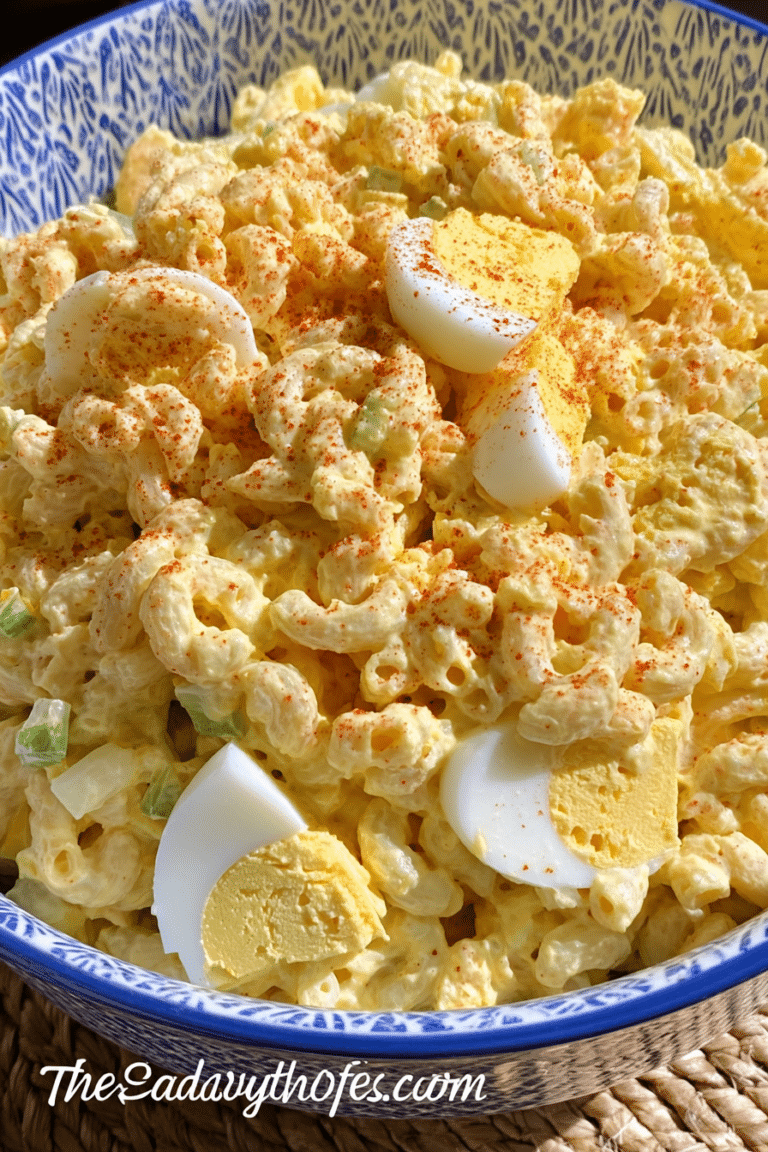
Once you’ve mastered the classic, small additions can take the dish in fun directions while keeping the essence intact. I encourage you to make these your own — a little smoked fish or an herb garnish tells a story about where the recipe is being served. For an interesting twist, try our deviled egg macaroni salad, which combines the classic flavors with a hearty pasta dish.
- Smoked salmon or trout with a tiny bit of dill for an elegant brunch version.
- Sriracha or gochujang mixed in for a spicy, modern twist that plays well with a cool garnish.
- Mashed avocado blended with yolk for a green, creamy filling that’s rich and nutrient-dense.
- Curry powder and chopped cilantro for a warm, aromatic variant that nods to South Asian flavors.
- Pickle relish and chopped capers for a briny, bright profile that cuts through richness.
Frequently Asked Questions
How do I make deviled eggs without the yolk turning green? To avoid a green yolk, make sure not to overcook the eggs. After boiling, place them in an ice water bath immediately to stop the cooking process.
Can I make deviled eggs ahead of time? Absolutely! You can prepare the egg mixture a day in advance and store it in the refrigerator. Just fill the egg whites right before serving for the best texture.
What can I use instead of mayonnaise? If you’re looking for a healthier option, you can substitute mayonnaise with Greek yogurt or avocado, which will still give you a creamy texture.
How should I store leftover deviled eggs? Store any leftover deviled eggs in an airtight container in the refrigerator. They are best consumed within 2 days.
What spices can I add to my deviled eggs for extra flavor? You can experiment with spices like cayenne pepper, garlic powder, or even smoked paprika for a unique twist on the classic flavor.
Classic Deviled Eggs
Ingredients
Method
- In a medium pot, place the eggs with just enough water to cover them. Bring to a boil over medium-high heat and boil for 3 minutes. Then cover and remove from heat and let sit for 15 minutes, covered.
- Remove the eggs from the pan and place in an ice water bath for at least 5 minutes. Then remove the shells from each egg and set aside on a paper towel.
- Slice the eggs lengthwise and scoop the yolk out into a medium sized bowl. Mash the cooked egg yolks slightly with a fork until crumbly. Add mayo, mustard, salt and pepper, stirring until smooth.
- Spoon the mixture into the egg halves and top with paprika.