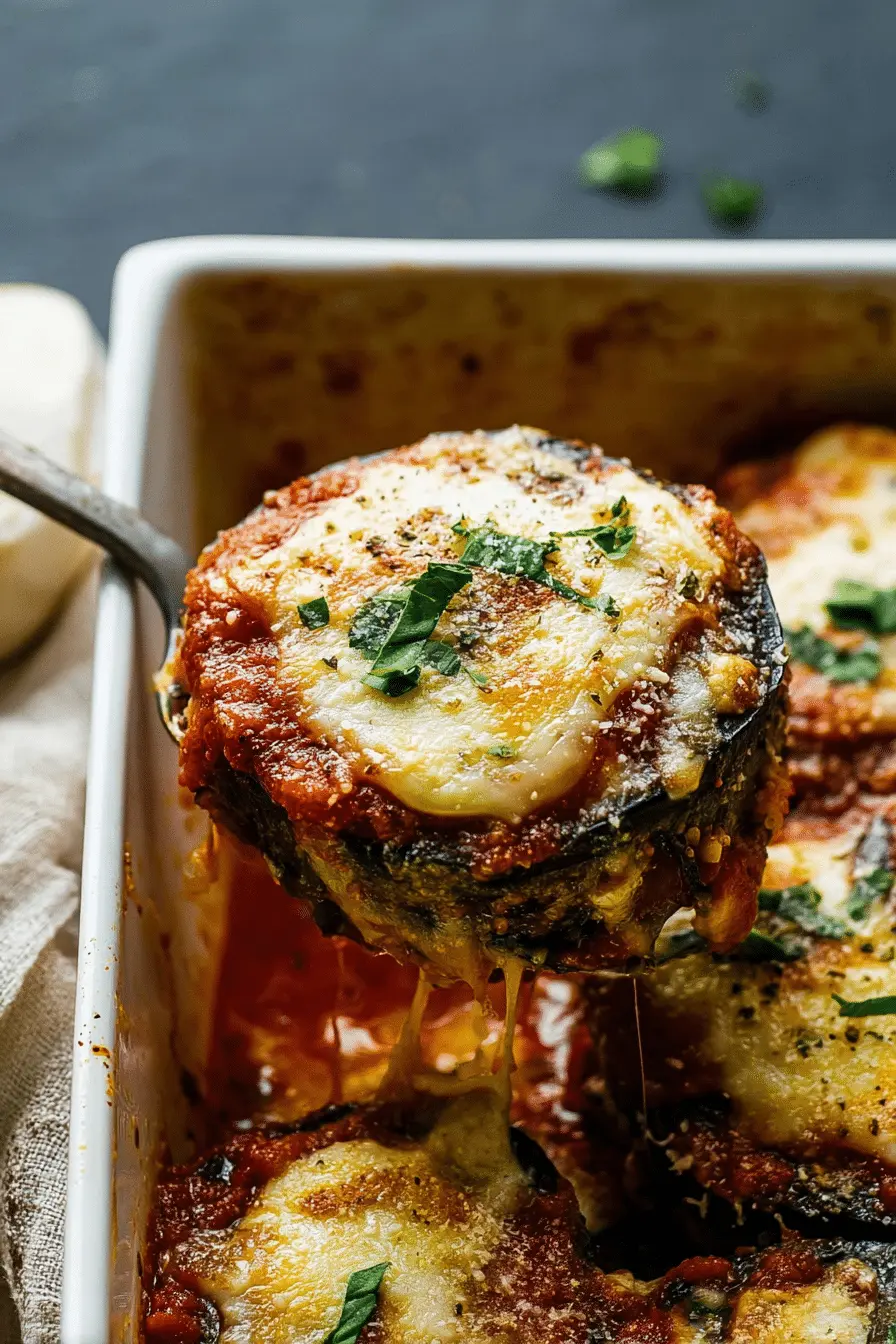
The Eggplant Parmesan I Make Every Sunday — Classic Eggplant Parmesan
- Prep
- 50 min
- Cook
- 30 min
- Total
- 80 min
- Serves
- 6
- Calories
- 403 kcal
- Protein
- 25.40 g
- Carbs
- 36.60 g
- Fat
- 17.50 g
Introduction
I still remember the first time I made eggplant parmesan for my family: the kitchen smelled like tomatoes and garlic for hours, and every face at the table wore the same contented smile. Cooking this dish has become one of my Sunday rituals — generous work, slow patience, and the small reward of a bubbling pan that always brings everyone together. Over the years I learned which shortcuts keep flavor but save time, and which little rituals make a big difference to texture.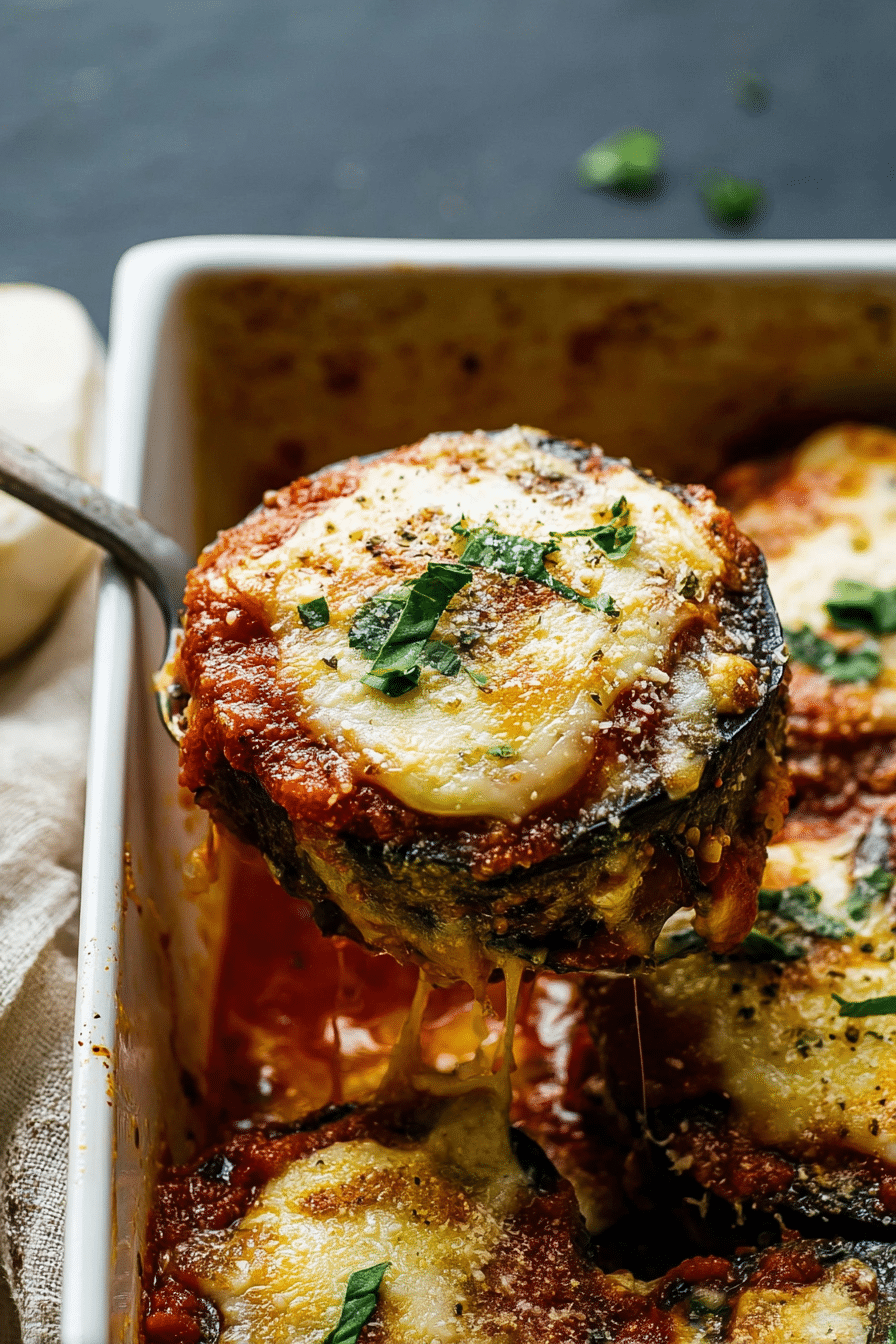
Why This Classic Eggplant Parmesan Feels Like Home
Eggplant parmesan sits at the crossroads of memory and generosity in Italian-American kitchens: it’s a recipe meant to be shared, to feed a crowd, and to comfort. In my family we treated it as a small celebration — not for holidays only, but for any Sunday when we wanted to linger over dinner. The bubbling dish, the way cheese stretches when you pull out a piece, the quick salty tang of basil on top — these are the little details that make it feel familiar.
When I make this now, the smell of simmering tomatoes and garlic takes me back: a rich tomato aroma mingles with warm, toasty breadcrumbs and a whisper of fresh herbs. It’s slow-cooked, hands-on cooking that rewards patience and yields something deeply satisfying.
Everything You Need for Classic Eggplant Parmesan
Use the best produce and tools you can—good ingredients shine in this recipe. Below I list the essentials and why they matter.
- Eggplant – The centerpiece; choose firm, meaty specimens that will hold their shape when cooked. Globe/Italian varieties are ideal.
- Bread – For homemade breadcrumbs: sturdy, slightly stale slices toast up nicely. Store-bought crumbs are fine when you’re short on time.
- Cheese – Mozzarella for melting and grated parmesan for savory, nutty finish; you can swap in lower-fat mozzarella if you want less richness.
- Flour & Eggs – The classic dredge trio gives the crust something to cling to and creates an even browning.
- Marinara – A bright, slightly acidic sauce balances the richness of the eggplant and cheese; see the section below for my stovetop version. If you prefer to save time, a good store-bought sauce will work.
- Olive oil – For pan frying or for brushing when baking; a neutral-flavored oil will help the crust crisp without overwhelming the dish.
- Fresh herbs – Basil and oregano bring freshness at the end; dried herbs can do the job in a pinch but use fresh when you can.
- Kitchen tools – A food processor for breadcrumbs, a large skillet for frying, a rimmed baking sheet for baking the breaded slices, and a deep casserole dish for layering and baking.
The Secret to Crispy Eggplant Without the Guilt
Salting and removing moisture is the single most important step to prevent limp, oily eggplant. I always take the extra minutes to sweat the slices — it changes the texture completely. If you want crunch with less oil, baking or air-frying breaded slices gives you golden results without deep frying.
- Salt the sliced eggplant lightly on both sides and let it rest until you see beads of moisture form; then pat thoroughly with paper towels and wipe excess salt off. This pulls out bitterness and prevents sogginess.
- If frying, heat your pan with a moderate amount of oil and fry in batches so the oil temperature stays steady; two to three minutes per side is typically enough for a golden crust.
- If baking, arrange breaded slices on a sheet brushed with oil and give each slice space; brush or spray the top with oil so crumbs brown. Bake until golden—this uses far less oil and still yields crisp edges.
- For an air-fryer, give slices a light spray of oil and cook in a single layer at a moderate-high temperature until edges are crisp. The air fryer is a time-saver for smaller batches.
- Consider part-skim mozzarella or a smaller proportion of cheese to cut fat without losing the gooey, comforting character of the dish.
Homemade Marinara Built for Eggplant Parmesan
A simple marinara with bright tomato acidity and a little aromatic depth will carry the dish; you want a sauce that’s rich but not dense so it complements the breaded eggplant rather than drowning it. Below is the approach I use for a flavorful yet straightforward sauce.
- Sauté minced garlic and a little onion gently in olive oil until translucent and fragrant, taking care not to brown the garlic.
- Add crushed tomatoes and a pinch of salt; stir and bring to a gentle simmer so the raw tomato edge softens.
- Season with a balanced mix of fresh basil and oregano toward the end of cooking so the herbs stay bright; a touch of sugar can tame excessive acidity if needed.
- Simmer for at least 20–30 minutes to develop depth; if you have more time, a longer low simmer builds richness without heaviness.
- Taste and adjust for acidity and salt before layering; the sauce should taste lively enough to cut through the cheese and breading.
For the perfect sauce, try our homemade marinara that complements eggplant parmesan beautifully.
Frying vs. Baking: Which Method Should You Choose?
Both methods have merit; choose based on the texture you want and how much fuss you’re willing to make. I include both options so you can choose what fits your kitchen and your weeknight schedule.
- Frying – Produces a deeply golden, crisp crust and a rich, traditional mouthfeel. It requires more oil and attention to keep temperatures steady and to avoid soggy results from overcrowding the pan.
- Baking – Uses far less oil and is more hands-off. Breaded slices can brown nicely if you brush or spray the tops with oil and give each piece space on the sheet. Good for when you want less mess.
- Timing & temps – Frying takes a few minutes per side in a hot skillet; baking is longer but simpler, and baking the assembled casserole finishes at a higher temperature to melt cheese and create a golden top.
- Health note – Baking or air-frying reduces overall oil absorption; I often bake the slices first and then finish the assembled dish in a hot oven so you get crispness plus a beautifully browned top.
Learn about the differences in frying vs. baking methods to decide how you'd like to prepare your eggplant.
How to Make Classic Eggplant Parmesan (Step-by-Step)
Below is the sequence I follow in my kitchen. Use the timings as a guide and watch the slice color and texture — that’s the best indicator.
- Slice the eggplant into even rounds; thicker slices will be heartier, thinner ones will crisp more quickly. Salt the slices and let them rest until moisture beads form, then pat dry.
- Prepare three stations: flour, beaten eggs, and seasoned breadcrumbs. Dredge each slice in flour, dip in egg, then press into crumbs so they’re evenly coated; for baking, place breaded slices on an oiled sheet and lightly brush the tops with oil.
- If frying, heat oil in a skillet and cook breaded slices in batches until golden on each side; drain briefly on paper towels. If baking, roast the breaded slices until golden and set aside.
- Preheat the oven for baking the casserole. In a deep baking dish spread a layer of marinara on the bottom. Arrange a single layer of cooked eggplant, top with torn or sliced mozzarella, a few spoonfuls of marinara, and a sprinkle of grated parmesan. Repeat to build one or two layers depending on your dish depth.
- Bake uncovered until the cheese is bubbling and the top is browned and slightly blistered; let rest briefly before serving so the layers set and clean slices are easier to serve.
Pro Tip for Classic Eggplant Parmesan: Salting, Layering, and Timing
I’m a stickler for a few small habits that make the finished dish noticeably better. Below are quick, scannable tips I use every time.
- Pro Tips – Salt eggplant ahead and dry well; press breadcrumbs onto the slices so they adhere; don’t overcrowd the fryer or sheet pan to keep edges crisp.
- Troubleshooting – If slices go soggy, they were either under-salted/dried or the oil was too cool; if cheese slides off, your layers were too thick or the dish didn’t rest enough after baking.
- Variations – Make a lighter version by baking the slices and using part-skim mozzarella; add a layer of sautéed spinach or roasted peppers for extra vegetable depth; swap breadcrumbs for panko for a loftier crunch.
What to Serve with Eggplant Parmesan (Wine & Side Pairings)
This is a generous, rich main — pair it with bright, cleansing elements so the meal feels balanced. A crisp green salad with a lemon vinaigrette cuts through richness, and a simple sauté of seasonal greens adds color and texture.
- Wines I reach for: a medium-bodied Chianti or a light Pinot Noir that has enough acidity to stand up to tomato and cheese without overpowering the dish.
- Sides: a peppery arugula salad, roasted seasonal vegetables, or simply crusty bread to soak up any extra sauce.
Don't forget to explore our recommendations for wine and side pairings to elevate your meal experience.
How to Store, Freeze, and Reheat Leftovers
Leftovers can be nearly as good as the day-of if you handle them carefully. The goal is to prevent sogginess and keep the crust somewhat crisp.
- Cool the casserole to room temperature before refrigerating; store in an airtight container for up to three days.
- For freezing, portion into shallow airtight containers and freeze for up to three months; thaw overnight in the refrigerator before reheating.
- To reheat, bake uncovered until warmed through and the top has re-crisped; small portions can be reheated in an air fryer to recover crispness quickly.
For tips on storing leftovers effectively, check out our comprehensive guide.
Frequently Asked Questions
What type of eggplant is best for eggplant parmesan?
Medium to large globe eggplants are ideal for eggplant parmesan. They're meaty and hold up well during cooking.
Can I use store-bought marinara sauce instead of homemade?
Absolutely! Store-bought marinara can save time, but for the freshest flavor, you might want to try making your own.
Is it better to bake or fry the eggplant?
It depends on your preference! Frying gives a crispy texture, while baking is a healthier option with less oil.
How do I store leftovers from eggplant parmesan?
Store leftovers in an airtight container in the fridge for up to 3 days. You can also freeze it for longer storage!
Can I make this dish gluten-free?
Yes! Just use gluten-free breadcrumbs and flour, and ensure your marinara sauce is gluten-free as well.
Recipe Card
The Eggplant Parmesan I Make Every Sunday — Classic Eggplant Parmesan
- Prep
- 50 min
- Cook
- 30 min
- Total
- 80 min
- Serves
- 6
- Calories
- 403 kcal
- Protein
- 25.40 g
- Carbs
- 36.60 g
- Fat
- 17.50 g
Ingredients
- 2 medium to largeeggplants
- 1/2 cupall-purpose flour
- 3 largeeggs
- 1/4 cupolive oil
- 6 slicesbread
- 1/2 cupparmesan cheese (shredded)
- 2 teaspoonsItalian herb blend
- 1 teaspoongarlic powder
- 1/2 teaspoonsalt
- 1/2 teaspoonblack pepper
- 1 1/2 cupsmarinara
- 1 lbmozzarella cheese
- 1/3 cupparmesan cheese (shredded)
- 1-2 Tablespoonsfresh basil (chopped)
- 1 teaspoonfresh oregano (chopped)
Instructions
- 1
Slice eggplant: remove stem from eggplant then slice into 1/4-1/2 inch thick slices.
- 2
Sweat eggplant: arrange slices on a pan and sprinkle with a pinch of coarse salt on both sides. Let sit and 'sweat' excess moisture for 10 minutes. Pat firmly with paper towels to dry eggplant thoroughly (wipe off salt as well).
- 3
Breadcrumbs: toast slices of bread. Then chop in food processor until consistency is crumbs. Mix breadcrumbs in a bowl with garlic powder, salt & pepper, Italian herbs, and shredded parmesan.
- 4
Bread eggplant: arrange three bowls containing whisked eggs, flour, and breadcrumb mixture. Coat eggplant in flour, dip into eggs, and then into breadcrumbs.
- 5
Pan frying method: add oil to a skillet and cook breaded eggplant for 2-3 minutes on each side until golden brown.
- 6
Baking method: preheat oven to 350F and arrange breaded slices onto sheet pan that is brushed with olive oil. Bake for 25 minutes.
- 7
Assemble: in a large casserole dish, layer marinara, eggplant slices, mozzarella, and parmesan.
- 8
Bake: bake at 400F uncovered for 30 minutes until cheese is browned and melted. Top with fresh basil & oregano.
You might also like
Reviews
Be the first to review this.