

I make this creamy one-pot pasta on the nights when the clock wins but everyone still wants something cozy and satisfying. I keep the core ingredients on hand so I can pull this together in under 20 minutes: pasta, frozen peas, some cream, and a handful of mint and Parmesan. The first time I cooked it I was surprised at how bright the mint and lemon made the rich sauce feel—like a full dinner that somehow doesn’t leave you sluggish.
I learned a few practical things making this dish repeatedly in my kitchen: don’t overheat the cream, save a cup of starchy pasta water, and keep a potato masher handy for texture that’s part-smooth, part-pea. Those small moves make the sauce cling to the shells and let pockets of peas pop against the creamy backdrop.
This recipe is designed with busy nights in mind—minimal pans, quick cooking, and ingredients most people already have. I lean on frozen peas for convenience (they flash-freeze at peak freshness), and a good Parm and fresh mint lift the whole plate. If you like a similar pea-and-mint vibe, try this pea pasta with mint truffle lemon for another twist on the same bright profile.
Below I’ll walk you through why this works so well for weeknights, what to keep in your pantry, the small technique details that make it silky without curdling, and a few easy variations to stretch it into a fuller meal.
Why this Creamy One-Pot Pasta with Peas and Mint is Weeknight Perfect
What makes this dish suitable for busy weeknights is the speed, the one-pot workflow, and the reliance on pantry staples that you probably already have. Here’s what I value most when I pull it together:
- The entire meal can be made in under 20 minutes—perfect when you need dinner fast.
- Minimal cookware: a single large pot handles blanching peas and cooking pasta, which saves time on cleanup.
- Frozen peas deliver green color, natural sweetness, and nutrition without extra prep—no thawing required.
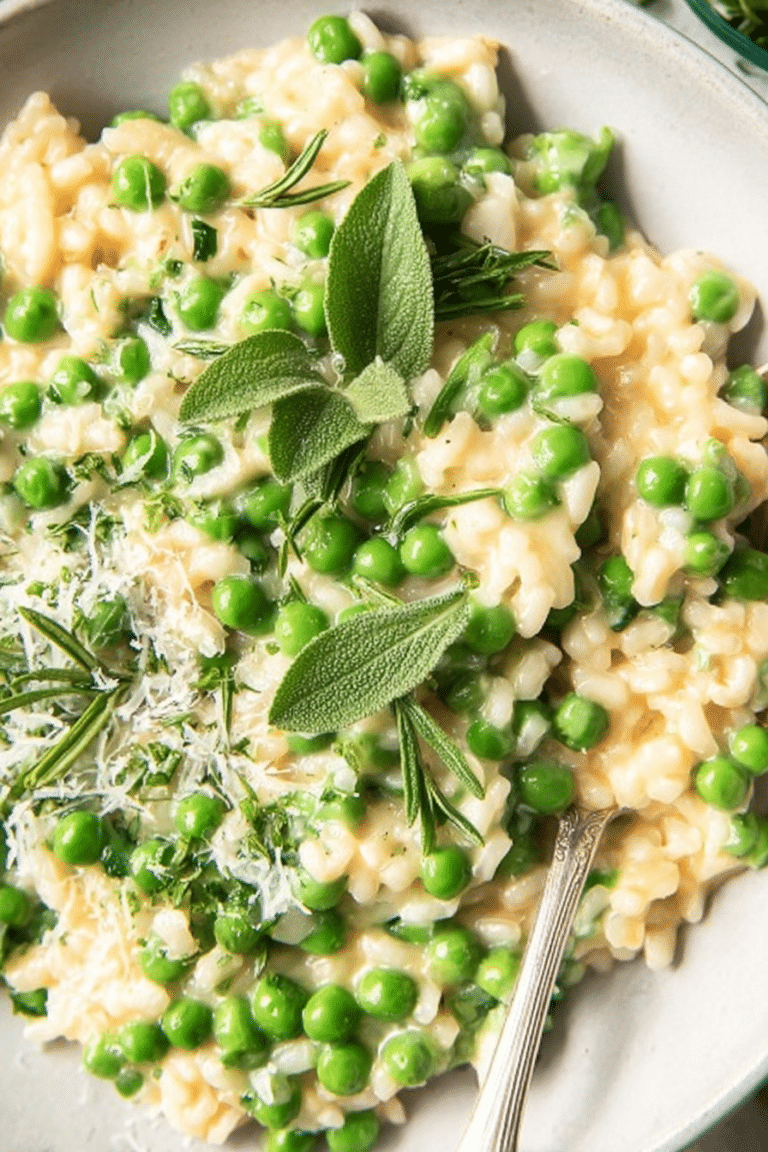
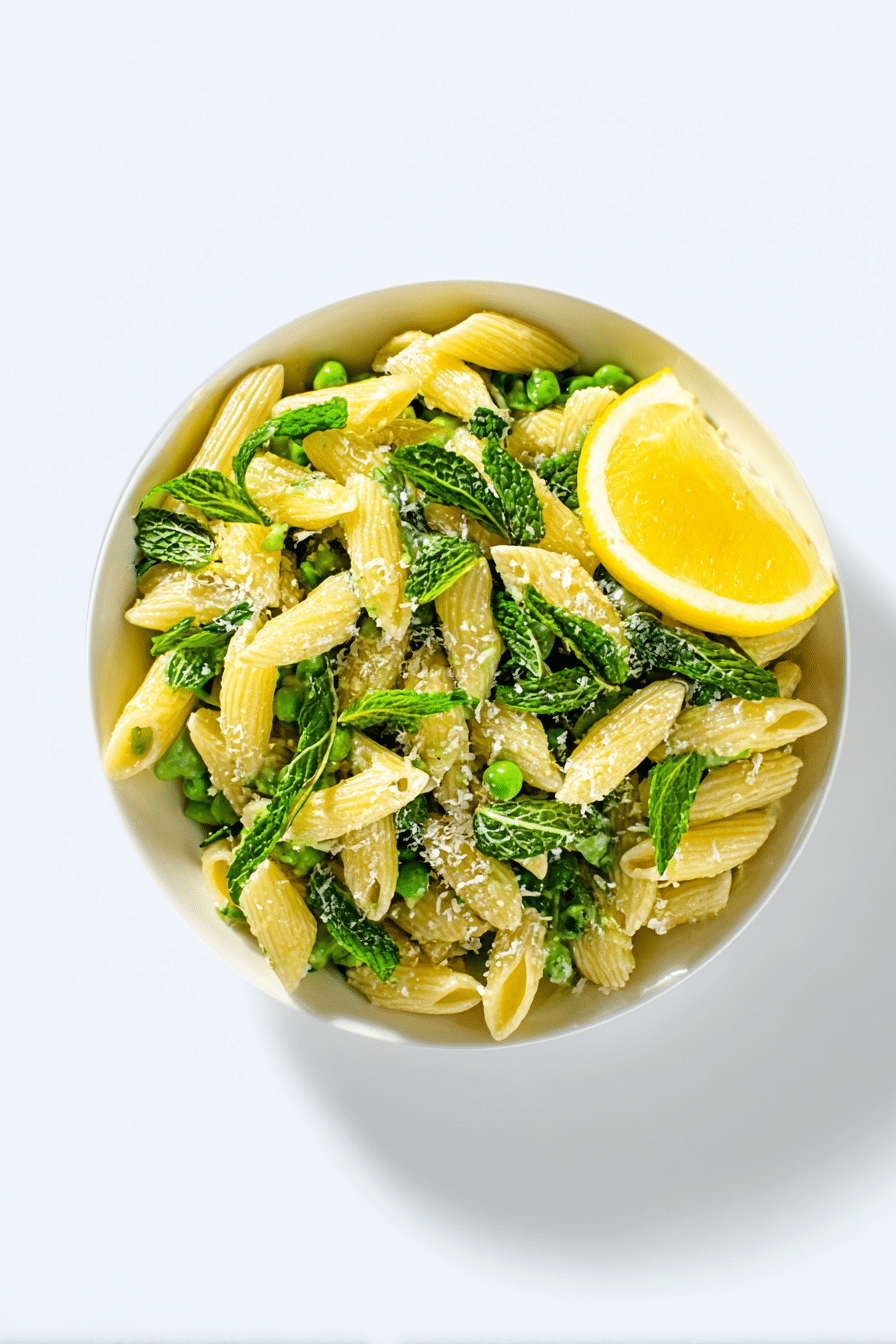
Visually, the dish is appealing: vivid green peas and mint contrast against glossy, pale sauce, and a shower of grated cheese sparkles on top. Aromatically, bright lemon zest and fresh mint cut through the cream for a lively finish that keeps the plate from feeling heavy.
Everything You Need for Creamy One-Pot Pasta with Peas and Mint
Below I list the key players and why each matters. I use conversational notes rather than measurements so you can scale to your appetite.
- Kosher salt – Brings out flavor in the water and the final dish; don’t be shy when salting your pasta water.
- Frozen peas – Convenience and sweetness; they maintain color and bite after a quick simmer.
- Pasta (medium shells recommended) – The shape traps the sauce and peas; swap shapes based on what you have.
- Fresh mint – Adds bright herbal lift; chop most into the sauce and reserve some leaves for garnish.
- Garlic – Use fresh garlic for aromatic depth; grate finely so it integrates into the sauce.
- Lemon (zest and wedges) – Zest for the sauce and wedges for finishing; the acid brightens the cream.
- Heavy cream – Provides the stable richness that emulsifies with pasta water to make a silky sauce.
- Good-quality extra-virgin olive oil – A little added for flavor and a finishing drizzle.
- Grated Parmesan – Adds savory saltiness and helps thicken the sauce as it melts.
- Black pepper – Freshly cracked for a little bite.
If you love peas and mint, you should definitely check out our pea pasta with mint truffle lemon recipe for another fantastic twist!
The Secret to Perfect Creaminess (and How to Avoid Curdling)
Getting the sauce to be velvety without breaking is about temperature, timing, and technique. Here are the practical points I use in my kitchen:
- Use a stable dairy: heavy cream stands up to heat and emulsifies with starchy water; if you choose a lighter option, be ready for a thinner finish.
- Don’t add cream to an aggressively boiling pot—lower the heat so it warms gently and melds with the hot pasta instead of separating.
- Toss vigorously off-heat: hot pasta melting the cheese, aided by a splash of pasta water, is what creates a glossy emulsion.
Troubleshooting (things I’ve learned by doing this often):
- If your sauce looks grainy, remove the pot from heat and stir in reserved hot pasta water a little at a time until it smooths out.
- If it’s too thin, let it rest off heat—carryover warmth and the cheese will thicken it slightly; you can also stir in a touch more grated cheese.
- If cream begins to separate, immediately reduce the heat and whisk in pasta water; aggressive boiling is usually the culprit.
Why Pasta Shape and Timing Matter for the Best Texture
Pasta shape and precise timing determine how the sauce clings and how each bite balances tender pasta with pops of pea. Here’s what to keep in mind:
- Medium shells are ideal because their cups collect sauce and peas—every bite can have a little of everything.
- Cook the pasta to al dente. You want it slightly firm so it holds texture after you toss it with the warm sauce.
- Stagger steps: blanch peas first, then cook pasta so the peas remain bright and don’t over-soften while you finish the sauce.
Imagine biting through a shell that yields to a creamy coating, then a burst of sweet pea and a flash of mint—that’s the texture goal.
How to Make Creamy One-Pot Pasta with Peas and Mint (Step-by-Step)
- Bring a large pot of water to a strong simmer and salt it well; you want the water to season the pasta from the inside out.
- Add frozen peas and cook until they float and are tender; scoop them into a bowl letting water drain back into the pot.
- Return the pot to a boil and add your pasta, stirring occasionally to prevent sticking; cook until just al dente.
- While the pasta cooks, chop most of the mint and zest the lemon; grate the garlic so it disperses evenly.
- Combine the warm peas with chopped mint, grated garlic, lemon zest, cream, oil, and some grated cheese; mash lightly with a potato masher so the mixture is part-smooth, part-pea.
- When the pasta is done, use a spider or slotted spoon to transfer it (some cooking water is fine) into the pea mixture; toss vigorously so the hot pasta melts the cheese and thickens into a sauce.
- Taste and adjust with salt and pepper, divide into bowls, top with more cheese and reserved mint, and finish with an oil drizzle and lemon wedges for squeezing.
Keep basic tools within reach—spider/skimmer, potato masher, microplane—and you’ll move smoothly between steps. For another simple one-pot option, check out our creamy chicken and orzo skillet.
Pro Tip for creamy one-pot pasta with peas and mint: Reserve hot pasta water to bind the sauce
Starchy pasta water is your best tool for turning loose cream and cheese into a silky emulsion. Here’s how I use it and what to look for:
- Measure and reserve about a cup of the pasta cooking water before you drain or transfer pasta.
- Add hot pasta water gradually while tossing; the starch helps the sauce cling to each piece of pasta without making it heavy.
- Correct consistency cues: the sauce should coat the back of a spoon and cling to shells without pooling at the bottom of the bowl.
- If you prefer a tomato-based finish, our creamy tomato pasta uses the same starchy-water trick for a different flavor profile.
How to Store, Reheat, and Repurpose Leftovers
Leftovers are common and worth rescuing thoughtfully so the creaminess holds up. Here’s my approach:
- Refrigerate in an airtight container within two hours of cooking to keep peas bright and Parmesan fresh.
- Reheat gently on the stovetop over low heat, stirring frequently and adding a splash of reserved pasta water or a little cream to restore silkiness.
- Freeze only if necessary; cream-based dishes can change texture after freezing, so thaw slowly and re-emulsify with warm pasta water.
- Repurpose ideas: fold warmed pasta into a warm salad with grilled vegetables, or serve warmed as a side alongside roasted proteins for a quick weeknight plate.
Easy Variations and Protein Add-Ins for More Filling Dinners
To make the dish heartier or suit dietary needs, I often switch things up. These are reliably quick and tasty:
- Grilled chicken or shrimp – Add already-cooked slices on top for a protein boost and quick plating. For a creamier meat pairing, try it with creamy garlic chicken.
- Chickpeas or white beans – Stir in canned, rinsed beans for vegetarian protein that blends into the sauce.
- Seasonal vegetables – Toss in blanched asparagus or a handful of baby spinach at the end for more color and nutrients.
- Vegan swap – Use a plant-based cream and nutritional yeast for a cheesy flavor; note the texture will be slightly different but still satisfying.
- Gluten-free option – Use your preferred gluten-free pasta; timing may change slightly, so watch for al dente texture.
Frequently Asked Questions
Can I use fresh peas instead of frozen peas?
Yes, you can use fresh peas! Just remember to cook them for a shorter time, about 1–2 minutes, until tender.
What can I substitute for heavy cream?
You can use half-and-half or a plant-based cream for a lighter version, though it may affect the creaminess of the sauce.
How do I reheat leftovers without losing creaminess?
Reheat the pasta gently on the stovetop over low heat, adding a splash of pasta water to help restore the creamy texture.
Can I add protein to this dish?
Absolutely! Grilled chicken, shrimp, or even canned chickpeas are great additions to make it more filling.
What type of pasta works best for this recipe?
Medium shell pasta is recommended for its ability to hold the sauce, but you can substitute with any pasta shape you prefer.
Creamy One-Pot Pasta with Peas and Mint
Ingredients
Method
- Bring a large pot filled with water to a boil over high heat. When water starts to steam, add a palmful of salt.
- When water has reached a rolling boil, add 10 oz. frozen peas. Cook until peas start to float and are tender, about 3 minutes. Using a spider or slotted spoon, transfer peas to a large bowl, allowing water to drain back into pot.
- Bring water back to a boil and add 1 lb. pasta shells, stirring once or twice with a wooden spoon to prevent sticking. Cook according to package instructions until pasta is tender but still al dente.
- While pasta is cooking, assemble your pea mixture. Start by setting aside about ¼ cup mint leaves for serving; finely chop remaining ¼ cup mint. Add chopped mint to bowl with peas.
- Using a microplane, finely grate 1 garlic clove and zest of 1 lemon into bowl with pea mixture. Reserve zested lemon for serving.
- Add ½ cup cream, 2 Tbsp. oil, and ½ cup cheese to bowl with pea mixture and mash with a potato masher to break up peas.
- When pasta is finished cooking, transfer to bowl with peas using a spider. Season mixture generously with pepper and more salt, if needed, and toss vigorously to combine.
- Divide pasta among bowls. Top with remaining cheese and reserved mint. Drizzle with oil. Cut reserved lemon into wedges and serve alongside.