

I make this creamy tomato pasta on the nights when time is short and everyone has an opinion about what should be on the table. It’s the recipe I reach for when there’s a stack of school papers on the counter, a meeting to join after dinner, or when I just want something comforting that doesn’t mean standing over the stove for ages.
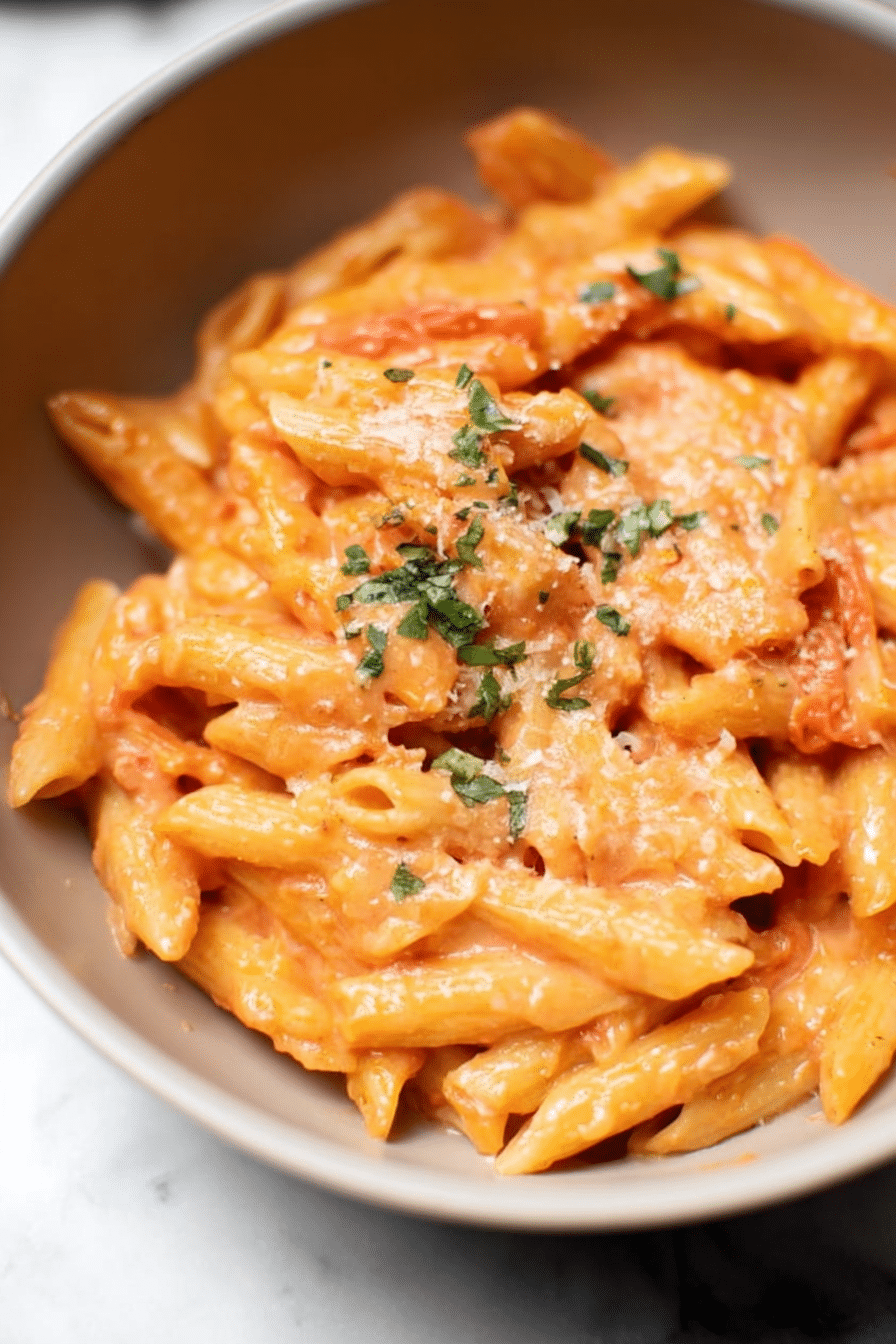
On those nights the kitchen smells like garlic and warmed tomatoes within minutes — that warm, familiar scent that makes everyone slow down. I’ve learned small timing tricks that keep the sauce silky instead of thin, and a couple of short-cuts so you don’t have to babysit the pan. This is comfort that feels effortless.
It’s also incredibly forgiving: pantry staples become a restaurant-style weeknight dinner when you balance the acidity, season confidently, and finish with a splash of hot pasta water. Below I’ll walk you through what I keep on hand, the little technical details that matter, and quick swaps for dietary needs so you can make it your own.
Why This Creamy Tomato Pasta Works for Busy Weeknights
This recipe shines for busy families because it genuinely cooks fast and uses ingredients you probably already have. I’m practical about dinner: I want something that tastes like I took time without actually taking that time. That balance is what makes this a weeknight hero.
- Quick prep and short cook time mean dinner in about 25 minutes, which is perfect when you’re juggling work or homework.
- Everyday pantry ingredients keep planning minimal — you rarely need a grocery run just for this dish.
- One-pan sauce (plus a pot for pasta) keeps cleanup light so you can get back to the rest of your evening faster.
Sensory note: while it simmers you’ll notice the garlic perfume join the warm tomato aroma — that smell alone sells the meal to picky eaters in my house.
Everything You Need for Creamy Tomato Pasta
Below I break down the role of each ingredient so you know what to prioritize and what you can swap in a pinch. When I say “use fresh” I mean it pays off in flavor, but dried works fine if that’s what you’ve got.
- Dry pasta – The base that soaks up the sauce; choose a shape with nooks if you want more sauce clinging to each bite.
- Butter – Gives the sauce a glossy mouthfeel and helps sauté aromatics; a neutral oil can replace it if needed.
- Garlic – Fresh minced garlic brightens the sauce; avoid over-browning to keep the flavor clean.
- Tomato paste – Adds depth and concentrated tomato flavor; it’s the backbone that keeps the sauce from tasting thin.
- Tomato sauce – The liquid tomato body; use a simple, good-quality one for the best flavor.
- Heavy cream (or sub) – Brings silk and richness; see substitutions below for dairy-free options.
- Italian seasoning – A quick way to add herb notes; fresh basil swapped in at the end gives a brighter finish.
- Salt & pepper – Season early and taste as you go; salt is the simplest way to coax flavors forward.
- Parmesan – Finishing cheese adds umami and a slightly salty lift; a good-quality grate makes a difference.
If you need a side that’s friendly to dietary restrictions, try our vegetarian stuffed peppers for a versatile accompaniment that works with many swaps.
The Secret to a Silky, Not Watery Tomato Cream Sauce
There’s a small set of actions that separate a thin sauce from one that feels luxurious. I focus on temperature control, concentrated tomato flavor, and building emulsification.
- Start by gently melting butter, then add garlic; keeping the heat moderate prevents the butter from browning and lets the garlic perfume the fat without turning bitter.
- Add tomato paste and cook briefly until it darkens slightly — that short caramelization concentrates sweetness and reduces raw tang.
- Stir in tomato sauce and let it reduce a touch over medium-low heat so water evaporates and flavor concentrates; watch for a gentle, even simmer.
- Add cream off-high heat and stir until smooth; too high a heat can break the emulsion and make the sauce separate.
- Adjust thickness with hot pasta water or a reduction — small additions of hot pasta water help the sauce bind instead of just thinning it out.
Look for a glossy surface and a sauce that coats the back of a spoon — that’s the texture you want when you toss with pasta.
How Hot Pasta Water Pulls the Sauce Together
The trick isn’t magic; it’s starch. The water clinging to freshly drained pasta contains starch that helps the sauce cling and emulsify.
- Reserve a cup of the cooking water before you drain so you have it on hand for finishing.
- Add a splash of the hot pasta water to the sauce while it’s still warm, then toss the pasta in — the starch creates a silky, bound sauce.
- If the sauce loosens too much, simmer briefly to reduce; if it’s too thick, add another splash of hot pasta water gradually until it hits the right consistency.
- Timing matters: add the pasta to the sauce while both are hot so the starch is active and the emulsion forms quickly.
Quick Fresh Additions That Make It Taste Restaurant-Quality
These are small, fast moves I use when I want the dish to feel special without extra effort. I often keep several of these on hand and let whoever’s at the table customize their bowl.
- Fresh basil chiffonade stirred in just before serving for an aromatic, peppery brightness.
- A handful of baby spinach or wilted greens tossed into the sauce for color and texture — it wilts in a minute.
- Cracked red pepper flakes for a gentle heat that plays well with the cream.
- Generous freshly grated parmesan or pecorino for a savory finish; a microplane makes quick work of this.
- Sautéed mushrooms or caramelized onions if you want more savory depth — readers in the comments often add pan-fried chicken or sautéed sausage for protein.
How to Make Creamy Tomato Pasta (Step-by-Step)
Here’s the simple sequence I follow every time. I keep the steps short so you can move quickly without losing control of the sauce.
- Bring a large pot of well-salted water to a boil and add your pasta; cook until just al dente according to the package — it will finish cooking in the sauce if needed.
- While the pasta cooks, melt butter in a skillet over medium heat and add minced garlic; sauté briefly until fragrant, taking care not to brown the garlic.
- Add tomato paste to the pan and cook briefly to deepen its flavor, then stir in tomato sauce and Italian seasoning and bring to a gentle simmer.
- Lower the heat and stir in cream until the sauce is smooth; taste and season with salt, pepper, and a pinch of sugar if it tastes too acidic.
- Drain the pasta, reserving some hot pasta water. Add pasta to the sauce and toss, adding small splashes of pasta water until the sauce coheres and coats each strand or piece.
- Serve immediately with plenty of grated parmesan and fresh herbs if you have them — taste once more and adjust seasoning before plating.
Pro-Tips
- Salt your pasta water generously — it’s the easiest way to season the whole dish.
- Don’t overheat the cream; gentle heat keeps the sauce smooth and prevents separation.
- Use freshly grated cheese rather than pre-grated for better melt and flavor.
Troubleshooting
- If the sauce is too thin: simmer a little longer or add more tomato paste, then adjust cream and seasoning.
- If the sauce separates: lower the heat, add a splash of pasta water, and whisk gently to bring it back together.
- If the sauce tastes flat: add salt in small amounts and a squeeze of bright acidity (lemon or a tiny pinch of sugar) to balance.
Variations
- Stir in cooked shrimp or rotisserie chicken for a quick protein boost.
- Add roasted vegetables like bell peppers or eggplant for a heartier vegetarian version.
- Mix in pesto or sun-dried tomato for a different herb and tomato profile.
Pro Tip for Creamy Tomato Pasta: Dairy-Free and Gluten-Free Swaps
When a family member needs a swap, I keep a couple of simple stand-ins that maintain texture and flavor without a lot of fuss.
- Cashew cream (soaked and blended cashews) or a thick, unsweetened coconut cream works well in place of heavy cream for a dairy-free version; expect a slightly different flavor profile with coconut.
- Use a high-quality gluten-free pasta that holds its shape — rice-blend or lentil-based pastas often perform best in saucier dishes.
- For a lower-dairy approach, you can use a mix of milk and a tablespoon of butter alternative to keep richness while reducing total dairy.
- If you’re looking for a delicious side that accommodates dietary restrictions, try our vegetarian stuffed peppers.
How to Store, Meal Prep, and Reheat Creamy Tomato Pasta
Leftovers are convenient if you plan ahead; here’s how I keep the texture and flavor close to fresh.
- Cool the pasta slightly before sealing it in an airtight container so condensation doesn’t make it watery.
- Store in the refrigerator for up to three days; for longer storage, separate the pasta and sauce and freeze the sauce only.
- To reheat, warm gently on the stove with a splash of water, broth, or milk to loosen the sauce and recreate the original silkiness.
- For meal prep: cook pasta slightly under al dente, toss with a little oil to prevent sticking, store separately from sauce, and combine when reheating.
Suggestions for Side Dishes or Pairings that Complement the Pasta
A simple side can round out the meal and make it feel more complete without adding much prep time. I rotate a few favorites depending on how much time I have.
- Bright green salad — arugula or mixed greens with a lemony vinaigrette cuts through the creaminess and refreshes the palate.
- Garlic bread or a crusty loaf to sop up the sauce; keep it warm in the oven while you finish the pasta.
- Lightly sautéed or roasted vegetables like asparagus or green beans bring color and texture to the plate.
- Pair the pasta with a bowl of creamy shrimp and corn soup for a heartier menu addition: creamy shrimp and corn soup.
- For protein-forward pairings that stay quick, try serving alongside garlic butter salmon: garlic butter salmon, or add braised veal and peppers for a more robust meal: braised veal and peppers.
Frequently Asked Questions
How long does it take to make creamy tomato pasta? This recipe comes together in just 25 minutes, making it perfect for busy weeknights!
Can I use a different type of pasta? Absolutely! You can use any pasta shape you prefer or have on hand, such as penne, fusilli, or spaghetti.
Is there a dairy-free version of this recipe? Yes! You can substitute the heavy cream with coconut cream or a dairy-free alternative to make it dairy-free.
What can I add to enhance the flavor? Fresh basil, a sprinkle of red pepper flakes, or sautéed vegetables like spinach or mushrooms can elevate the flavor of your dish!
How should I store leftovers? Store any leftovers in an airtight container in the fridge for up to 3 days. To reheat, add a splash of water or broth to loosen the sauce.
Creamy Tomato Pasta
Ingredients
Method
- Boil a large, salted pot of water for your pasta and cook it al dente according to package instructions.
- Meanwhile (once the pasta starts to cook), add the butter to a skillet over medium-high heat. Once it melts, add the garlic and sauté for about a minute, stirring constantly.
- Add in the tomato paste, tomato sauce, cream, and Italian seasoning. Stir until it's nice and smooth. Let the sauce cook for about 5 minutes or until it's thickened to your liking (it should be very gently bubbling, so you may need to turn down the heat).
- Season the sauce with salt & pepper as needed (I'm pretty generous with both). If the sauce is a little too acidic/tangy for your liking, add in a pinch of sugar.
- Drain the pasta and toss with the sauce (add a splash of hot pasta water if the sauce gets too thick). Serve immediately with plenty of parmesan cheese over top.