Poolside RecipeLunch
Easy 10 Minute Healthy Tzatziki Sauce – A Perfect Dip for Veggies and Chips
- Prep
- 10 min
- Total
- 10 min
- Serves
- 2
- Calories
- 66 kcal
- Protein
- 4.70 g
- Carbs
- 5.80 g
- Fat
- 3.30 g
Introduction
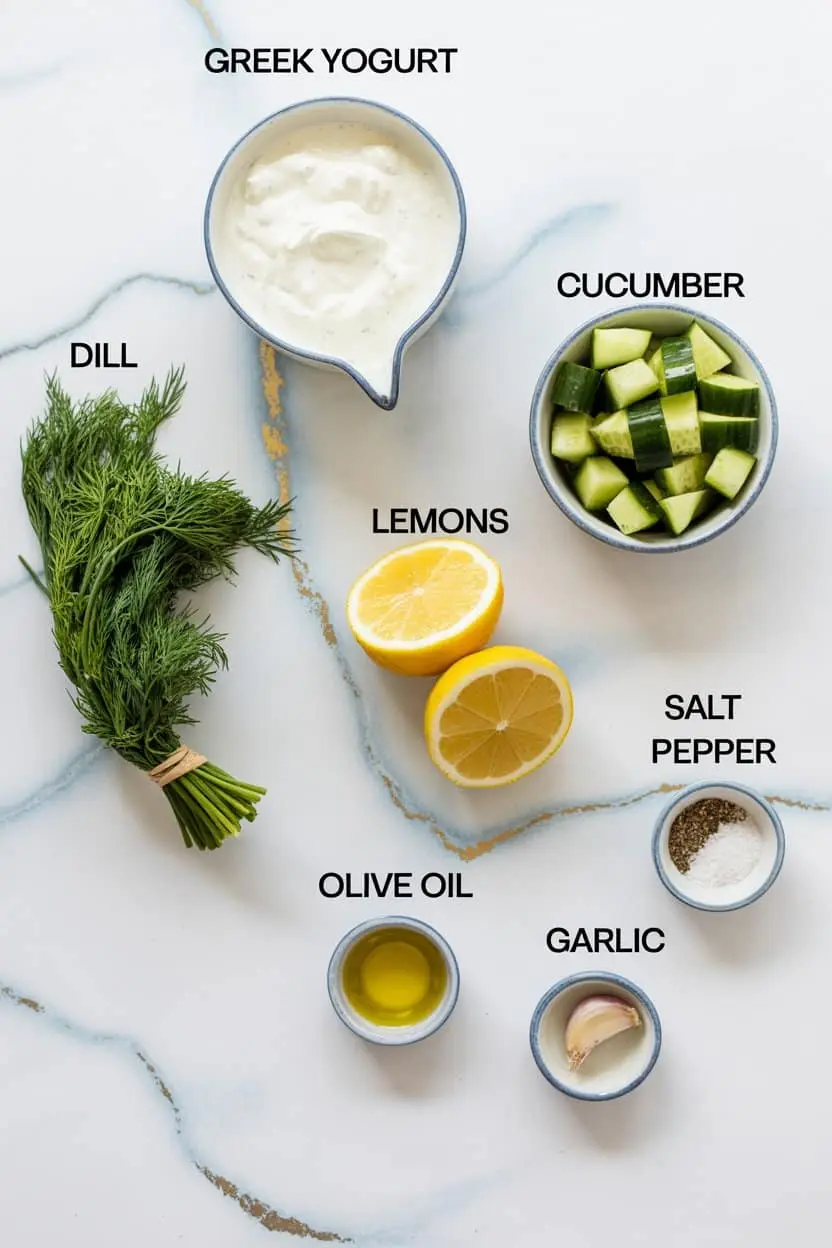
There’s a reason I keep a jar of tzatziki in my fridge most weeks: cold, tangy, and herb-scented, it brightens everything from a rushed weeknight wrap to a relaxed weekend platter. Tzatziki is a classic Greek sauce that’s deceptively simple—thick yogurt, cucumber, garlic, lemon, olive oil, and fresh herbs—yet it’s a little magic when you get the balance right. In my kitchen I’ve used it as a dip, a salad dressing, and what I’ll call the ultimate quick sauce for grilled meats. It really only takes about ten minutes if you have your tools at hand, and the result is creamy, cool, and slightly tangy with a fresh, green perfume from dill.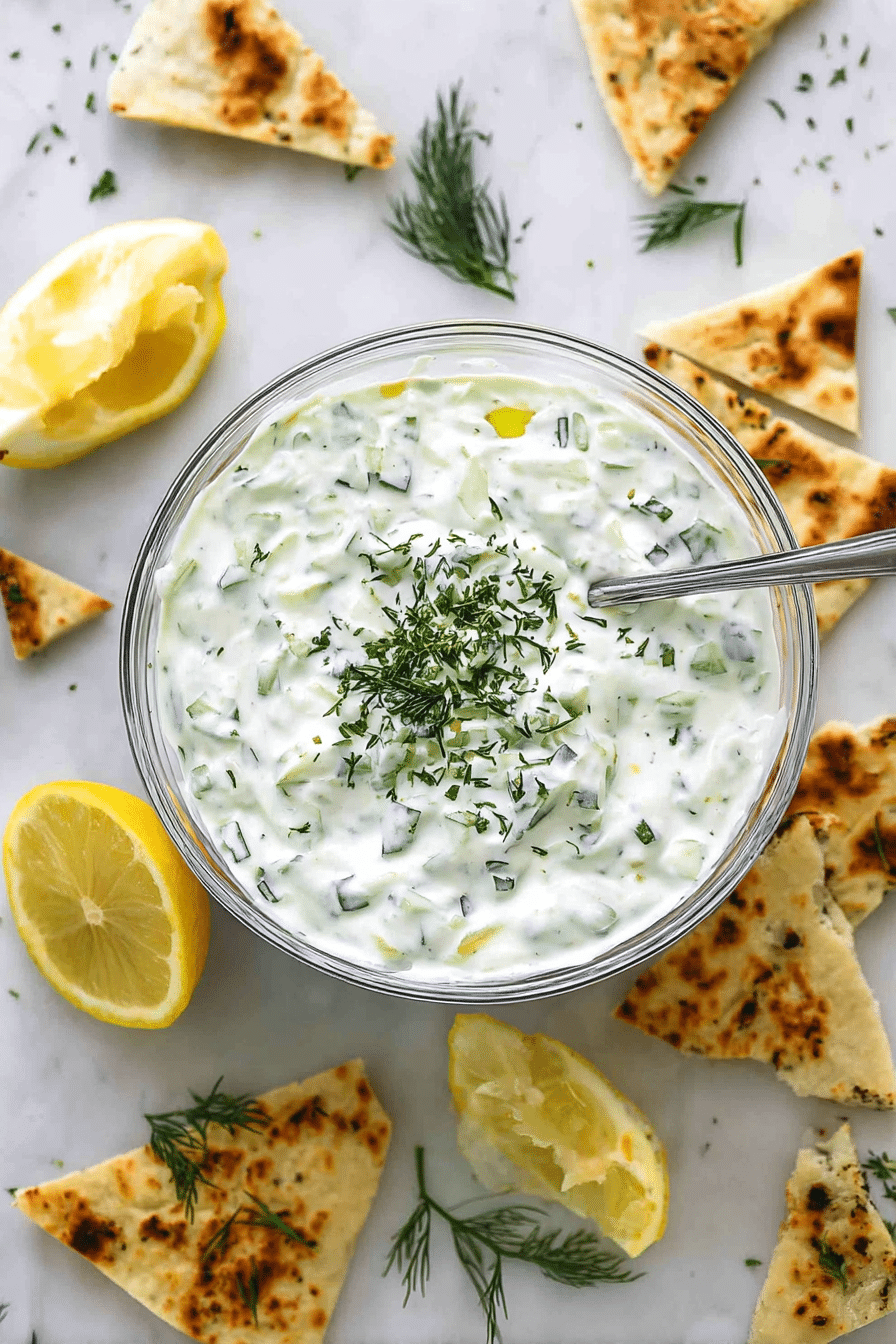
Ingredients for Easy Tzatziki Sauce
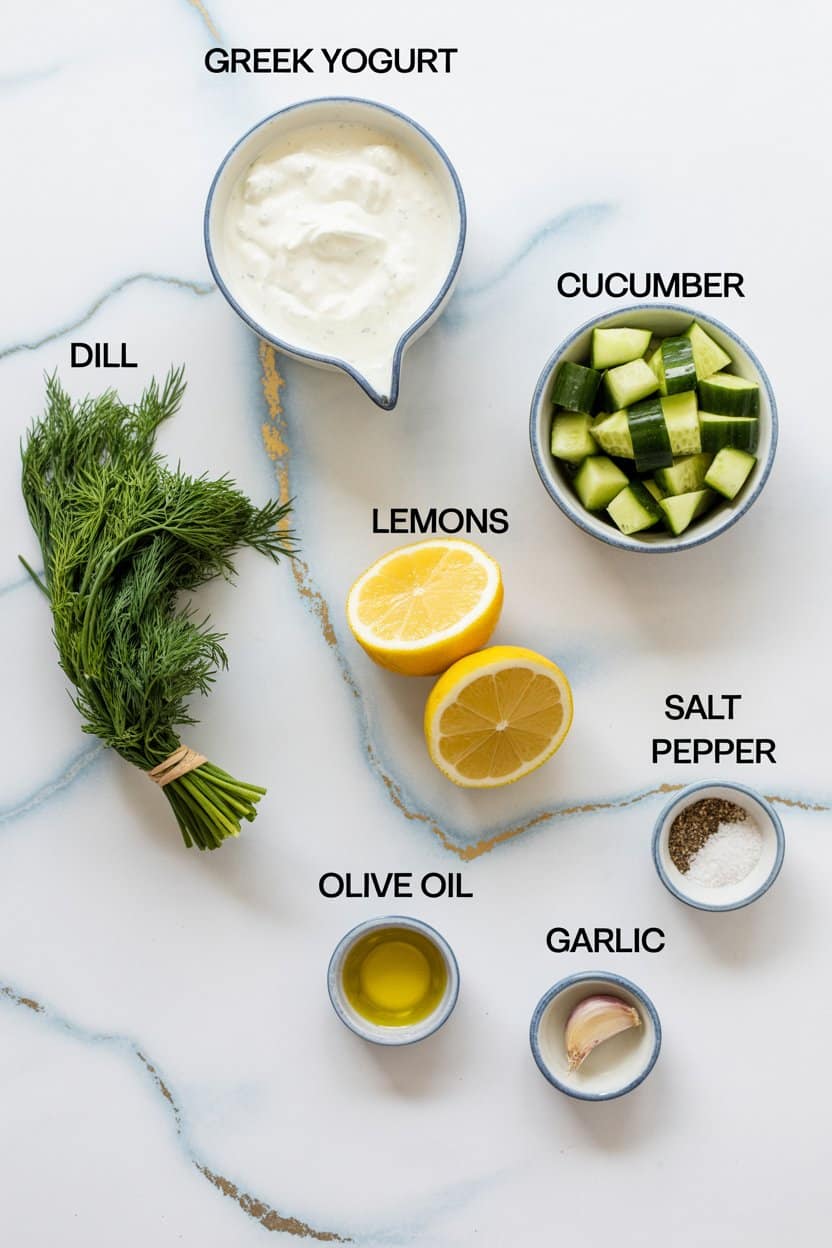
- Greek yogurt – the creamy base; choose thick, strained yogurt for body and tang.
- Cucumber – provides crunch and freshness; drain or squeeze out excess water so the sauce stays thick.
- Garlic – gives savory bite; adjust amount to taste or mince and let sit briefly to mellow.
- Olive oil – adds silkiness and a mellow fruity note; a drizzle at the end brightens the mouthfeel.
- Lemon juice – supplies acidity and lifts the flavors; fresh is best for brightness.
- Lemon zest – concentrated lemon perfume; small amounts make a big difference.
- Fresh dill – the traditional herb here; fragrant and slightly sweet, it’s the classic pairing.
- Salt & pepper – essential for balance; salt especially brings out the yogurt’s tang and the cucumber’s sweetness.
Step-by-Step Instructions for easy 10 minute healthy tzatziki sauce
Prep time: 10 minutes. Total time: about 10 minutes. Yield: about 2 cups.- Prep the cucumber: Dice about half an English cucumber (you should end up with roughly two thirds of a cup) or grate it for a smoother texture. Put the diced or grated cucumber into a fine mesh sieve or strainer, sprinkle lightly with salt, and let it sit for a few minutes to draw out moisture. I usually walk away to chop the garlic and dill during this time — it’s an easy efficiency trick.
- Remove excess moisture: After salting, press the cucumber with the back of a spoon or wring it in a clean dish towel or paper towel. If you skip this, the tzatziki becomes watery. I learned this the hard way: the first batch I brought to a picnic we had a runny puddle of deliciousness in the container. Now I always squeeze it dry.
- Combine base ingredients: In a medium bowl add 1 cup plain Greek yogurt, the drained cucumber, 2 teaspoons of olive oil, 3 tablespoons fresh lemon juice, 1 tablespoon lemon zest, about 1 tablespoon minced garlic (roughly 1 clove), 1/4 cup chopped fresh dill, 1/2 teaspoon kosher salt, and 1/4 teaspoon ground black pepper.
- Mix and taste: Stir until the mixture is smooth and creamy. Immediately taste for balance — the flavors should be bright but not sharp. If it tastes flat, add a pinch more salt (salt brings out flavor more than sugar does). If it’s too acidic, a touch more yogurt softens the bite; too garlicky, add more yogurt and dill. Remember that flavors mellow in the fridge.
- Finish and chill briefly: I like to top with an extra drizzle of olive oil and a little snip of dill for the final presentation. While tzatziki is perfectly fine right away, chilling it for 20–30 minutes lets the flavors meld and the garlic calm down a touch. The sauce also thickens slightly as it cools.
- Serve: Spoon cold onto a board with pita chips, raw vegetables, or dollop on grilled meats. It’s a bright counterpoint to rich or smoky flavors. This recipe yields about 2 cups — enough for a small gathering or several meals as a condiment.
Health Benefits of Yogurt and Cucumbers
Tzatziki isn’t just delicious; it’s a sensible choice when you want flavor and nutrition. Greek yogurt is high in protein, which helps you feel satisfied and supports muscle repair. The live cultures in yogurt—probiotics—can aid digestion and support a healthy gut ecosystem. Greek yogurt is also a source of calcium and B vitamins. Cucumbers bring hydration and low-calorie volume. They’re mostly water but contribute small amounts of vitamins K and C, as well as potassium. Paired with olive oil, which contains heart-healthy monounsaturated fats and antioxidants, the sauce offers a good balance of macro- and micronutrients for a condiment. Using fresh herbs like dill adds trace vitamins and powerful aromatic compounds without adding calories.Variations for Dietary Restrictions
I often adapt this base depending on what’s in the fridge or dietary needs. Here are tested swaps that actually work.- • Dairy-free – use an unsweetened, thick coconut yogurt or homemade cashew yogurt. Note: flavor will be more coconutty or nutty, and texture can be slightly different; add more lemon to brighten.
- • Keto-friendly – use full-fat Greek yogurt or strained labneh (or a mix of Greek yogurt and a spoonful of sour cream) to keep carbs low and mouthfeel rich.
- • Garlic-sensitive – simmer minced garlic briefly in a little olive oil, cool, and use the oil plus the softened garlic for gentler flavor; or reduce garlic to a half teaspoon.
- • Herb variations – swap mint for dill for a cooler, brighter profile — mint pairs especially well with lamb and summer salads.
Meal Prep and Storage Tips
I make a double batch most Sundays and keep tzatziki on hand for quick lunches or to spoon over leftovers. Store it in an airtight container in the refrigerator — it keeps well for about 3–5 days. I don’t recommend freezing tzatziki: thawing makes the yogurt separate and the texture becomes watery. If your tzatziki sits for a day, stir it before serving; flavors will have melded and the sauce may taste more rounded and less sharp. If you want to make it ahead for a party, prepare everything and keep the cucumber and yogurt mix separate until a few hours before serving; toss them together and finish with olive oil and a fresh sprinkle of dill to keep the herbs bright. For travel, pack in a small cooler — it’s a great addition to picnic boxes and holds up well if kept cold.Serving Suggestions
Tzatziki is a chameleon. I spoon it on top of warm grilled lamb or chicken, smear it inside flatbreads, or set it on a mezze board with olives, roasted peppers, and crusty bread. It’s also one of my go-to healthy dips for raw vegetables — crisp carrots, radish rounds, and cucumber spears look and taste great against the white sauce. For a classic pairing, serve tzatziki with warm Turkish bazlama flatbread for dipping. Try tzatziki as a dip alongside our Mediterranean spinach and feta crisps for a savory, shareable snack. Use tzatziki as a creamy spread inside warm homemade tortillas to make quick, flavorful wraps. Tzatziki pairs beautifully with grilled meats — spoon it over lemon garlic chicken bites for a bright, refreshing finish. Serving cues: a little goes a long way — a tablespoon per sandwich or 2–3 tablespoons as a dip is usually plenty. If you’re plating for guests, drizzle a little olive oil on top and add a few sprigs of dill to make it look fresh and inviting.Cultural Significance of Tzatziki
Tzatziki is rooted in Greek and broader Mediterranean cuisines, where yogurt-based sauces and dips are common. In Greece, tzatziki accompanies grilled meats, is part of meze spreads, and appears on family tables during gatherings. It’s emblematic of the region’s love for fresh, simple ingredients that enhance rather than overpower the main elements of a dish. At its heart, tzatziki is about communal eating. In my experience, it’s a sauce that invites passing plates and shared bites — spoon it into the center of a table and watch it disappear as people tear off warm bread and dunk. That communal aspect is part of why I keep it in rotation: it’s both comforting and sociable.Conclusion and Final Thoughts
Making this easy 10 minute healthy tzatziki sauce at home is one of those small kitchen wins that pays off all week. It’s flexible, forgiving, and fast, and with a few simple techniques — drain your cucumber, pick a good yogurt, and taste as you go — you’ll end up with a sauce that’s bright, creamy, and full of personality. Tzatziki elevates simple meals, helps you eat more vegetables, and adds a Mediterranean freshness to heavier plates. Try the recipe, adapt the garlic and herbs to your taste, and remember: it’ll taste even better the next day. Keep it chilled, stir before serving, and enjoy the way a simple bowl of yogurt and herbs can tie a meal together.FAQ
How do I make this healthy tzatziki in 10 minutes? Drain the diced cucumber (see tip below), then mix 1 cup plain Greek yogurt, the cucumber, 2 tsp olive oil, 3 tbsp fresh lemon juice, 1 tbsp lemon zest, 1 tbsp minced garlic, 1/4 cup chopped fresh dill, 1/2 tsp kosher salt, and 1/4 tsp black pepper until creamy. Chill briefly if desired — recipe yields about 2 cups and takes ~10 minutes to prepare. What's the secret to great tzatziki? Use thick Greek yogurt (full-fat gives the creamiest texture), remove excess cucumber moisture, and balance acidity with fresh lemon juice (or a splash of vinegar). Fresh herbs (dill or mint) and just the right amount of garlic finish the flavor. Can I make tzatziki ahead and how long will it keep? Yes — it’s great for meal prep. Store in an airtight container in the fridge for about 3–5 days. Stir before serving; flavors meld over time. Freezing is not recommended because the texture becomes watery after thawing. Can I make this dairy-free or keto-friendly? Dairy-free: use an unsweetened, thick coconut or cashew yogurt (flavor will differ). Keto: use full-fat Greek yogurt or strained labneh/sour cream to keep carbs low and fat higher. Adjust lemon and herbs to taste. How do I prevent watery tzatziki? Salt the diced cucumber and let it drain in a strainer for a few minutes, then pat or squeeze out excess moisture with a paper towel or cheesecloth. Alternatively, grate and tightly squeeze the cucumber before adding it to the yogurt. If you try this, tell me how you used it — on a wrap, as a dip, or over a skewer. I test these methods in my small home kitchen dozens of times and love hearing how readers adapt them in their own routines.Recipe Card
Easy 10 Minute Healthy Tzatziki Sauce – A Perfect Dip for Veggies and Chips
- Prep
- 10 min
- Total
- 10 min
- Serves
- 2
- Calories
- 66 kcal
- Protein
- 4.70 g
- Carbs
- 5.80 g
- Fat
- 3.30 g
Ingredients
- 1 cupplain Greek Yogurt (nonfat plain greek yogurt)
- 1/2 cupEnglish cucumber (seeds removed, diced into small pieces)
- 2 teaspoonsolive oil
- 3 tablespoonsfresh lemon juice
- 1 tablespoonfresh lemon zest
- 1 tablespoonminced garlic (about 1 clove)
- 1/4 cupfresh chopped dill
- 1/2 teaspoonkosher salt
- 1/4 teaspoonground black pepper
Instructions
- 1
Place the diced cucumber in a strainer over a bowl and sprinkle it with some salt. Let it sit for a few minutes to extract any excess moisture, then pat it lightly with a clean paper towel.
- 2
Then add the greek yogurt, cucumber, and the rest of the ingredients to a medium-sized bowl and mix it all together until it is combined into a creamy sauce.
- 3
Top with more fresh dill, some ground black pepper, and a drizzle of olive oil.
- 4
Serve cold with pita chips, naan, or fresh chopped veggies.
You might also like


Reviews
Be the first to review this.