The Easy Hot Cross Buns I Make Every Easter — Fast & Fluffy
- Prep
- 60 min
- Cook
- 20 min
- Total
- 90 min
- Serves
- 12
- Calories
- 326 kcal
- Carbs
- 58.00 g
Introduction
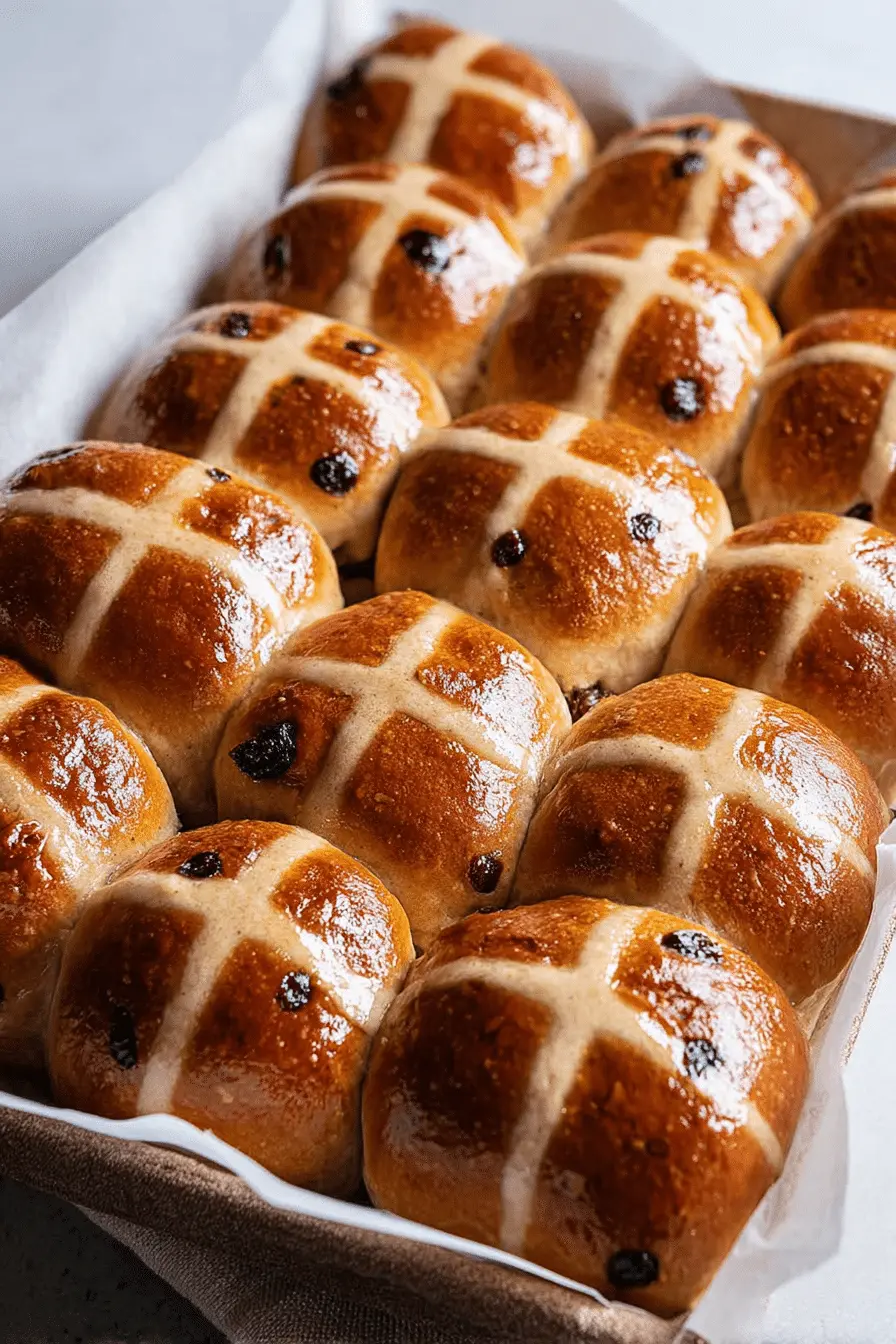
I make these hot cross buns whenever Easter morning needs something warm, spiced and totally comforting. They’re the kind of recipe I pull out when the house smells like cinnamon and orange peel and I want something that feels homemade without stealing my whole day. I’ll admit I’ve learned the hard way that temperature, a little patience and the right handling make all the difference.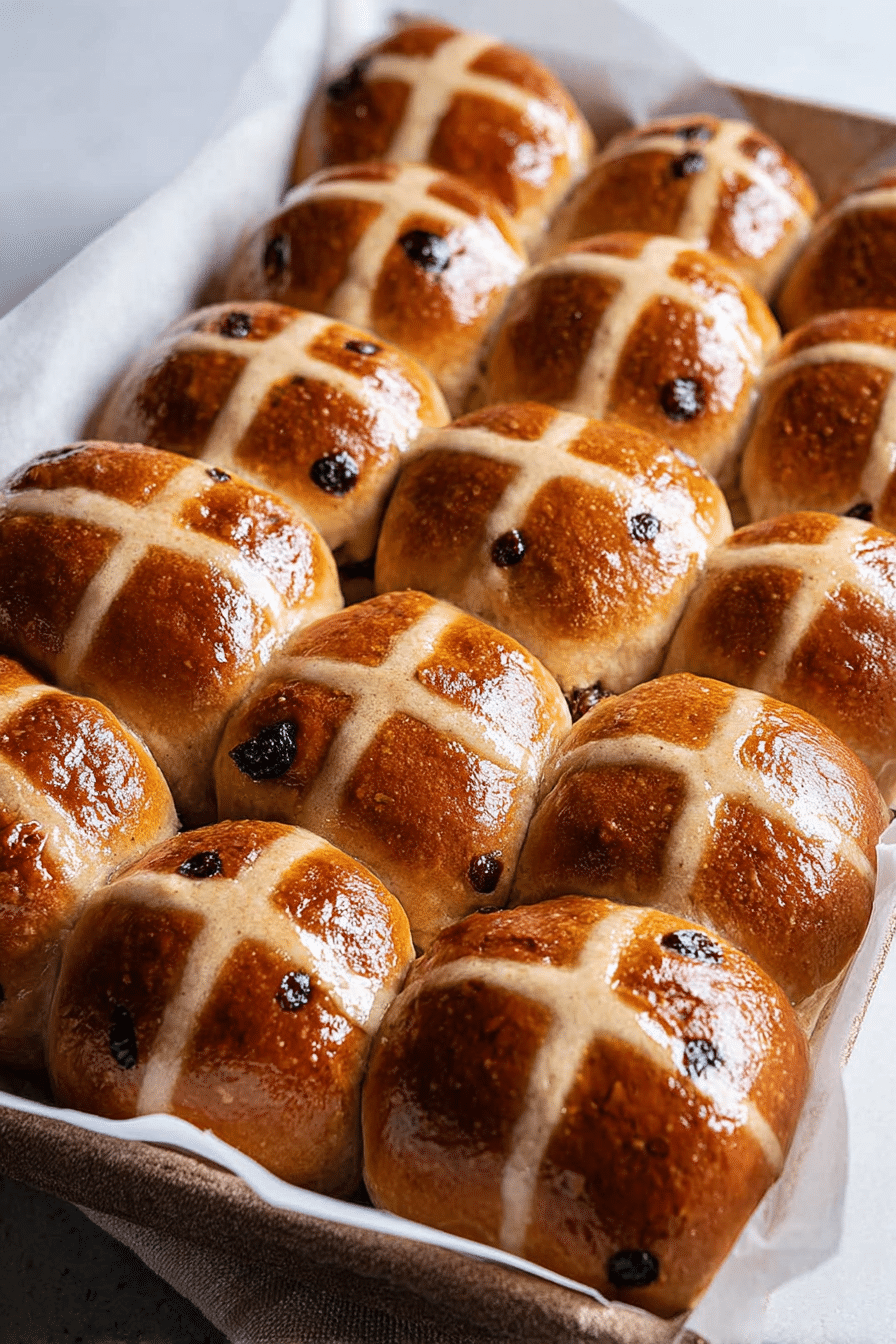
In my kitchen these buns are a quick win: they need no special skills, and the aroma of warm spices fills the house in minutes. If you’re short on time, you can prepare them the day before and finish the bake the next morning — perfect for busy holiday routines. For an extra festive touch, pair your hot cross buns with our delightful Easter cookies that are sure to bring joy to your holiday table.
I like recipes that encourage small adjustments: swap the dried fruit for chocolate chips, use a dairy-free milk, or add a little orange zest. Over the years I’ve learned which shortcuts don’t cost texture: gentle warmth while the dough rises, a confident but light knead, and a quick glaze straight from the oven. Those little choices keep the buns soft, glossy and pull-apart tender.
Below I’ll walk through what I keep on hand, how to treat the dough for best texture, easy dietary swaps, and the simple steps you’ll follow to bake a tray of buns that look and taste like you spent all morning on them — even when you didn’t.
Why these easy hot cross buns are perfect for busy Easter mornings
These buns are deliberately simple: you won’t need advanced shaping or special equipment, and the recipe tolerates small timing tweaks without collapsing. The dough is forgiving if it needs an extra ten minutes to rise, and the glaze is a one-pan finish that makes the buns look polished.
Sensory note: picture warm, spiced steam as you slice one open — the scent of cinnamon and mixed spice should feel like the kitchen wrapping you in a cosy blanket.
Make them ahead to reduce morning stress. I often bake the buns the night before, cool them, then warm gently the next morning so the house seems to wake up with the aroma. If you want more make-ahead ideas, try serving them alongside festive treats — for example, pair with these sweet Easter cookies for a spread that looks like you planned an entire brunch.
Everything You Need for Easy Hot Cross Buns
- Flour – Provides the structure; bread flour gives a chewier crumb, plain flour keeps them tender.
- Yeast – The leavening agent; active dried yeast requires proofing, while instant yeast can be mixed straight in.
- Milk and water – Warm liquids feed the yeast and help create a soft dough; milk adds tenderness and browning.
- Butter (or plant-based fat) – Adds richness and keeps crumb tender; use softened or melted depending on the method.
- Egg – Helps bind and enrich the dough; easily swapped for a vegan binder.
- Sugar – Feeds the yeast and adds gentle sweetness and colour.
- Mixed spice and cinnamon – The aromatic backbone; adjust to taste or swap for pumpkin pie spice.
- Dried fruit (sultanas, raisins, cranberries) – Adds texture and bursts of sweetness; chocolate chips are an easy variation.
- Flour + water paste – For the crosses; simple and effective, or use icing for a sweeter cross.
- Maple syrup or jam for glaze – Gives a glossy finish and a hint of sweetness.
- Equipment – Mixing bowl or stand mixer, dough hook (optional), baking tin or casserole dish, piping bag or zip-top bag for the crosses, and a pastry brush for the glaze.
The Secret to Soft, Fluffy Buns (Even If You’re Short on Time)
Texture comes down to gluten development, fat, and proofing. Kneading builds the gluten network that traps gas; a little fat and an enriched dough keep the crumb soft even when you shorten proofing slightly.
- When you knead, aim for a smooth, elastic dough that springs back when pressed — this means gluten is developed enough to hold shape.
- Shortening proof times: you can speed things up by using slightly warmer liquids and a warm proofing spot, but don’t overheat — the dough should feel warm, not hot.
- Butter temperature matters: too-cold and it won’t incorporate; too-hot and it will kill the yeast. Room-temperature or gently melted is best.
Why Yeast Temperature and Proofing Timing Matter
Yeast is temperature-sensitive. If it’s too cold, it’ll be sluggish; too hot and it dies. That’s why measuring and watching the dough during proofing matters more than an exact clock time.
- Optimal liquid temperature for proofing active dried yeast is around warm bath temperature — warm to the touch but not hot (the dough should feel pleasantly warm to your wrist).
- First activation: give the yeast a few minutes with warm liquid and a pinch of sugar so it foams; if it doesn’t foam, the yeast may be old or the liquid too hot/cold.
- Proofing times vary by room temperature and humidity. In a cool kitchen, allow more time; in a warm kitchen, check earlier. The dough should roughly double in size and feel light and airy when poked.
Simple Swaps: Dairy-Free, Vegan and Fruit Variations
- Dairy-free – Substitute plant-based milk (almond, oat, soy) for cow’s milk and use a plant-based butter or oil for fat; they brown slightly differently but remain tender.
- Vegan – Replace the egg with a flax or chia egg (ground seeds mixed with water) or unsweetened applesauce; use plant-based milk and butter.
- Gluten-free – Use a blended gluten-free flour mix formulated for baking plus a binder like xanthan gum if your mix doesn’t include it; expect a denser texture and adjust liquid slightly.
- Fruit swaps – Try dried cranberries, cherries, raisins or currants for different flavour notes; chocolate chips are a crowd-pleasing alternative.
- Spice alternatives – Swap mixed spice for additional cinnamon and a pinch of nutmeg or allspice depending on your preference.
How to Make Easy Hot Cross Buns (Step-by-Step)
- Activate the yeast in warm milk and water with a little sugar until bubbly; this confirms the yeast is alive and ready.
- Mix the enriched ingredients (butter, sugar, egg) with the spices and dried fruit in a separate bowl so the fruit is evenly coated and won’t clump in the dough.
- Combine the activated yeast mixture with most of the flour and the enriched mixture; add the remaining flour gradually until the dough clears the bowl but is still slightly tacky.
- Knead on a lightly floured surface or in a stand mixer with a dough hook until the dough is smooth and elastic; the dough should form a soft ball that springs back when pressed.
- Divide the dough evenly, shape into smooth balls by tucking edges underneath and pinching to seal, and place them about 1cm apart in your greased baking tin so they can expand and touch slightly when risen.
- Cover and proof in a warm, draft-free spot until roughly doubled in size; timing will vary, check visually rather than strictly by the clock.
- Pipe crosses using a flour-and-water paste or a simple icing about 20 minutes before baking, then bake until golden and cooked through.
- Warm the glaze (maple syrup or jam diluted with a little water) and brush over the hot buns straight from the oven for a shiny finish.
- After a few minutes, transfer to a cooling rack — they’re best slightly warm and pillowy when served.
Pro Tip for easy hot cross buns: Use gentle warmth, not heat, for the best rise
- Use your oven light and a tray of hot water to create a gently warm, humid proofing space rather than turning the oven on.
- Avoid drafty windowsills; a bread proofer or just a covered bowl in a warm corner will keep the dough rising steadily.
- Check dough by feel: a gentle press should leave an indentation that springs back slowly — that’s a good sign it’s ready to shape or bake.
Decorating & Icing Variations to Try Next Time
- Classic glaze – Warm maple syrup or apricot jam thinned with a little water gives a shiny, lightly sweet finish.
- Sweeter cross – Pipe a thick icing made from icing sugar and milk for a distinct white cross that contrasts with the baked bun.
- Citrus glaze – Add orange or lemon zest to the glaze for a bright, fresh note that cuts through the sweetness.
- Chocolate twist – Drizzle melted dark chocolate over cooled buns for a modern twist that pairs well with chocolate-chip versions.
- Piping tips – Use a small round piping tip or a zip-top bag with a tiny corner snipped for even, professional-looking crosses.
- For a seasonal bake table, try pairing with a light spring muffin like these lemon blueberry muffins to add colour and variety.
How to Store, Freeze and Reheat Easy Hot Cross Buns
- Store at room temperature in an airtight container for up to two days; keep the glaze separate if you prefer a softer top when reheating.
- To freeze, wrap buns individually or in small batches and place in a freezer-safe bag; they keep well for several weeks and thaw quickly at room temperature.
- Reheat gently in a low oven or microwave for a few seconds with a damp paper towel to retain moisture — avoid high heat which can dry them out.
- Learn the best practices for how to store, freeze and reheat your hot cross buns to keep them fresh for your holiday celebrations.
Troubleshooting Common Baking Issues
- If the dough doesn’t rise: I first check the yeast — if it didn’t foam during activation, start again with fresh yeast and confirm the liquid wasn’t too hot.
- Under-proofed dough signs: dense crumb and tight texture; let it rise longer in a slightly warmer spot and be patient — visual change matters more than time.
- Over-proofed dough signs: overly flat or spreading buns that collapse in the oven; gently reshape and give a short second rest before baking if still slightly workable.
- Buns too dense: knead a little longer to develop gluten, or ensure liquids and fats were incorporated properly; too much flour during shaping can also tighten the crumb.
- Browning too fast: lower the oven temperature slightly and bake longer so the inside finishes without over-darkening the top.
- For step-by-step fixes and more troubleshooting tips, check this guide on troubleshooting common baking issues.
Frequently Asked Questions
Can I make these hot cross buns dairy-free? Absolutely! You can substitute the milk with almond milk or any other dairy-free milk and use a plant-based butter instead.
What can I use instead of sultanas? You can replace sultanas with chocolate chips, raisins, or any dried fruits you prefer. Just keep in mind this might change the flavor a bit!
How should I store leftover hot cross buns? Store them in an airtight container at room temperature for up to 2 days, or freeze them for longer storage. Just make sure to wrap them well to prevent freezer burn.
What should I do if my dough doesn’t rise? If your dough doesn't rise, it’s possible that the yeast was not activated properly or the environment was too cold. Try placing the bowl in a warm spot or using fresh yeast.
Can I use instant yeast instead of active dried yeast? Yes, you can use instant yeast! Just mix it directly with the flour, and you can skip the proofing step.
Recipe Card
The Easy Hot Cross Buns I Make Every Easter — Fast & Fluffy
- Prep
- 60 min
- Cook
- 20 min
- Total
- 90 min
- Serves
- 12
- Calories
- 326 kcal
- Carbs
- 58.00 g
Ingredients
- 1/2 cupwarm water
- 1/2 cupwarm milk
- 1/2 cup plus 1 tbsplight brown sugar
- 4 tspactive dried yeast
- 1/3 cupbutter, melted
- 1egg
- 1 tspsalt
- 4 cupsbread flour or plain flour
- 1 tbspmixed spice or pumpkin pie spice
- 1 tbspcinnamon
- 1 tspvanilla extract
- 1 cupsultanas or mixed fruit
- 1/4 cupflour
- 2 tbspwater
- 1 tbspwater
- 1 tbspmaple syrup
Instructions
- 1
Combine warm milk, water, brown sugar and yeast in a mixing bowl and let it activate for 2 minutes.
- 2
Mix melted butter, remaining brown sugar, egg, salt, cinnamon, mixed spice, vanilla, and sultanas. Combine with yeast mixture and add flour.
- 3
Knead the dough by hand for 10 minutes or use a stand mixer.
- 4
Shape the dough into balls and place in a greased dish. Let rise for 30-60 minutes.
- 5
Mix flour and water for crosses. Preheat oven and pipe crosses onto risen buns.
- 6
Bake for 15-20 minutes and glaze with maple syrup and water.
- 7
Transfer buns to a cooling rack.
You might also like


Reviews
Be the first to review this.