

I make elderflower cordial every year as soon as the frothy white heads appear on the hedgerows. There’s something about that delicate floral perfume—bright, honeyed and a touch green—that says summer more clearly than any fruit. I started with a nervous first batch many years ago and learned the small, practical things that keep the flavour clean and the syrup shelf-stable.
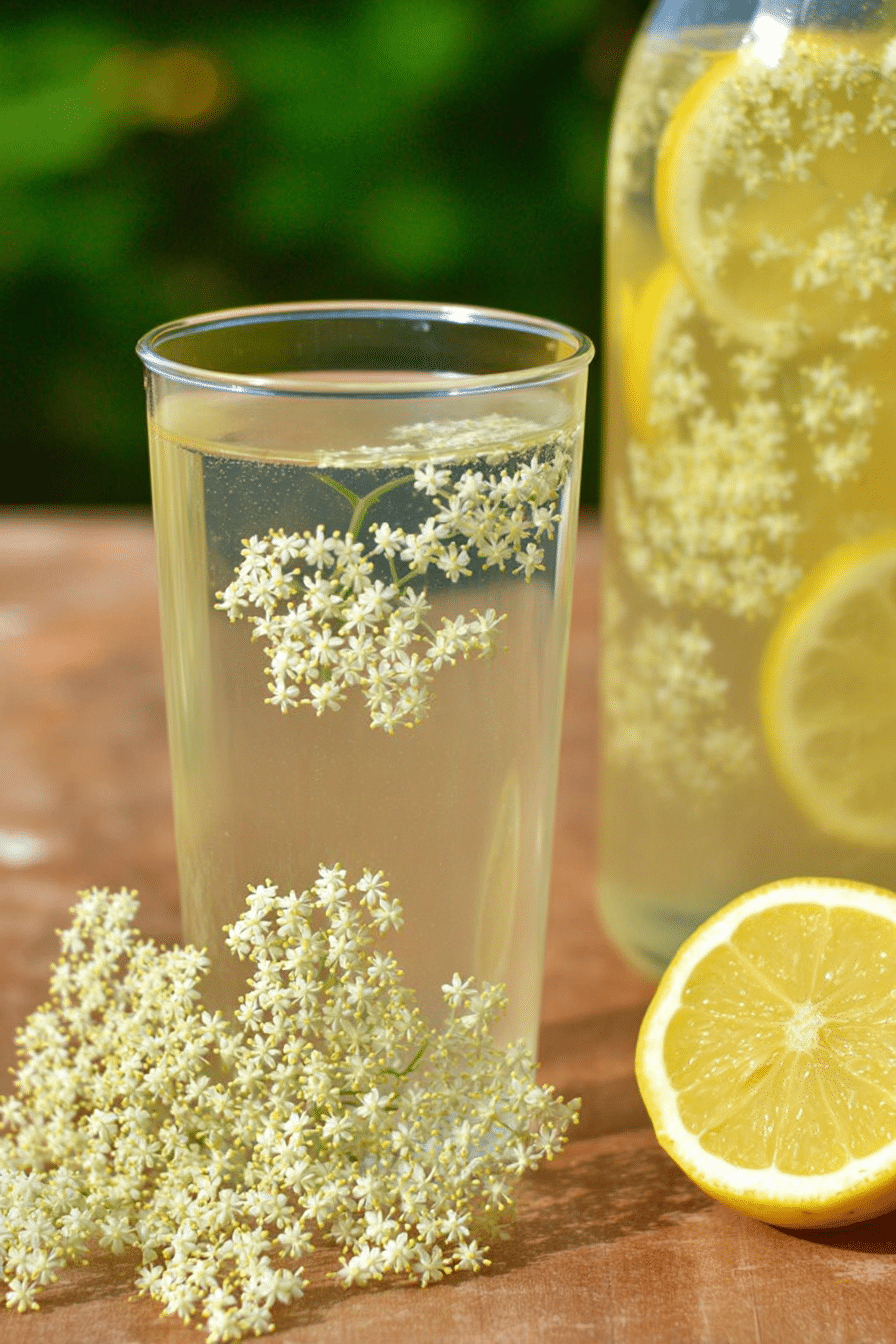
I like to keep this cordial straightforward: fresh elderflower heads, some citrus, a bright acid to lift the florals, and a sweetener to balance it out. Over the years I learned which moments matter most—how long to infuse, how to strain without losing clarity, and how to bottle it so it keeps. I’ll share those small, sure techniques so your first batch tastes like summer, not the first attempt at summer.
If you’re new to foraging or new to cordial-making, I’ll walk you through safe harvesting, why a pinch of citric acid changes everything, low-sugar options, and the few simple steps that mean a clear, long-lasting cordial you’ll be proud to share.
Bring Summer Home: Why This Elderflower Cordial Works for Beginners
Elderflower cordial is one of those recipes that feels impressive but is surprisingly forgiving. The process relies on fresh, high-quality ingredients and simple timing rather than precise technique—perfect for a first-time cordial maker. You’ll get floral, citrus-bright notes from ingredients you can find locally, and the method mostly asks you to watch, smell, and taste.
- Fresh ingredients: The flavour comes from the flowers and citrus; you don’t need fancy equipment.
- Versatility: Dilute with sparkling water, use in cocktails, or drizzle over fruit and desserts—this cordial plays well with others.
- Simple process: Heat to extract, steep to infuse, strain carefully, then reheat with sweetener for preservation.
Close your eyes and imagine a pale gold liquid, floral and lemon-fresh, poured over iced sparkling water. That light, aromatic lift is exactly why this cordial is so rewarding to make.
Everything You Need for Elderflower Cordial
Below I list the essentials so you feel confident before you start. I include ingredients and the basic equipment you’ll need—if something isn’t available, there are straightforward swaps.
- Fresh elderflower heads – The main flavour source; use fluffy, fully open heads and double up if they’re small.
- Lemons – Brightness and a complementary acidity to the florals; you can use limes for a different twist.
- Citric acid – Balances sweetness and helps preserve the cordial (more on this below).
- Water – The infusion medium; plain tap or filtered water works fine.
- Sweetener – Traditional sugar gives body and clarity; later sections cover alternatives and low-sugar approaches.
- Large pan and a heatproof bowl – For infusing and transferring the liquid.
- Muslin or fine sieve – Essential for a clear cordial; you’ll want something that catches tiny flower bits.
- Clean glass bottles and funnel – For storing the finished cordial; sterilised and dry bottles are key.
How to Choose and Harvest Elderflowers Safely
When I go foraging I treat it like a quick field check: look, smell, and pick responsibly. There are simple signs to tell you an elderflower head is worth using, plus basic etiquette to keep plants healthy for next season.
- Visual check: Choose large, creamy-white flower heads with no brown spots or mould; avoid flowers that look wet or are covered in pollen/dust.
- Smell test: A fresh elderflower head has a soft floral, slightly sweet aroma. If it smells fermented or off, leave it.
- Location rules: Don’t pick near busy roads, industrial sites or contaminated soil. Choose plants from clean, rural or well-kept urban green spaces.
- Harvesting etiquette: Take only a few heads from each bush so the plant can set berries and continue to thrive.
- Watch out for look-alikes: Elderflowers have a distinctive flat-topped cluster; if you’re unsure, compare multiple plants or pause and seek a photo guide before harvesting.
The One Ingredient That Changes Everything: Citric Acid (and Why)
Citric acid is the small but crucial ingredient I always add. It brightens the floral notes, gives the cordial a clean lemon lift without extra citrus juice, and helps preserve the syrup so it keeps longer in storage.
- Flavor balance: Citric acid provides a crisp tang that stops the cordial from tasting cloyingly sweet and lets the elderflower perfume shine.
- Preservation: It lowers the pH enough to help slow microbial growth in a sugary syrup—important for homemade cordials that aren’t pasteurised in other ways.
- Alternatives: If you prefer not to use citric acid, you can increase fresh citrus juice slightly, but expect a shorter shelf-life and a cloudier finish.
The Secret to a Clear, Long‑Lasting Cordial
Clarity and shelf-life come down to careful straining, proper sterilisation, and gentle temperature control when bottling. I learned that rushing any of these steps is what makes a cordial turn cloudy or spoil sooner than expected.
- Strain thoroughly: Use a muslin cloth or several layers of fine sieve to remove tiny flower bits—squeeze the pulp gently but don’t force solids through the cloth.
- Sterilise properly: Wash bottles and lids in hot, soapy water, rinse well, then fill with boiling water or dry in a low oven until completely warm to the touch.
- Bottle warm: Pour the finished cordial while still hot into warm bottles to create a better seal and reduce the chance of contamination; close lids promptly.
- Cool slowly and store cool: Let bottles cool to room temperature out of direct sunlight, then store in a cool, dark place for best shelf-life.
How to Make Elderflower Cordial (Step-by-Step)
- Check the flowers: Gently brush each elderflower head to remove insects or debris; don’t wash the flowers under running water—this washes away aroma.
- Arrange for infusion: Place the cleaned flower heads and lemon slices into a large heatproof bowl or pan with water. Add the citric acid now so it can dissolve during infusion; keep the sugar separate for later.
- Heat to just under boiling: Warm the water to steam and small bubbles, then remove from heat. Cover and let the mixture infuse for several hours or overnight; the longer you leave it, the deeper the floral notes.
- Strain carefully: Line a sieve with muslin or use several layers of cloth and pour the infusion through. Gather the muslin and let it drain, then squeeze gently to extract more liquid without forcing solids through.
- Return and sweeten: Put the strained liquid back into a clean pan and add your chosen sweetener. Warm gently and stir until dissolved; bring to a short simmer to integrate, then remove from heat.
- Sterilise bottles: While the syrup is hot, ensure your bottles and lids are warm and dry—this reduces the chance of contamination when bottling.
- Bottle hot: Pour the hot cordial into warm bottles using a funnel, leave a little headspace, and seal. Allow bottles to cool, then label and store in a cool, dark place.
- Serving: Dilute to taste with still or sparkling water—try a lighter ratio for a subtle drink or a richer one for cocktails. A squeeze of fresh lemon brightens the final glass.
Pro Tip for Elderflower Cordial: Low‑Sugar Options & Sweetener Swaps
There are simple ways to reduce sugar while keeping the floral character. Below are practical swaps and the trade-offs you should expect in flavour and preservation.
- Reduce sweetness gradually: If you prefer less sugar, reduce the amount you add and taste as you go; the cordial will be less viscous and more delicate in body.
- Use liquid sweeteners: Honey or agave dissolve easily and add a floral note, but remember they change flavour and may slightly alter shelf-life.
- Use sugar substitutes carefully: Non-nutritive sweeteners will change mouthfeel and won’t help preservation the way sugar does—store in the fridge and use within a shorter window.
- Concentrate then dilute: Make a smaller, more concentrated batch with reduced sugar and store it chilled for quicker turnover rather than long-term keeping.
For those looking to reduce sugar, check out our tips on low-sugar options and sweetener swaps.
Troubleshooting
- If the cordial tastes dull: Try a splash of fresh lemon juice or a touch more citric acid to brighten the top notes.
- If it goes cloudy after bottling: Cloudiness usually comes from tiny solids left behind—next time strain through finer cloth and ensure bottles are completely clean and warm.
- If it ferments or has off smells: That indicates contamination; discard any bottles with bubbling, sour smell, or visible mould and sterilise all equipment before a new batch.
- If flavour is weak: Increase the number of flower heads or steep longer (but don’t steep so long the infusion becomes bitter).
Variations
- Lemon-forward: Add extra lemon slices during infusion for a citrusy cordial that pairs well with iced tea.
- Herbal twist: Add a sprig of mint or thyme to the infusion for a green herbal lift.
- Spiced version: A small stick of cinnamon or a few coriander seeds in the simmer can give a warm background note for winter syrups.
- Low-sugar concentrate: Make a small-batch concentrate with less sweetener and keep refrigerated for quicker use.
How to Store, Bottle and Use Your Elderflower Cordial
Proper storage keeps your cordial bright and safe to consume. I treat bottling like the final act of making: careful, deliberate and clean.
- Cool, dark storage: Keep sealed bottles in a cool, dark place for the longest shelf-life; once opened, store in the refrigerator and use within a month.
- Check regularly: Look for signs of spoilage—clouding, an off or yeasty smell, or bubbles—then discard affected bottles.
- Labeling: Date your bottles so you rotate older ones first; this is especially helpful if you make several batches over the season.
- Serving suggestions: Dilute with sparkling mineral water for a classic summer drink, add to a sparkling wine for a light spritz, or use as a syrup over fruit or ice cream.
Health Benefits of Elderflowers
Elderflowers have a long traditional use in herbal recipes. They contain plant compounds with antioxidant properties and are known for their use in gentle remedies for seasonal ailments. Including a homemade elderflower cordial in moderation can be a pleasant way to enjoy those floral compounds as part of a balanced diet.
Discover the numerous health benefits of elderflowers that can enhance your summer drink experience.
Innovative Uses for Elderflower Cordial
Beyond a simple soft drink, elderflower cordial adds floral complexity to many dishes and drinks. Think beyond the glass—small amounts go a long way in elevating desserts and savoury dishes alike.
- Cocktails: Mix with sparkling wine, gin, or vodka for floral, refreshing cocktails.
- Desserts: Drizzle over poached pears, use in panna cotta, or fold into sorbet bases for subtle floral notes.
- Savoury: Add a splash to vinaigrettes for salads with stone fruit or use to glaze roasted vegetables for a glossy finish.
Explore innovative uses for elderflower cordial to elevate your culinary repertoire.
Store-Bought vs Homemade Elderflower Cordial
Making cordial at home gives you control over ingredients and flavor intensity. Commercial cordials are convenient and consistent, but they often contain stabilisers and higher sugar levels. I find homemade cordial tastes fresher and can be tailored—lighter, zestier, or less sweet—depending on how I plan to use it.
Learn more about the differences in our article on Store-Bought vs Homemade Elderflower Cordial.
Frequently Asked Questions
What type of elderflowers should I use for making cordial?
For making elderflower cordial, you should use fresh, large elderflower heads. If they’re small, double the amount you use for the recipe to maintain the flavor.
How long does elderflower cordial last once bottled?
Once bottled and properly stored in a cool, dark place, elderflower cordial can last up to a year. Once opened, keep it in the fridge and use it within a month.
Can I substitute sugar with other sweeteners?
Yes, you can substitute sugar with other sweeteners like honey or agave syrup, but keep in mind that the flavor and sweetness level may change. Experiment to find the right balance for your taste.
Is homemade elderflower cordial better than store-bought?
Homemade elderflower cordial often has a fresher, more authentic flavor and allows you to control the ingredients, including sugar levels and additives, making it a healthier option.
How can I serve elderflower cordial?
Elderflower cordial is versatile! You can dilute it with sparkling water for a refreshing drink, use it in cocktails like the Hugo Spritz, or add it to desserts and salads for a floral touch.
Easy Elderflower Cordial
Ingredients
Method
- Check elderflowers for dirt and little insects - don't wash!
- Add elderflowers, lemon slices and citric acid to the water in a big pan. (The only ingredient not yet going in is the sugar)
- Heat up to boiling point, stirring occasionally, remove from heat, cover and let infuse overnight, or for at least four hours.
- Strain the liquid through a muslin cloth, to catch all the flowers. Squeeze all that yummy flavour out of the pulp in the muslin!
- Return liquid to the pan and add the sugar.
- Bring to boil again, stirring frequently to dissolve all the sugar, and simmer for 5 minutes.
- In the meantime, clean and sterilise all your glass bottles, lids, a funnel and any other equipment in soapy water. Rinse the bottles and fill them with boiling water and leave for 5 minutes before draining. Alternatively, place the washed bottles and lids in an oven at 140˚C until dry.
- Bottle up the finished cordial while it's still hot, pouring carefully into your warm bottles and closing the lids.
- Depending on desired sweetness, dilute 1:5 to 1:10.
- Best enjoyed with sparkling mineral water.
- Optional: Squeeze in some fresh lemon for extra tanginess!