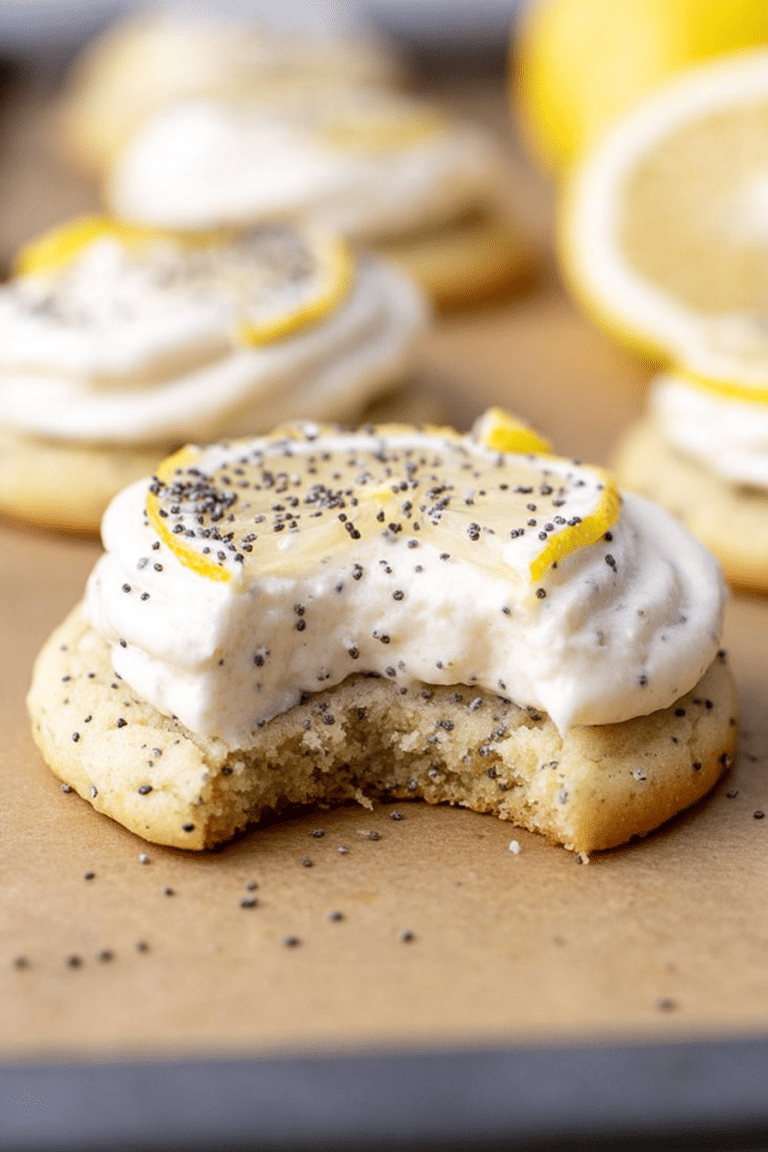


I make these glazed lemon cookies whenever I want a quick, bright treat that feels special but doesn’t take all afternoon. In my kitchen they’ve become the answer to last-minute guests, school bake sales, and the times I crave something tender and citrusy without a long list of steps. They come together fast, the oven does most of the work, and the glaze gives them that cheerful, glossy finish everyone notices.

What I love most is the aroma—the bright lemon zest hitting warm butter in the bowl fills the kitchen with an instant lift. These cookies bake to a pale golden edge while staying soft in the middle; once the glaze sets, the surface catches the light and looks almost like little sunbursts. That sensory moment—warm citrus, soft crumb, glossy top—always gets a happy reaction at my table.
They’re intentionally simple: straightforward ingredients, minimal fuss, and no chilling required. If you’re short on time but want a cookie that tastes bright, cheerful, and like something made with care, these cookies are my go-to. I’ll also share the small tricks I use to keep them soft and the glaze perfectly smooth every time.
Brighten Your Day: Glazed Lemon Cookies Ready in Under 30 Minutes
These cookies hit the sweet spot for busy bakers: short prep, a brief bake, and a quick glaze. The whole process normally finishes in under 30 minutes from start to finish, which makes them ideal for weekday treats or an impromptu dessert. Lemon’s natural brightness makes them feel seasonal all year—light and refreshing in spring and unexpectedly uplifting in winter.
When you pull the tray from the oven, pause to inhale: the zing from the zest paired with warm butter is an immediate mood lifter. I’ve served these with coffee, iced tea, and even at brunch; they always draw compliments and cheerful faces. For SEO housekeeping, the meta title and description naturally include the focus keyword: glazed lemon cookies, keeping search clarity without extra marketing language.
Everything You Need for Glazed Lemon Cookies
Before you begin, gather your ingredients and a few simple tools so the recipe flows quickly. Using unsalted butter lets you control salt levels, and fresh lemons give a cleaner, livelier flavor than bottled options. A good vanilla extract complements the citrus without stealing the show.
- * All-purpose flour – The structure of the cookie; stick with regular flour for the classic tender texture.
- * Baking powder – Gives a gentle lift so cookies stay soft rather than dense.
- * Fine sea salt – Balances sweetness; use unsalted butter so you can control how salty the dough becomes.
- * Unsalted butter – Adds richness and flakiness; if you only have salted butter, reduce any added salt in the recipe.
- * Granulated sugar – For structure and light sweetness; it helps create a slightly crisp edge while keeping centers soft.
- * Fresh lemon zest – The aroma powerhouse; zest gives immediate citrus perfume that juice alone can’t match.
- * Large egg – Helps bind and tenderize the dough; using a cool room-temperature egg produces a more consistent texture.
- * Powdered sugar – For the glaze; it creates that glossy, slightly firm finish when mixed with lemon juice.
- * Fresh lemon juice – For bright, clean flavor in the glaze; fresh juice is best but bottled will work in a pinch.
- * Extra lemon zest – For garnish; a little fresh zest on top keeps the cookies smelling bright when served.
The Secret to a Soft, Melt-in-Your-Mouth Texture
Softness comes from technique as much as ingredients. The cookies stay tender because the butter and sugar are creamed just until light and the flour is folded in gently so the dough isn’t overworked. Bake them until they’re just set; underbake by a hair and you’ll get a cakey center that feels almost pillow-soft.
- Beat butter and sugar until light and fluffy to trap tiny air pockets that help the cookie rise and stay tender.
- Add the egg and mix until smooth so the dough binds without becoming dense.
- Mix flour in on low speed and stop as soon as you see no streaks of flour; overmixing develops gluten and makes cookies tougher.
- Bake until edges are just turning pale golden—this keeps the center soft while giving a slight edge contrast.
Why Room-Temperature Butter and Egg Matter
Using ingredients at the right temperature is a small step that makes a big difference. Room-temperature butter whips more easily with sugar, trapping air that contributes to a lighter cookie. A cool room-temperature egg blends in smoothly, helping to form a uniform, emulsified dough that bakes evenly.
- Room-temperature butter beats smoothly with sugar, creating a lighter texture and more even rise.
- A slightly warm egg encourages the fat and liquid to blend, improving the dough’s structure and taste.
- If you’re short on time, you can soften butter quickly by cutting it into small pieces or placing it in a warm spot for a few minutes—don’t melt it.
Choosing the Right Lemon Zest and Juice for Bright Flavor
Not all lemons taste the same. Regular bright-yellow lemons give a tart, classic lemon flavor, while Meyer lemons are sweeter and floral. For the most vivid aroma, zest before you juice and use a microplane to capture the fragrant outer skin without the bitter pith.
- Pick lemons that are firm with smooth, unblemished skin; they’ll yield more zest and a fresher flavor.
- Zest first, then juice—zest releases aromatic oils that make the cookie smell fresh and lively.
- Try swapping a portion of the lemon with another citrus (like lime or orange) or adding a small pinch of finely chopped fresh herbs like thyme or lavender for variation.
How to Make Glazed Lemon Cookies (Step-by-Step)
Follow these clear steps so your cookies turn out tender and your glaze shines. Let the cookies cool completely before glazing to avoid runny or sliding icing.
- Preheat the oven and line baking sheets with parchment or a silicone mat so cookies release easily.
- Whisk the dry ingredients together in a small bowl so baking powder and salt are evenly distributed.
- Cream the butter, sugar, and lemon zest until the mixture is pale and airy; beat in the egg until the dough is smooth.
- Add the dry ingredients on low speed and mix just until incorporated; the dough should be slightly dry but come together when pressed.
- Portion dough into small balls, roll gently, and flatten slightly so cookies bake evenly and have a soft center.
- Bake until the edges are just set and very lightly golden; cool on the baking sheet briefly, then transfer to a wire rack to cool completely.
- Whisk powdered sugar with lemon juice a tablespoon at a time until you reach a very thick but pourable glaze; spoon or drizzle onto fully cooled cookies.
- Garnish with extra lemon zest while the glaze is wet and let the cookies sit until the icing sets, at least 30 minutes.
Pro Tip for glazed lemon cookies: Freeze Baked Cookies Flat to Preserve the Glaze
Freezing is a great way to keep the glaze intact and the texture fresh. I freeze cookies in a single layer to avoid smudging the glaze, then stack them with parchment between layers once solid. Below are quick, scannable tips, troubleshooting notes, and flavor variations to help you get consistent results.
Pro-Tips:
- Freeze baked cookies flat in a single layer on a tray, then transfer to a sealed container once solid to prevent glaze from sticking.
- If the glaze seems too runny, add a touch more powdered sugar until it thickens to a pourable consistency.
- For perfectly even cookies, use a spring-loaded scoop and roll dough between your palms before flattening.
- Garnish with just a little extra zest so the color and aroma pop when you serve them.
Troubleshooting (from my kitchen):
- I’ve found that if cookies spread too much, the dough may have been too warm—chill the scooped balls briefly next time or flatten gently with a cooler palm.
- If the glaze cracks after setting, it likely dried too quickly; try adding a bit more liquid next time for a more flexible finish.
- When cookies come out cakey instead of tender, I usually baked them a little too long; shorten the bake time by a minute or two and check for just-set edges.
Variations & alternative toppings (bulleted for quick scanning):
- Stir a little finely chopped fresh herbs (lavender, thyme) into the glaze for a subtle floral or savory note.
- Add a pinch of ground ginger or cardamom to the dough for a warm-spiced twist.
- Swap part of the lemon juice in the glaze with orange or lime for a mixed-citrus finish.
- Top with thin slices of candied lemon peel for a decorative, chewy accent.
How to Store, Freeze, and Flavor-Boost Glazed Lemon Cookies
Proper storage preserves texture and flavor. Store fully set cookies in an airtight container at room temperature for a few days. For longer storage, freeze as I do—flat first, then layered with parchment once firm. When you’re ready to enjoy, thaw at room temperature so the glaze softens slightly and the cookie regains its tender crumb.
- To store short-term: place cookies in a single layer in an airtight container or stack with parchment between layers to protect the glaze.
- To freeze: freeze cookies in a single layer until solid, then stack with parchment and seal in a freezer-safe container for up to a month.
- To thaw: bring to room temperature before serving so the glaze regains its sheen and the cookie feels tender.
- Gluten-free or vegan notes: use a cup-for-cup gluten-free flour blend and a vegan butter substitute, and replace the egg with a flax or chia egg to adapt this recipe.
- Flavor-boost ideas: fold a small amount of finely grated ginger into the dough or add a few drops of almond extract to the glaze for a nutty lift.
Serving suggestions: these cookies pair beautifully with a simple black tea or a chilled sparkling water with a lemon wheel. I often set out a small platter with extra zest so guests can add more brightness to their cookie if they like.
Frequently Asked Questions
What makes these Glazed Lemon Cookies so soft?
The use of cool room-temperature butter and egg, along with the right mixing technique, helps achieve a soft and melt-in-your-mouth texture.
How can I tell when the cookies are done baking?
These cookies are done when they are just set and slightly golden brown at the edges, usually around 12-14 minutes in the oven.
Can I use bottled lemon juice for the glaze?
While fresh lemon juice provides the best flavor, bottled lemon juice can be a convenient alternative if fresh lemons aren’t available.
How should I store these cookies?
Store the cookies in an airtight container at room temperature for up to 3 days to keep them fresh.
Can I freeze Glazed Lemon Cookies?
Yes! You can freeze the cookies after they have cooled. Just be sure to thaw them at room temperature before enjoying!
Glazed Lemon Cookies
Ingredients
Method
- Preheat the oven to 350°F. Line two baking sheets with parchment paper.
- Whisk flour, baking powder, and salt in a small bowl. Set aside.
- In a large bowl, use an electric mixer fitted with the paddle attachment to beat together the butter, sugar, and lemon zest until light and fluffy, about 3 to 4 minutes, scraping down the bowl at least once.
- Beat in egg until very well combined, about 1 minute. Scrape down the bowl. On low speed, add the flour mixture and blend until just incorporated.
- Using a medium spring-loaded cookie scoop, drop 1 ½-tablespoon sized balls of cookie dough onto prepared baking sheets, spacing 2 inches apart. Roll each ball with your palms, then using your palm, gently flatten dough to about 1/3-inch thick.
- Bake for 12-14 minutes or until cookies are just set and slightly golden brown at the edges.
- Cool cookies on baking sheet for 5 minutes and transfer to cooking racks. Cool completely.
- In a medium bowl, whisk together powdered sugar and lemon juice, a tablespoon at a time, until a very thick but pourable glaze forms.
- Spoon each cookie with the lemon glaze. Garnish with extra lemon zest, if desired. Let cookies sit until icing has set, at least 30 minutes. Cookies can be stored at room temperature in an airtight container for up to 3 days.