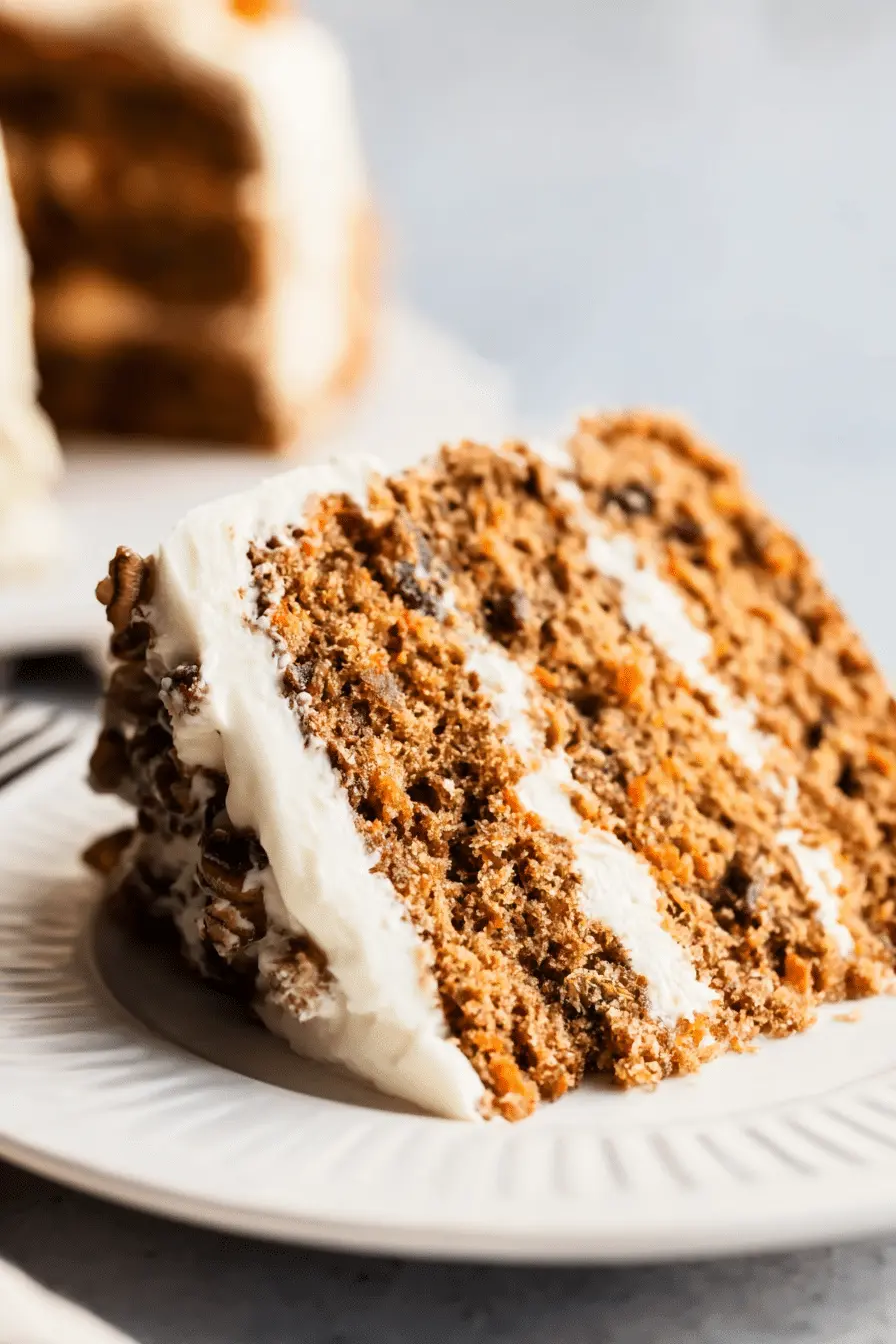
The Best Healthy Carrot Cake You'll Ever Eat — Paleo & Gluten-Free
- Prep
- 20 min
- Cook
- 30 min
- Total
- 50 min
- Serves
- 16
- Calories
- 250 kcal
- Carbs
- 30.00 g
Introduction
I baked this cake on a rainy Saturday because I wanted something that felt like an indulgence but still fit the way I eat most days: nourishing, balanced, and a little celebratory. The first time I cut into it I was relieved — the crumb was tender and moist, the spices smelled warm through the kitchen, and the frosting was creamy without being overly sweet. I kept thinking: this feels like a treat and not a compromise.
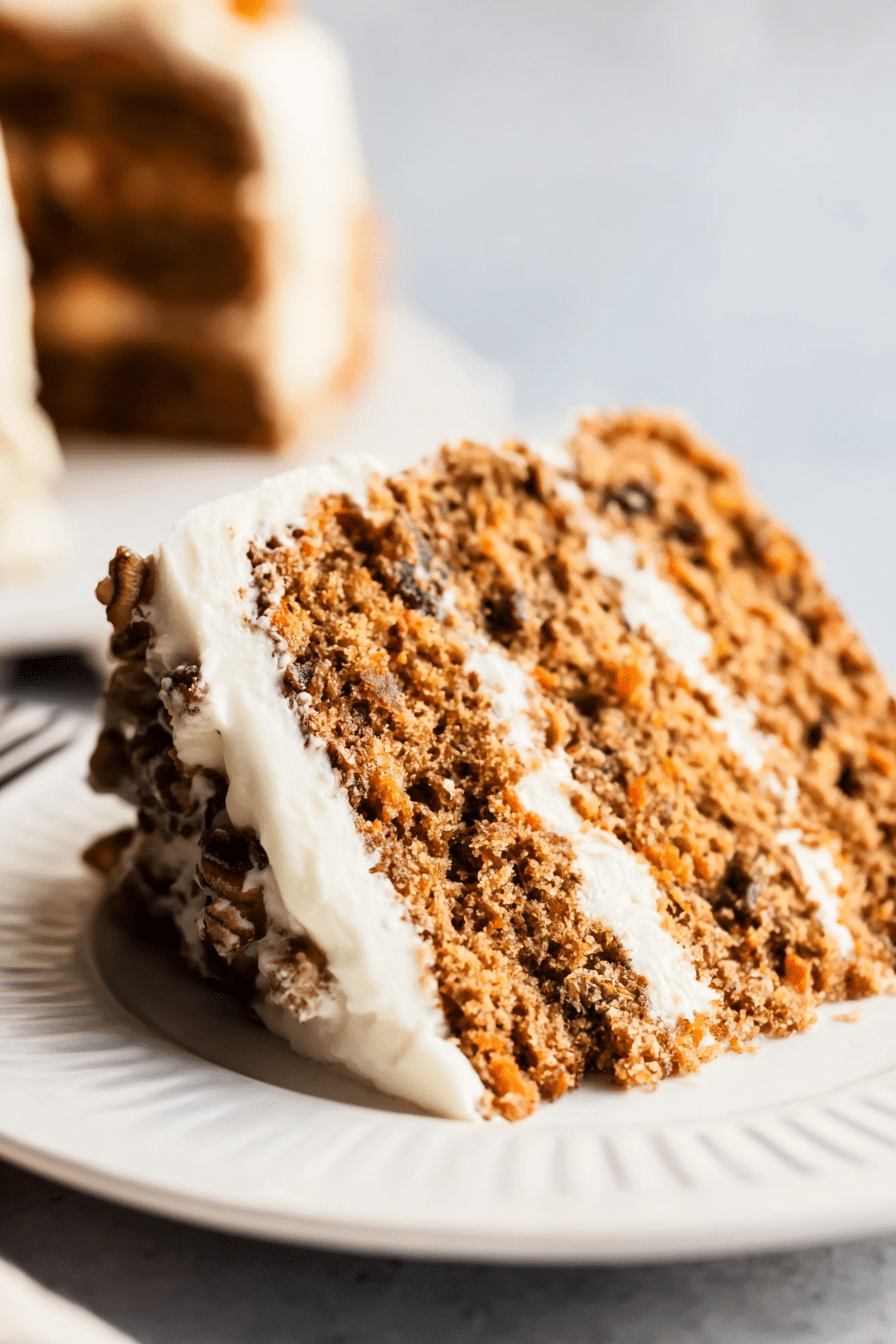
I’ve made variations of this cake many times in my kitchen — swapping add-ins, testing different dairy-free frostings, and dialing sweetener levels until I landed on a version that keeps its texture while staying true to paleo and gluten-free principles. The result is a cake with a soft crumb, the gentle chew of shredded coconut and carrots, and a frosting that feels luxurious but clean.
As someone who likes to have dessert that pulls double duty — party-ready and meal-prep friendly — I rely on techniques that preserve moisture and flavor so you can slice a piece for guests or pack a box of single slices for the week. Read on for the why, the how, and the small adjustments that make it reliably delicious.
Why This Healthy Carrot Cake Feels Indulgent (Without the Guilt)
This cake manages richness without excess by leaning on whole-ingredient fats and natural sweeteners. Almond flour lends a tender, moist crumb because of its natural oils; coconut flour contributes structure when it’s balanced with adequate hydration and eggs. Pure maple syrup provides sweetness with minerals and a more complex flavor profile than refined sugar, which lets you use less while still getting satisfying sweetness. Carrots add natural sweetness, moisture, and fiber — they lift texture and make each bite feel complete.
Sensory note: when the cake bakes, the kitchen will fill with warm cinnamon and nutmeg; the crumb should be tender and slightly springy, not dry. The frosting should contrast that softness with a smooth, slightly tangy finish that’s pleasant on the palate.
Everything You Need for Healthy Carrot Cake
Here’s a conversational look at what matters for this cake — the ingredients and tools that make it easy to get the texture and flavor right. I’ll note the purpose of each so you can swap where needed.
- Almond flour – Provides the cake’s tender, moist base and keeps it gluten-free; pick blanched superfine for the best texture.
- Coconut flour – Acts like a sponge and adds structure; it soaks up moisture so it must be balanced with wet ingredients.
- Shredded coconut – Adds chew and a coconut aroma; use unsweetened to avoid extra sugar.
- Baking soda and warming spices – Baking soda helps rise while cinnamon and nutmeg create that comforting carrot-cake scent.
- Eggs – Bind and lift the batter; room-temperature eggs mix more evenly.
- Pure maple syrup – Natural sweetener that deepens flavor compared with plain sugar; you can swap with honey if needed.
- Tahini or nut butter – Adds richness and a gentle savory note that rounds sweetness.
- Neutral oil (coconut oil) – Adds moisture and keeps the crumb tender; melted and cooled works best.
- Carrots – Use freshly grated carrots for moisture and texture; a medium grate gives tiny strands that disperse evenly.
- Raisins and nuts (optional) – Raisins add pockets of chew and gentle sweetness; chopped pecans or walnuts add crunch and contrast.
- Cream cheese and butter (or dairy-free alternatives) – Make a luscious frosting; choose a dairy-free cream cheese and vegan butter for a fully dairy-free cake.
- Tools – Flexible spatulas, a box grater or food processor for shredding carrots, cake pans with parchment rounds, and an electric mixer for smooth frosting.
Tip: source bright, firm carrots and check labels on packaged ingredients if you need certified gluten-free or paleo items.
Using Almond and Coconut Flour for Optimal Moistness
Almond and coconut flours behave differently from wheat flour. Almond flour is oil-rich and gives a dense, moist crumb. Coconut flour is fiber-heavy and absorbs a lot of liquid; a little goes a long way. Together they balance each other: almond flour provides the fat and mouthfeel, coconut flour adds structure and a light crumb when hydrated properly.
Techniques I use to keep the cake moist:
- Mix dry ingredients gently so the batter isn’t overworked; almond flour doesn’t develop gluten, so overmixing only creates a heavier texture.
- Ensure the coconut flour is evenly distributed by sifting or whisking with the almond flour to avoid dry pockets.
- Fold in shredded carrots and any add-ins last to preserve batter aeration and prevent sinking.
- Cool the cake completely before frosting so steam doesn’t loosen the crumb; chilling briefly helps the texture set.
Sensory focus: when you break a slice apart, the interior should feel light but moist — not gummy — and the surface should spring back gently to the touch.
How to Keep It Paleo, Gluten-Free and Dairy-Free
To make sure the cake fits paleo and gluten-free diets, choose unprocessed ingredients and verify that packaged items are certified gluten-free where necessary. Almond and coconut flours are naturally gluten-free; avoid additives with hidden gluten or refined sugars if you’re strict paleo.
- For dairy-free frosting: use a dairy-free cream cheese and a vegan buttery stick; they whip up similarly to dairy versions and deliver the same creamy texture.
- Check labels on baking powder, vanilla, and any packaged shredded coconut for cross-contamination warnings if celiac or severe sensitivity is a concern.
- If you follow paleo strictly, prefer maple syrup or honey over refined sugars and choose a minimally processed nut butter or tahini.
Sensory focus: the dairy-free frosting should feel silky and spreadable, with a pleasant tang that balances the cake’s sweetness and spices.
Ingredient Swaps and Substitutions That Actually Work
Real kitchens require flexibility. Here are substitutions I’ve tested that maintain texture and flavor while accommodating diet, pantry limitations, or flavor preferences.
- Eggs – Use flax eggs for a vegan option, but expect a slightly denser crumb and add a touch more liquid for hydration.
- Maple syrup – Honey or agave will work; honey brings a richer floral note while agave is milder.
- Tahini – Swap with almond or cashew butter for a nuttier, sweeter profile.
- Raisins – Swap with dried cranberries for tartness or omit completely and boost nuts or seeds for crunch.
- Butter/cream cheese – Use dairy-free cream cheese and vegan butter for a fully dairy-free frosting with similar texture and tang.
- Oil – Applesauce can replace some oil for a lighter cake, but the crumb will be less rich and more cake-like.
Flavor note: different sweeteners and nut butters subtly change the cake’s aroma; taste batter adjustments cautiously since concentrated sweeteners shift perceived sweetness.
How to Make Healthy Carrot Cake (Step-by-Step)
- Prepare pans by lining bottoms with parchment and lightly greasing sides so cakes release cleanly.
- Combine your dry flours, shredded coconut, baking soda, spices, and salt in one bowl so they’re evenly mixed before adding to wet ingredients.
- Whisk eggs with maple syrup and your choice of nut butter/tahini, then gradually incorporate oil and a splash of plant milk so the emulsion stays stable.
- Fold wet and dry components together gently until uniform, then fold in freshly grated carrots and any optional add-ins like raisins or chopped nuts.
- Divide batter evenly into pans and bake until a tester comes out clean or with a few moist crumbs; avoid overbaking to keep the crumb tender.
- Cool cakes completely on wire racks; cool fully before frosting to prevent melting the frosting and creating soggy layers.
- For frosting, beat softened butter (or vegan butter) with cream cheese (or dairy-free cream cheese) until light, then gradually add powdered sugar and a touch of vanilla and milk to reach a spreadable consistency.
- Assemble by placing a small dab of frosting on your serving plate to anchor the first layer, stack layers with frosting between them, and finish by smoothing the top and sides; chill briefly to set the frosting.
Use room-temperature ingredients where noted — they combine more smoothly and produce a creamier frosting and more even crumb. You should test the cake visually and with a tester rather than relying on an exact time window, since ovens vary.
Pro Tip for healthy carrot cake: Balancing Sweetness and Texture
Pro-Tips, Troubleshooting, and Variations: generate these sections as bulleted lists for easy reading and quick reference.
- Adjust sweetness by tasting a small spoonful of the wet batter (before adding eggs if you’re using raw eggs) or by sampling a tiny amount of the frosting; reduce powdered sugar in frosting slightly if you prefer less sweetness.
- Add texture contrast with chopped nuts toasted lightly for crunch that stands up to the soft crumb.
- If your cake feels dry, I’ve found that adding a tablespoon or two more oil or using slightly more shredded carrots brings back moisture without making it greasy.
- To keep raisins plump, soak them briefly in warm water or a splash of rum before folding them into the batter.
How to Store, Freeze and Meal-Prep This Carrot Cake
- Cool completely before covering to avoid trapping steam and softening the frosting; once set, store in the fridge, covered, for up to a week.
- For longer storage, freeze unfrosted layers wrapped tightly in plastic and foil. Thaw overnight in the fridge before frosting to prevent condensation on the frosting surface.
- To freeze frosted slices for meal-prep, flash-freeze on a tray until solid, then wrap individually and return to the freezer. Thaw in the fridge before serving to maintain texture.
- When packing for the week, keep slices chilled and airtight to preserve freshness and prevent the cake from drying out.
Pairings, Serving Ideas, and Celebration Tips
Serve this cake with beverages that complement its warm spices and nutty crumb: a lightly brewed black tea, chai, or a nutty single-origin coffee pairs nicely. For a lighter option, herbal teas with citrus or ginger bring a bright counterpoint.
- Decorate with extra chopped pecans or walnuts and a dusting of shredded coconut for contrast and visual appeal.
- For celebrations, garnish with candied orange peel or toasted coconut flakes and a few edible flowers for a festive look.
- Try layering with a thin spread of fruit compote or a spoonful of apple butter between layers for a seasonal twist.
Sensory image: when you bring the cake to the table, expect a gentle cloud of spice-scented warmth, the creamy tang of frosting, and a pleasing contrast of textures in each celebratory slice.
Frequently Asked Questions
Can I use regular flour instead of almond and coconut flour?
While you can use regular flour, it will alter the nutritional profile and texture of the cake. Almond and coconut flour help keep it gluten-free and add moisture.
Is there a vegan option for the frosting?
Yes! You can substitute the cream cheese with dairy-free cream cheese and use a vegan buttery stick instead of regular butter.
How do I store leftover carrot cake?
Store the cake in the fridge, covered, for 5-7 days to maintain its freshness.
Can I make this carrot cake without nuts?
Absolutely! You can leave out the nuts or replace them with seeds like pumpkin or sunflower seeds for added crunch.
What can I use as a substitute for maple syrup?
Honey or agave syrup can be used as a substitute for maple syrup, though it may change the flavor slightly.
Recipe Card
The Best Healthy Carrot Cake You'll Ever Eat — Paleo & Gluten-Free
- Prep
- 20 min
- Cook
- 30 min
- Total
- 50 min
- Serves
- 16
- Calories
- 250 kcal
- Carbs
- 30.00 g
Ingredients
- 2 cupssuper fine blanched almond flour (packed)
- ½ cupcoconut flour
- ½ cupunsweetened finely shredded coconut
- 1 teaspoonbaking soda
- 1 tablespoonground cinnamon
- ¼ teaspoonground nutmeg
- ½ teaspoonsalt
- 4 largeeggs (at room temperature)
- ¾ cuppure maple syrup
- ⅓ cupdrippy tahini
- ¼ cupunsweetened almond milk
- 1 teaspoonvanilla extract
- ⅓ cupmelted and cooled coconut oil
- 3 cupsshredded carrots ((medium grate))
- ½ cupraisins ((optional))
- ½ cupchopped pecans or walnuts ((optional))
- ½ cupsalted butter (at room temperature (or sub vegan buttery stick))
- 8 ouncescream cheese (at room temperature (or sub dairy free cream cheese))
- 3 cupspowdered sugar
- 2 teaspoonspure vanilla extract
- 1 tablespoonunsweetened almond milk ((any milk will work))
- —Extra pecans and shredded coconut (for topping)
Instructions
- 1
Preheat oven to 350 degrees F. Line the bottom of cake pans with parchment paper and spray with nonstick spray.
- 2
Whisk together the dry ingredients in a large bowl.
- 3
In another bowl, whisk the wet ingredients until smooth before adding carrots.
- 4
Combine dry and wet ingredients and mix well. Add raisins and nuts if using.
- 5
Divide the batter between pans and bake until a tester comes out clean.
- 6
Cool completely before frosting with cream cheese frosting.
- 7
Top with pecans and shredded coconut before refrigerating.
You might also like

Reviews
Be the first to review this.