
The Arroz Doce (Homemade Portuguese Sweet Rice Pudding) I Make Often
- Prep
- 10 min
- Cook
- 40 min
- Total
- 50 min
- Serves
- 12
- Calories
- 385 kcal
- Protein
- 7.00 g
- Carbs
- 65.00 g
- Fat
- 10.00 g
Introduction
I've kept a small pot of arroz doce in my kitchen repertoire for years because nothing says 'home' to me like the scent of simmering milk, lemon zest, and toasted cinnamon. This is a recipe I return to when I want something gentle and familiar on the table—something that carries conversations and small celebrations in its warm steam.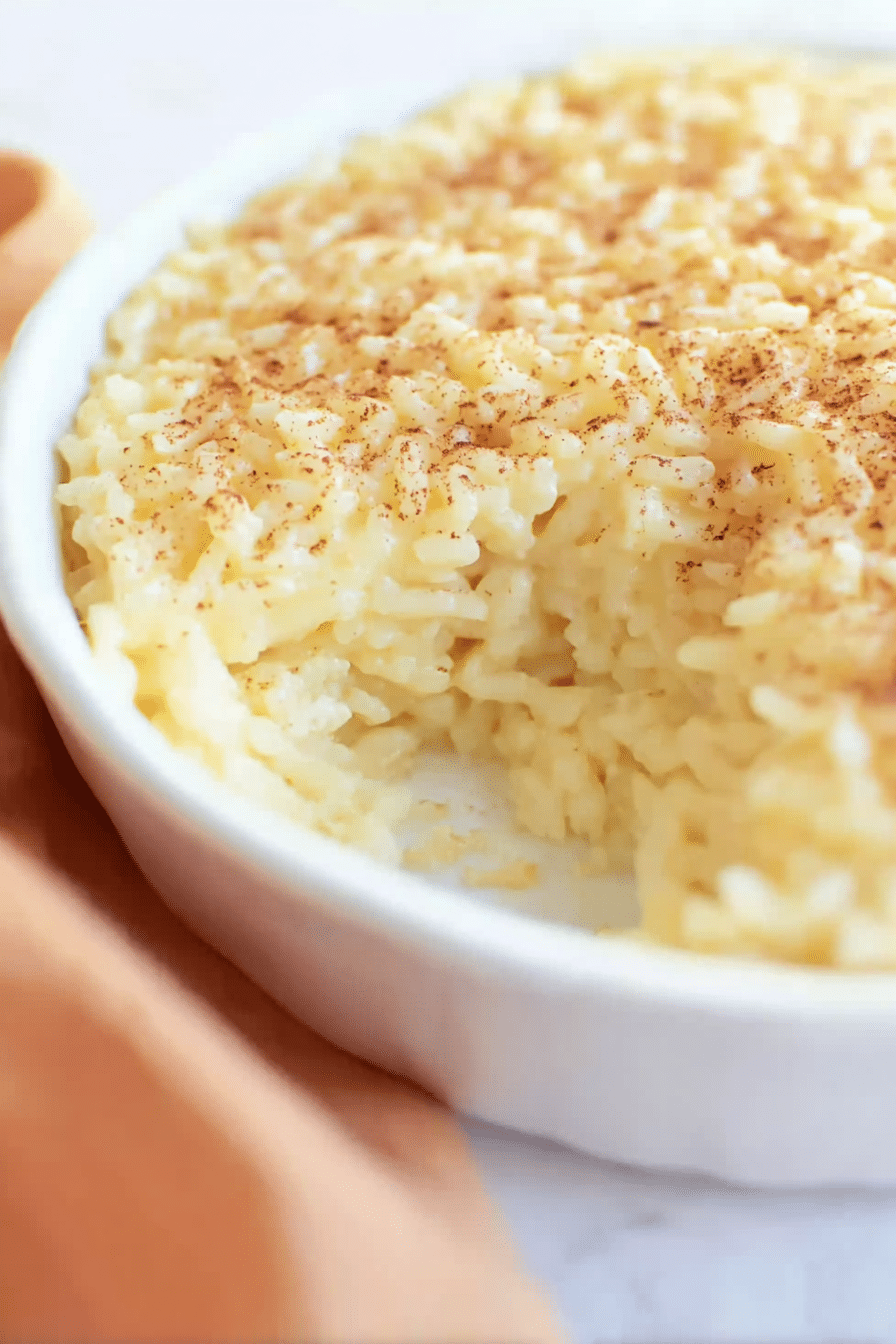
Everything You Need for Homemade Portuguese Sweet Rice Pudding
Before you begin, set out your tools and ingredients so the rhythm of cooking stays steady. A heavy-bottomed pot makes a world of difference because it gives even heat and prevents scorching. Below I describe the purpose of each key ingredient and offer easy swaps when you need them.
- Jasmine or short-grain rice – Provides the starchy body that thickens the pudding; if you prefer a more glutinous texture, choose a short-grain variety.
- Whole milk – The backbone of creaminess; richer milk yields a silkier mouthfeel.
- Unsalted butter – Adds rounded richness and a glossy finish to the pudding.
- Sugar – Sweetens and helps with the pudding’s set; adjust to taste depending on how sweet you like it.
- Lemon zest – Brightens the entire dish and cuts through the milk’s richness; always use fresh zest.
- Lemon extract – An optional accent of citrus flavor when you want that lemon note amplified.
- Egg yolks – Create a custard-like silkiness and help thicken the final pudding when tempered properly.
- Cinnamon – The traditional finish: warm, aromatic, and used generously as a topping.
If you want a contrasting treat after trying this classic, you might enjoy a playful, crunchy rice-based dessert as well.
Exploring other rice-based treats? You might enjoy our take on Rice Krispies treats as a fun contrast to this Portuguese dessert.
Choosing the Right Rice: Jasmine vs. Short-Grain for Arroz Doce
Rice choice shapes the pudding’s personality: fragrant jasmine gives a subtly perfumed finish, while short-grain or plump varieties yield a thicker, creamier body because they release more starch. Arborio is another option if you want a very creamy, spoonable result—its high amylopectin content helps the milk thicken luxuriously.
Think about what you want the end texture to be: delicate and fragrant, or dense and spoon-coating. Whichever you pick, rinse briefly if you prefer clearer milk, or skip rinsing for more starch and extra creaminess. For similar technique notes that help coax creaminess from simple grains, see a helpful guide on creamy breakfasts and porridge styles:
Learn more about achieving the perfect creaminess by checking out our recipe for ultimate creamy oatmeal, which shares similar cooking techniques.
The Secret to the Perfect Texture: Thick vs. Silky Rice Pudding
Texture is everything with arroz doce: a pudding can be thick and almost spoonable like a rice custard, or silky and soft like a creamy porridge. The difference comes down to cooking time, rice choice, and the finishing technique.
- Longer simmering time reduces liquid and concentrates starch, producing a thicker pudding.
- Shorter, gentler cooking preserves more milk and yields a silkier, looser texture.
- Egg yolks, when tempered and folded in slowly, give the pudding a custardy richness without curdling—this is key to silkiness.
- Adjust liquid ratios after tasting: if the pudding feels too watery when warm, it will thicken in the fridge; if it’s already dense, loosen slightly with a splash of milk before serving.
Why Lemon Zest and Cinnamon Define Portuguese Arroz Doce
In Portugal, arroz doce is rarely found without the twin signatures of lemon and cinnamon. Lemon zest lifts the sweetness with a floral, citrus brightness that prevents the dessert from feeling cloying, while cinnamon adds a warm, woody anchor that rounds the flavor.
These two components play off each other: the zest cuts through the milk’s richness and the spice gives the warm, nostalgic note that many of us associate with family desserts. If you want to play with variations, try adding a small pinch of another warm spice like nutmeg or cardamom, or finish a portion with toasted nuts for textural contrast.
How to Make Homemade Portuguese Sweet Rice Pudding (Step-by-Step)
- Bring rice, milk, water, and butter together in a heavy-bottomed pot and bring gently to a simmer over medium heat—watch for a slow, steady steam rather than a rolling boil.
- Once the mixture reaches a simmer, stir in lemon zest, lemon extract (if using), a pinch of salt, and sugar; reduce heat so the surface barely bubbles.
- Simmer slowly for about the time it takes a calm conversation: maintain a low simmer and stir frequently so the rice cooks evenly and the milk does not stick or scorch.
- While the rice cooks, separate egg yolks into a small bowl so they’re ready for tempering.
- When the rice is tender and the mixture has thickened, remove the pot from the heat. Temper the yolks by whisking a small spoonful of hot milk into the yolks, then repeating until the yolks are warmed; then stir the warmed yolks back into the pot a little at a time.
- Return the pot to the lowest heat and cook gently for a few minutes, stirring frequently, until the mixture is cohesive and velvety—do not let it boil once the yolks are added.
- Transfer to a serving dish or individual cups, dust generously with cinnamon, and cool slightly before serving warm or chilled.
Common mistakes to avoid:
- Cooking at too high a heat—this can scorch the milk and break the texture.
- Adding eggs straight into the hot pot—this will scramble them instead of enriching the custard.
- Skipping frequent stirring—rice stuck to the bottom ruins the pot and the flavor.
If you want additional technique notes and approaches to finishing creamy rice puddings, here’s a complementary resource that explores slightly different methods for a very creamy finish:
If you're looking for more tips and variations, check out our creamiest rice pudding recipe that offers different approaches to this beloved dessert.
Pro Tip for homemade portuguese sweet rice pudding: Temper Eggs Slowly to Lock in Creaminess
- Always bring your eggs to near-temperature before mixing them into the pot: whisk a ladleful of hot pudding into the yolks first, then repeat so the yolks warm gradually.
- Stir continuously when you return the tempered yolks to the pot and keep the heat very low—this prevents curdling.
- If you feel the mixture tightening too quickly, remove from heat and stir until it relaxes; residual heat will finish the cooking.
- I often save a little butter to swirl in at the end for sheen and richness—just a small knob warms on contact and melts into the surface.
- Troubleshooting (short bullets for quick fixes):
- If the eggs do scramble, strain the pudding through a fine sieve and finish gently—this can rescue texture in a pinch.
- If the pudding is too thick when cold, whisk in warm milk to loosen it before serving.
- If the pudding is too thin, simmer gently, stirring constantly until it reduces to your preferred consistency.
How to Store, Reheat, and Adapt Arroz Doce (Vegan & Gluten-Free Options)
- Storage: Place leftovers in an airtight container and refrigerate—this pudding keeps well for several days and often tastes better the next day when flavors have melded.
- Reheating: Warm gently over low heat with a splash of milk to return creaminess; stir frequently so the bottom does not scorch.
- Vegan option: Replace dairy milk with a full-fat plant milk and omit butter; thicken with a cornstarch slurry or a little soaked and blended cashew cream to mimic the richness of yolks.
- Egg-free thickening: Use cornstarch mixed into cold plant milk and whisk into the hot pudding, cooking until it thickens and achieves a custard-like texture.
- Gluten-free: Traditional arroz doce is naturally gluten-free when using plain rice and pure flavorings—avoid any processed extracts with additives if you need strict gluten-free assurance.
- I always label and date leftovers in my fridge—the gentle sweetness makes arroz doce a reliable make-ahead dessert for family meals and gatherings.
Variations and Flavor Profiles for Arroz Doce
- Fruit additions: Fold in berries or diced mango just before serving for a bright, fresh contrast.
- Spice alternatives: Swap cinnamon for cardamom, or add a light grating of nutmeg for a different warm note.
- Textural shift: Stir in toasted nuts such as almonds or walnuts for crunch and a savory counterpoint.
- Baked twist: Finish a portion in the oven for a lightly caramelized top as a playful variation—this gives a different textural profile and is lovely for special occasions.
For those who enjoy a twist on the classic, our creamier baked rice pudding is a delightful alternative to try.
Serving suggestions: I like to offer arroz doce slightly warm with a generous dusting of cinnamon and a thin strip of lemon zest for color. It’s the kind of dessert you’ll find spooned into small bowls, passed around, and savored between conversation and a second cup of coffee.
Frequently Asked Questions
Can I use a different type of rice instead of Jasmine?
Yes, you can use short-grain rice or even arborio rice. Just keep in mind that it may change the texture slightly.
How long can I store leftovers of the pudding?
You can store leftovers in the refrigerator for up to 3-5 days in an airtight container.
What can I use instead of eggs for a vegan version?
You can substitute eggs with a mixture of cornstarch and plant-based milk to achieve a similar creamy texture.
Is it necessary to temper the eggs?
Yes, tempering the eggs helps to avoid scrambling and ensures a smooth, creamy texture in the pudding.
Can I make this pudding ahead of time for a special occasion?
Absolutely! This pudding can be made a day in advance; just store it in the refrigerator and serve it chilled.
Recipe Card
The Arroz Doce (Homemade Portuguese Sweet Rice Pudding) I Make Often
- Prep
- 10 min
- Cook
- 40 min
- Total
- 50 min
- Serves
- 12
- Calories
- 385 kcal
- Protein
- 7.00 g
- Carbs
- 65.00 g
- Fat
- 10.00 g
Ingredients
- 2 cupsJasmine rice (white rice, short grain)
- 4 tbspunsalted butter
- 2 cupswater
- 6 cupswhole milk
- 1 pinchsalt
- 2 cupswhite sugar
- 1 tbspFresh lemon zest
- 1 tsplemon extract
- 6egg yolks
- 2 tbspcinnamon
Instructions
- 1
In a thick stock pot, add your milk, water, butter, and rice bring these items to a boil over medium heat.
- 2
Once your rice is boiling add your lemon zest, extract, pinch of salt, and sugar.
- 3
Reduce heat, and simmer over low heat for 25 minutes-stirring frequently.
- 4
Separate your egg yolks (if you have not done this earlier).
- 5
After 25 minutes, remove rice from heat, and stir in 1 egg yolk at a time. This is called tempering the eggs- it will cook them.
- 6
Place pot back on burner and cook on lowest heat setting for 5 minutes-stirring frequently.
- 7
Place in a nice serving dish, a Pyrex, or in individual cups.
- 8
Top with a generous amount of cinnamon & enjoy!
- 9
Refrigerate any leftovers.
You might also like



Reviews
Be the first to review this.