

I can still remember the first time I made ramen from scratch in my small, crowded kitchen: the broth started out looking thin and almost timid, then after that gentle simmer it rounded into something glossy and confident that clung to the ladle. Ramen isn’t just fast food — it’s the kind of bowl that changes a sleepy evening into a memorable one. It’s versatile, it’s comforting, and it’s the kind of meal I make when friends drop by, when I need a little comfort after a long day, or when I want to show off small cooking skills with big payoff.
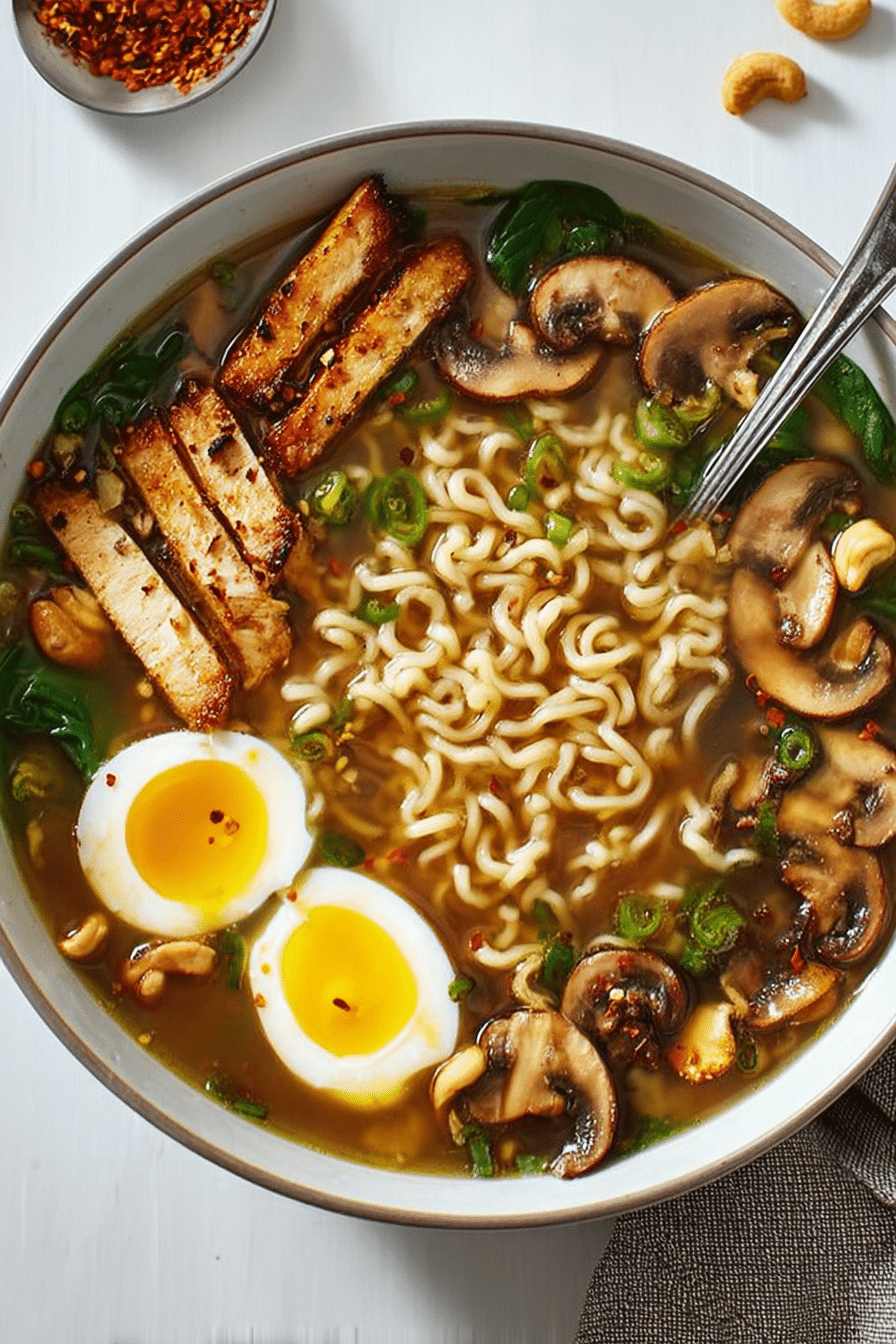
Over the years I’ve leaned into a simple approach that respects time and flavor: a modestly concentrated chicken broth, a sear on the chicken for texture, quick-cooking ramen noodles, and a handful of fresh toppings. This post is the version I come back to — the one I’ve tested on weeknights and dinner guests — and throughout I’ll share the little kitchen moments that made it work (and the mistakes I learned from).
Essential Ingredients for Homemade Ramen
- Olive oil – a drizzle to sauté mushrooms and keep flavors from sticking; neutral oils work too.
- Butter – adds silkiness and mouthfeel to the broth and helps develop a browned crust on chicken.
- Mushrooms – bring earthy umami and texture; baby bella or shiitake concentrate flavor when browned.
- Chicken breast – a lean, quick-cooking protein that sears well and slices into satisfying strips; you can swap thighs if you want richer meat.
- White wine – used to deglaze and lift the brown bits; it brightens the broth base as it reduces.
- Garlic – aromatic base note; it softens and becomes almost sweet with a minute or two of cooking.
- Chicken broth (low sodium) – the backbone of the bowl; starting with low-sodium lets you control the salt and build layers.
- Soy sauce – adds savory depth and saltiness; choose low-sodium to avoid oversalting.
- Hot sauce – a small hit brings brightness and heat; Frank’s or similar fermented hot sauces work well.
- Honey – balances the savory and heat with a touch of sweetness that rounds the broth.
- Sesame oil – a tiny finish of toasted sesame oil gives that classic toasted note everyone expects.
- Ramen noodles (instant or fresh) – quick-cooking strands that absorb flavor; don’t use the seasoning packet.
- Bok choy – a leafy green for crunch and color; it wilts into the broth but keeps a little bite.
- Seasoning powders (onion, mustard, ginger, white pepper) – add background warmth and complexity without competing with the broth.
- Green onions – bright, herbaceous finish; slice thin so they collapse slightly into the hot broth.
- Peanuts (or toasted seeds) – crunchy contrast; use nuts sparingly if you’re serving people with nut allergies.
- Soft-boiled eggs – jammy yolks are essential for richness and texture; follow the simple timing for best results.
Step-by-Step Cooking Instructions
Below is the step-by-step I use, almost verbatim from what’s worked in my kitchen. I cook this in a large soup pot and keep a close eye on each stage so textures and flavors stay balanced.
- Sauté the mushrooms: Heat a tablespoon of olive oil and a tablespoon of butter over medium-high heat. Add the sliced mushrooms and sauté until golden, about 4 minutes. You want color — that browning is concentrated umami. Remove and set aside so they keep their texture and don’t overcook in the broth.
- Pound and season the chicken: Slice a boneless, skinless chicken breast in half lengthwise so you have two thinner fillets. Cover with plastic wrap and gently pound to about ½ inch thick. Pat dry and season with salt and pepper. This step evens the thickness so the chicken cooks quickly and stays juicy.
- Sear the chicken: Heat the remaining oil and butter in the soup pot over medium-high. Sear the chicken in batches if needed for about 4–5 minutes per side until a golden crust forms. Don’t move it too much — a steady sear builds that crust. Transfer to a plate and let it rest for 10 minutes before slicing into strips. Resting redistributes juices; skip it and the chicken runs drier.
- Deglaze with wine: With the pot still warm, add about half a cup of dry white wine and set heat to medium. Use a spatula to scrape up those browned bits from the bottom — that’s flavor. Let the wine bubble and reduce by half, roughly 4–5 minutes. If you don’t have wine, a splash of sherry or extra broth works, but wine brightens the base more quickly.
- Add aromatics: Stir in a knob of butter and minced garlic, cooking for about 2 minutes until fragrant. Watch the garlic; it goes from sharp to sweet quickly. If it browns, the broth will pick up a bitter edge, so drop the heat.
- Build the broth: Add 6 cups of low-sodium chicken broth, a couple tablespoons of soy sauce, a teaspoon or two of hot sauce, a drizzle of honey, and a small splash (¾ teaspoon) of toasted sesame oil. Toss in the powdered seasonings (small pinches of onion powder, mustard powder, ground ginger, white pepper, and a pinch of red pepper flakes). Bring to a gentle boil, then let the broth reduce and concentrate for 10 minutes while you soft-boil the eggs. This reduction is important — it intensifies flavor without adding salt.
- Cook the noodles and finish: Bring the pot to a stronger boil, add the ramen noodles and cook 1 minute, then reduce to a gentle simmer and fold in the bok choy, cooked mushrooms, and sliced chicken. Simmer until noodles are done — about 3 more minutes depending on the noodle type. If you’re using fresh noodles, they’ll finish faster (1–2 minutes), so watch closely to avoid mushy noodles.
- Assemble bowls: Transfer to bowls and top with sliced green onions, roughly chopped honey-roasted peanuts, and a halved soft-boiled egg.
If you want a quick stir-fried noodle variation to serve with your ramen, try our hibachi-style noodles for an easy, flavorful twist.
Tips for Enhancing Broth Flavor
Broth is where ramen lives and dies. Here are techniques I use every time to make it sing.
- Brown things first: Don’t skip sautéing the mushrooms or searing the chicken — those browned bits add caramelized flavor that a straight broth can’t mimic.
- Deglaze properly: Use wine to lift fond (the caramelized bits) off the pot. If you skip deglazing, the pot-scour flavor remains stuck and your broth will taste flatter.
- Simmer, don’t roil: Gentle simmering for about 10 minutes after adding the broth concentrates flavor without evaporating delicate aromatics. A rolling boil will make the broth cloudy and can toughen proteins.
- Use umami boosters: Add kombu, a dried shiitake, or a spoonful of miso (off heat) if you want deeper savory notes. These add glutamates naturally and give that restaurant-like depth. A little goes a long way.
- Balance with acid or sweetness: If the broth tastes one-dimensional, a teaspoon of honey or a squeeze of lime can brighten it. If it tastes flat, try salt before sugar — salt unlocks other flavors.
- Finish with fat for mouthfeel: A small pat of butter or a drizzle of toasted sesame oil at the end gives the broth a round, silky mouthfeel.
For techniques on building deep, savory broths, refer to our ultimate chicken broth guide which includes simmering tips and flavor layering.
Creative Topping Ideas
Toppings turn a bowl of ramen into something personal and lively. I keep a little tray of options and let people pick what they want — it’s a fun, interactive dinner.
- Chashu-style chicken or pork – thinly sliced, slow-seared or braised cuts add richness; if you’re pressed for time, the seared chicken in this recipe works beautifully.
- Soft-boiled eggs – jammy yolks add creaminess. Aim for 6 minutes of boiling for a jammy center.
- Green onions – thinly sliced for freshness and color; they soften slightly when they hit the hot broth.
- Pickled vegetables – quick-pickled cucumbers or daikon cut through richness with acid and crunch.
- Spicy additions – kimchi, chili oil, or a few drops of homemade hot sauce can kick the bowl up a notch.
- Crunch – roasted peanuts, sesame seeds, or toasted nori strips add texture contrast.
- Greens – baby spinach, bok choy, or bean sprouts for freshness and lightness.
Give your ramen a spicy kick with a few drops of our homemade hot sauce for customizable heat.
Making Ramen Vegan: Alternatives
I make vegan bowls often; with a few swaps, you won’t miss the animal products. The key is layering savory elements so the bowl feels full-bodied and satisfying.
- Broth base – use a strong vegetable stock, or make a kombu + dried shiitake infusion for umami. Simmer kombu gently (don’t boil hard) and add rehydrated shiitake for depth.
- Protein – pan-fried tofu, tempeh, or seitan provide texture. Press tofu first and get a crisped surface so it contrasts with the broth.
- Fats – use neutral oil and a touch of tahini or vegan butter to provide that round mouthfeel.
- Sweetener – swap honey for maple or agave to keep the flavor profile balanced.
- Finish – miso stirred in off the heat and a drizzle of toasted sesame oil make the bowl savory and complex.
If you want the full vegetarian umami experience, rehydrate several dried shiitake mushrooms and simmer them with kombu for at least 20–30 minutes before finishing the broth.
Meal Prep Tips for Busy Weeknights
I prep components on Sunday afternoons and the whole week looks more relaxed. The trick is sensible separation so nothing gets soggy.
- Make a batch of broth – double or triple the broth and keep it in the fridge for up to 3 days or freeze in portions for up to 3 months. I freeze in two-cup portions so one thawed tub makes a single dinner easily.
- Cook and store proteins – sear several chicken breasts, slice, and refrigerate. Reheat briefly in the broth so they don’t dry out.
- Prep toppings – soft-boil eggs ahead and store in their shells in the fridge for up to 2 days; chop green onions and keep peanuts/toasted seeds in airtight jars.
- Handle noodles right – cook noodles briefly only at serving time or store cooked noodles tossed with a teaspoon of oil, but know they’ll absorb broth and soften if left in it for long.
- Quick assembly – reheat broth to a simmer, warm noodles for 30–45 seconds in boiling water or briefly in the broth, assemble bowls with warmed proteins and toppings, and serve.
Troubleshooting Common Issues
- Broth tastes flat: Try salt first; small increments. If still flat, a squeeze of acid (lemon or rice vinegar) or a touch of honey can brighten things.
- Noodles turn mushy: They were overcooked. Add noodles at the very end and taste often — fresh versus dried cook at very different speeds.
- Chicken is dry: It was overcooked or not rested. Slice after a 10-minute rest and rewarm gently in the hot broth instead of boiling it.
- Broth is cloudy: Too vigorous a boil can emulsify fats and starches. Keep to a gentle simmer for a clearer broth.
Conclusion and Serving Suggestions
Making homemade ramen is as much about the ritual as it is the end result. It’s the smell of garlic and butter, the slight sizzle when you add the mushrooms, and the quiet patience as the broth reduces. I encourage you to treat your first time as a learning session — note what you love and what you’d change next time. Invite a friend, let people pick their toppings, and take pleasure in the small, savory triumph of a bowl well made.
When serving, present bowls with color contrast: bright green onions, the honey-browned mushrooms, a glossy soft egg, and a scattering of peanuts or seeds. Pair your bowl with something refreshing to cut the richness — a cold, citrusy drink helps — and enjoy the combination of textures and flavors.
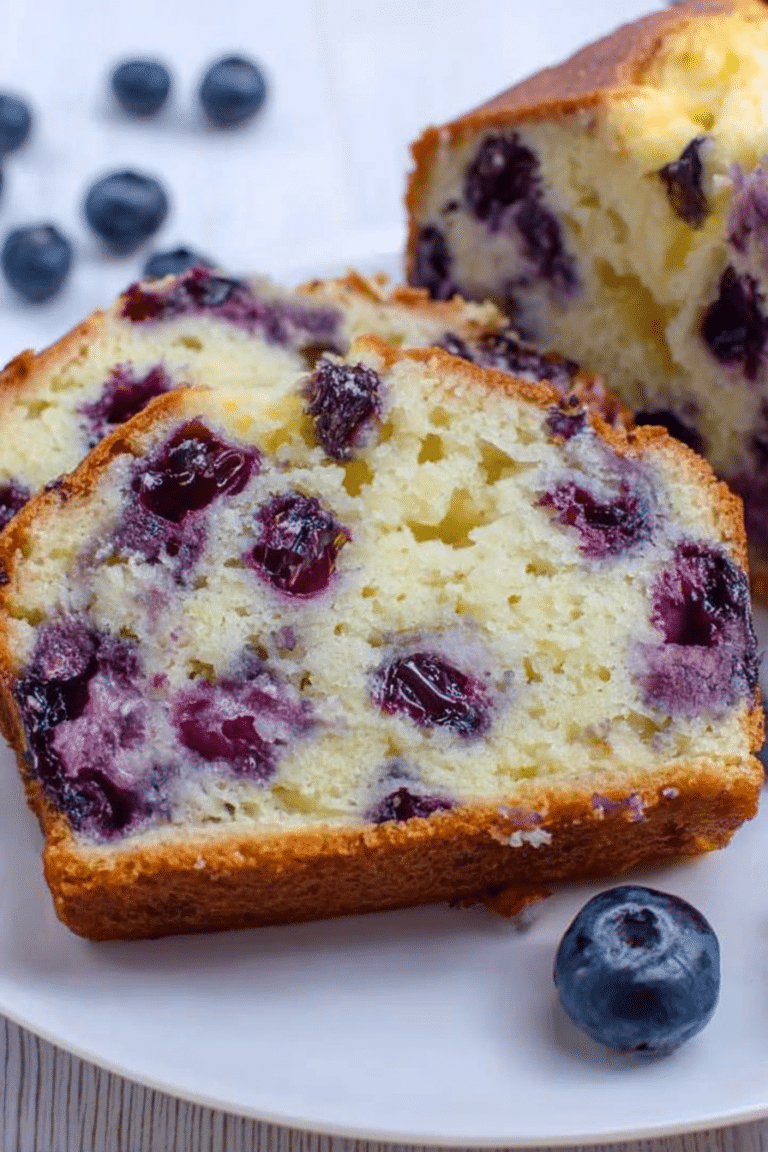
Pair your bowl with a refreshing blueberry tea lemonade to balance the savory richness of the broth.
Storage and Leftover Notes
Store broth and solids separately if possible: broth in a sealed container for 3–4 days in the fridge or up to 3 months in the freezer; cooked chicken and vegetables for 3 days. Noodles store poorly once in broth — keep them separate and reheat briefly in boiling water before assembling to avoid a mushy bowl.
FAQ
- How do I soft-boil the eggs for this ramen?Bring a pot of water to a rolling boil, gently lower room-temperature eggs in, and boil for 6 minutes for a jammy yolk (6–7 minutes). Immediately transfer eggs to an ice bath for 5 minutes, peel, halve, and add to the bowls.
- Can I make this recipe vegan or vegetarian?Yes. Use vegetable broth (or miso + kombu broth), swap the chicken for firm tofu, extra mushrooms, or seitan, replace butter with vegan butter or oil, and use maple or agave instead of honey. Add miso or dried shiitake for extra umami.
- Can I use fresh or dried ramen noodles instead of the instant packets?Yes. Fresh ramen typically cooks in 1–2 minutes and dried in ~3–4 minutes — add them near the end so they don’t overcook. Do not use the seasoning packet from instant ramen.
- How should I store and reheat leftovers?Store the broth and solids separately if possible in the fridge for 3–4 days (or freeze broth up to 3 months). Reheat the broth on the stove until hot and warm the noodles briefly in boiling water before assembling to avoid soggy noodles.
- How can I make this gluten-free or nut-free?For gluten-free, use tamari or coconut aminos instead of soy sauce and gluten-free noodles. For nut-free, omit the peanuts and use toasted seeds (like pumpkin seeds) or extra green onions for crunch.
Thanks for reading — if you try the recipe, tell me how you tweaked it. The best ramen bowls are the ones you make your own.
Homemade Ramen
Ingredients
Method
- Heat 1 tablespoon olive oil and 1 tablespoon of butter in a large soup pot over medium-high heat. Add the mushrooms. Sauté until golden, about 4 minutes. Remove and set aside so that they retain the color, flavor, and texture.
- Slice the chicken in half lengthwise to create 2 thinner slices. Cover with saran wrap and use the textured side of a meat mallet to pound it to ½ inch thick.
- Pat the chicken dry and season each side with salt and pepper.
- Heat remaining olive oil and butter in a large soup pot over medium-high heat. Sear the chicken in batches for 4-5 minutes per side, until a golden crust has developed. Set aside turn the heat off. Let the chicken rest for 10 minutes, then cut into strips of desired size.
- Add the wine and set the heat to medium. Use a silicone spatula to “clean” the bottom and sides of the skillet. Let the wine bubble gently and reduce by half, 4-5 minutes.
- Add the butter and garlic and cook for 2 minutes.
- Add the chicken broth, soy sauce, hot sauce, honey, sesame oil, and soup seasonings. Bring to a gentle boil and let the broth reduce and concentrate for 10 minutes while you soft boil eggs for serving (see notes for instructions).
- Bring the soup to a more rapid boil, add the Ramen, and cook for 1 minute. Reduce to a gentle simmer and add the Bok Choy along with the cooked mushrooms and chicken. Simmer until the noodles are done, about 3 minutes.
- Transfer to serving bowls and top with green onions, roughly chopped peanuts, and a soft-boiled egg.