
The Korean Cucumber Salad I Make Every Summer — Oi Muchim
- Prep
- 20 min
- Cook
- 35 min
- Total
- 55 min
- Serves
- 6
- Calories
- 400 kcal
Introduction
I learned to make Oi Muchim the way many home cooks in Korea do: simple ingredients, quick hands, and a few small tricks that turn ordinary cucumbers into a lively, crunchy banchan. In my kitchen this salad shows up at almost every casual meal — alongside rice, grilled fish, or a sizzling pan of meat — because it cuts through richness and brings a bright, clean note to the table.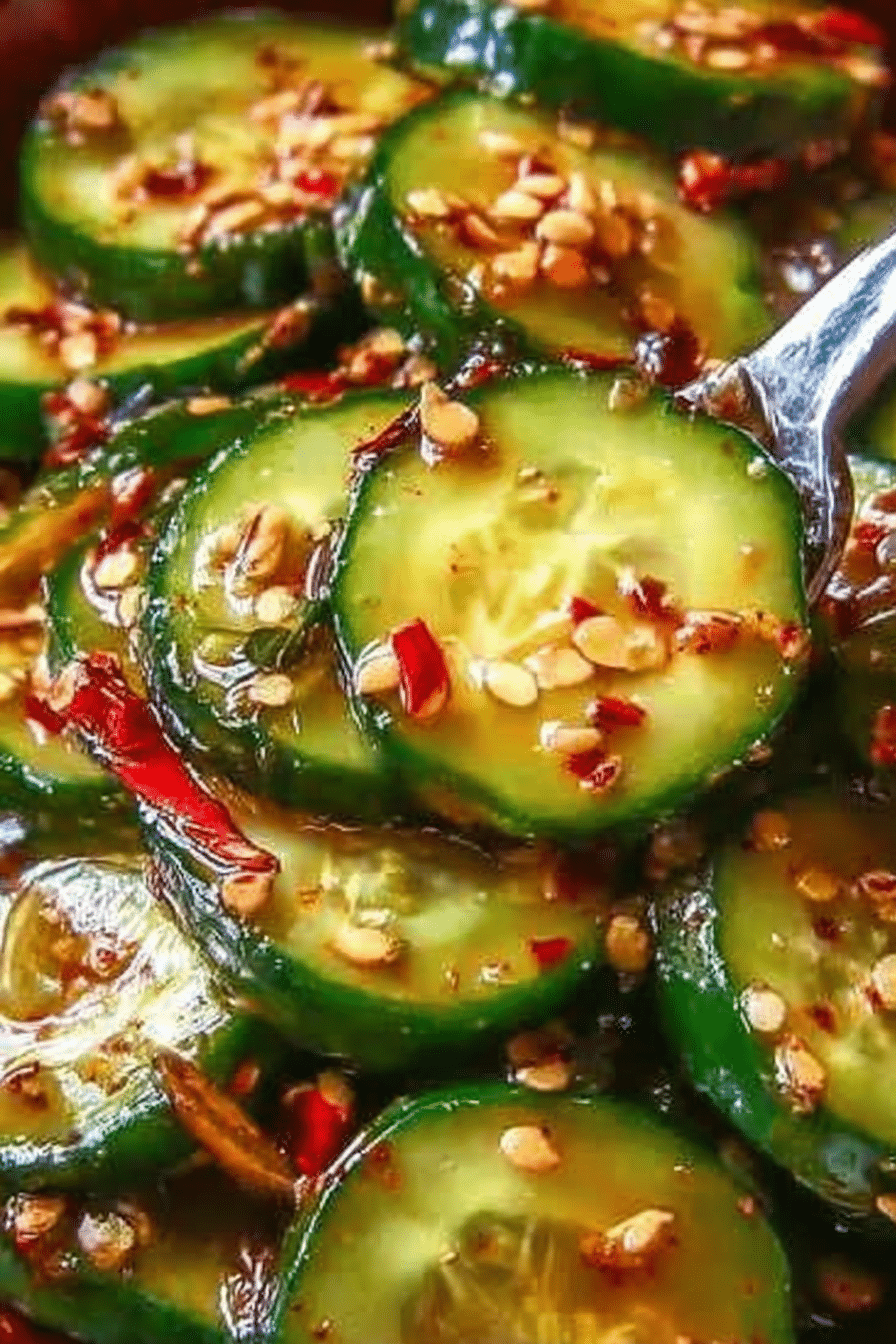
A Heritage Side: Why Oi Muchim (Korean Cucumber Salad) Belongs in Your Kitchen
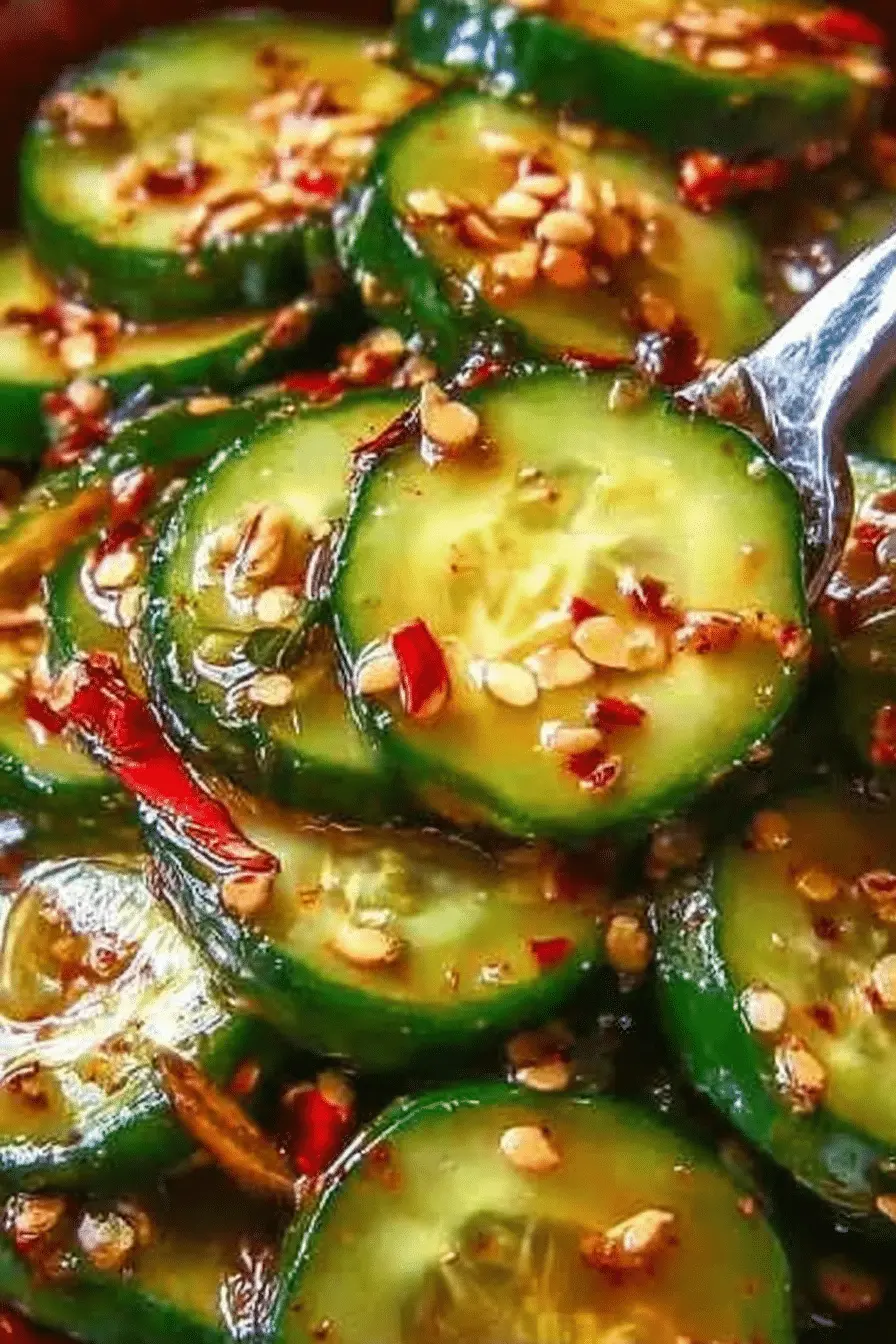
Oi Muchim is a classic Korean banchan (side dish) — compact, quick to prepare, and designed to balance richer elements on the plate. It embodies the Korean approach to harmony: salt, sour, heat, and sesame oil rounded into a single, refreshing bite. In everyday Korean meals it performs a few roles at once: a palate cleanser, a contrast to fatty proteins, and a colorful note on the table. Picture a bowl of glistening green slices tossed in a dressing that smells faintly of toasted sesame and garlic. Serve it at a summer barbecue or a weeknight dinner and the simple dressing brightens everything else you plate. It’s equally welcome on festive tables because the freshness pairs well with heavier celebratory dishes.Everything You Need for Korean Cucumber Salad
Source fresh, firm cucumbers and the best-quality pantry ingredients you can find — small differences in chili flakes (gochugaru) and sesame oil will show. I recommend visiting an Asian market for gochugaru if you want that authentic toasted, mildly smoky heat; otherwise use a neutral chili flake and adjust to taste.- Cucumbers – Choose Korean or Persian cucumbers for their thin skin and crisp, seedy interior; regular cucumbers work but may require extra salting and seeding.
- Salt – Used to draw out excess water so the cucumber stays crunchy once dressed.
- Rice vinegar – Provides the bright, gentle acidity that defines Oi Muchim.
- Soy sauce – Adds savory depth and umami; low-sodium soy sauce is an easy swap.
- Red pepper flakes / Gochugaru – Gochugaru gives smoky heat and a fine texture; use your preferred chili for spice level.
- Sugar or sweetener – Balances the acid and rounds the dressing; alternatives like honey work well.
- Sesame oil – Adds aroma and a rich finish; toasted sesame oil is essential for authenticity.
- Sesame seeds – Provide a nutty crunch and visual contrast.
- Green onions – Freshness and a mild onion bite.
- Garlic (optional) – If you like a savory edge, add a little minced garlic.
A Bit of History: Oi Muchim and Its Place in Korean Meals
Oi Muchim sits in a long tradition of quick, seasoned vegetable dishes that complement a Korean meal’s starch and protein components. Unlike fermented kimchi, this salad is a lightly dressed, fresh preparation that highlights seasonal produce. Families often make it with cucumbers from their garden in the summer — I remember my first attempt with oversized supermarket cucumbers and how learning to salt and drain them changed the texture completely. Over time the salad has adapted: cooks fold in different aromatics or adjust heat to regional preferences, but the core idea remains the same — a quick, bright counterpoint that refreshes the palate. It’s a great entry point to Korean flavors for anyone exploring the cuisine.The Secret to the Perfect Crunch: Choosing and Preparing Cucumbers
- Choose cucumbers with thin skin and few seeds; Korean or Persian cucumbers are ideal for their firmness and mild flavor. Look for bright, taut skin and avoid soft spots.
- Slice for texture and presentation: thin rounds show off the dressing, while half-moons or diagonal slices make for a more substantial bite. A mandoline helps keep slices uniform, but a sharp knife works fine with steady hands.
- Salt to draw out water: sprinkle salt over the slices and toss gently so each piece is touched. This expels excess moisture and firms the flesh; you’ll notice water pooling in the bowl — that’s the goal.
- Rinse and pat dry after salting: a quick rinse removes excess salt so the salad doesn’t taste briny, then pat thoroughly with a clean towel to restore crunch before dressing.
How to Lower the Sodium Without Losing Flavor
Reducing salt does not mean sacrificing depth. Here are practical swaps and techniques that keep the salad lively while cutting sodium:- Use low-sodium soy sauce and boost savory depth with a splash of mushroom-based liquid (or a small spoonful of miso dissolved in the dressing) to add umami without extra salt.
- Acid and aromatics go further in low-sodium versions: increase rice vinegar slightly and add fragrant sesame oil, fresh green onion, and a little minced garlic to compensate.
- Rely on toasty elements like sesame seeds and toasted sesame oil for perceived richness — these flavors make the dish feel fuller even with less salt.
- Compare the versions directly: a higher-salt dressing feels instantly rounder; the low-sodium version requires more time to integrate into the cucumber — chilling for a short period helps flavors meld.
How to Make Korean Cucumber Salad (Step-by-Step)
- Prepare the cucumbers: wash and slice into rounds or half-moons. Aim for uniform thickness so the dressing clings evenly.
- Salt the slices: toss them with a moderate sprinkling of salt and let them rest until you see moisture accumulate in the bowl. This firms the texture.
- Make the dressing: whisk together rice vinegar, soy sauce, red pepper flakes or gochugaru, a touch of sweetness, sesame oil, and optional minced garlic until the sugar dissolves.
- Rinse and dry the cucumbers: quickly rinse to remove excess salt, then pat thoroughly with a clean towel so the dressing adheres properly.
- Toss with dressing: combine the cucumbers and the dressing in a bowl and toss until every slice is coated; the flavors will be bright and fragrant from the sesame oil and vinegar.
- Finish and rest: sprinkle chopped green onions and sesame seeds, toss gently, and refrigerate briefly for the flavors to meld before serving.
Pro Tip for Korean Cucumber Salad: Salt First, Then Rinse for Crunch
- Salt briefly and look for water to collect in the bowl — that indicates the cucumbers are firming up.
- Rinse quickly to avoid over-salting, then pat dry; too much residual water will dilute the dressing and make the salad soggy.
- Use toasted sesame oil sparingly at first; its aroma is strong and a little goes a long way.
- If you’re short on time, slice thinner for quicker salting and faster flavor absorption.
- For the cleanest texture, remove large seeds from standard cucumbers with a spoon before slicing.
Troubleshooting
- If the salad turns watery after sitting, the cucumbers weren’t dried well enough — next time press between towels until thoroughly dry before dressing.
- If the dressing tastes flat, add a touch more acid or a small pinch of sweetness to rebalance.
- If it’s too salty, add a few fresh cucumber slices or a splash more rice vinegar and a touch of sugar to dilute and rebalance.
- I once over-salted when trying a new cucumber variety; rinsing and patting dry saved the salad and reminded me that salting amounts should adapt to cucumber type.
How to Store, Make-Ahead, and Easy Variations
- Storage: Keep the salad in an airtight container in the refrigerator. For best texture eat within a day; the cucumbers will soften over time but remain flavorful.
- Make-ahead: You can prepare the cucumbers and dressing separately and combine just before serving to preserve maximum crunch.
- Variation — Korean-style extra heat: increase gochugaru and add a splash of chili oil for a bolder finish.
- Variation — Crunchy mix: fold in thinly sliced carrots or bell peppers for color and texture contrast.
- Variation — Sesame-forward: add toasted sesame seeds and a touch of toasted sesame powder for deeper nutty notes.
- Seasonal swap: in cooler months, use preserved cucumbers or lightly pickled cucumbers for a different texture and tang.
Frequently Asked Questions
Can I use regular cucumbers instead of Korean or Persian cucumbers? Yes, you can use regular cucumbers, but Korean or Persian cucumbers are preferred for their crunchiness and flavor. How can I make this salad spicier? You can add more chili flakes or gochugaru to the dressing for an extra kick of spice! Is it possible to make this salad in advance? Absolutely! You can prepare the salad a few hours ahead. Just store it in the refrigerator to let the flavors meld. What can I substitute for the sugar if I want to skip it? You can use honey or a sugar substitute like Stevia, but adjust the amount to taste. Can I add other vegetables to the salad? Yes! You can include vegetables like carrots or bell peppers for added color and crunch.Recipe Card
The Korean Cucumber Salad I Make Every Summer — Oi Muchim
- Prep
- 20 min
- Cook
- 35 min
- Total
- 55 min
- Serves
- 6
- Calories
- 400 kcal
Ingredients
- 1.5-2 poundsboneless skinless chicken thighs
- 1 poundbaby Dutch potatoes, quartered
- 3 cupsbroccoli florets
- 1/3 cupolive oil
- 3 clovesgarlic, minced
- 3 tablespoonsfreshly squeezed lemon juice
- 2 teaspoonslemon zest
- 1 tablespoonDijon mustard
- 1 teaspoonsalt
- 1 teaspoonpepper
- 1 teaspoondried basil
- 1 teaspoondried oregano
- 1 teaspoononion powder
- 1/2 teaspoonpaprika
- 1/2 teaspoonground cumin
- 1/2 teaspoondried thyme
- 1/2 teaspoonsugar
- 1 cupGreek yogurt or sour cream
- 1/4 cupfinely grated Parmesan
- 1/4 cupchopped parsley
- 1 tablespoonlemon juice
- 1 tablespoonchopped chives (optional)
- 1 tablespoonminced dill (optional)
- 1/4 teaspoonsalt
- 1/8 teaspoonpepper
Instructions
- 1
Preheat oven to 400 degrees F.
- 2
Combine the Lemon Garlic Marinade ingredients in a freezer size sealable bag. Remove 2 tablespoons to use later for the veggies. Add the chicken to the bag, seal, and turn to coat. Let the chicken marinate at room temperature for 20 minutes.
- 3
Line a large sheet pan with sides (15x21-inches) with foil and spray with cooking spray.
- 4
Add the potatoes, 1 tablespoon reserved marinade and ¼ teaspoon salt. Toss and spread into an even layer. Bake potatoes for 15 minutes.
- 5
After 15 minutes, push the potatoes to one side. Add the broccoli and toss with 1 tablespoon of the reserved marinade. Add the chicken in a single layer.
- 6
Bake uncovered at 400 degrees for 17-22 minutes or until chicken is cooked through.
- 7
Whip up the Yogurt Parmesan Herb Sauce by whisking all ingredients together. Refrigerate until ready to serve.
You might also like
Reviews
Be the first to review this.