Delicious Lamb Tava Recipe: A Comforting Cypriot Classic
- Prep
- 15 min
- Cook
- 240 min
- Total
- 255 min
- Serves
- 6
- Calories
- 809 kcal
- Protein
- 57.00 g
- Carbs
- 33.00 g
- Fat
- 50.00 g
Introduction
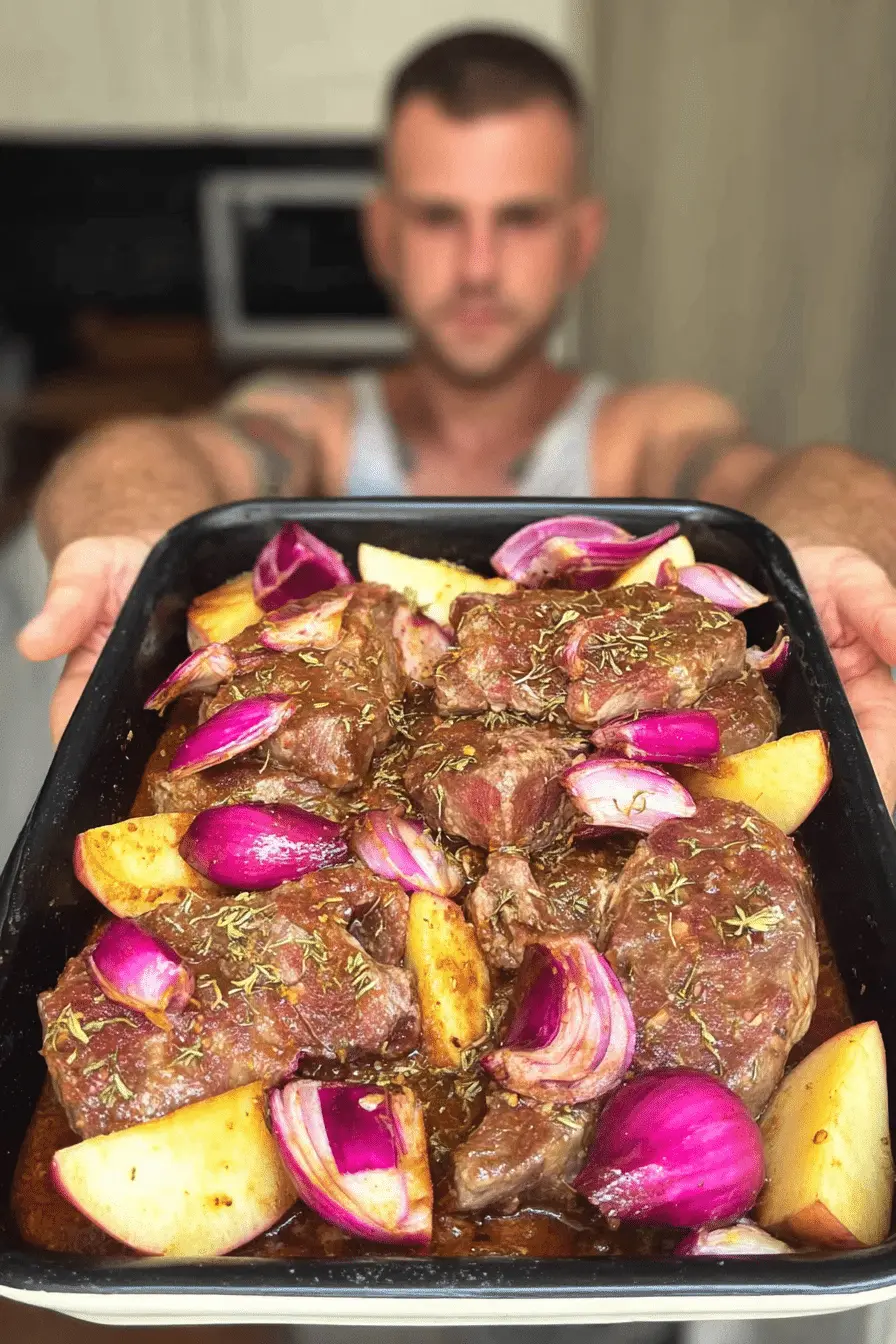
When I first tasted lamb tava on a rainy evening in a tiny Cypriot kitchen years ago, the thing that stayed with me wasn't just how tender the meat was — it was the smell: a warm, tomato-sweet fragrance with whispering notes of cinnamon and cumin that wrapped the whole house like a blanket. Lamb tava (tava meaning the earthenware or oven dish) is a humble, slow-baked staple across Cyprus — the sort of dish families pull out for Sundays, celebrations, or when guests arrive unannounced. It’s rustic and forgiving, and you’ll often see it made in a wide shallow pan with layers of lamb, potatoes and onions, set to slow-cook until everything collapses into silky, savory deliciousness.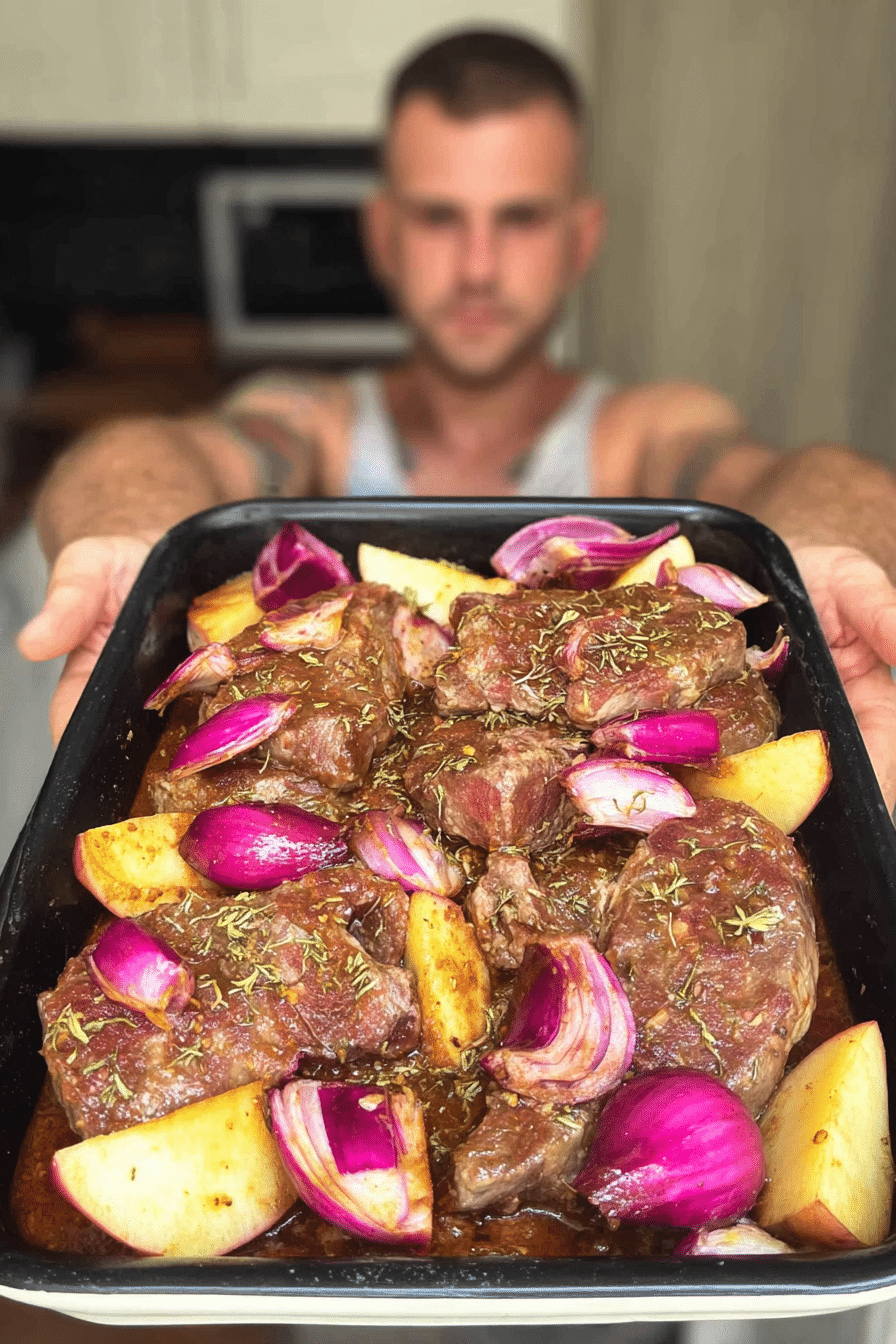
Why You’ll Love This Lamb Tava Recipe
I’ve made this version dozens of times — for weeknight dinners when I wanted something I could mostly forget in the oven, and for weekend feasts where it fed a lively table. Here’s why it keeps coming back to my rotation:- Deep, layered flavor: the blend of tomatoes, a warm pinch of cinnamon and a touch of cumin gives the sauce a savory-sweet roundness that makes each bite interesting.
- Hands-off slow cooking: after a short prep, the oven does the work. Low and slow at 180°C for several hours turns collagen into glossy tenderness.
- Comforting texture: the potatoes bake alongside the lamb and absorb its juices, becoming soft, lightly sticky, and nearly creamy.
- Versatility: make it for a simple weeknight (leftovers reheat beautifully) or scale up for guests — it’s forgiving if you add an extra potato or two.
Ingredients You'll Need
Below I describe each ingredient conversationally so you know why it’s there and what you can swap if needed. Exact amounts and the assembled recipe appear in the step-by-step section that follows.- Lamb shoulder – rich, well-marbled cut that becomes fall-apart tender with slow baking; if you can’t get shoulder, lamb neck works similarly.
- Potatoes – the starchy kind that soften and soak up the juices; they give the dish body and make it a meal on its own.
- Onions – sweet and savory, they melt into the sauce and add natural sweetness as they cook.
- Garlic – whole cloves roasted in their skin add mellow, sweet garlic notes without burning.
- Olive oil – a drizzle to bind spices and add fruity richness; use a good-quality extra virgin if you have it.
- Salt & black pepper – basic, essential seasonings; salt is what brings out the tomato and lamb flavors.
- Ground cinnamon – just a whisper brings warmth and a hint of sweetness that’s classic in Cypriot lamb dishes.
- Ground cumin – adds an earthy, savory backbone that pairs perfectly with lamb.
- Tomatoes – blended into a smooth sauce that braises the lamb; fresh, ripe tomatoes (or good canned) both work.
Step-by-Step Instructions for Preparation
I always prep everything first: meat cut, potatoes peeled, tomatoes blended. It makes the assembly quick and keeps the kitchen calm. The exact recipe below follows the traditional method I use and that I return to when I want reliable results.- Prepare the dish and ingredients Preheat your oven to 180°C (fan-forced). Put the lamb shoulder (2.5 kg, cut into chunks) into a wide, shallow baking dish. Add the potatoes (4, peeled and quartered), 2 onions peeled and quartered, and the whole garlic (a cleaned bulb with cloves separated). I like to use a heavy ceramic or casserole pan if I have one — it holds heat evenly and helps the edges caramelize without drying out the meat.
- Season and coat Pour in about 1 cup of olive oil over the lamb and vegetables. Then add 37.5 grams of salt, 7.5 grams of black pepper, 1 tsp ground cinnamon and 1 tsp ground cumin. Mix everything gently so the lamb and veg are evenly coated. A tip: use your hands (with an oven glove if you prefer) to turn the larger pieces so the oil and spices reach under the meat — that little extra contact helps the surface caramelize and improves the final sauce.
- Add the tomatoes Blend 4 tomatoes until smooth (or use the equivalent of good-quality canned tomatoes) and pour the puree over the lamb and vegetables. Mix lightly so the tomato coats everything. The raw tomato will look thin at first, but trust the long bake — it will concentrate into a glossy braising liquid that clings to meat and potatoes.
- Cover properly Cover the baking dish with a layer of wet parchment paper (soak and wring it out to stop it touching the foil) then seal tightly with aluminium foil. This creates an enclosed steaming environment so the lamb braises in its own juices. I learned the wet parchment trick after once finding foil stuck to the tomato — the parchment keeps the foil off the surface and prevents metallic flavors.
- Bake low and slow Place the dish in the preheated oven and bake for 4 hours at 180°C (fan). The house fills with a comforting, warming scent after about an hour; by two hours you’ll start to see juices pooling; by the last hour the meat should be collapsing and the potatoes soft. If the lamb isn’t quite falling apart at 4 hours, keep it sealed and check every 20–30 minutes — ovens vary and older, tougher shoulders sometimes need a little more time.
- Rest and serve Remove the dish from the oven and let it rest for about 10 minutes before serving. Resting lets the juices settle so the meat stays moist when you serve. Serve hot with crusty bread or your favorite sides.
Cooking Tips for Perfect Lamb Tava
Over many cooks I’ve learned the small things that save a tava from going sideways:- Low and steady wins: 180°C fan for 4 hours is the target; if your oven runs hot, drop to 170°C. High heat will toughen the meat and reduce the time for connective tissue to turn gelatinous.
- Seal it well: the wet parchment + foil seal is not gimmicky — it traps steam and prevents the tomatoes from drying out or the top from forming an unpleasant crust.
- If it tastes flat: add a little acid at the end — a squeeze of lemon or a teaspoon of red wine vinegar brightens the whole dish. Often a little more salt is all that’s needed to lift the flavors.
- Check doneness the right way: use a fork — the meat should part easily and feel silky, not stringy. If it resists, give it another half hour and check again.
- Avoid dry edges: if the top looks like it’s drying out during the final hour, loosen the foil, drizzle a tablespoon of water or stock, then reseal.
Variations: Lamb Tava with Other Ingredients
I often tweak this dish depending on the season, what’s in the pantry, or dietary needs. Here are tested substitutions and ideas that work well:- Different meats: beef chuck can replace lamb for a similar slow-braised result (cook times are similar). If you use lamb leg, it’s leaner — consider adding a bit more oil or a few extra minutes of braising.
- Chicken version: use bone-in thighs and reduce oven time to 60–90 minutes — watch that the tomatoes don’t dry out.
- Vegetarian tava: layer eggplant slices, large mushrooms, potatoes and canned chickpeas. Use vegetable stock and bake covered for 1.5–2 hours until vegetables are very tender.
- Seasonal touches: add root vegetables (carrots, parsnips) in winter; in summer, toss in a handful of olives or roasted red peppers near the end for brightness.
Nutritional Information Breakdown
This dish is comforting and hearty. The nutrition per serving (recipe yields 6) from the original tested recipe is approximately:- Calories – about 809 kcal per serving.
- Fat – approximately 50 g, largely from lamb and olive oil; trimming excess fat from the shoulder reduces this if desired.
- Carbohydrates – around 33 g, mostly from the potatoes and tomatoes.
- Protein – roughly 57 g, making it a protein-rich main.
Cultural Significance of Lamb Tava
Lamb tava carries a warm spot at Cypriot tables. It’s often associated with family gatherings, slow Sunday meals, and times when you want to feed people with minimal fuss but maximum comfort. The dish’s simplicity—few ingredients, slow braising—means it’s accessible but also deeply tied to local tastes: the hint of cinnamon, the tomato base, and the communal feel of sharing a platter straight from the oven. At Cypriot gatherings, simple sides such as our fresh tomato garlic salad often accompany hearty dishes like lamb tava.Conclusion and Serving Suggestions
I serve lamb tava the way my Cypriot host once did — straight from the baking dish, steam curling, with crusty bread to mop the juices. Here are practical serving tips I use every time:- Let the dish rest 10 minutes after baking so juices redistribute.
- For a cooling contrast, offer a cucumber-yogurt dip — tzatziki is perfect here and adds a bright, herby note.
- Warm flatbreads or Turkish bazlama are great for soaking up sauce: serve with bazlama if you want to keep the spread authentic.
- Serve with a fragrant side such as cilantro lime rice or a simple green salad to balance the richness.
FAQ
Can I use a different cut of lamb or another meat for this recipe? Yes. Lamb shoulder is ideal for slow baking because of its fat and connective tissue. You can use lamb neck or leg (adjust cooking time slightly). Beef chuck works well for a similar slow-cooked result. If using chicken, reduce the oven time significantly (about 60–90 minutes) and check for doneness. How do I make sure the lamb becomes fall-apart tender? Cook low and slow: bake covered at 180°C (fan) for about 4 hours as instructed. Keep the dish tightly sealed (wet parchment + foil) so it steams in its own juices. If it isn’t tender after 4 hours, continue cooking and check every 20–30 minutes until a fork easily pulls the meat apart. Can I prepare the dish ahead of time or freeze leftovers? Yes. You can assemble the dish a day ahead and refrigerate covered; bring it to room temperature and then bake as directed. Leftovers keep well in the fridge for 3–4 days. For longer storage, freeze portions for up to 3 months; thaw overnight in the fridge and reheat gently in the oven. What are good side dishes and serving suggestions for lamb tava? Serve hot with crusty bread, a simple green salad, lemony rice, or roasted vegetables. Tzatziki or a yogurt-cucumber dip complements the rich flavors. A dry white or medium-bodied red wine pairs nicely. Is there a vegetarian alternative to lamb tava? Yes. Substitute the lamb with hearty vegetables like layered eggplant, large mushrooms, potatoes, and/or canned chickpeas. Use vegetable stock and olive oil, and reduce the oven time (around 1.5–2 hours) until vegetables are tender and flavours meld. Give this lamb tava a try on a weekend — prep in the morning, let it slow-cook, and come back to the house smelling like something special. It’s the sort of meal that’s both unpretentious and deeply satisfying, and once you’ve made it a couple of times you’ll find your own favorite tweaks: a splash of vinegar at the end, one more clove of garlic, or an extra potato for good measure. Happy cooking — and enjoy the slow, delicious work of it.Recipe Card
Delicious Lamb Tava Recipe: A Comforting Cypriot Classic
- Prep
- 15 min
- Cook
- 240 min
- Total
- 255 min
- Serves
- 6
- Calories
- 809 kcal
- Protein
- 57.00 g
- Carbs
- 33.00 g
- Fat
- 50.00 g
Ingredients
- 2.5 kgLamb shoulder (cut into chunks)
- 4Potatoes (peeled & quartered)
- 2Onions (peeled & quartered)
- 1 wholeGarlic (cleaned)
- 1 cupOlive oil
- 37.5 gramsSalt
- 7.5 gramsBlack Pepper
- 1 tspGround cinnamon
- 1 tspGround cumin
- 4Tomatoes (blended)
Instructions
- 1
Place the lamb shoulder into your baking dish along with the potatoes, onions, and cleaned garlic cloves.
- 2
Pour in the olive oil, then gradually add the salt, pepper, cinnamon, and cumin while mixing to ensure the lamb and vegetables are evenly coated with the seasonings.
- 3
Blend the tomatoes until smooth and pour them over the lamb and vegetables. Mix again to distribute the tomato sauce evenly throughout the dish.
- 4
Cover the baking dish with a layer of wet parchment paper to prevent it from touching the foil. Tightly seal with aluminium foil to retain moisture and steam.
- 5
Place the dish in a preheated oven at 180°C (fan-forced) and bake for 240 minutes.
- 6
Allow the dish to rest for 10 minutes before serving. Serve hot with crusty bread or your favourite sides.
You might also like
Reviews
Be the first to review this.