

I make this lemon asparagus pasta on weeknights when I want something light, bright, and satisfying without standing over the stove for an hour. It comes together in about 30 minutes, which means you can cook, set the table, and sit down while the pasta is still steaming. I love how the lemon keeps the dish lively and the walnuts add just enough crunch to keep it interesting.
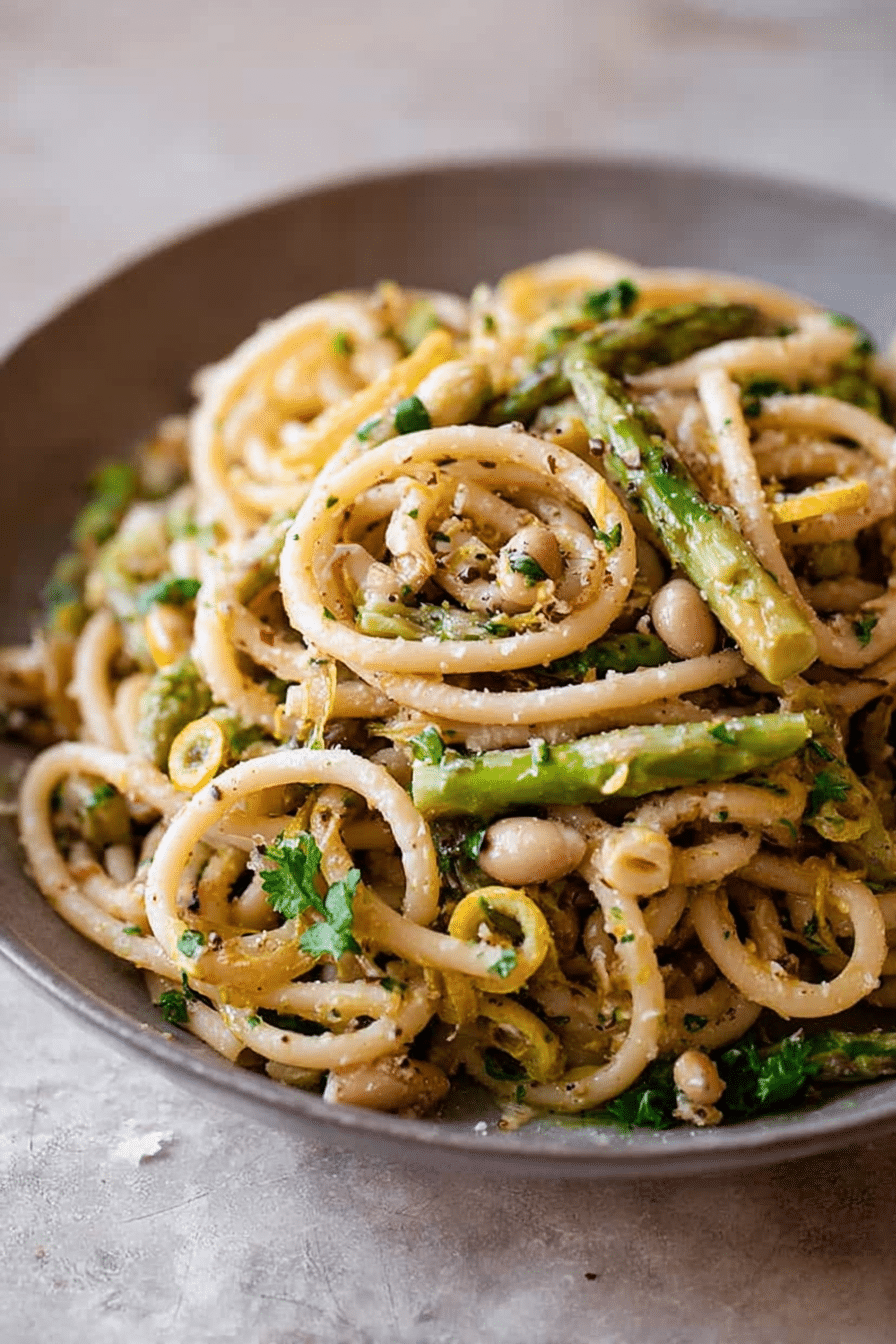
When asparagus is in season I rely on this recipe because the vegetable’s bright green and slight snap feel like spring on a plate. The olive oil–and–lemon sauce is naturally creamy thanks to the pasta water and a bit of mustard — you won’t miss heavy cream, and the whole dish stays light but satisfying.
I’ll admit I learned a few things the first time I tried to make this quickly: don’t overcook the asparagus, and emulsify the sauce slowly so it clings to the pasta. Little timing touches make it feel like you spent more time on it than you actually did.
Bright, 30-Min Lemon Asparagus Pasta — Perfect for Busy Weeknights
This dish is designed around speed and freshness. You’ll be boiling pasta while you prep the asparagus and shake a simple lemon-olive oil emulsion in a jar. Because everything finishes in the pan, plating is fast and the flavors stay vibrant.
Sensory snapshot: imagine bright citrus on your nose, warm garlic and shallot in your mouth, and a forkful that mixes silky sauce with the snap of asparagus and the crunch of walnuts. This is a quick meal that still feels composed and restaurant-ready.
Everything You Need for Lemon Asparagus Pasta
Below I break down why each ingredient matters and how you can substitute smartly — no vague pantry advice, just practical notes to help you shop and prep.
- * Spaghetti or long pasta – Provides lots of surface area so the lemon-olive oil emulsion clings to each strand; swap shapes if you prefer a short pasta.
- * Fresh lemons – Zest for bright aromatics; juice for the acid in the sauce and to lift the dish.
- * Extra virgin olive oil – The backbone of the sauce; a good-quality oil gives flavor and helps the emulsion form.
- * Shallots and garlic – Shallots add gentle sweetness; garlic gives warmth and depth.
- * Asparagus – The star vegetable; keeps color and texture with quick cooking.
- * Toasted walnuts – Add crunch and a toasty note; pistachios or almonds can work if you need a swap.
- * Nutritional yeast – Brings savory, cheesy notes while keeping the sauce plant-forward.
- * Fresh herbs (parsley, basil) – Bright finishing flavors that refresh each bite.
- * Capers and olives – Add briny contrast to the lemon and oil.
- * White beans (optional) – A simple protein boost that keeps the dish filling without meat.
For a light starter that pairs well with this pasta, try a simple roasted vegetable tart to kick things off:
For a delightful appetizer, consider our roasted carrot tart to start your meal.
The One Trick That Makes the Sauce Naturally Creamy
The sauce gets its creaminess from emulsification, not dairy. When you whisk or shake lemon juice and olive oil, they form a loose emulsion; adding starchy pasta water and a touch of mustard binds it into a silky sauce that clings to pasta.
Think of the pasta water as the glue: the dissolved starch swells and helps oil and lemon momentarily behave like a creamy dressing. The Dijon mustard acts as an emulsifier and adds a subtle tang that balances the lemon. You’ll visualize a glossy sauce coating every strand — that’s the goal.
The Secret to Crisp-Tender Asparagus Every Time
When you cook asparagus quickly over medium heat, it retains its bright color, a pleasant snap, and concentrated flavor. Here’s how I check for doneness and season for maximum taste:
- Trim the woody ends before slicing on a bias so every piece cooks evenly.
- Cook briefly over medium heat with shallot and garlic — you want the aromatics softened without browning hard.
- Season while cooking so salt enhances the vegetable’s natural sweetness.
- Look for vivid green color and a slight give when pierced; the asparagus should still have a little bite, not be floppy.
How to Make Lemon Asparagus Pasta (Step-by-Step)
Follow this sequence so timing is tight and everything finishes together. Multitask by boiling pasta while you prep and cook asparagus.
- Bring a large pot of salted water to a boil and start the pasta so it finishes just after the asparagus.
- Zest the lemons and set half aside for finishing; juice enough for the sauce and reserve some for brightness if needed.
- Make the lemon-olive oil emulsion in a jar: combine lemon juice, olive oil, Dijon, salt, and pepper and shake until smooth — it’s faster than whisking.
- Sauté the shallots and garlic over medium heat until softened, then add red pepper flakes and the sliced asparagus; cook until crisp-tender.
- Add hot, drained pasta to the pan with the asparagus, pour in the lemon emulsion, and add crushed toasted walnuts and nutritional yeast.
- Gradually add reserved pasta water while tossing until the sauce becomes glossy and clings to the pasta.
- Finish with the remaining lemon zest, fresh herbs, capers, olives, and beans if using; toss briefly and serve right away.
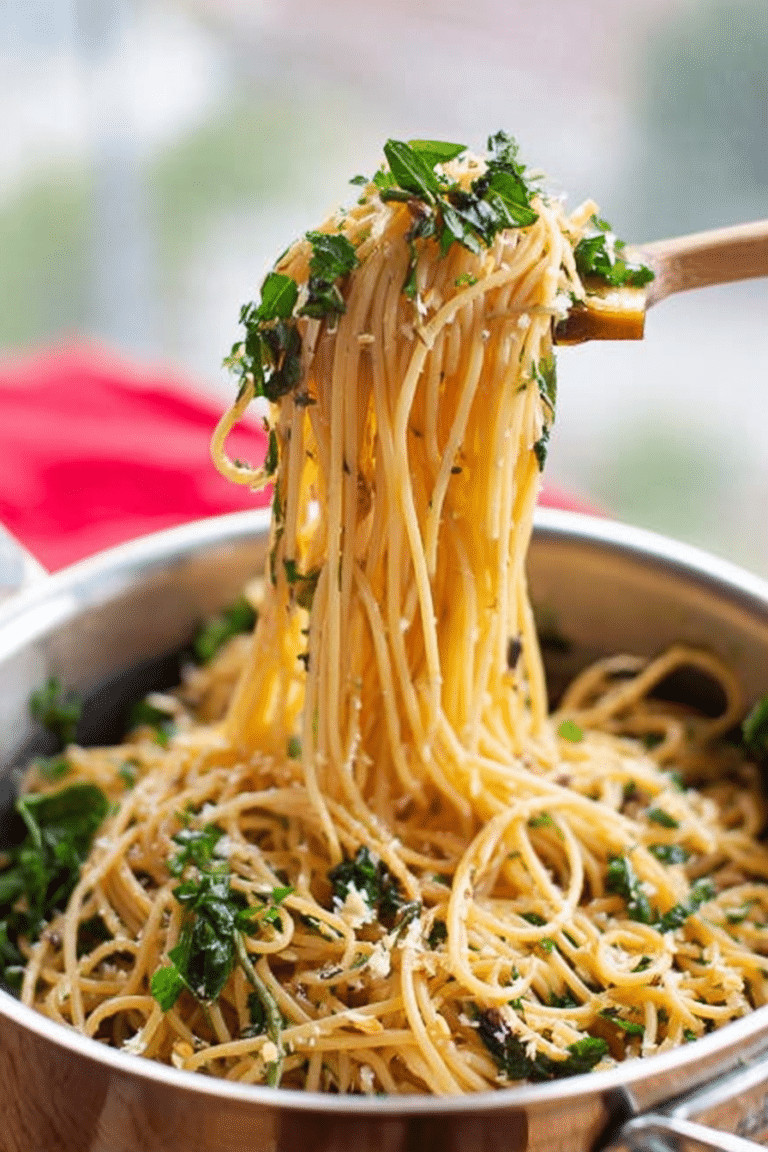
For a simple yet flavorful side, consider pairing your pasta with our garlic butter spaghetti.
Pro Tip for lemon asparagus pasta: Emulsify with pasta water + mustard
These are the quick, high-impact tips I use every time — written as scannable bullets so you can reference them while cooking.
- Add pasta water a little at a time so you can control the sauce thickness; stop when it just coats the pasta.
- Shake the sauce in a jar before it hits the pan so oil and lemon have already begun to marry.
- Use a small spoon of Dijon in the emulsion — it helps the sauce stay combined and adds rounded flavor.
- Finish with lemon zest (not just juice) for fresh aromatics that make the dish pop.
- Experiment with seasonal herbs; basil and parsley bring different brightness and texture.
Quick Variations: Add Protein or Make It Vegan
Keep the core technique and swap proteins or components to suit your diet. These are quick changes that don’t add much time.
- Grilled or pan-seared shrimp — toss in at the end to warm through.
- Sliced grilled chicken or a lemon-basil chicken salad on the side if you want more heft:
If you want to add protein, try serving your pasta along with our lemon basil chicken salad.
- Chickpeas or extra white beans for plant-based protein that blends with the sauce.
- Vegan swap: keep the nutritional yeast and use extra walnuts or a spoon of tahini for added creaminess if you like.
- Cheesy finish: a flake of grated hard cheese or a sprinkle of vegan parmesan alternative for richness.
Troubleshooting
Common problems and quick fixes — keep these on hand so small issues don’t derail dinner.
- If the sauce is oily or separated, whisk in a splash more hot pasta water and a bit more mustard to bring it back together.
- If the pasta is sticky, toss with a little oil and warm water separately, then combine with the asparagus and sauce.
- If asparagus is undercooked, add a tablespoon of water to the pan, cover briefly, then continue cooking until crisp-tender.
- If the dish tastes too tart, stir in a pinch of sugar or a drizzle more olive oil to balance acidity.
How to Store, Reheat, and Meal-Prep Lemon Asparagus Pasta
Practical tips for busy schedules and make-ahead meals.
- Refrigerate leftovers in an airtight container for up to 3 days; beans help the dish stay filling.
- Reheat gently on the stovetop with a splash of water or olive oil to refresh the sauce and loosen the pasta.
- For meal prep, store the pasta and sauce together if you’ll eat within a couple of days; if you plan for longer, keep sauce separate and combine when reheating.
- Pack herbs and lemon zest separately and add them just before serving to keep flavors bright.
Nutritional Information and Health Benefits of Key Ingredients
Per serving (approximate):
- Calories: 610 kcal
- Fat: 31 g
- Carbohydrates: 70 g
- Protein: 18 g
Health highlights:
- Lemons provide vitamin C and antioxidants that support immunity and brighten flavors without added fat.
- Asparagus is rich in fiber, folate, and vitamins A and K; quick cooking preserves color and nutrients.
- White beans add plant protein and fiber, which boost satiety and make the plate more balanced.
- Olive oil contributes heart-healthy monounsaturated fats and helps the body absorb fat-soluble nutrients in the herbs and vegetables.
Dietary Swaps for Common Allergens
Easy swaps so more people can enjoy this pasta without losing the core flavor profile.
- Gluten-free pasta — choose a brown-rice or legume-based pasta and adjust cooking time per package instructions.
- Nut-free option — replace walnuts with pumpkin seeds or toasted sunflower seeds for crunch.
- Mustard-free emulsifier — use a small amount of aquafaba or a bit of blended white bean for stability if you can’t use mustard.
- Dairy-free — the recipe is already free of dairy; nutritional yeast gives a savory, cheese-like finish for vegan diners.
Serving Suggestions
Keep the meal balanced with a simple side and a light dessert. A crisp green salad or blistered cherry tomatoes work beautifully. To finish, serve something bright and not-too-heavy:
Finish your meal with a slice of lemon blueberry cake, an exquisite sweet treat that complements the pasta perfectly.
Frequently Asked Questions
Can I use a different type of pasta for this recipe?
Absolutely! While spaghetti works great, feel free to use your favorite pasta shape, such as penne or fettuccine.
How can I make this recipe vegan?
To make it vegan, simply omit any non-vegan finishing cheese and keep the nutritional yeast; the sauce and most ingredients are already plant-based.
What can I substitute for asparagus if it’s not available?
You can substitute asparagus with broccoli, zucchini, or even snap peas for a different but still delicious texture and flavor.
How do I store leftover lemon asparagus pasta?
Store leftovers in an airtight container in the refrigerator for up to 3 days. Reheat in the microwave or on the stovetop with a splash of water to help it regain its moisture.
Can I add protein to this dish?
Yes! Grilled chicken, shrimp, or even chickpeas make excellent additions if you’re looking to boost the protein in your meal.
Lemon Asparagus Pasta
Ingredients
Method
- Bring a large pot of water to a boil for the pasta. Add a generous amount of salt. Add the pasta and cook according to the package directions, stirring occasionally, until just al dente. Drain the pasta, reserving 1 cup of the pasta water.
- Zest the lemons and divide the zest into two piles. Set aside.
- Meanwhile, make the Lemon Sauce. In a mason jar, combine 5 tablespoons of the lemon juice, 5 tablespoons of the extra virgin olive oil, 1/2 teaspoon Dijon mustard, 1 teaspoon kosher salt, and black pepper to taste. Shake until emulsified.
- Cook the asparagus in a sauté pan over medium heat. Once warmed, add the shallots and garlic. Cook for 2 to 3 minutes, then add red pepper flakes and cook for 30 seconds. Add the asparagus and one half of the lemon zest. Season and cook for 3 minutes until the asparagus is crisp-tender.
- Add the hot cooked pasta and the Lemon Sauce to the asparagus mixture, along with the crushed walnuts and nutritional yeast. Add pasta water as needed, and toss until the sauce is emulsified.
- Add the remaining lemon zest, basil, parsley, capers, olives, and white beans, if using. Toss again and briefly cook for 30 to 60 seconds. Serve immediately.