

I make these lemon cookies when I need a fast, bright dessert that still feels special. They come together quickly — a short mix, a little rolling in sugar, and about ten minutes in the oven — and the kitchen fills with that clean citrus scent I always look for. I like that a single batch yields a small stack suitable for a neighbor drop-off or a family treat.
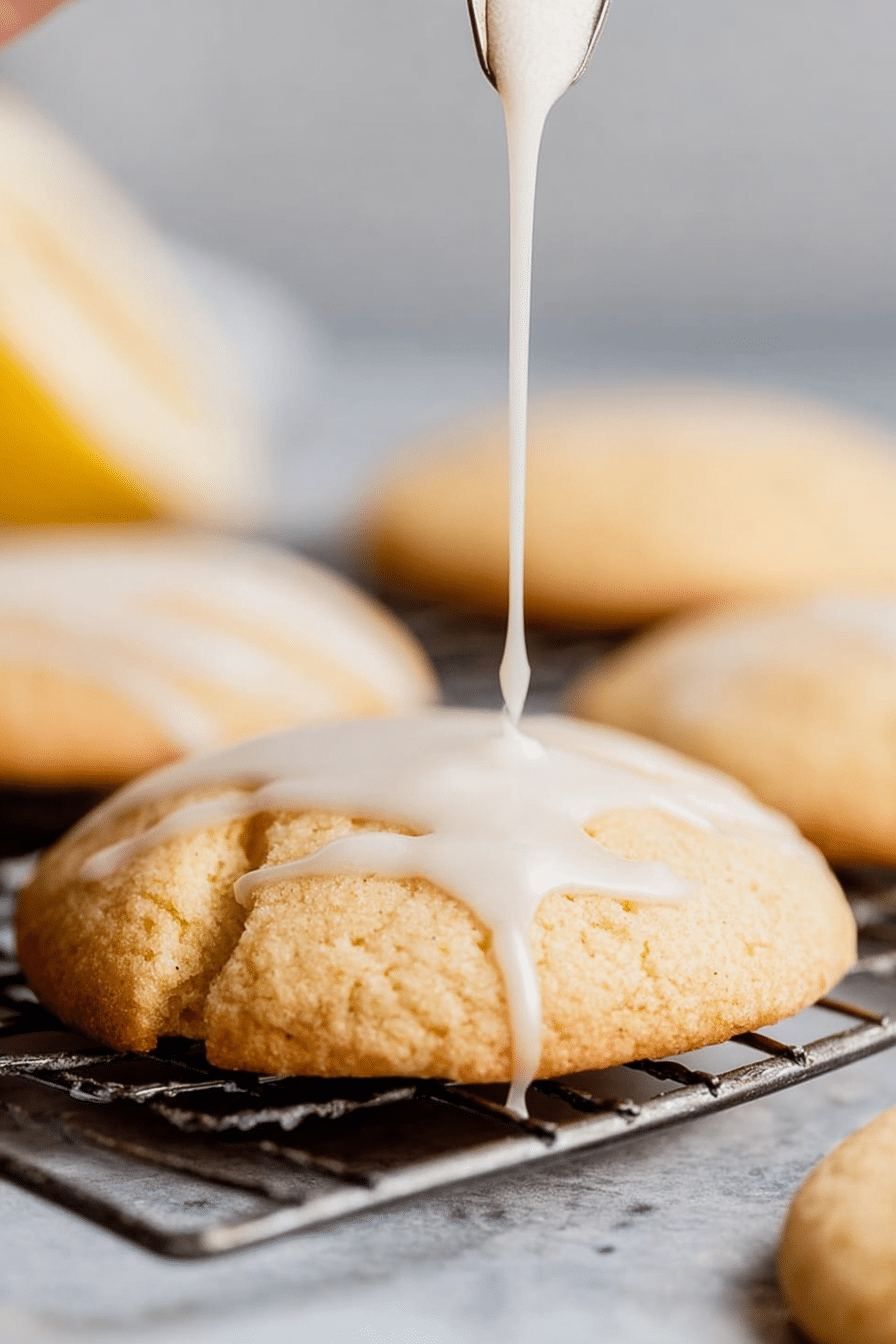
I like these cookies because the centers stay tender while the edges crisp just enough — the contrast is what makes them feel homemade rather than store-bought. I often leave the poppy seeds out for a simple lemon version, or fold them in for a slightly nutty crunch when I want extra texture. In my kitchen they’re a go-to when time is limited but I still want something that looks like effort went into it.
The ingredients are basic pantry staples and the steps are straightforward. If you want a variation or to make them ahead, there are easy swaps and storage tips below that I actually use when I bake a few batches at once.
Why These Lemon Cookies Are Perfect for Busy Home Bakers
These cookies fit a busy schedule because prep and bake times are short and the yield is modest, making them convenient for quick hosting or everyday sweet cravings. The simple steps let you multitask — zest the lemon while your mixer creams the butter — and the dough handles well if you need to chill or freeze it for later.
The aroma of lemon while they bake signals when to check them: look for barely-golden edges and a soft center. The visual cue is reliable and saves you time standing at the oven.
Everything You Need for Lemon Cookies with Lovely Lemon Glaze
Below I describe each main ingredient and why it matters. I also list a few basic tools to have on hand.
- All-purpose flour – Provides structure; you can swap with a cup-for-cup gluten-free blend if needed (see the Dietary Swaps section).
- Baking powder – Gives a modest lift for a tender crumb and slightly domed top.
- Poppy seeds (optional) – Add visual contrast and a subtle crunch when included.
- Salt – Balances sweetness and brightens the lemon flavor.
- Butter (softened) – Incorporates air when creamed with sugar; do not use melted butter here (see Why Butter Temperature… for details).
- Granulated sugar – Sweetens and helps create crisp edges when the cookies bake.
- Lemon zest & lemon juice – Zest delivers concentrated lemon oil and aroma; juice adds clean acidity to the dough and the glaze.
- Egg (room temperature) – Helps bind and emulsify the dough so it holds together without overworking.
- Almond extract (optional) – A small amount rounds the citrus without tasting nutty.
- Powdered sugar for the glaze – Gives a shiny finish; you can swap with a powdered sugar alternative for special diets (details below).
If you like textures that are soft and pillowy, check out another option for soft lemon cookies in my collection:
If you love lemon desserts, check out our soft chewy lemon cookies for another delicious treat!
The Secret to Soft Centers and Crispy Edges
Texture is a function of temperature, timing, and dough handling. These are the practical points I follow every time:
- Oven temperature: a moderately hot oven sets the edges quickly while the center stays soft; watch the edges for the first golden hint.
- Baking time: remove the cookies when edges are barely golden and centers look set but still soft; they firm up as they cool.
- Dough handling: don’t overmix once the dry ingredients are added — mix until just combined to avoid tough cookies.
- Spacing: give each dough ball room to spread so edges crisp without merging into neighbors.
Why Butter Temperature and Room-Temp Eggs Matter
Both butter and eggs affect how the dough forms and how the cookies spread.
- Softened butter traps air when creamed with sugar, which creates a light texture. Butter that’s too soft or melted won’t hold air and leads to flatter cookies.
- Room-temperature eggs integrate smoothly and help emulsify the batter, giving a uniform texture and predictable rise.
- Accurate measuring ensures consistent results—flour packed too tightly will make dense cookies, so fluff and level before measuring or weigh if possible.
Optional: Adding Poppy Seeds for Texture and Flavor
Poppy seeds bring a subtle nutty taste and a speckled look that makes the cookies visually interesting. They don’t alter baking time but they do change the mouthfeel slightly.
- Poppy seeds add a faint crunch and visual contrast against the pale lemon dough.
- Flavor shift is mild: the lemon remains dominant while the seeds add a background texture.
- Other mix-in ideas: chopped nuts, white chocolate chips, or finely chopped dried fruit for different textures and flavors.
How to Make Lemon Cookies with Lovely Lemon Glaze (Step-by-Step)
- Preheat your oven and line a baking sheet with parchment so cookies release cleanly and bake evenly.
- Whisk dry ingredients together (flour, baking powder, salt, and poppy seeds if using) to ensure even distribution.
- Cream softened butter with granulated sugar and lemon zest until light; add the room-temperature egg and almond extract and mix until combined.
- Mix in the dry ingredients slowly, then add fresh lemon juice and combine on low speed until just incorporated—avoid overmixing.
- Portion dough with a medium scoop or by hand, roll into balls, and roll each in granulated sugar for a sparkly exterior. Space them apart on the sheet.
- Bake until edges are barely golden; remove and cool briefly on the sheet before transferring to a rack to cool completely.
- Make the glaze by stirring powdered sugar with lemon juice and a touch of extract; spoon or spread glaze over cooled cookies and let set.
Troubleshooting
- If cookies spread too much: your butter may be too soft or the dough too warm—chill briefly before baking.
- If cookies are flat and greasy: check that you didn’t use melted butter and that the oven temperature is accurate.
- If centers are underbaked: give them a minute or two more in the oven, but watch the edges closely.
- If glaze is floppy: add more powdered sugar to thicken, or chill briefly to set.
Pro Tip for Lemon Cookies with Lovely Lemon Glaze: Get the Perfect Glaze Consistency
Use these quick rules for glaze thickness and application. For more decorative techniques, see the linked guide below.
- Thicker glaze: more powdered sugar than lemon juice — holds shape and creates a glossy coating.
- Thinner glaze: more lemon juice than powdered sugar — ideal for a light drizzle.
- Troubleshoot runny glaze by adding powdered sugar a tablespoon at a time until it reaches a spreadable consistency.
- For neat edges, spoon glaze in the center and gently spread toward the edges; allow to set on a cooling rack to prevent pooling.
For expert tips on achieving the perfect glaze, see our article on glazed lemon cookies.
Variations
- Lemon-poppyseed: add poppy seeds to the dough and sprinkle a few on the glazed tops for contrast.
- White chocolate drizzle: melt white chocolate and thin slightly with a bit of neutral oil for a contrasting garnish.
- Herb twist: fold in a small amount of finely chopped fresh basil or thyme for a savory hint that pairs surprisingly well with lemon.
What to Serve with These Lemon Cookies (Beverage & Dessert Pairings)
These cookies pair well with light, refreshing beverages and simple desserts that don’t compete with citrus. Try iced tea, sparkling water with lemon, or a mild coffee. For dessert pairings, fresh berries or a light sorbet complement the bright lemon flavor.
Pair these cookies with delightful lemon blueberry cupcakes for a refreshing dessert experience.
How to Store, Reheat, and Make-Ahead Lemon Cookies
- Store baked cookies in an airtight container at room temperature for up to a week; layer with parchment to prevent sticking.
- Freeze baked cookies in a single layer, then transfer to a freezer-safe bag or container; thaw at room temperature before glazing if needed.
- Freeze raw dough rolled into balls on a baking sheet, then transfer to a bag; bake from frozen, adding a minute or two to the bake time.
- Reheat briefly in a low oven or microwave for a few seconds to refresh texture; the aroma when reheated is best right out of the oven.
Types of Lemon Cookies: Chewy vs. Crispy
Adjustments to baking time, fat state, and sugar can shift a cookie from chewy to crispy. Chewier cookies usually come from slightly underbaking and using more brown sugar or room-temp butter; crispier cookies use more granulated sugar, slightly longer bake time, and a higher oven temperature for faster edge browning. Visual and tactile cues: chewy cookies feel soft and slightly yielding in the center, while crispy ones snap at the edge and feel firm.
Dietary Swaps: Gluten-Free & Vegan Options
Here are practical swaps I’ve tested or recommend when adapting this recipe.
- Gluten-free: use a cup-for-cup gluten-free flour blend that contains xanthan gum for the best structure.
- Vegan: replace the egg with a flax or chia egg substitute and use dairy-free butter; expect a slightly different crumb but similar flavor.
- Sugar alternatives: powdered erythritol or other powdered sweeteners can work in the glaze; test proportions since sweetness and bulk vary.
For a healthy alternative that accommodates gluten-free and vegan diets, try our lemon blueberry baked oatmeal.
User-Generated Content: Share Your Lemon Cookie Variations
I like seeing how readers put their spin on recipes. If you try these cookies, share your tweaks — whether you added mix-ins, changed the glaze, or adapted them for a diet — and note what worked or what you’d change next time. A simple photo and a short note about timing or texture helps others replicate your success.
Frequently Asked Questions
Can I use salted butter instead of unsalted butter?
Yes, you can use salted butter, but it may alter the overall flavor slightly. If you choose to use salted butter, consider reducing the added salt in the recipe.
How can I make these cookies gluten-free?
You can substitute the all-purpose flour with a gluten-free all-purpose flour blend that measures cup for cup. Make sure it contains xanthan gum for the best texture.
What is the best way to store these lemon cookies?
Store the cookies in an airtight container at room temperature for up to a week. You can also freeze them for longer storage, just make sure to separate them with parchment paper.
Can I make the lemon glaze ahead of time?
Yes, you can prepare the glaze in advance. Store it in a sealed container in the refrigerator for up to a week. Just give it a good stir before using it.
Can I add other flavors to the cookies?
Absolutely! You can try adding flavors like vanilla extract or even a bit of coconut for a fun twist. Feel free to get creative!
Lemon Cookies with Lovely Lemon Glaze
Ingredients
Method
- Preheat oven to 350 degrees F. Line a large baking sheet with parchment paper. Set aside.
- In a large bowl, whisk together the flour, baking powder, poppy seeds (optional) and salt.
- In the bowl of an electric mixer, add in softened butter, sugar and lemon zest; beat on high for 2 minutes. Next add in egg and almond extract. Beat for 1 minute until well combined.
- Slowly add in the dry ingredients and fresh lemon juice and mix on medium low speed until well combined.
- Use a medium cookie scoop to grab the dough, then use your hands to roll dough into a ball. Roll in sugar, then place on prepared baking sheet. Repeat, leaving at least 2 inches between each dough ball.
- Bake for 11-14 minutes or until edges are barely golden brown. Remove from oven and allow to cool 5 minutes on baking sheet before transferring to a wire rack to finish cooling.
- Once cookies are completely cooled, make the glaze by adding powdered sugar, 1 tablespoon fresh lemon juice and almond extract in a medium bowl. Stir to combine.
- Spoon about ½ tablespoon of glaze to each cookie and use a spoon to spread around. Enjoy!