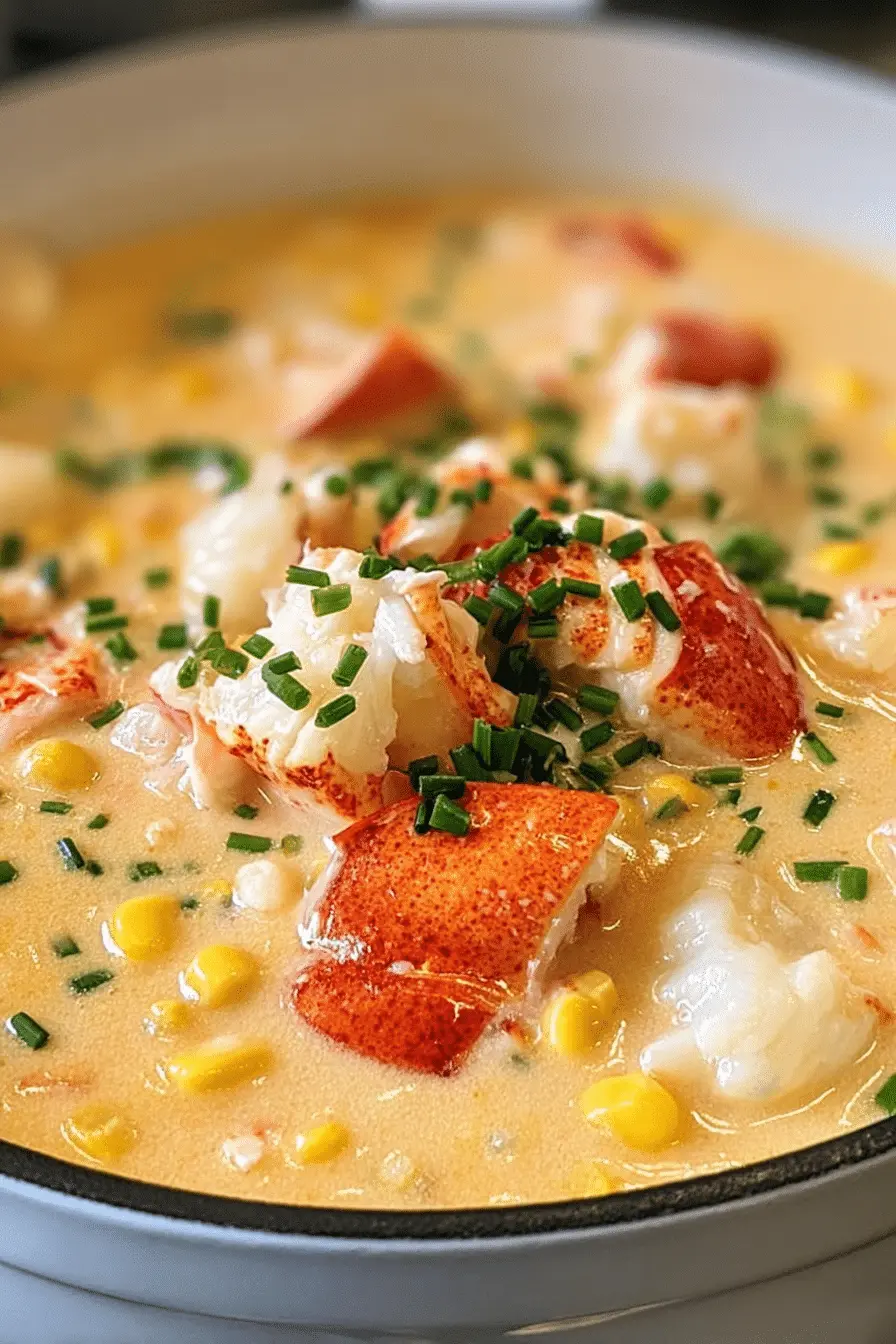
How I Make Restaurant-Quality Lobster Chowder at Home
- Prep
- 15 min
- Cook
- 60 min
- Total
- 75 min
- Serves
- 6
- Calories
- 351 kcal
- Protein
- 16.00 g
- Carbs
- 28.00 g
- Fat
- 19.00 g
Introduction
I learned to make lobster chowder the way a sculptor learns to carve marble: by understanding the material, respecting the tools, and refusing to rush the final polish. In my kitchen this chowder is a study in control — browning aromatics just enough to coax sweetness, building a roux that binds without tasting floury, and finishing with lobster added late so its texture sings against the creamy base.
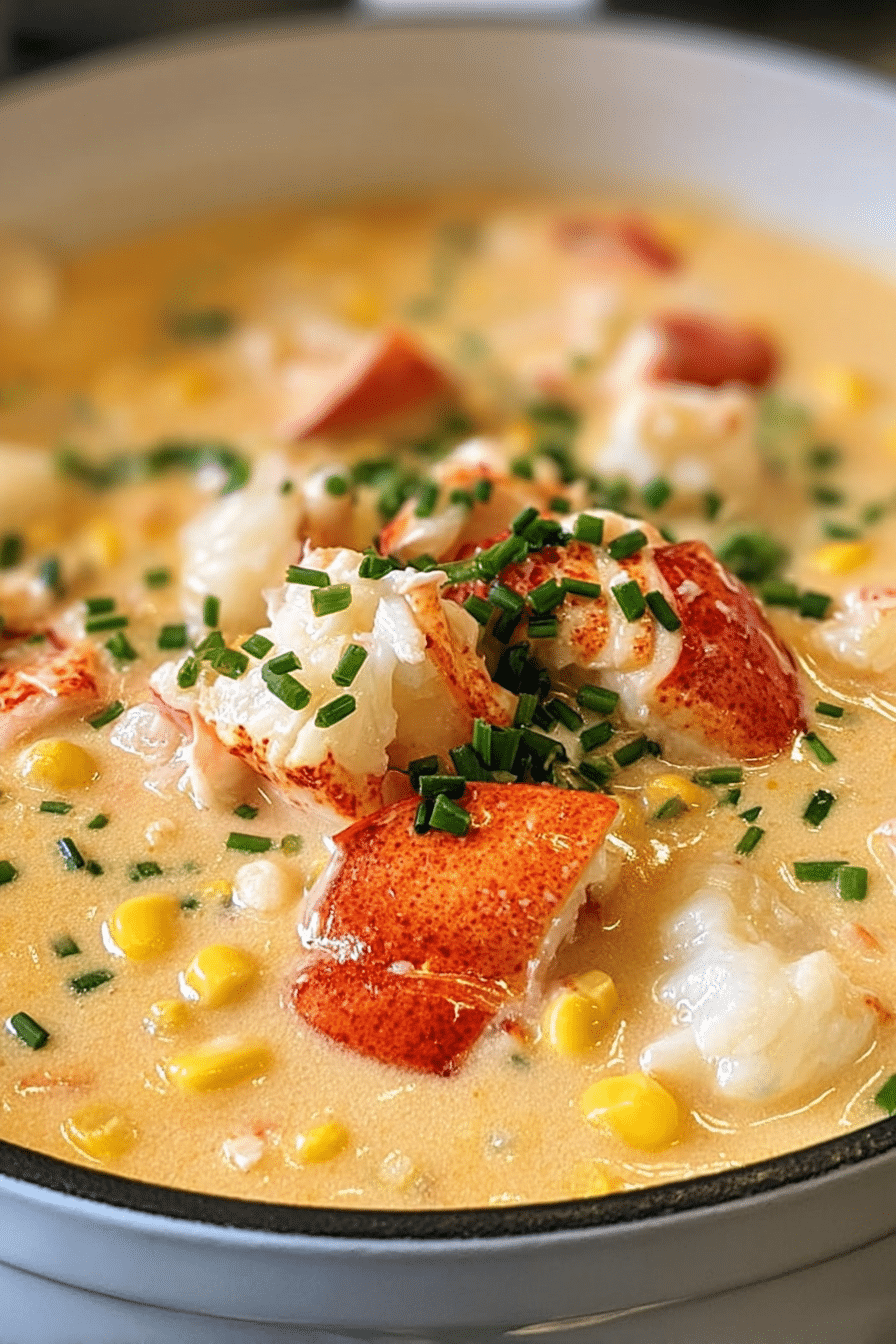
There is a technical pleasure to this recipe that I know other confident home cooks will appreciate: controlling emulsion, managing starch, and timing the lobster so the meat remains tender. The result is luxurious — a silky broth that still has bite from potatoes and briny pockets of lobster meat. The aroma of butter and fresh thyme rising from the pot is unmistakable and instantly hospitable.
Over the years I've refined small decisions — when to steep lobster in milk, how long to cook the roux on low, and when to season — so you don’t have to reinvent each wheel. Read on for a precise discussion of ingredients, texture secrets, process notes, dietary swaps, and ways to adapt this chowder for the season or the pantry.
Why This Lobster Chowder Is Perfect for Skilled Home Cooks
This chowder asks you to use technique rather than shortcuts. You sauté aromatics to develop sweetness and fond, make a light roux to thicken without graininess, and simmer gently so starches soften but the dairy does not split. The ingredients are straightforward, but the method is where depth happens — that layered approach is what lifts this from a simple soup to a luxurious plate.
The sensory payoff is immediate: the kitchen fills with a warm, buttered aroma while you still have bright, oceanic notes from the lobster. Visually, the pale cream is studded with colorful vegetables and ruby lobster pieces — that contrast signals quality and care. If you appreciate seafood soups, you might also appreciate our clam chowder, which highlights the same creamy texture and depth of flavor.
Everything You Need for Lobster Chowder
- Lobster meat – The star; use claw and body meat for a mix of texture. Fresh is ideal, frozen or canned are acceptable when handled properly.
- Unsalted butter – Builds richness and carries flavor; control seasoning by starting with unsalted.
- All-purpose flour – The thickening agent in a classic roux; gluten-free blends or cornstarch can be substituted (see swaps).
- Potatoes – Provide body and a slightly crumbly texture that distinguishes chowder from bisque.
- Onion, celery, carrots – The aromatic soffritto that creates sweetness and fragrance; sweat gently rather than rush to brown.
- Stock (chicken, vegetable, or seafood) – The backbone of the broth; seafood stock will deepen the ocean notes, chicken stock keeps it neutral and elegant.
- Milk (or cream) – Adds silk and mouthfeel; finish with cream for extra luxury or milk for a lighter result.
- Fresh thyme – Subtle herbal lift that complements lobster without overwhelming it.
- Sea salt and black pepper – Layer seasoning through the process; finish and adjust at the end.
The Secret to the Perfect Chowder Texture
- Start with a controlled roux: melt the butter, add the flour, and cook on low until it loses the raw flour smell but stays pale. This gives a silky body without a pasty taste.
- Temper liquids: whisk in stock slowly to prevent lumps and to maintain a smooth emulsion. Avoid shocking a cold dairy into a hot base; bring the dairy closer to the soup temperature if needed.
- Simmer gently: a low simmer allows potato starches to release and thicken the broth naturally while keeping liquids glossy rather than curdled.
- Finish late: add lobster near the end so the meat warms through but remains tender — overcooking makes it rubbery and fatigues the flavor.
- Texture balance: aim for a silky broth with substantial chunks of potato and generous morsels of lobster to deliver both creaminess and chew.
Fresh vs. Frozen Lobster: Taste, Cost, and Timing
Fresh lobster offers the clearest, sweetest ocean flavor and a firmer texture; if you can get whole lobsters, poach them briefly and pick the meat for the dish. Frozen lobster is convenient, often more affordable, and when thawed slowly it can still contribute excellent flavor. Canned or vacuum-packed lobster is acceptable in a pinch but tends toward a softer texture and a milder taste.
Cost-wise, fresh whole lobster is the premium choice; frozen claw and knuckle meat is a sensible compromise for entertaining. From a sustainability perspective, check labels or ask your fishmonger about sourcing — responsibly harvested shellfish will taste better and align with long-term seafood health. Cooking times barely change between fresh and thawed frozen meat — just reduce the final simmer for previously-cooked lobster so it doesn’t overcook.
Layering Flavor: Building a Deep, Luxurious Broth
- Sauté the aromatics until translucent and fragrant; this step caramelizes sugars and builds a sweet base note that supports the lobster.
- Add the roux and cook it gently to bind the butter and flour; this creates a stable base that will carry the broth’s fat and flavor.
- Whisk in stock to lift the fond and create depth; if you want more marine character, use a light seafood stock or a sachet of shells simmered briefly beforehand.
- Introduce milk or cream and allow the mixture to marry over low heat — this is when the chowder achieves its luxurious mouthfeel.
- Season in layers: start lightly, taste as potatoes soften, and finish boldly just before serving so the seasoning sings with fresh herbs and a final grind of pepper.
How to Make Lobster Chowder (Step-by-Step)
- Soak the lobster meat briefly in milk while you prepare the base to mellow the flavor and keep it tender; reserve the milk for later if you want a subtle lobster note.
- Melt butter over medium heat and add diced celery, carrots, and onion; sauté until the vegetables are softened and fragrant but not browned.
- Stir in the flour to form a light roux; reduce heat and cook for a few minutes, stirring constantly so it does not darken or burn.
- Whisk in the stock gradually until the roux is fully incorporated and the liquid is smooth; scrape the pan to lift any browned bits for extra flavor.
- Add the reserved milk (or cream) and mix thoroughly to combine with the stock base, creating a unified broth.
- Stir in diced potatoes and a sprig of fresh thyme; simmer gently until the potatoes are tender and the broth has thickened naturally from released starches.
- Season with sea salt and fresh black pepper to taste, then fold in the lobster meat and allow it to simmer briefly so the flavor melds without overcooking the lobster.
- Finish with a quick taste adjustment and a small knob of butter or a splash of cream if you want extra silk; serve hot with fresh herbs and crusty bread.
Pro Tip for lobster chowder recipe: Gluten- and Dairy-Free Swaps
- Use a gluten-free all-purpose blend or a cornstarch slurry in place of flour to thicken; mix the slurry with cold liquid before adding to the hot soup to prevent clumping.
- Replace dairy with full-fat canned coconut milk or an unsweetened oat cream for a creamy mouthfeel; reduce heat when adding to avoid separation.
- Swap butter for a neutral oil or vegan butter when you need a dairy-free fat source; finish with a little extra oil for sheen.
- If you follow multiple restrictions, consider combining a gluten-free roux with a plant-based cream to keep richness while meeting dietary needs.
Easy Variations and Seasonal Twists
- Spring: fold in tender peas or chopped asparagus leaves at the end for color and a sweet contrast to the rich broth.
- Summer: finish with a handful of fresh basil or chives and a squeeze of lemon for brightness that cuts through the cream.
- Autumn/Winter: add roasted root vegetables or a smoked bacon garnish for savory depth and seasonal warmth.
- Protein swaps: try a mix of scallops and crab meat if lobster is scarce — adjust final cooking times to keep shellfish tender.
For a refreshing twist, pair your chowder with a lemon ginger turmeric shot that enhances the dish's flavors.
How to Store, Reheat, and Make-Ahead Lobster Chowder
- Refrigerate leftovers in an airtight container and consume within three days for best quality; the texture is at its peak on day one.
- Freeze chowder in portioned containers for up to two months; thaw overnight in the refrigerator before reheating gently on the stove.
- Reheat slowly over low heat to preserve emulsion; if the broth tightens, stir in a touch of warm stock or cream to loosen the texture.
- For make-ahead convenience, prepare the base through the simmering stage, cool, and refrigerate—add lobster just before final reheating to protect its texture.
For a creamy alternative, try making our potato leek soup, which can also be prepared in advance and stored similarly.
Suggested Side Dishes to Pair with Lobster Chowder
- A crisp green salad with a lemony vinaigrette to cut the richness and add a refreshing counterpoint.
- Thick slices of crusty bread or a warm buttered loaf for mopping up the broth and adding crunch.
- A light, zesty slaw for texture contrast and bright acidity that balances the chowder's cream.
- To drink: a chilled unoaked white wine or a crisp sparkling water with lemon complements the seafood without overpowering it.
Consider serving your lobster chowder with creamy garlic chicken for a truly indulgent meal.
Troubleshooting
- I over-reduced the chowder and it became too thick — I save it by whisking in warm stock a little at a time until the desired silkiness returns.
- If the roux tastes floury, I cook it a touch longer on low heat until the raw edge is gone, stirring constantly so it stays pale.
- If the dairy begins to separate when added, I remove from the heat, whisk in a small splash of starchy cooking liquid, then return to low heat to stabilize the emulsion.
- When lobster turns rubbery, it's always because it was simmered too long — I add it at the very end and allow only a short warming period.
Frequently Asked Questions
Can I use fresh lobster instead of frozen?
Absolutely! Fresh lobster will add a wonderful flavor to the chowder, but you can use frozen if it's more convenient. Just make sure to thaw it properly before cooking.
How long can I store leftover lobster chowder?
You can store leftover chowder in an airtight container in the fridge for up to 3 days. Just reheat it gently on the stove when you're ready to enjoy it again!
Can I make lobster chowder gluten-free?
Yes! Simply substitute the all-purpose flour with a gluten-free flour blend or cornstarch to thicken the chowder. It will still be delicious!
What side dishes go well with lobster chowder?
Lobster chowder pairs wonderfully with a fresh salad, crusty bread, or even a light, zesty slaw for a refreshing contrast.
How can I make my chowder creamier?
For a creamier texture, consider adding half-and-half or heavy cream instead of milk. If you're looking for a lighter option, using just cream is a great way to boost richness.
Recipe Card
How I Make Restaurant-Quality Lobster Chowder at Home
- Prep
- 15 min
- Cook
- 60 min
- Total
- 75 min
- Serves
- 6
- Calories
- 351 kcal
- Protein
- 16.00 g
- Carbs
- 28.00 g
- Fat
- 19.00 g
Ingredients
- 10 ounceslobster claw and body meat ((frozen or canned))
- 1/2 cupunsalted butter ((1 stick))
- 1/2 cupall purpose flour
- 2 cupsdiced potatoes
- 1 cupdiced onions
- 1 cupdiced celery
- 1 cupdiced carrots
- 2 cupschicken stock ((vegetable or seafood stock can be substituted))
- 2 cupsmilk
- 1 teaspoonfresh thyme
- —sea salt and black pepper (to taste)
Instructions
- 1
Soak lobster meat in milk while preparing soup until needed.
- 2
Melt butter in a medium saucepan.
- 3
Add diced celery, carrots, and onion. Sauté for 3-4 minutes then add flour and stir it all together. Reduce heat to low and allow to cook for about 5 minutes. Do not let this burn or darken!
- 4
Whisk in stock until fully incorporated.
- 5
Remove lobster meat from milk and set aside.
- 6
Add milk to the soup, mixing well.
- 7
Add potatoes to soup and continue to simmer for about 30 minutes or until potatoes are softened (20-30 minutes).
- 8
Add fresh thyme.
- 9
Season with sea salt and pepper to taste.
- 10
Add lobster and allow to simmer for 7-10 minutes to build the lobster flavor.
- 11
Serve and enjoy!
You might also like

Reviews
Be the first to review this.