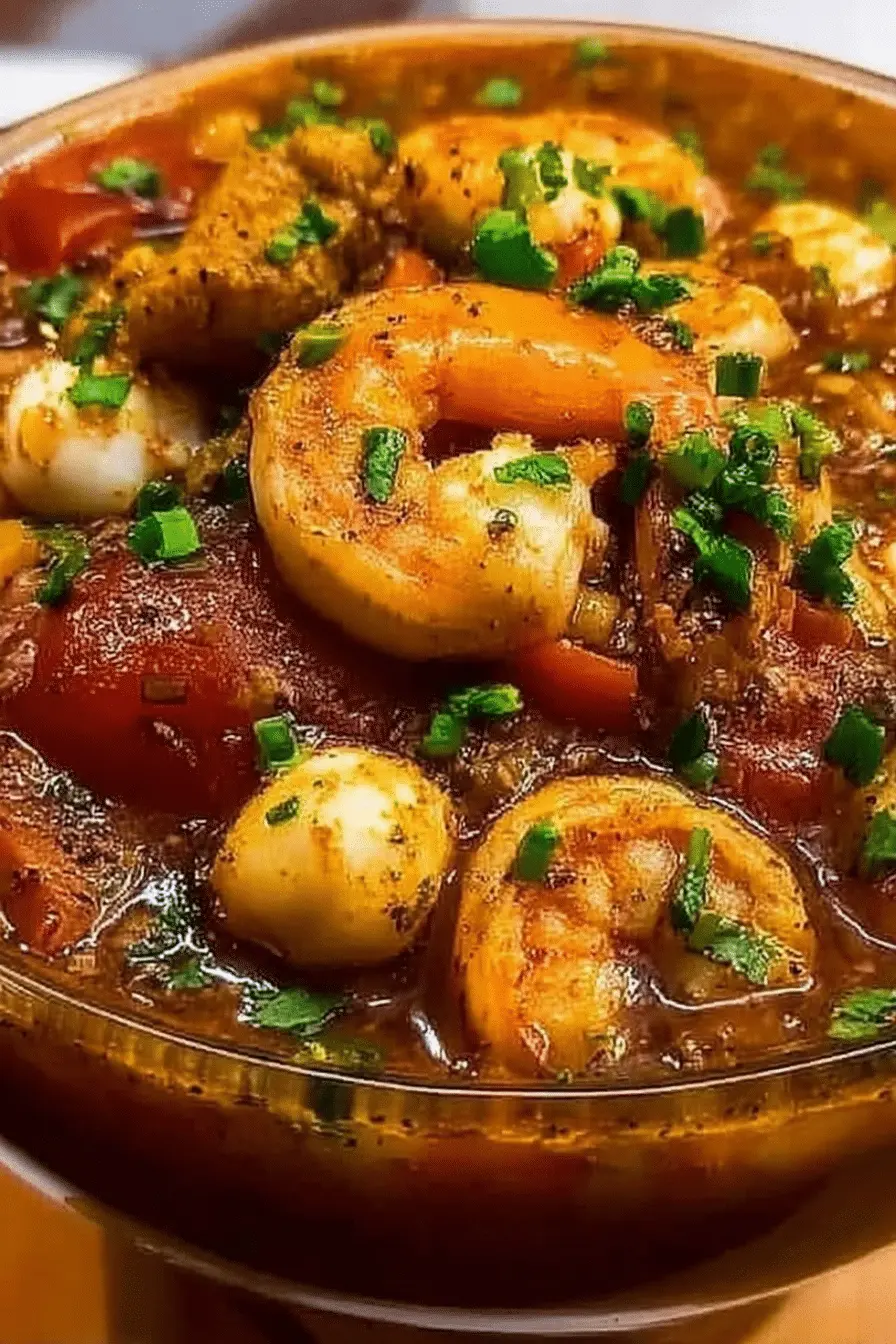
How I Finally Nailed Louisiana Seafood Gumbo — The Bayou Classic
- Prep
- 30 min
- Cook
- 90 min
- Total
- 120 min
- Serves
- 8
- Calories
- 350 kcal
- Protein
- 25.00 g
- Fat
- 15.00 g
Introduction
I grew up with a heavy pot of gumbo simmering on the stove every few weeks—an aroma that could pull neighbors through the door. In my kitchen now, I still make gumbo the way I learned at my grandmother's elbow: patient with the roux, generous with the seafood, and careful to taste as it cooks. It’s the kind of food that gathers people close and makes a house feel like a home.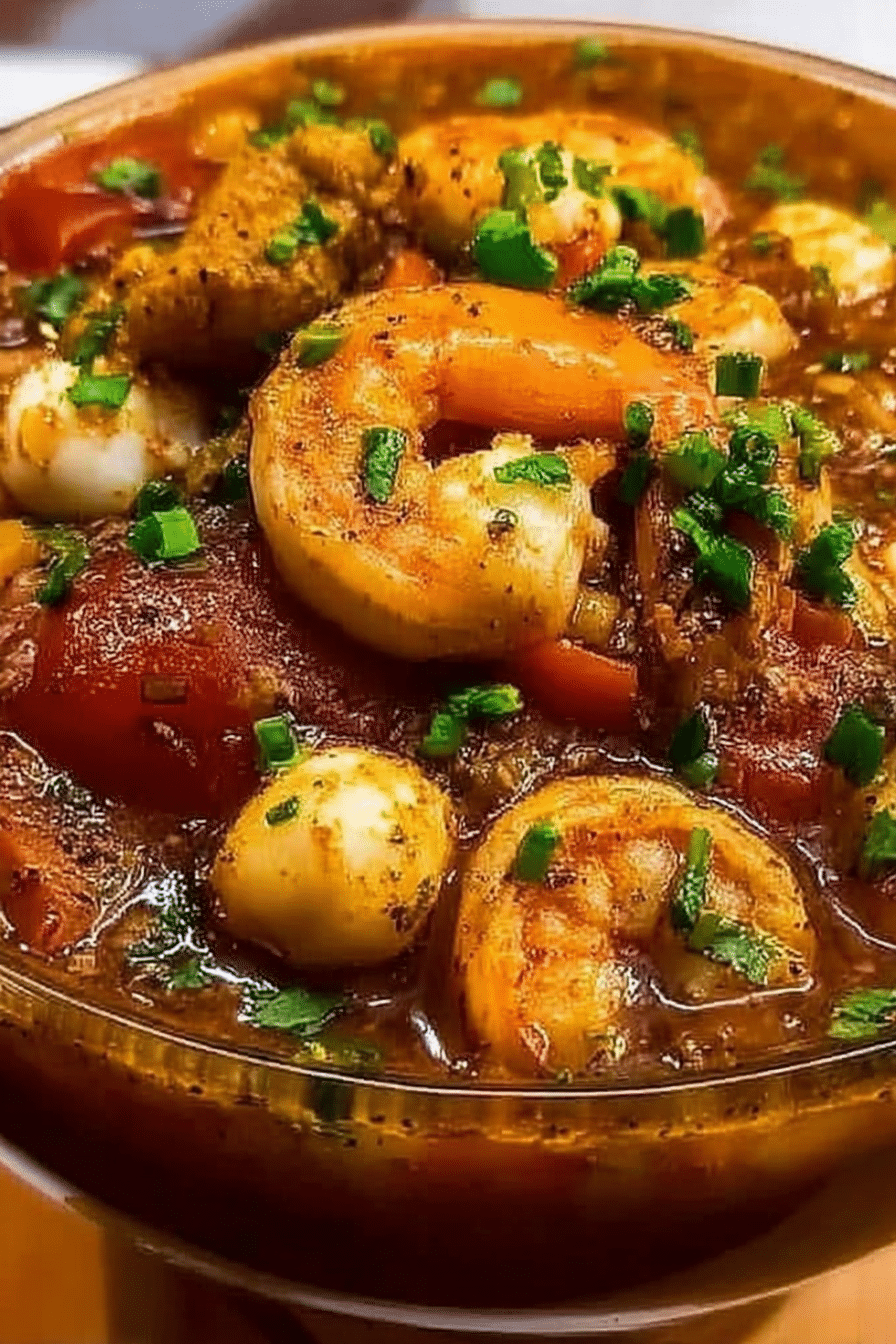
Why This Louisiana Seafood Gumbo Feels Like Home
Gumbo in Louisiana is more than a dinner: it’s a communal act. Potlucks, parish halls, porch suppers—gumbo is the dish people bring when they want to feed a crowd and soothe a soul. For me, the important parts are the rhythm and the patience. You sit with the pot, you taste with family, and the conversation becomes part of the recipe.
The emotional connection comes from the layers: the nutty, almost toasted scent of a dark roux; the bright green of bell pepper and green onions; the briny, smoky bite of andouille and seafood. These are the textures and aromas that anchor memories—birthdays, funerals, Sunday gatherings. When I make gumbo I aim for that warm, reassuring comfort, the kind that invites seconds.
Everything You Need for Louisiana Seafood Gumbo
Good gumbo starts with good ingredients and honest sourcing. If you can, talk to your local fishmonger early in the week and ask what’s freshest that day—seasonality matters more than fancy names. If fresh seafood is impossible where you live, choose high-quality frozen seafood that was flash-frozen shortly after catch. Add a little kick at the table with a bright pepper jelly for guests who like extra heat, and it’s a lovely complement to the stew.
Ingredient notes (conversational, no exact measurements):
- Vegetable oil – The fat that carries the heat for the roux; use a neutral oil that withstands high temperature.
- All-purpose flour – The other half of the roux; if you need a gluten-free option, see the Pro Tip section for substitutes.
- Onion – Provides sweet depth; cook until soft so it melts into the gumbo base.
- Green bell pepper – Brightens the pot and balances richness.
- Celery – Part of the trinity; it adds backbone and subtle aromatic texture.
- Garlic – Adds savory lift; add near the end of the sauté so it doesn’t burn.
- Cajun seasoning – Brings heat and complexity; you can use a simple salt-pepper-smoked paprika mix if you prefer to control sodium.
- Dried thyme – A gentle, savory herb that braids into the broth.
- Bay leaf – Gives an undernote of savory aroma; remove before serving.
- Seafood stock or chicken stock – Seafood stock amplifies the ocean flavors; use a clean, low-salt stock so you can season later.
- Andouille sausage – Smoky, slightly spicy sausage that adds body and a meaty note.
- Shrimp – Cook last so it stays tender; if frozen, thaw and pat dry before adding.
- Crabmeat – Adds sweet, delicate brininess; lump meat gives the best texture.
- Oysters (optional) – If you like that briny pop, stir them in at the end and heat through gently.
- Green onions – Fresh, bright finish; slice thin and scatter over bowls.
- Fresh parsley – Adds a green lift and visual contrast.
- Salt and pepper – Season gradually; taste after the seafood is in.
- Cooked white rice – The traditional bed for gumbo; it soaks up the broth and completes the bowl.
Add some zing to your gumbo with our Homemade Hot Pepper Jelly that pairs beautifully with seafood.
The Roots: Gumbo’s History and Place in Louisiana Cookery
Gumbo is a mirror of Louisiana’s mixed heritage: West African okra and roux ideas, French techniques for sauces and thickening, Spanish and Caribbean seasonings, and Native American ingredients. It evolved in kitchens where cooks adapted available ingredients, making something communal and sustaining from what they had.
The dish has many faces across the state—from poultry gumbos thickened with filé powder to seafood gumbos that celebrate the coast. At festivals and family reunions, gumbo is a reminder of shared history. When I stand at the stove and stir, I think of that blend of cultures and the way food keeps stories alive.
The Secret to a Deep, Nutty Roux
The roux is the spine of a great gumbo—both flavor and texture come from how dark and even you can get that flour-and-fat mixture. A dark roux adds a roasted, almost coffee-like aroma that gives the stew weight without necessarily making it taste “floury.”
Practical tips I use in my kitchen:
- Use a heavy-bottomed pot so heat distributes evenly—this reduces hot spots that burn the roux.
- Keep your heat moderate: medium to medium-low is the sweet spot. Too hot and you risk burning; too low and the roux can take forever and smell grassy.
- Stir constantly with a heatproof spatula or wooden spoon. The roux will change from sandy to peanut-butter to chocolate-brown—watch for that chocolate shade and the rich, nutty aroma.
- If the roux starts to cling or smoke aggressively, take it off the heat for a moment and stir until it calms down; never throw water on a burning roux.
- Patience pays off: a darker roux will taste richer but thinner in viscosity, so you’ll rely on the stock, vegetables, and seafood to round the body of the gumbo.
How to Make Louisiana Seafood Gumbo (Step-by-Step)
- Begin by making your roux: heat oil, whisk in flour, and stir steadily until the mixture reaches a deep brown color. You want that toasted, nutty smell—this can take 20–30 minutes depending on your heat and pan.
- Add the chopped trinity (onion, bell pepper, celery) to the roux and sauté until the vegetables soften and begin to take on some color; this builds savory depth.
- Stir in garlic, Cajun seasoning, thyme, and a bay leaf; cook briefly until fragrant to bloom the spices.
- Slowly add your stock while whisking or stirring to integrate the roux without lumps; bring the pot up to a low boil and then reduce to a gentle simmer.
- Add sliced andouille sausage and let the gumbo simmer so the sausage releases its smokiness into the broth; this is a good time to skim any impurities and taste for initial seasoning.
- When the flavors are married, add the shrimp, crabmeat, and oysters (if using). Keep the simmer gentle—seafood cooks quickly and will turn rubbery if you overdo it.
- Remove the bay leaf, fold in sliced green onions and chopped parsley, then finish with salt and pepper to taste. Serve in deep bowls over hot cooked white rice.
For a rich flavor inspiration, check out our Creamy Garlic Chicken as you learn to create your gumbo.
Note: The Pro Tips and Troubleshooting sections that follow are presented as bulleted lists for quick reference while you cook.
Pro Tip for Louisiana Seafood Gumbo: Sourcing Seafood and Gluten-Free Swaps
- Buy local when you can: a neighborhood fishmonger or coastal market often has the freshest options and staff who can tell you what was caught that morning.
- If buying online, choose suppliers that ship overnight and state the catch/pack date—flash-frozen seafood can be excellent and more consistent than a poor fresh option.
- For a gluten-free roux, try a neutral gluten-free flour blend or rice flour. Cornstarch can thicken at the end but won’t give the same nutty roux flavor—if using alternatives, monitor color closely because they brown differently.
- Low-carb swaps: serve your gumbo over cauliflower rice or a small cauliflower mash; reduce the starchy body but keep the same seasoning and textures.
- Consider pairing protein-forward sides:
If you're curious about Cajun-inspired dishes, check out our Cajun Garlic Butter Steak Bites for a delightful pairing with your gumbo.
Troubleshooting Texture and Seasoning
- If your seafood is rubbery, it’s overcooked—reduce the final simmer time and add delicate proteins at the very end.
- If the gumbo tastes flat, check salt levels and acidity. A squeeze of lemon at the end can lift flavors, or a small pinch of sugar can balance heavy bitterness from an overcooked roux.
- Too thin? Simmer uncovered to reduce and concentrate, or add a small slurry of cornstarch or a spoonful of instant roux (kept neutral) to thicken gently.
- Too thick? Stir in hot stock or water a little at a time until you reach the right, silky consistency.
- If the roux tastes burned, unfortunately you’ll need to start over—the burnt bitter compounds will linger. Take comfort: the second roux usually goes smoother because you’ve learned the pan’s temperament.
- I always taste from the pot at several points. Season gradually; it’s easier to add than to fix an over-salted gumbo.
How to Store, Reheat, and Pair Your Gumbo
Gumbo ages well—many cooks prefer it the next day when the flavors have had time to meld. Store it properly and you’ll be rewarded with an even deeper-tasting bowl.
- Refrigeration: cool the gumbo to room temperature, then refrigerate in an airtight container for up to 3 days.
- Freezing: portion into freezer-safe containers and freeze for up to 3 months; thaw overnight in the fridge before reheating.
- Reheating: warm gently on the stove over low heat, stirring frequently to prevent sticking and to bring flavors back together. Add a splash of stock if it seems dry.
- Pairings: serve over hot white rice and finish with bright green onions; for sides, crusty bread or a simple green salad works well. Try pairing your gumbo with our Classic Potato Leek Soup for a comforting meal combination.
- Make-ahead: simmer a day ahead and finish with fresh herbs and seafood on the day of serving to preserve texture.
Frequently Asked Questions
What is the secret to a good gumbo?
The key to this recipe is the Roux! A roux is made with flour and oil, cooked together until dark brown, which adds depth and flavor to your gumbo.
Can I use different types of seafood for the gumbo?
Absolutely! You can mix and match your favorite seafood. Just make sure to adjust cooking times for different types of seafood to ensure everything is cooked through.
Is there a way to make this gumbo gluten-free?
Yes, you can make a gluten-free roux using a gluten-free flour alternative like rice flour or cornstarch. Just follow the same cooking method!
How do I store leftover gumbo?
Cool the gumbo completely before transferring it to an airtight container. It can be stored in the refrigerator for up to 3 days or frozen for up to 3 months.
What should I serve with my gumbo?
Gumbo is traditionally served over cooked white rice. You can also pair it with crusty bread or a fresh salad to complement the meal.
Recipe Card
How I Finally Nailed Louisiana Seafood Gumbo — The Bayou Classic
- Prep
- 30 min
- Cook
- 90 min
- Total
- 120 min
- Serves
- 8
- Calories
- 350 kcal
- Protein
- 25.00 g
- Fat
- 15.00 g
Ingredients
- 1/2 cupvegetable oil
- 1/2 cupall-purpose flour
- 1 largeonion, diced
- 1 largegreen bell pepper, diced
- 3 stalkscelery, diced
- 4 clovesgarlic, minced
- 1 tablespooncajun seasoning
- 1 teaspoondried thyme
- 1 leafbay leaf
- 8 cupsseafood stock or chicken stock
- 1 poundandouille sausage, sliced
- 1 poundshrimp, peeled and deveined
- 1 poundcrabmeat
- 1 pintoysters, shucked (optional)
- 4green onions, sliced
- 1 cupfresh parsley, chopped
- —Salt and pepper to taste
- —Cooked white rice, for serving
Instructions
- 1
In a large pot, heat vegetable oil over medium heat. Gradually stir in the flour and cook, stirring constantly, until the mixture turns a dark brown color, about 20-30 minutes.
- 2
Add the diced onion, bell pepper, and celery to the roux. Sauté for 5-7 minutes until the vegetables soften.
- 3
Stir in the minced garlic, cajun seasoning, thyme, and bay leaf. Cook for an additional minute to release the flavors.
- 4
Slowly add the seafood or chicken stock, stirring constantly to prevent lumps. Bring the mixture to a boil.
- 5
Once boiling, add the sliced andouille sausage. Reduce the heat and let it simmer for 20 minutes, allowing flavors to meld.
- 6
Next, add the shrimp, crabmeat, and optionally the oysters. Simmer for another 10-15 minutes until the seafood is cooked through.
- 7
Remove the bay leaf and stir in sliced green onions and chopped parsley. Season with salt and pepper according to your preference.
- 8
Scoop hot, flavorful gumbo into bowls over cooked white rice, allowing the rich stew to soak into the rice.
You might also like
Reviews
Be the first to review this.