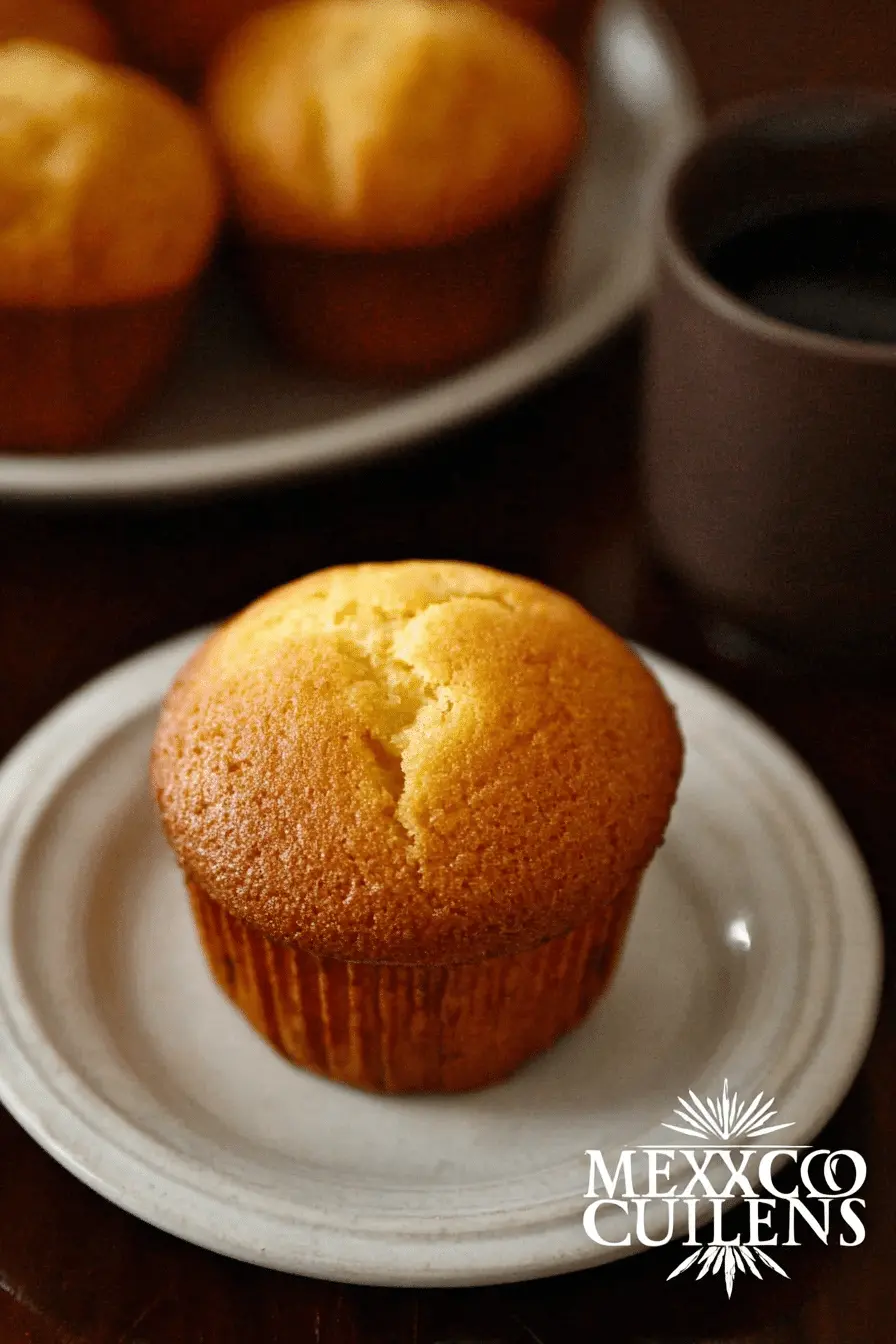
How I Finally Nailed the Mantecadas Recipe — Traditional & Simple
- Prep
- 10 min
- Cook
- 20 min
- Total
- 30 min
- Serves
- 6
- Calories
- 298 kcal
- Carbs
- 39.00 g
Introduction
I grew up with the smell of warm mantecadas drifting from the neighborhood panadería; later, in my kitchen, I learned how small changes in technique make the difference between a good muffin and the kind that everyone asks for seconds of. I like to think of mantecadas as the comfortable, reliable sibling of Mexican sweet breads—simple, honest, and deeply tied to morning coffee routines.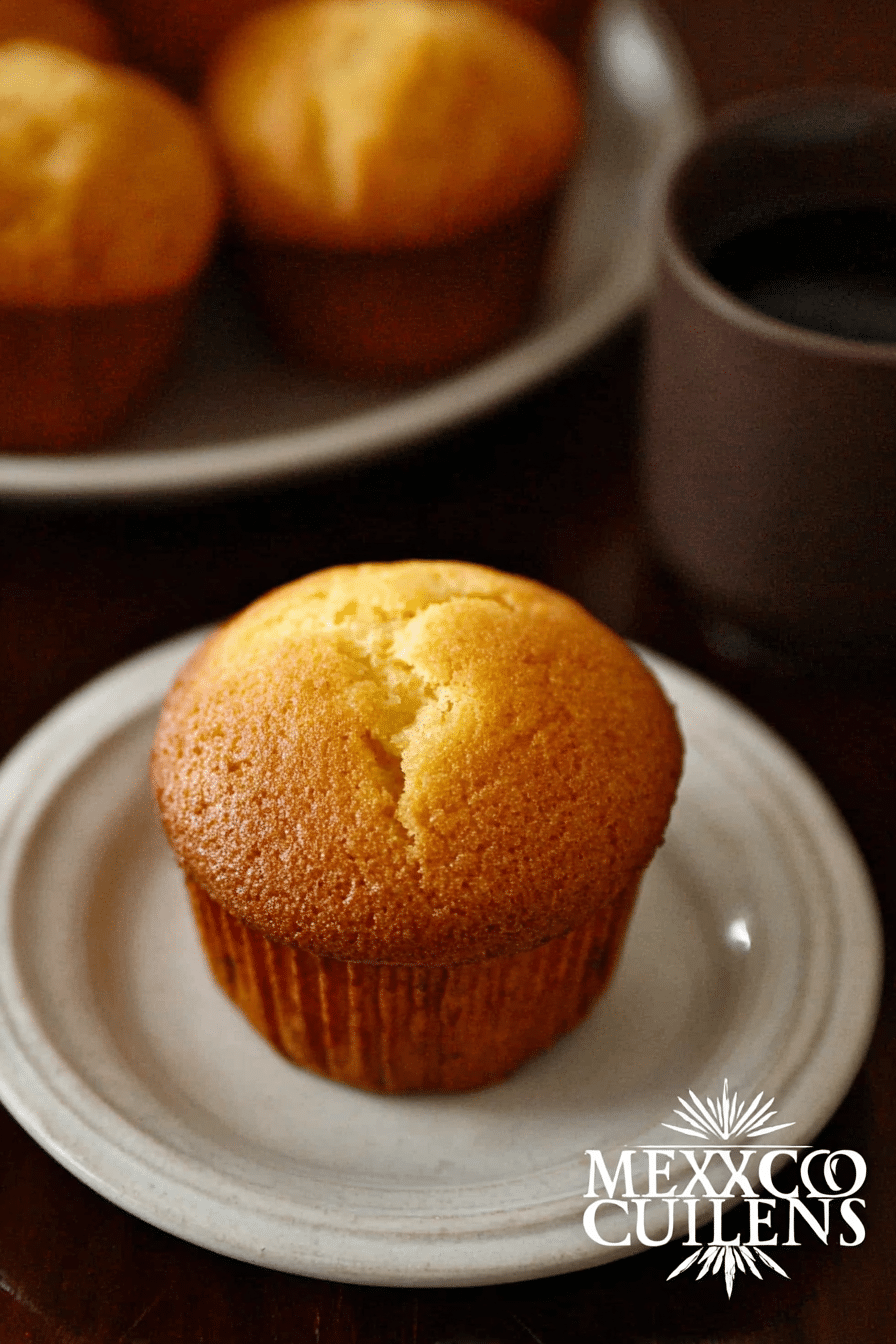
Bring a Taste of Mexico to Your Kitchen — Why Mantecadas Are Perfect for Home Bakers
Mantecadas are a staple in Mexican bakeries and homes for a reason: they’re approachable for a home baker and comforting at the table. They’re traditionally enjoyed with a cup of café con leche, where the bread’s gentle sweetness balances the coffee’s warmth. You should picture small, domed muffins with golden-brown tops and a tender, slightly crumbly interior. The aroma is warm and citrus-tinged if you use orange, or more vanilla-sweet if you choose that route.Everything You Need for Mantecadas
- Eggs – Provide structure and lift; they also add a silky richness. Use eggs at room temperature for the smoothest batter.
- Sugar – Sweetens and helps with browning; if you prefer less sweetness, reduce slightly or try a fine raw sugar for a deeper flavor.
- Milk – Adds moisture and tenderness; dairy-free milks work fine as a substitute for a lighter crumb.
- Vegetable oil or melted butter – Oil keeps the crumb uniformly tender; melted butter adds a richer, buttery note—choose based on the flavor you want.
- Vanilla or orange essence – Flavor anchor; vanilla creates a more familiar sweet-bread scent, while orange lifts the aroma with citrus brightness.
- Orange zest (optional) – Small amounts add a fresh, fragrant note that complements the batter without overpowering it.
- Flour – The body of the mantecada; all-purpose flour is traditional, but a portion can be swapped for whole-grain flour for a nuttier character (expect a denser crumb).
- Baking powder and a touch of yeast – Work together to give a gentle, bakery-style rise—baking powder for immediate lift and a bit of yeast for flavor and texture depth.
- Salt – Balances sweetness and strengthens the overall flavor.
The Secret to the Perfect Texture
- I always bring eggs and oil to room temperature before starting; room-temperature ingredients marry together more smoothly and give a finer crumb.
- Mix gently when you combine wet and dry ingredients. Over-mixing develops gluten and leads to a tougher, denser crumb—stir until the flour is incorporated and no streaks remain.
- Let the batter rest briefly before baking. That short pause hydrates the flour and relaxes the batter, helping the tops rise evenly and preventing tunnel-like holes inside.
- Use paper liners in your muffin tin. They help the mantecadas keep shape and give you the classic bakery look without extra fuss.
Why Temperature, Rest, and Timing Matter
- Baking at the right temperature promotes an even rise and the familiar golden top. Too cool and the crumb will be dense; too hot and the top will color before the center sets.
- Be aware of oven hot spots: rotate the pan halfway through if your oven runs unevenly to ensure all mantecadas bake uniformly.
- Resting the batter for a short period helps with hydration and gives a softer crumb. I’ve watched an immediately-baked batter give a slightly tighter texture than one given a brief rest.
- Timing the bake is about watching, not just the clock—look for even color and a springy top; a toothpick test will confirm doneness if needed.
The One Ingredient That Changes Everything
Small changes to flavoring or mix-ins alter the personality of mantecadas. Vanilla will make them taste classic and cozy, while orange essence or a little zest brightens the whole batch and pairs beautifully with coffee. You can also fold in a handful of chocolate chips, chopped nuts, or dried fruit for a twist—each creates a different scent as they bake, from warm and nutty to fruity and sweet. For a lighter profile, swap in a mild oil; for a richer, toastier note, substitute melted butter. If you want to experiment, try one small change at a time so you can tell how each ingredient affects texture and aroma.How to Make Mantecadas (Step-by-Step)
- Preheat your oven so it’s hot when the batter goes in; prepare a muffin pan with paper liners for easy removal.
- Whisk eggs with sugar until the mixture feels slightly thickened and the sugar has started to dissolve.
- Add milk and your chosen essence (vanilla or orange), then pour oil in a gentle stream while whisking to form a unified wet mixture.
- Sift together flour, baking powder, and the pinch of yeast, then fold the dry mix into the wet ingredients gently until uniform—stop before the batter looks overworked.
- Let the batter rest briefly so the flour hydrates; this helps the crumb stay tender.
- Use a ladle or small pitcher to fill liners just below the rim so the tops can dome without spilling over.
- Bake until golden and springy to the touch; remove to a rack to cool slightly before unmolding.
Pro Tip for Mantecadas Recipe: Fix Soggy Tops & Dense Crumbs
- Cause: Batter too wet or pans overfilled — Fix: Reduce filling level and ensure you haven’t accidentally added extra liquid; the batter should be thick but pourable.
- Cause: Over-mixing — Fix: Fold the flour in gently. I often stop mixing the moment the flour disappears; you’ll see a few small lumps but that’s fine.
- Cause: Oven temperature too low or uneven — Fix: Use an oven thermometer, bake at the recommended temperature, and rotate the pan if your oven has hot spots.
- Cause: Underbaked centers — Fix: Extend baking by a few minutes and check with a toothpick; the tops should be golden and spring back lightly.
How to Store, Make-Ahead, and Try Variations
- Storage: Keep cooled mantecadas in an airtight container at room temperature; they remain fresh for a couple of days. Avoid refrigeration, which can dry them out.
- Freezing: Freeze wrapped mantecadas individually for longer storage. Thaw at room temperature and warm briefly in a low oven or microwave for a freshly-baked feel.
- Make-ahead: You can mix the batter and hold it briefly in the fridge (covered) for an hour or so, but bring it back to room temperature before baking for best lift.
- Orange-vanilla: Add a little orange zest and vanilla for a fragrant, balanced loaf.
- Chocolate chip: Fold in a small handful of chips for a familiar, crowd-pleasing version.
- Nutty: Stir in chopped toasted nuts for texture and a toasty aroma.
- Dairy-free: Use plant-based milk and oil for a lighter, dairy-free option.
The History and Cultural Significance of Mantecadas
Mantecadas have roots in the wider tradition of Spanish and Latin American sweet breads, but in Mexico they became their own familiar, everyday comfort. They are part of breakfast tables, neighborhood panaderías, and small celebrations—simple breads that speak to a culture of sharing morning coffee and conversation. Regional variations exist, and like many traditional recipes, the mantecada evolves in home kitchens. To deepen your appreciation for Mexican baked goods, consider how other recipes—like the rich, layered capirotada bread pudding—reflect local ingredients and celebrations. That sense of history is what keeps these recipes alive in my kitchen and many others. I hope these notes make the recipe approachable and help you feel confident the first time you make mantecadas at home. They are forgiving, comforting, and perfect for sharing with a warm drink and good company.Frequently Asked Questions
What are Mantecadas made of? Mantecadas are typically made with flour, sugar, eggs, vegetable oil, milk, baking powder, and yeast. You can also add vanilla or orange extract for flavor, with optional ingredients like orange zest. How long do Mantecadas take to bake? Mantecadas generally take about 20 minutes to bake once you've prepared the batter and preheated the oven to the proper temperature. Can I use butter instead of vegetable oil? Yes. You can substitute butter for vegetable oil; melt it before adding so it incorporates smoothly into the wet ingredients. How should I store leftover Mantecadas? Store leftover mantecadas in an airtight container at room temperature. They will keep fresh for 2 to 3 days. What can I do if my Mantecadas come out dense? If your mantecadas are dense, make sure to mix the batter gently and not overmix. Also ensure your ingredients are at the correct temperature and that you let the batter rest briefly before baking.Recipe Card
How I Finally Nailed the Mantecadas Recipe — Traditional & Simple
- Prep
- 10 min
- Cook
- 20 min
- Total
- 30 min
- Serves
- 6
- Calories
- 298 kcal
- Carbs
- 39.00 g
Ingredients
- 2 largeeggs
- 125 gramssugar (½ cup + 1 tbs*)
- ½ cupmilk
- ½ cupvegetable oil
- 1 tspvanilla or orange essence**
- 1 tsporange zest (optional)
- 125 gramsAll Purpose flour (1 cup minus 1 tbs)
- 1 tspbaking powder
- 1 tspinstant yeast
- 1 pinchsalt
Instructions
- 1
Preheat oven to 400F. Place muffin paper liners in muffin pan.
- 2
Sift together flour, baking powder and yeast in one medium size bowl, and set aside. Place egg and sugar in a large bowl and whisk until sugar has dissolved.
- 3
Add milk and the flavoring of your choice (vanilla, orange essence plus orange zest) and mix.
- 4
Incorporate the oil in a gentle stream and whisk again to form a homogenous mixture.
- 5
Slowly stir in the dry ingredients plus the pinch of salt, mixing gently until you have a very uniform batter. Do not over mix. Let the batter rest for 15 minutes.
- 6
With the help of a pitcher or a ladle, pour the batter into the already prepared muffin pan. Fill it up just a little bit below the edge.
- 7
Carefully place in the preheated oven and bake for 20 minutes. Remove from oven and cool for about 5 minutes on a cooling rack. They keep well for 2 to 3 days when stored in an airtight container.
You might also like
Reviews
Be the first to review this.