

I cook roasted cauliflower at least once a week when my schedule is tight and I still want something comforting on the plate. In my kitchen this is the side dish that fills the house with toasted garlic and warm spices while staying hands‑off for most of the time. It’s fast, forgiving, and pairs with everything from roasted chicken to a grain bowl.
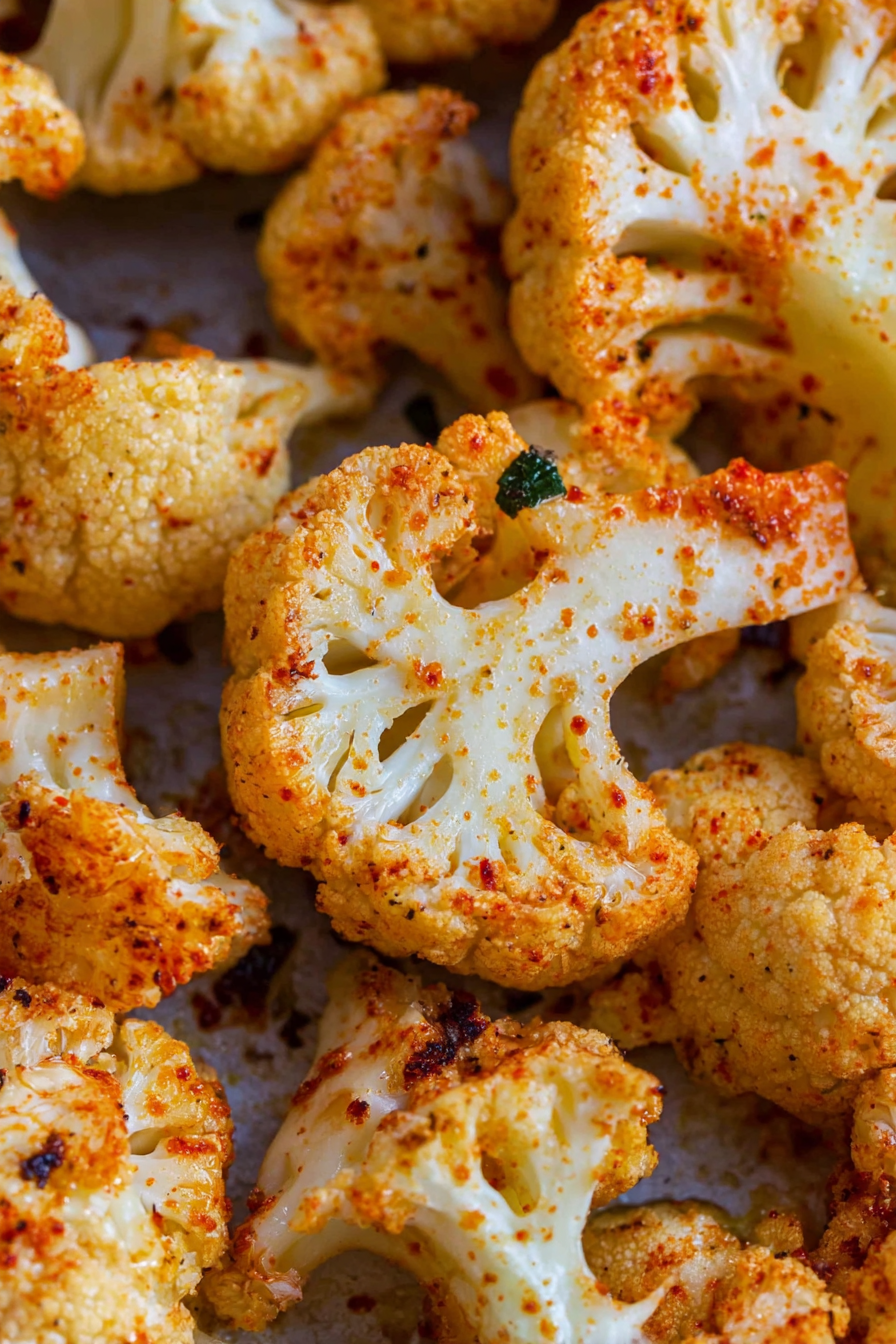
What I love most is how little fuss it takes to get those deep, caramelized edges. A short prep, a single sheet pan, and a hot oven are all you need to turn simple florets into something that looks — and tastes — like more effort went into it than actually did. The smell that comes from the oven as the cauliflower browns is one of my favorite weekday comforts.
Over the years I’ve narrowed the technique so you can reproduce it reliably: pick a fresh head, cut it uniformly, and give each piece enough space. I’ll walk you through the small details that make the difference so you can have a dependable 30‑minute side on your table tonight.
Why Oven Roasted Cauliflower Is Your New 30-Minute Side
Roasted cauliflower works for busy nights because the hands‑on time is minimal and the payoff is big. You’ll spend a few minutes prepping while the oven heats, then the oven does the rest. It’s versatile — use it alongside Mediterranean mains, tucked into tacos, or tossed through a grain salad.
- The prep and cook times fit a tight evening schedule while still delivering bold flavor and a satisfying texture.
- It’s adaptable across cuisines: switch the spices and oils, and you’ve shifted the dish entirely.
- With basic pantry ingredients you get a healthy side that still tastes indulgent thanks to browning and butter (or a vegan swap).
Everything You Need for Oven Roasted Cauliflower
Here’s a concise list of the essentials and why each matters. I keep these on hand so this dish is always quick to put together.
- Cauliflower – Choose a firm, heavy head with tight florets for the best texture and sweetness.
- Olive oil – Helps the edges brown and carries flavor; a fruity extra‑virgin adds a subtle note, a lighter oil keeps the flavor neutral.
- Butter or a plant‑based alternative – Adds richness and aids browning; use vegan butter or extra oil if you need dairy‑free.
- Garlic powder and paprika – Provide toasted, savory notes that come through after roasting.
- Salt and black pepper – Essential for seasoning; salt enhances natural sweetness from caramelization.
- Parchment paper or a rimmed sheet pan – Keeps the pan clean and lets you space pieces evenly for optimal browning.
The Secret to Crispy, Golden Edges
I learned the hard way that overcrowding the pan and uneven pieces are the two quickest ways to end up with soggy florets. The small technique changes below are what I rely on every time to get those crunchy, golden bits.
- Dry the cauliflower well before oiling it — any surface moisture steams the florets instead of browning them. I pat mine with a towel and let them air briefly if they’re still damp.
- Coat each piece in oil and melted butter so the surface can reach high temperatures and crisp. The butter gives a nutty, toasty aroma; olive oil keeps the flavor balanced.
- Spread pieces in a single layer with space between them. If florets touch, they steam and miss out on caramelization.
- Flip or shake the pan once during roasting for even browning; you’ll hear a faint sizzle as the moisture evaporates and the edges caramelize.
Why 425°F Is Key for Roasting Cauliflower
Roasting at a high temperature is what transforms cauliflower from mild and slightly bitter to sweet and nutty. The science behind it is the Maillard reaction — amino acids and sugars reacting under heat to form new flavors and those desirable browned bits.
- A hotter oven speeds caramelization so the exterior browns before the interior overcooks, creating a tender inside and crispy outside.
- At this temperature the cook time stays short, which preserves texture and bright flavor instead of turning florets mushy.
- Keep an eye on the edges near the end; a minute or two can push them from perfectly golden to too dark, depending on your oven’s hotspots.
Flavor Variations: Simple Swaps to Change the Profile
Changing one or two ingredients refreshes the dish completely. I like to switch profiles depending on the main course or what’s in my spice drawer.
- Curry style – Toss with warm curry powder and finish with a squeeze of lemon and chopped cilantro after roasting.
- Smoky & spicy – Use smoked paprika and a pinch of cayenne for depth and heat; finish with a drizzle of lime.
- Cheesy without dairy – Sprinkle nutritional yeast after roasting for a savory, cheesy hit that stays vegan.
- Herb bright – Add chopped parsley, basil, or dill after roasting to lift the flavors and add freshness.
- Different oils – Toasted sesame oil gives an Asian touch when combined with soy or tamari after roasting; avocado oil keeps things neutral and handles high heat well.
How to Make Oven Roasted Cauliflower (Step-by-Step)
Follow these steps and you’ll get consistent results. I describe what I do in my kitchen so you can mirror it easily.
- Preheat your oven until it’s very hot; I roast at 425°F so the pan and air are ready to brown the florets quickly.
- Cut the cauliflower into uniform pieces — either small florets or evenly thick steaks — so everything finishes at the same time.
- Pat the pieces dry with a towel to remove surface moisture before seasoning.
- Place cauliflower on a sheet pan, drizzle with olive oil and melted butter (or a vegan substitute), and toss to coat every piece evenly.
- Season with garlic powder, paprika, salt, and black pepper, tossing again so the spices cling to the florets.
- Arrange in a single layer with space between pieces and roast until the edges are golden and the centers are tender, flipping once partway through.
- Check for doneness by piercing a large floret with a fork — it should be tender with a slight snap, not mushy.
Pro Tip for oven roasted cauliflower: Easy Low-Carb, Vegan & Gluten-Free Swaps
I keep these swaps in mind when cooking for different diets—none of them sacrifice the dish’s character.
- For vegan: replace butter with a plant‑based butter or use extra olive oil; nutritional yeast adds a cheesy note.
- For dairy-free: omit butter entirely and use a neutral oil plus an extra pinch of salt for flavor balance.
- For low‑carb: serve with other non‑starchy roasted vegetables or over a bed of leafy greens to keep the plate light.
- For gluten‑free: the recipe is naturally gluten‑free; just ensure any spice blends you use are labeled gluten‑free.
Troubleshooting
If something goes off course, these quick fixes will usually bring the dish back on track.
- Soggy cauliflower: spread florets out more, pat them drier, and make sure the oven is fully preheated.
- Too dark on the outside, undercooked inside: reduce oven rack height or tent loosely with foil and finish at a slightly lower temperature.
- Florets stick to the pan: use parchment or a well‑oiled pan and let the cauliflower brown fully before attempting to flip.
How to Store, Reheat, and Make-Ahead Oven Roasted Cauliflower
Leftovers are easy to manage—and reheating the right way preserves as much texture as possible.
- Storage: Once cooled, transfer roasted cauliflower to an airtight container and refrigerate for up to 3–4 days.
- Reheating: For best crispiness, reheat in a hot oven or an air fryer until the edges re‑crisp. A quick oven blast keeps the texture closest to fresh.
- Make‑ahead: You can pre‑cut and toss cauliflower in oil and spices ahead of time, then roast from chilled; or roast fully, then reheat before serving.
Serving suggestions: plate the florets beside roasted meats, fold them into warm grain bowls, or toss with a bright vinaigrette and fresh herbs for a quick salad. I often finish mine with a sprinkle of flaky salt and a lemon wedge for contrast.
Frequently Asked Questions
How do I prepare cauliflower for roasting?
Start by preheating your oven to 425°F. Slice the cauliflower into small florets or 1/2″ thick steaks, then toss them with olive oil, melted butter, garlic powder, salt, paprika, and pepper before spreading them evenly on a baking sheet.
Why is 425°F the best temperature for roasting cauliflower?
Roasting at 425°F allows the cauliflower to cook through while developing crispy, golden edges. This high temperature helps to caramelize the natural sugars in the cauliflower, enhancing its flavor.
Can I make oven roasted cauliflower vegan?
Absolutely! Simply replace the unsalted butter with an additional tablespoon of olive oil or a vegan alternative, and your dish will be completely vegan.
How can I store leftovers of oven roasted cauliflower?
Once cooled, place the leftovers in an airtight container in the refrigerator. They should last for up to 3-4 days. You can reheat them in the oven or microwave for best results.
What are some flavor variations I can try?
Feel free to experiment! You could add some grated Parmesan cheese before baking, toss in some curry powder, or even try a drizzle of balsamic reduction after roasting to change up the flavor profile.
Oven Roasted Cauliflower
Ingredients
Method
- Preheat the oven to 425˚F and line a baking sheet with parchment paper.
- Slice the head of cauliflower into 1/2" thick steaks, breaking up wedges into even, bite-sized pieces.
- Add the cauliflower to the center of the baking sheet. Drizzle with the oil and melted butter and toss to combine.
- In a small bowl, combine garlic powder, salt, paprika, and pepper for the seasoning. Sprinkle onto cauliflower and toss to evenly coat.
- Spread the cauliflower evenly on the baking sheet and bake at 425˚F for 15-20 minutes, until cauliflower reaches desired crispiness.