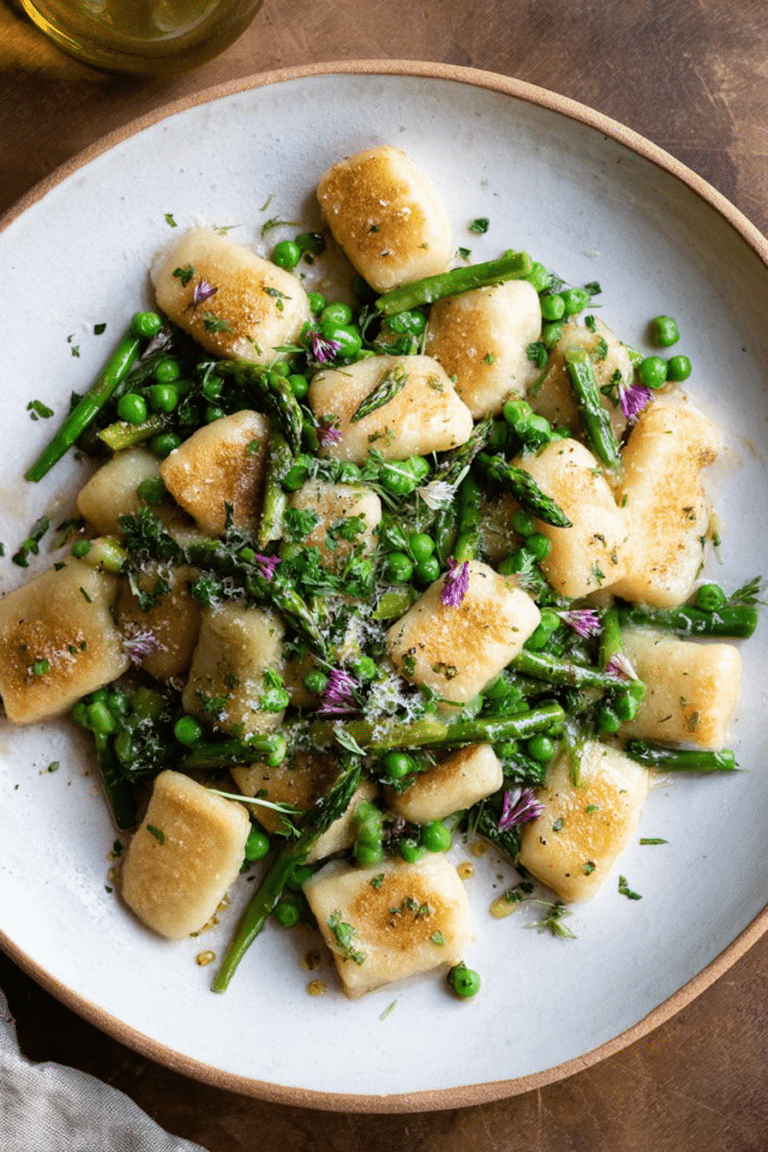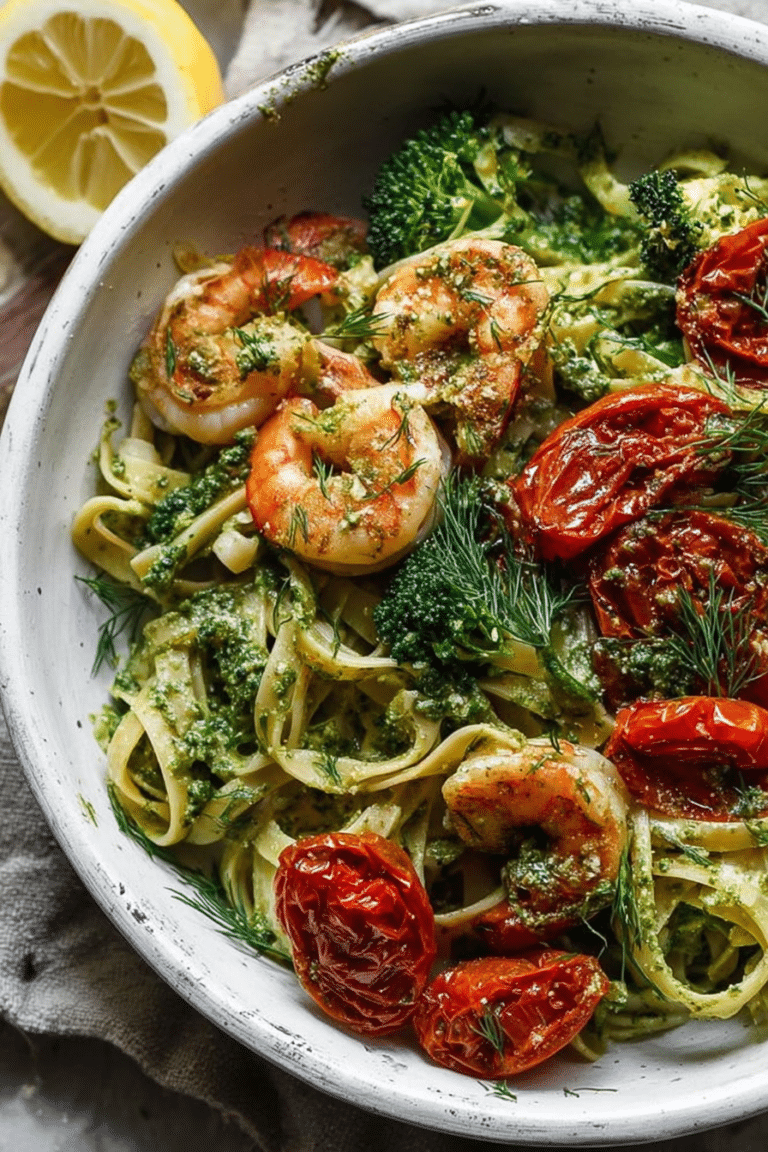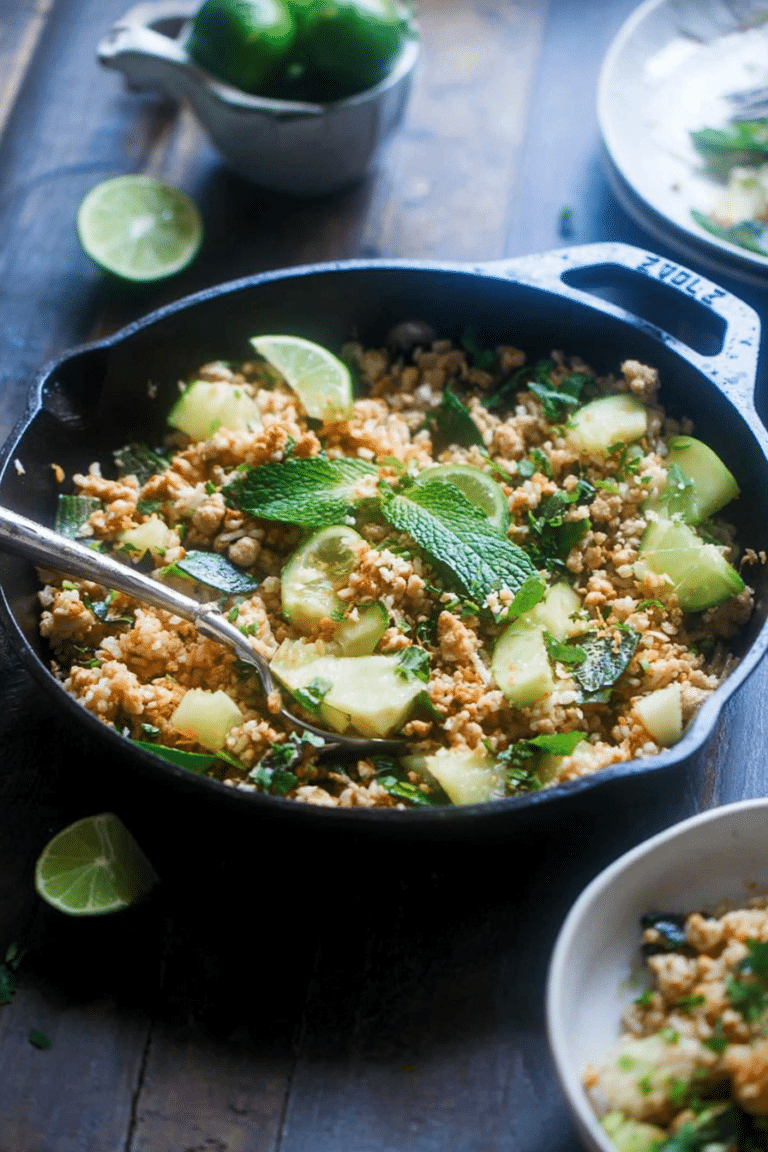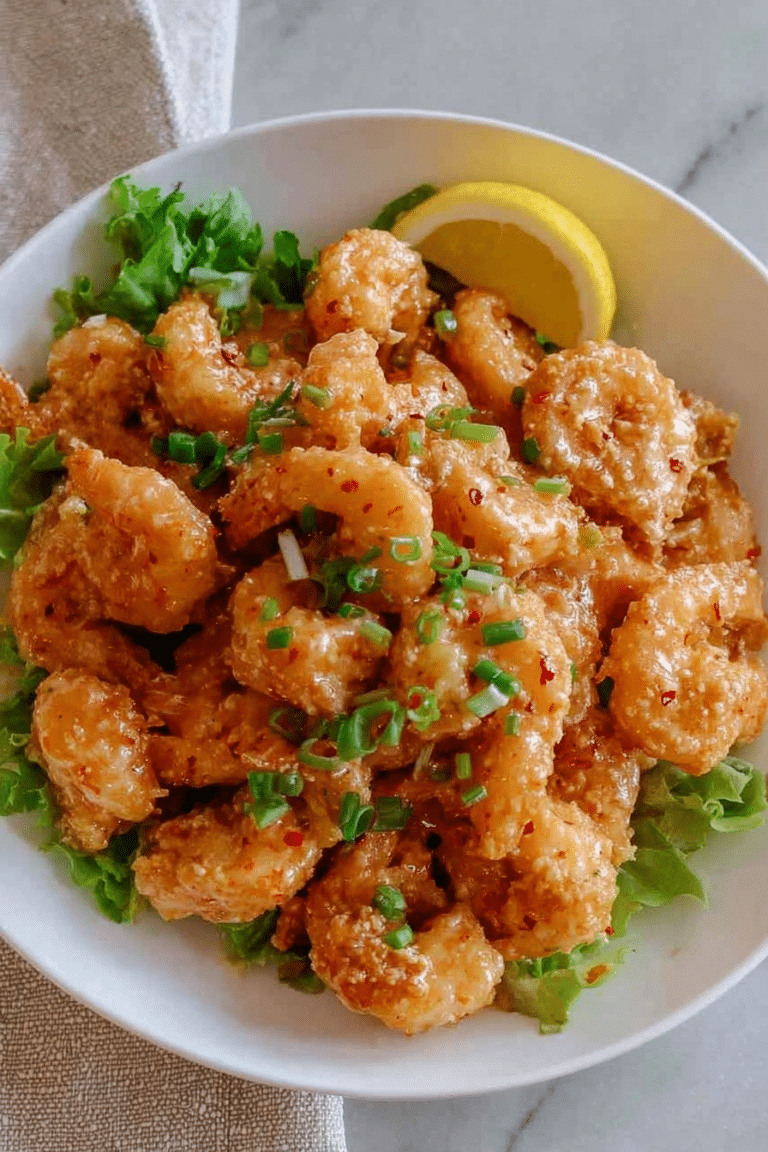


I first made this pea pasta on a late-spring afternoon when the garden peas were at their sweetest and the mint was still dewy. The first forkful surprised me: a bright, clean sweetness from the peas, a cooling lift from mint, and a thin veil of truffle oil that made the whole plate feel quietly indulgent. I remember thinking how simply handling each ingredient gently—no heavy cream, no long cooking—keeps the dish feeling light and focused on spring produce.

When I want the meal to feel a touch more festive, I crumble a little tangy goat cheese over the top and set a simple spring salad alongside. For a complementary green dish, consider serving a
To complement the vibrant flavors of your pea pasta, consider serving a spring salad with goat cheese for a delightful meal.
The contrast—creamy cheese, peppery greens—rounds out the plate and keeps the experience fresh.
I often make a double batch and serve it warm as a main or chilled for a luncheon; both work beautifully. Over the years I learned small details that shift the dish from pleasant to memorable: timing the pea blanch, putting lemon at the right moment, and the restrained hand with fragrant truffle oil.
Everything You Need for Pea Pasta with Mint, Truffle & Lemon
Below I discuss each component and sensible substitutions so you can gather everything before you start. I emphasize fresh, bright ingredients—especially when peas are in season—and offer alternatives if dietary needs require them.
- Pasta – The vehicle for the sauce; pick a shape that catches peas and herbs. Swap in a gluten-free pasta if needed.
- Fresh peas – They bring natural sweetness and snap. If fresh aren’t available, use high-quality frozen peas and thaw before adding for best texture.
- Scallions & shallot – Provide a mild onion backbone; shallot is softer and more aromatic than raw onion.
- Fresh mint & parsley – Mint gives cooling brightness; parsley adds herbaceous depth. Use extra if you want a greener, fresher finish.
- Olive oil – Coats and binds the salad; choose a good extra-virgin for flavor (see oil section below for guidance).
- Lemon zest & juice – Zest for aroma, juice for acidity. Add gradually and taste as you go.
- Greens – Pea shoots, baby spinach or arugula add texture and color. Arugula will bring peppery notes.
- Salt & pepper – Seasoning at every stage matters; salt your pasta water and taste as you build the dish.
- Truffle oil (optional) – A little goes a long way: use sparingly to finish. If you prefer not to use it, a finishing drizzle of high-quality olive oil works well.
- Goat cheese (optional) – For non-vegan versions, crumbled goat cheese adds creaminess and tang.
The Secret to Perfectly Flavorful & Fresh Ingredients
Choosing the best raw materials is the single most effective way to improve this dish. I want you to rely on your senses—look for color, feel the peas, and inhale the herbs—because quality shows through in a recipe with minimal components.
When selecting peas, choose pods that are plump and snap crisply; their scent should be green and slightly sweet. Fresh herbs should be perky, not limp; bruise a leaf between your fingers to release its aroma and make sure it smells bright. Handle herbs gently—torn leaves often yield more aroma than finely chopped ones exposed to air for long periods.
Olive oil matters here more than in heavy sauces. A butter-like, peppery extra-virgin adds a rounded mouthfeel; a grassy, delicate oil keeps things light. Store oil away from light and heat to preserve flavor. Treat truffle oil as a perfume: add at the table or just before serving to keep its ephemeral aroma intact.
How to Make Pea Pasta with Mint, Truffle & Lemon (Step-by-Step)
- Bring a large pot of water to a vigorous boil and salt it generously; properly seasoned water seasons the pasta from the inside out.
- Cook the pasta until just shy of al dente, since it will finish combining with the sauce off heat.
- In the final minute of the pasta’s cooking time, add the peas to the boiling water to blanch them briefly—this preserves snap and bright color.
- Immediately drain pasta and peas together and transfer to a large bowl to stop cooking and retain heat for the sauce to cling.
- While still hot, toss the pasta with olive oil, lemon juice, salt and pepper so the flavors begin to absorb. The hot pasta acts like a sponge for the dressing.
- Add the greens, scallions, shallot, herbs and lemon zest; toss gently so the leaves wilt slightly but remain fresh.
- Taste after a few minutes and adjust salt and lemon; pasta can mellow the seasoning as it sits, so re-taste and correct.
- Finish with a light drizzle of truffle oil—use very little—and, if using, scatter goat cheese crumbles just before serving so they stay distinct.
Nutritious Benefits of Peas and Mint
Peas are an underrated source of plant protein, fiber and several vitamins, notably vitamin K and vitamin C; they add both substance and nutrition to a pasta that might otherwise be purely carbohydrate-forward. Mint contributes antioxidants and a refreshing counterpoint that aids digestion. The healthy fats from olive oil support absorption of fat-soluble nutrients and contribute to heart-friendly eating patterns.
For more on how peas can enhance your health and other recipes that highlight their nutrition, see this piece on the nutritious benefits of peas.
Why High-Quality Olive Oil Makes a Difference
A good extra-virgin olive oil is more than a fat—it’s a flavor carrier. Oils vary from peppery and robust to mellow and buttery; choose one that complements the lemon and mint rather than overpowering them. The oil’s aroma and mouthfeel help the herbs and lemon cling to every bite.
Health-wise, high-quality oils offer monounsaturated fats and polyphenols that are associated with cardiovascular benefits. Store your oil in a cool, dark place and use it within a few months of opening for the brightest flavor. For context on how oil quality transforms simple dishes, you might appreciate this example where oil is central to flavor in a salmon preparation: high-quality olive oil matters.
Pro-Tip for Pea Pasta with Mint, Truffle & Lemon
- I like to zest the lemon over the finished dish for an aromatic burst; if you want a subtler citrus note, add some zest earlier when you toss the pasta.
- Salt your pasta water heavily—this is where the backbone of seasoning begins.
- Use a light hand with truffle oil; add a little at the end and let guests add more if they wish.
- If serving chilled, undercook the pasta slightly so it retains a pleasant bite when cold.
- Plate with a scatter of pea shoots or microgreens for height and freshness right before serving.
Troubleshooting Common Issues
- Pasta is overcooked: I’ve saved it by shocking it in ice water and then gently tossing with olive oil and fresh herbs to give structure back; if serving warm, hold back on chilling and toss with a bit of hot broth to loosen.
- Dish tastes bland: Re-check salt levels—salt the water next time and add a small pinch while tossing. A touch more lemon juice often brightens a muted bowl.
- Peas are mushy: That means they were cooked too long. Blanch only briefly and drain immediately; frozen peas should be added at the very end and drained right away.
- Truffle oil is overpowering: Dilute by adding more pasta, herbs, and acid (lemon juice) or a splash of neutral oil to balance the aroma.
Variation Ideas and Storage Tips
- Protein additions: Pan-seared shrimp, grilled chicken, or toasted pine nuts add texture and make the dish heartier.
- Dairy options: Stir in crumbled goat cheese or a dollop of ricotta for creaminess if you are not keeping it vegan.
- Herb swaps: Try basil in place of mint for a sweeter, pepper-free note, or add chives for additional oniony brightness.
- Make-ahead & storage: Store leftovers in an airtight container in the refrigerator for up to three days. Keep dressing and delicate greens separate when possible to preserve texture.
- Serving cold: For picnics, cool the pasta quickly and add the greens just before serving to avoid wilting; a splash more lemon keeps the flavors lively.
- Wine pairing: A crisp, unoaked white—such as a Sauvignon Blanc or a dry Vermentino—complements the lemon and herb profile beautifully.
- For more ideas to riff on pasta dishes, see theseFor more variation ideas for pasta dishes to keep your meals exciting.
Frequently Asked Questions
Can I make this pea pasta dish gluten-free? Absolutely! Simply swap out the regular pasta for your favorite gluten-free pasta, and you’ll have a delicious gluten-free version of pea pasta with mint, truffle, and lemon.
How do I store leftovers of this pea pasta? You can store leftovers in an airtight container in the fridge for up to 3 days. To reheat, simply warm it in a skillet over low heat or in the microwave until heated through.
What’s the best way to choose fresh peas for this recipe? Look for peas that are bright green and firm to the touch. If possible, choose ones that are still in their pods for the freshest flavor.
Can I substitute the truffle oil in this recipe? Yes, if you’re not a fan of truffle oil, you can use extra virgin olive oil or a flavored oil of your choice for a different but still delicious taste.
Is this recipe suitable for meal prep? Yes, this recipe is great for meal prep! Just make sure to store the pasta and any greens separately to maintain freshness until you’re ready to enjoy it.
Pea Pasta with Mint, Truffle & Lemon
Ingredients
Method
- Boil pasta in a generous amount of salted water according to directions.
- During the very last minute of cooking, if serving this as a warm entree, add the peas to the pasta and just lightly blanch.
- While the pasta is cooking, prep the rest of the ingredients.
- Chop the scallions, shallots, and herbs. Zest two lemons, and measure out ¼ cup lemon juice (you may need more).
- Once the pasta is just about done, add the peas to the boiling pasta water and blanch for one minute, or just until bright green. Immediately drain, place pasta and peas in a large bowl, drizzle with olive oil, lemon juice and season with salt and pepper.
- Toss in the pea shoots (or other greens) and add the scallions, shallot, herbs, and lemon zest. Stir to coat.
- Taste, adjusting salt and lemon juice, adding more of both if necessary.
- Drizzle with truffle oil and serve immediately.