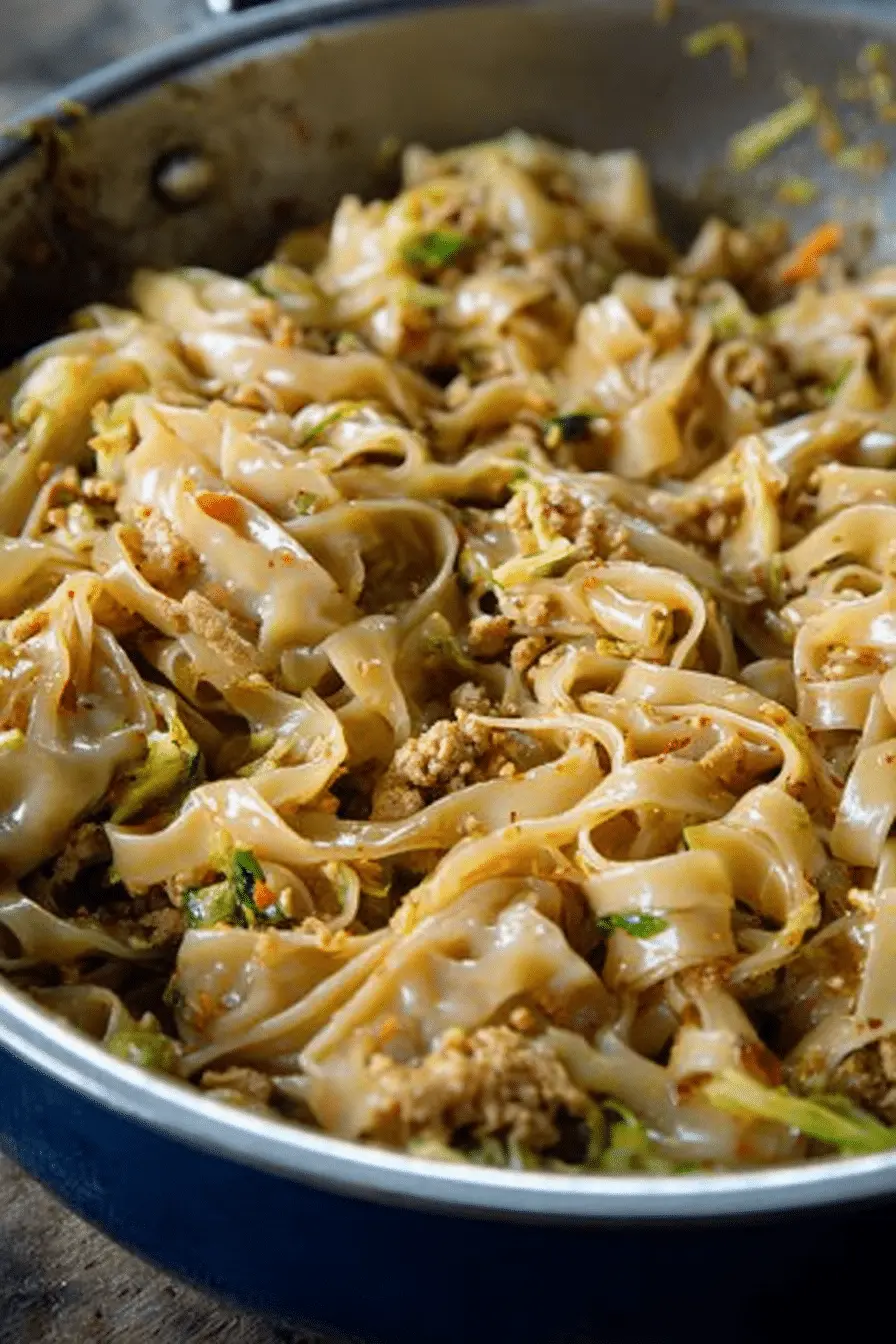
The Potsticker Bowls I Make on Weeknights — Ready in 30 Minutes
- Prep
- 10 min
- Cook
- 20 min
- Total
- 30 min
- Serves
- 6
- Calories
- 400 kcal
Introduction
I cook a lot on weeknights, and potsticker bowls have become a reliable go-to in my kitchen. They deliver the same satisfying contrast you expect from a pan-fried dumpling — savory filling, bright aromatics, and a little crunch — but in bowl form and without the fuss. I reach for them when time is tight and flavor can’t be sacrificed.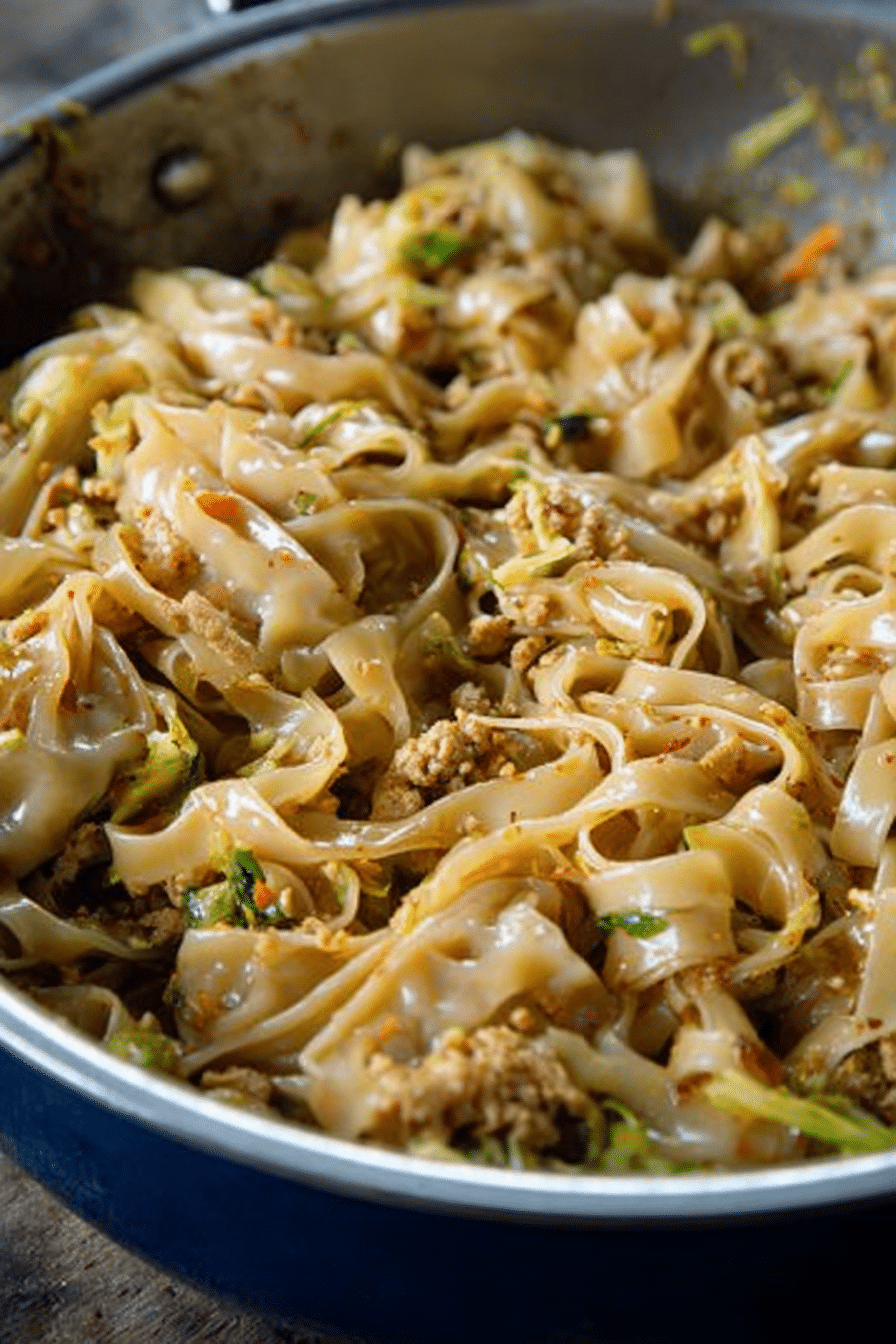
Why Potsticker Bowls Are the Weeknight Dinner You Need
Potsticker bowls balance savory, tangy, and spicy notes while pairing comforting textures: tender noodles, browned protein, and crisp raw or wilted vegetables. Because the components cook quickly and mostly in one pan, you save time on both cooking and cleanup.- Flavor balance: salty soy and umami-rich tamari play against bright rice vinegar and fresh green onions for a bowl that tastes layered without long simmering times.
- Customization: you can swap proteins or go vegetarian, adjust spice, and use whatever vegetables are on hand — so everyone at the table gets what they like.
- Time savings: using pre-shredded slaw mix and quick-soak noodles cuts active time. The whole meal comes together in about 30 minutes.
Everything You Need for Potsticker Bowls
Below are the essentials I keep stocked for a fast potsticker bowl. These notes focus on purpose and swaps so you can assemble the bowl from what’s in your pantry and produce drawer.- Soy sauce / Tamari – The salty backbone; tamari adds a gluten-free, deeper umami if you prefer it to standard soy.
- Rice vinegar – Brightens the sauce and prevents it from tasting flat.
- Chicken or vegetable broth – Adds body to the sauce; use vegetable broth for a vegetarian bowl.
- Ginger & garlic – Fresh is best for aroma; powdered ginger works in a pinch but won’t give the same fragrance.
- Rice noodles – Cook quickly and soak to a tender but slightly chewy texture; you can swap with other noodle types if needed.
- Ground pork (or substitute) – Quick to brown and flavorful; see swaps below for tofu or mushrooms.
- Coleslaw mix – Saves chopping time and keeps crunchy texture; use thinly sliced cabbage and carrots if you prefer.
- Eggs – Create little pockets of richness and help bind the bowl together.
- Vegetable oil – Neutral oil for high-heat browning; sesame oil can be added at the end for flavor.
- Green onions & red pepper flakes – Freshness and heat to finish the bowl.
- Tools – A roomy wok or large skillet, tongs or chopsticks for tossing, and a shallow dish for soaking noodles speed the process.
The Secret to the Perfect Potsticker Bowl Texture
Texture is what separates an okay bowl from one you want to eat every week. The goal is a contrast: soft noodles, browned chewy protein, and bright crunchy vegetables. Precise timing matters more than fancy technique.- Soak noodles until pliable but not falling apart; reserve a little chew to stand up to the sauce.
- Brown the protein on medium-high heat so you get caramelized edges — that Maillard flavor is essential.
- Add the coleslaw mix late in the cook so it wilts just enough to warm but keeps a satisfying crunch.
- Scramble eggs in a well in the pan so they stay tender and don’t overcook while you finish everything else.
- If you want extra crunch, consider a crunchy topping.Add some crunch to your potsticker bowls with our crispy roasted chickpeas.
Smart Swaps for Healthier or Vegetarian Bowls
If you want to lighten the bowl or remove meat, swaps are straightforward and maintain big flavor. I use these options frequently when I want a lighter or plant-forward dinner.- Tofu – Crumble firm tofu and press briefly to remove excess water; it soaks up sauce and gives you a tender, protein-rich substitute.
- Mushrooms – Finely chopped mushrooms add deep umami and a meaty texture when sautéed until golden.
- Tempeh – Crumbled tempeh gives nuttiness and holds up well in the pan for a heartier texture.
- Low-sodium sauces – Swap to low-sodium soy and use reduced-sodium broth to control salt without losing depth.
- Greens – Swap part of the coleslaw for baby spinach or bok choy for a lighter finish.
How to Layer Flavors Fast (Sauce, Aromatics, Heat)
Layering flavor is mostly about sequence: bloom aromatics, build the sauce, then marry everything briefly so flavors meld without losing texture.- Start with a hot pan and oil, then add garlic and ginger just long enough to become fragrant; this releases their essential oils without burning.
- Add the protein next so it picks up those aromatics and browns in their flavor base.
- Deglaze the pan with a splash of broth, then add soy/tamari and rice vinegar to balance salty and bright notes.
- Add crushed red pepper or fresh chiles at the end to preserve heat clarity rather than burying it.
- Finish with a drizzle of sesame oil or a squeeze of citrus to lift the whole bowl right before serving.
How to Make Potsticker Bowls (Step-by-Step)
Follow these steps for a fast, consistent potsticker bowl. I keep the instructions tight so you can move through them confidently.- Soak your rice noodles in a shallow dish of water until pliable; drain and set aside so they’re ready when the pan is finished.
- Whisk together soy, tamari, broth, rice vinegar, grated ginger, and optional red pepper flakes to form the sauce; set aside.
- Heat oil in a large skillet or wok over medium-high heat; add ground pork (or your chosen protein) and cook until browned and caramelized.
- Season the protein with soy sauce and salt/pepper; push it to the side of the pan.
- Add the coleslaw mix, green onions, and garlic; stir-fry briefly until the greens wilt but keep some crunch.
- Make a well in the center of the pan and pour in beaten eggs; scramble gently until just set, then fold into the mixture.
- Toss in the noodles and pour the sauce over everything; stir and cook just long enough for the noodles to absorb sauce and finish cooking.
- Taste and adjust seasoning, then plate and garnish with extra green onions or sesame seeds if desired.
- Common mistakes to avoid: overcrowding the pan (which prevents browning), over-soaking noodles (which makes them mushy), and adding delicate greens too early.
Pro Tip for potsticker bowls: Make it vegetarian in minutes with crumbled tofu and mushroom soy
I use this quick switch whenever I want a meatless weeknight bowl. Crumbled, pressed tofu and mushroom-forward soy sauce give you the savory heft of pork without the extra time or fuss.- Press and crumble firm tofu, then brown it well to develop texture and flavor.
- Use mushroom soy or add a small amount of shiitake powder to boost umami.
- Finish with a splash of vegetable broth instead of chicken broth to keep the bowl fully vegetarian.
Ingredient Timing: What to Cook First and Why
Getting the order right keeps textures distinct and flavors pronounced. Below is the sequence I follow and why.- Protein first — browning delivers caramelized flavor and creates fond for deglazing.
- Hearty vegetables next — items like carrots or cabbage can take a moment to soften; add them after the protein so they warm through without losing crunch.
- Eggs last — adding eggs toward the end keeps them tender and prevents them from drying out while finishing the other ingredients.
- Noodles and sauce at the end — this lets the noodles absorb flavor without overcooking.
How to Store, Reheat, and Meal-Prep Potsticker Bowls
Make-ahead and leftover strategy keeps these bowls useful for busy weeks. I often prep components separately so I can reheat quickly and keep textures lively.- Store noodles separately from sauced protein and vegetables to prevent sogginess; keep eggs mixed with the veggies/protein if you plan to eat within a couple of days.
- Reheat on the stovetop with a splash of water or broth over medium heat to revive the noodles and loosen the sauce; microwave with a few drops of water and cover to trap steam.
- For meal-prep, portion into airtight containers with sauce on the side if possible; assemble and warm just before eating.
Pro Tips for Potsticker Bowls: Variations and Troubleshooting
Variations- Seasonal veg swap: add roasted sweet potato in fall or blanched snap peas in spring for color and seasonal freshness.
- Spice variations: use gochujang for a Korean kick or a touch of hoisin for sweetness and depth.
- Protein swaps: shredded rotisserie chicken for an easy shortcut or thinly sliced steak for a richer option.
- Mushy noodles — I learned to soak them just until pliable and finish cooking in the pan so they hold texture.
- Soggy vegetables — add greens late and stir-fry quickly on high heat to preserve crunch.
- Bland sauce — taste before serving and correct with a splash of vinegar, a pinch of sugar, or a dash more soy to restore balance.
- Toast sesame seeds in a dry pan for a minute to boost aroma before garnishing.
- Reserve a little sauce to drizzle on top at serving for an extra glossy finish.
- Make extra sauce and store it — it keeps the bowl quick to finish during busy nights.
Frequently Asked Questions
Can I use a different type of noodle for potsticker bowls? Absolutely! While the recipe calls for rice noodles, you can swap them for other types like soba, udon, or even egg noodles, depending on what you have on hand. Is it possible to make potsticker bowls vegetarian? Yes! You can replace the ground pork with tofu, mushrooms, or a mix of your favorite veggies. Use vegetable broth instead of chicken broth to keep it vegetarian. How do I reheat potsticker bowls? You can reheat potsticker bowls in the microwave or on the stovetop. If using the stove, add a splash of water to the pan and heat over medium until warmed through. What can I add for extra flavor? Try adding sesame oil, a sprinkle of lime juice, or some fresh herbs like cilantro or basil. Don't forget to adjust seasonings to your taste! Can I meal prep potsticker bowls in advance? Definitely! You can prepare the ingredients ahead of time and store them separately in the fridge. When you're ready to eat, just assemble and cook!Recipe Card
The Potsticker Bowls I Make on Weeknights — Ready in 30 Minutes
- Prep
- 10 min
- Cook
- 20 min
- Total
- 30 min
- Serves
- 6
- Calories
- 400 kcal
Ingredients
- 8 oz.rice noodles
- 1/4 cuplow-sodium soy sauce
- 1/4 cuptamari sauce
- 1/4 cuplow-sodium chicken broth
- 2 teaspoonsrice vinegar
- 1/2 tablespoonginger, crushed or grated
- 1/4 teaspoonred pepper flakes, optional
- 1 tablespoonvegetable oil
- 1 poundground pork
- 2 tablespoonslow-sodium soy sauce
- 1 (14 oz.)bag coleslaw mix
- 3 clovesgarlic, crushed or minced
- 1 bunchgreen onions, finely chopped
- —kosher salt and freshly ground pepper, to taste
Instructions
- 1
Set noodles aside in a shallow dish filled with water and allow to soak according to package directions, then set aside until ready to use.
- 2
In a small bowl, whisk together soy sauce, tamari sauce, chicken broth, rice vinegar, ginger, garlic and red pepper flakes, then set aside.
- 3
Heat vegetable oil in a large wok or pan over medium-high heat and cook pork until browned.
- 4
Stir in remaining 2 tablespoons soy sauce and season generously with salt and pepper.
- 5
Add coleslaw mix, green onions and garlic, and cook for another 2-3 minutes, or until fragrant and greens have wilted.
- 6
Make a well in the center of your skillet, then pour in beaten eggs and cook for 2-3 minutes, or until eggs are scrambled.
- 7
Toss together to combine, then add noodles and sauce mixture and cook until noodles are tender, 3-4 minutes.
- 8
Taste and adjust seasoning, if necessary, then serve and enjoy.
You might also like

Reviews
Be the first to review this.