

I fell in love with profiteroles the first time I baked a tray that puffed into golden clouds—there’s something theatrical about slicing one open and finding a hollow shell ready to cradle ice cream or pastry cream. Over years in my kitchen I’ve learned how small technique adjustments change everything: how the dough should look and feel, how the oven must behave, and when to be patient. Those lessons are what I bring to you here: clear guidance so your profiteroles turn out reliably light, crisp, and beautiful every time.
In my experience, profiteroles are one of the most forgiving elegant desserts once you understand the choux basics: cook the flour into the liquid until a smooth ball forms, cool the dough enough that the eggs don’t scramble, and add the eggs until the paste is pipeable. I’ll walk you through each of those moments and show you how to plan ahead so you’re not racing at the last minute. The result: a platter of glossy chocolate-drizzled profiteroles your guests will think took far more effort than they actually did.
Why These Profiteroles Are Perfect for Your Next Event
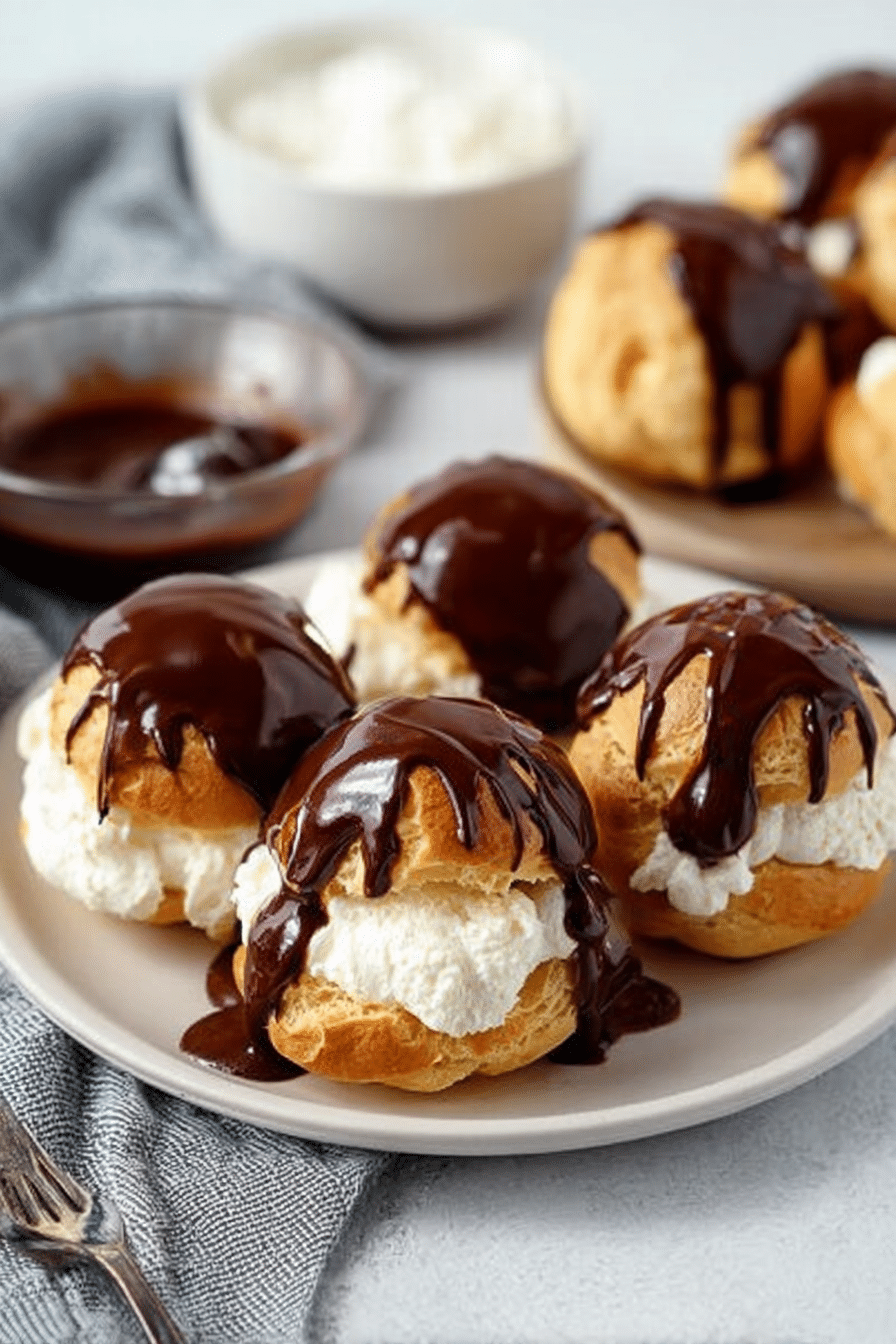
Profiteroles are visually striking on a dessert table—small, uniform puffs stacked or plated with a generous drizzle of chocolate look intentional and elegant. They’re perfect for dinner parties, bridal or baby showers, holiday buffets, or casual summer gatherings where you want a dessert that’s easy to portion and serve. Because the shells can be made in advance and filled just before serving, they’re ideal for busy hosts who want to enjoy their own event.
Sensory cue: imagine trays of glossy, golden-brown puffs, the faint aroma of butter and toasted pastry in the air, and the warm scent of chocolate ganache being spooned over each one. The make-ahead flexibility means you can plate them warm with melted chocolate for immediate service or prepare chilled ice cream-filled profiteroles for a summer party.
Everything You Need for Profiteroles
Below I list the ingredients and tools I rely on whenever I make profiteroles. Use the highest-quality chocolate and butter you can find—the difference shows in flavor and texture. For planning a brunch or event where you want a few extra make-ahead components, consider pairing with a simple breakfast offering like this ultimate creamy oatmeal to round out the menu.
- All-purpose flour – Provides structure; avoid swapping for very high-protein flours.
- Eggs – Give lift and richness; the dough’s consistency changes as you add them.
- Butter – Fat and flavor; better butter makes a more flavorful shell.
- Milk and water – The liquid balance controls steam generation, which puffs the shells.
- Sugar and salt – Small amounts enhance browning and flavor.
- Vanilla ice cream or pastry cream – Classic fillings; choose high-quality ice cream for best results.
- Heavy cream and good chocolate – For a glossy ganache; using good chocolate significantly improves the sauce’s depth.
- Piping bag and ½-inch round tip – For consistent-sized profiteroles; a disposable bag and a smooth round tip work well.
- Baking sheet and parchment – Prevents sticking and helps the bottoms brown evenly.
How to Make Profiteroles (Step-by-Step)
- Preheat your oven and line a baking sheet with parchment so your puffs have a clean surface to brown against.
- Bring your liquid (water and milk), butter, sugar, and salt to a full simmer so the butter melts and the mixture heats evenly.
- Add the flour all at once off the heat and stir vigorously until the dough comes together into a smooth ball and pulls away from the pan—this cooks the flour and sets the paste’s structure.
- Let the dough cool briefly so it’s warm but not steaming; if it’s too hot, the eggs will scramble when added.
- Beat in eggs one at a time until the dough reaches a glossy, pipeable consistency—stop when it drops slowly from a spoon in a thick ribbon.
- Transfer to a piping bag fitted with a round tip and pipe uniform mounds, spacing them so each puff has room to expand; smooth any peaks with a wet fingertip.
- Bake without opening the oven door until the puffs are golden and well-risen; this steady environment traps steam and creates the interior cavity.
- Turn off the oven, crack the door, and let the puffs sit to dry out their insides—this step helps prevent sogginess and ensures crisp shells.
- For ice cream-filled puffs, freeze small scoops of ice cream ahead of time so they remain firm when assembled. For pastry cream, chill and whisk until smooth before filling.
- Warm cream and pour over chopped chocolate to make ganache; let it emulsify until glossy, then drizzle over filled profiteroles just before serving.
The Secret to Achieving Light and Airy Profiteroles
- Steam is the leavening: the hot water in the dough turns to steam in the oven and expands, inflating the shell. The shell must set quickly to trap that steam—precise oven heat and properly cooked paste are essential.
- Liquid balance matters: the ratio of water, milk, and butter determines how much steam the dough can generate and how pliable the paste is for piping.
- Egg incorporation controls structure: add eggs gradually until the dough is pipeable but not runny—too little egg and the shell won’t rise; too much and it may spread instead of puffing.
- Oven monitoring: avoid opening the oven early; the sudden drop in temperature lets steam escape and the shells collapse. I keep a practiced eye on browning toward the end of baking so I can time the drying step correctly.
Troubleshooting Choux Pastry
- If your profiteroles are flat: the dough was likely too wet or eggs were under- or over-incorporated; next time, reduce added liquid or add the eggs more slowly until the dough is the right consistency.
- If the shells are soggy inside: they didn’t dry long enough after baking; return them to a low oven with the door cracked, or let them cool thoroughly on a rack so steam escapes.
- If the tops brown too quickly while the insides remain raw: lower the oven temperature slightly and bake longer to allow the interior to set without burning the outside.
- If the dough seems grainy after adding flour: ensure you cooked the paste long enough in the saucepan for the raw flour taste to go away and the dough to become glossy.
- High humidity days affect rise: on humid days, bake on a drier day or increase the final drying time; I sometimes extend the post-bake drying step by 10–15 minutes.
- Salvaging overcooked or undercooked puffs: overbaked shells can be refreshed by filling with a creamy filling to add moisture; underbaked shells should be returned to the oven until fully set, watching carefully to avoid additional browning.
Exploring Filling Options for Profiteroles
- Classic vanilla pastry cream or high-quality vanilla ice cream—both are timeless and crowd-pleasing.
- Chocolate or coffee pastry creams for a rich, adult flavor profile.
- Seasonal fruit curds or lemon pastry cream for bright, tart contrast in spring and summer.
- Vegan alternative: stabilized whipped coconut cream or a chilled cashew cream flavored with vanilla—these keep a satisfying texture without dairy.
- Gluten-free custards made with cornstarch or arrowroot can be used so guests with gluten sensitivities can still enjoy profiteroles.
- For a playful twist, try filling with flavored mousses or fruit purees coated lightly in gelatin for stability during assembly.
- If you’re interested in a fruit variation, try our strawberry cream puffs for a sweet twist that’s perfect in spring.
Why Temperature Matters When Making Choux Pastry
Temperature rules the choux process at three key moments: when you heat the liquid and butter together, when you cool the paste before adding eggs, and during baking. Heat the liquid until it’s at a vigorous simmer so the butter fully melts and the mixture is uniformly hot. Allow the paste to cool until it’s warm but not steaming—if you add eggs while it’s too hot, they’ll scramble and ruin the emulsion. Finally, bake at a steady, relatively high temperature to create steam quickly, then maintain consistent heat so the shells set and brown evenly.
Try This Unique Ingredient for Richer Flavor
I like adding a small amount of browned butter to the ganache or pastry cream rather than to the choux dough itself. Browning the butter concentrates nutty, caramelized notes that play beautifully with chocolate and vanilla—add it to the warm cream before combining with chocolate so the flavor is integrated without changing the dough’s water balance. This step gives a subtle, sophisticated depth that guests will notice even if they can’t name it.
Pro Tip for Perfect Profiteroles: Avoiding Common Mistakes
- I always watch the dough texture more than I watch measurements—the right choux is glossy and smooth and holds its shape when piped.
- Pipe uniform rounds using a template under your parchment if you want perfectly matched sizes—consistency is the easiest way to make a tray look professional.
- Don’t skip the drying step in the oven: I’ve learned the hard way that skipping it yields soggy interiors that collapse when filled.
- Make the ganache with warm (not boiling) cream and stir gently until shiny to avoid seizing the chocolate.
- When filling with ice cream, freeze the scoops solid first so assembly is quick and the ice cream doesn’t melt through the pastry before serving.
How to Store and Customize Your Profiteroles
Storage strategy depends on whether your profiteroles are filled. Unfilled shells keep their crispness best when stored in an airtight container at room temperature for a day or two; for longer storage freeze them in a single layer in an airtight container and thaw at room temperature. Filled profiteroles are best assembled shortly before serving—ice cream–filled choux must be served immediately after assembly, while pastry cream–filled puffs can be filled a few hours ahead and refrigerated.
- To preserve crispness: store unfilled shells at room temperature in a sealed container; re-crisp briefly in a warm oven if needed before filling.
- To customize fillings: swap pastry cream for flavored mousses, fruit curds, or stabilized whipped creams to match seasonal produce and themes.
- Serving suggestions: pair profiteroles with espresso, a light dessert wine, or a citrusy sparkling drink to cut richness.
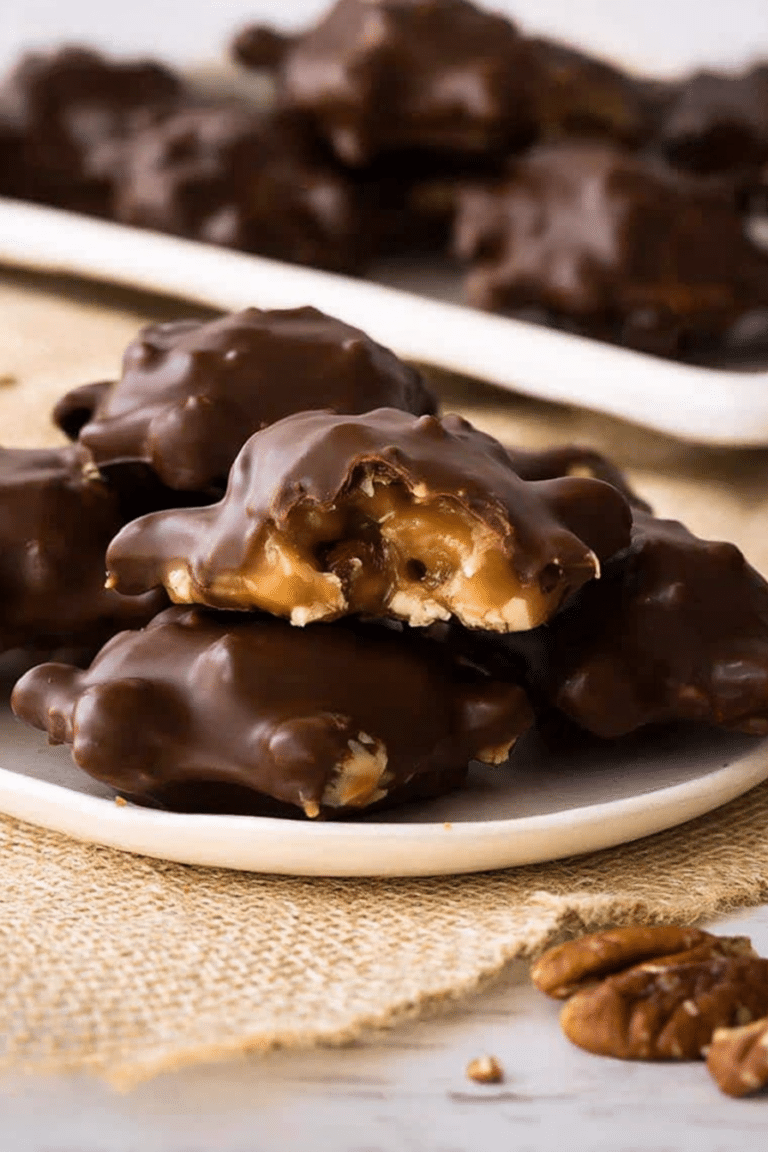
- For a dessert spread, consider combining profiteroles with other treats—try them alongside homemade chocolate turtles for variety, or add a fall element such as pumpkin pie overnight oats for seasonal pairing ideas.
Frequently Asked Questions
What can I use to fill my profiteroles?
You can fill your profiteroles with vanilla ice cream, pastry cream, or any flavored cream of your choice. Be creative with your fillings!
How do I ensure my profiteroles are light and airy?
To achieve light and airy profiteroles, make sure to incorporate the eggs slowly into the dough and allow them to bake without opening the oven door early.
What should I do if my choux pastry doesn’t rise?
If your choux pastry doesn’t rise, it might be due to insufficient steam. Ensure you’re using fresh ingredients and bake them until golden brown without opening the oven too soon.
Can profiteroles be made ahead of time?
Yes! You can prepare the choux pastry ahead of time. Just store the baked profiteroles in an airtight container and fill them right before serving.
Are profiteroles served warm or cold?
Profiteroles can be served warm or cold. They are often drizzled with warm chocolate sauce right before serving for an extra treat!
Profiteroles
Ingredients
Method
- Preheat the oven to 400°F (200°C) and set an oven rack in the middle position. Line a baking sheet with parchment paper.
- In a medium saucepan, combine the water, milk, butter, sugar, and salt. Bring to a boil over medium heat, stirring occasionally, until the butter is fully melted.
- Reduce the heat to low, add the flour all at once, and stir vigorously with a wooden spoon until the mixture forms a smooth ball and pulls away from the sides of the pan, about 1 minute.
- Transfer the dough to the bowl of an electric mixer fitted with the paddle attachment. Let it cool for 5 minutes, then beat on low speed for 30 seconds to release steam.
- With the mixer on low, add the eggs one at a time, beating well after each addition. Scrape down the sides as needed. Once all the eggs are incorporated, continue mixing for 1 minute more, until the dough is smooth, thick, and pipeable.
- Transfer the dough to a piping bag fitted with a ½-inch (1.25-cm) round tip. Pipe 1¾-inch (4.5-cm) mounds onto the prepared baking sheet, spacing them 2 inches (5 cm) apart. Wet your fingertip and gently press down any pointed tips to prevent burning.
- Bake for 22 to 25 minutes, without opening the oven until near the end of the baking time, until the puffs are golden and well-risen. Turn off the oven, crack the door open slightly, and let them sit inside for 30 minutes to dry out.
- Transfer to a wire rack to cool completely.
- In a small saucepan, heat the heavy cream over medium heat until steaming. Remove from heat and add the chopped chocolate and salt, stirring until smooth. Let it cool slightly before drizzling over the profiteroles.
- For Ice Cream-Filled Profiteroles: Before assembling, scoop small balls of ice cream onto a parchment-lined baking sheet and freeze until firm. Once the profiteroles are completely cool, slice them in half horizontally using a serrated knife. Place a frozen ice cream ball onto the bottom half of each profiterole, then place the top half back on. Drizzle generously with the warm chocolate sauce and serve immediately.
- For Pastry Cream-Filled Profiteroles: Before filling, whisk the chilled pastry cream until smooth. Using a small knife, poke a ¼-inch (6-mm) hole in the bottom of each profiterole. Transfer the pastry cream to a piping bag and pipe into each puff until almost filled. Drizzle with warm chocolate sauce and serve.