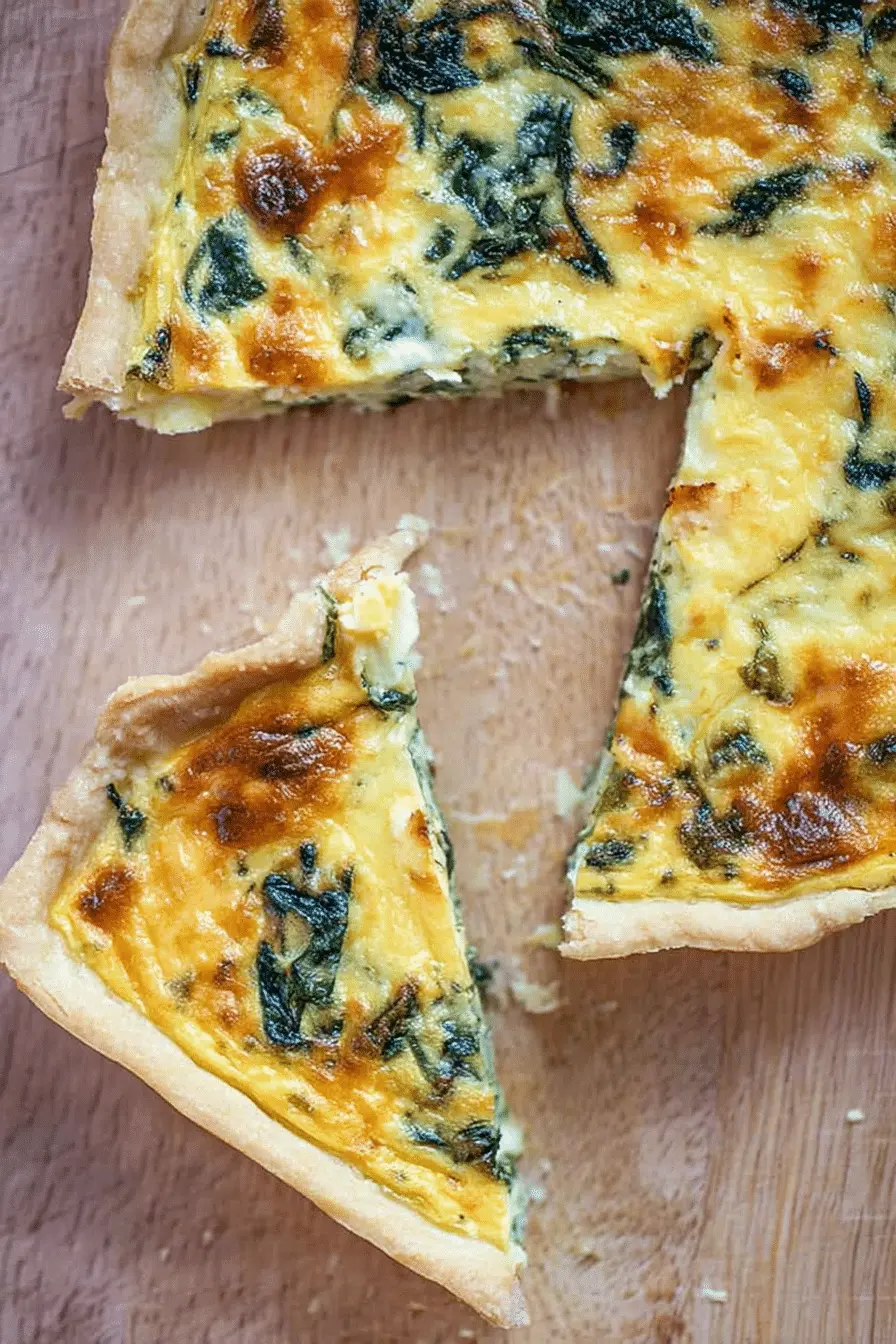
How I Finally Nailed Quiche Florentine — A Classic Spinach Quiche
- Prep
- 15 min
- Cook
- 30 min
- Total
- 65 min
- Serves
- 6
- Calories
- 386 kcal
- Carbs
- 26.00 g
Introduction
Quiche Florentine has been a steady presence on my table for years. In my kitchen it lives at the intersection of weekday practicality and old‑world elegance: a crisp pastry hugging a silken, savory custard threaded with spinach and a subtle nutmeg perfume. I first learned to make it the French way—attention to texture, restraint in seasoning, and respect for timing—and it changed how I think about eggs in baked dishes.
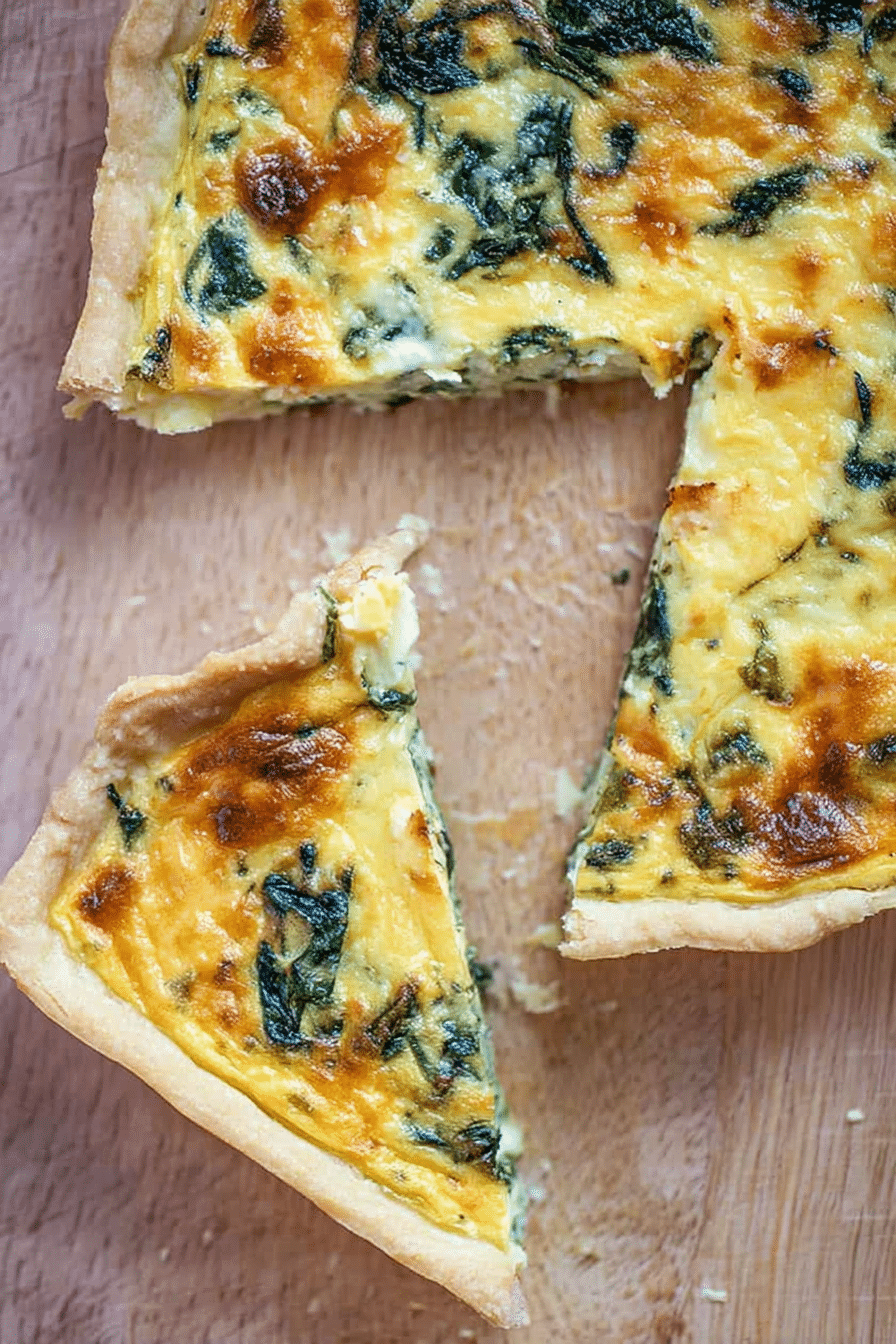
There are simple pleasures here: the way the crust goes from soft and doughy to a golden, slightly crumbly edge; the faintly sweet, caramelized hit of shallots; and that moment after the quiche comes from the oven when steam rises and the custard settles into a glossy, sliceable finish. In my experience, getting those elements right is less about a single trick and more about a handful of deliberate choices.
I write this recipe for home cooks who appreciate classic technique but want straightforward guidance. I will share what I do in my kitchen—what to watch for, how I handle the components, and the small habits that keep the custard silky and the crust crisp. If you value tradition and clarity, this quiche will repay the care you give it.
A Heritage Favorite: Why Quiche Florentine Belongs in Your Repertoire
Quiche Florentine is firmly rooted in French domestic cooking: a simple tart of eggs, cream, and local produce baked in a pastry shell. The "Florentine" label indicates the presence of spinach—an old European pairing that signaled both thrift and taste when vegetables were the star of a modest household meal. Over time it became a household classic across France and beyond, prized for its flexibility and comforting richness.
Its versatility is one of the dish's greatest merits: serve it at breakfast with a sharp salad, make it the centerpiece of a light luncheon, or offer slices alongside roasted vegetables for a relaxed dinner. The golden crust should be visually appealing, while the rich aroma of baked eggs and cheese fills the kitchen—simple cues that tell you the dish is ready to serve.
The ingredients are honest: eggs provide structure, dairy brings silkiness, cheese contributes savory depth, and spinach supplies freshness and color. With a few careful techniques you can make a quiche that reads as traditionally French yet is perfectly suited to contemporary home life.
Everything You Need for Quiche Florentine
Keep a few essential tools on hand: a 9‑inch tart or pie pan for even baking, pie weights or dry beans for blind‑baking, a skillet for sweating shallots and spinach, and a fine grater for the cheese and nutmeg. These small pieces of equipment matter more than you might expect: they influence texture and timing.
- Pie crust – A sturdy crust provides the structural contrast to the custard; store‑bought is fine when time is tight.
- Butter – For sautéing shallots and coating the pan if you make pastry by hand.
- Shallots – Add sweetness and a gentle onion note when softened.
- Eggs – The framework of the custard; use the freshest you have.
- Cream – For richness and a smooth mouthfeel; higher fat yields a more luxurious texture.
- Dijon mustard – A small amount lifts the custard and brightens the flavor.
- Spinach – Provides the signature Florentine element; it must be well‑drained before adding.
- Gruyère – Offers nutty, savory notes; other alpine or aged cheeses can be substituted.
- Nutmeg – A whisper of freshly grated nutmeg rounds the custard without overwhelming it.
If you're exploring various quiche styles, don't miss our Asparagus Quiche recipe for more inspiration on ingredients and preparation.
A Short History: What Makes a Quiche Florentine Traditional
Quiche traces its lineage to the savory tarts of medieval Europe, refined in regional French kitchens where local dairy and produce shaped the filling. The Florentine variant ties the dish to spinach preparations that were popular across France and Italy, a designation that historically signified a leafy green as a central element.
Local ingredients dictated the quiche's evolution: where rich alpine cheese was available, it enriched the custard; where butter was prized, it deepened the crust’s flavor. This regional adaptability explains why quiche remains a canvas for local and seasonal tastes.
Appreciating the dish historically means valuing balance: restraint in seasoning, attention to texture, and allowing simple components—egg, cream, cheese, and greens—to harmonize rather than compete. That ethos remains my guiding principle when I make it at home.
The Secret to a Silky Custard
For a quiche that is silken rather than rubbery you must control fat, liquid, and heat. Use cream instead of only milk for a richer, smoother mouthfeel: the added fat stabilizes the curd and yields a glossy surface. Temperatures that are too high can coagulate the proteins too quickly, which makes the custard grainy; a steady, moderate oven allows the eggs to set gradually.
- Whisk gently to combine eggs and dairy; avoid vigorous whisking that incorporates excess air.
- Strain the custard if you notice any stringy bits—this produces a velvety texture.
- Blind‑bake the crust until it is just set; a soggy shell is the most common reason for a weepy filling.
- Use an oven position that encourages even browning on top without overcooking the center.
Choosing the Right Cheese and Spinach
Cheese choice is crucial: traditional gruyère brings a nutty, savory backbone and melts predictably into the custard. If you prefer a milder or tangier profile, Swiss or a young cheddar will work. For a more pronounced character, blend gruyère with a small amount of a sharper cheese.
- Gruyère – Nutty, melts smoothly and supports the custard.
- Swiss or cheddar – Good substitutes when gruyère is unavailable; alter proportions to taste.
- Fresh spinach – Sauté and drain thoroughly to avoid excess moisture.
- Frozen spinach – A convenient option; thaw and squeeze dry before using.
When considering dietary needs, a gluten‑free crust is an easy adaptation for those avoiding gluten: choose a reliable gluten‑free pastry and blind‑bake it with care to prevent crumbling. If you enjoy similar flavor combinations, you might also like our Spinach Goat Cheese Quiche, which highlights delicious flavors that pair well with Quiche Florentine.
How to Make Quiche Florentine (Step-by-Step)
- Preheat your oven and place the rack low to promote even baking and a thoroughly cooked base.
- Unroll and fit your pie crust into a 9‑inch pan; trim and fold the edges so they form a clean rim that won’t overhang and break when slicing.
- Prick the bottom of the dough all over with a fork so steam can escape and the center doesn’t bubble up.
- Line the crust with parchment and fill with pie weights or dried beans; blind‑bake until the edges are golden and the center looks set but not fully browned.
- Meanwhile, gently sauté shallots in butter until soft and beginning to color; remove from heat to cool slightly.
- If using frozen spinach, ensure it is fully thawed and squeezed dry; for fresh, sauté briefly until wilted and then press out moisture.
- Whisk eggs with cream, a touch of mustard, salt, and pepper; combine just until homogeneous—avoid overmixing to keep the custard tender.
- Layer shallots, spinach, and half the grated cheese in the prebaked shell, pour in the egg mixture, then top with remaining cheese and a light grating of nutmeg.
- Bake on the lower rack until the custard is set and the top is lightly golden—if the filling jiggles, it needs more time.
- Allow the quiche to rest for at least 10–20 minutes before slicing so the interior finishes setting and your slices hold together.
Common pitfalls include insufficiently drained spinach and a crust that has not been blind‑baked long enough. Both lead to a soggy bottom; I learned this the hard way and now always press moisture from greens and bake the shell until the center stops looking raw.
Pro Tip for Quiche Florentine: Make-Ahead, Gluten-Free & Dairy-Free Swaps
I often prepare quiche ahead when I’m feeding a crowd; it rewards planning and stores well. Below are practical, scannable tips presented as bulleted lists for easy reference.
- Make‑ahead – Assemble the quiche through the point of baking, cover, and refrigerate for up to a day; bake straight from the fridge, adding a few extra minutes if needed.
- Freeze – Freeze a fully baked quiche wrapped well for longer storage; thaw overnight in the refrigerator before reheating gently.
- Gluten‑free crust – Use a tested gluten‑free pastry or shortcrust and blind‑bake thoroughly; consider a firm alternative crust like almond‑meal for nut‑friendly diets.
- Dairy‑free swaps – Replace cream with a full‑fat plant‑based alternative designed for baking and choose a dairy‑free melting cheese; texture will be slightly different but still satisfying.
How to Store, Reheat, and Vary Quiche Florentine
Proper storage preserves texture and flavor. Cool the quiche to near room temperature, then wrap or cover and refrigerate. Leftovers remain excellent for several days when kept airtight; for longer keeping, freeze as noted above.
- Reheating – Warm slices gently in a low oven to maintain a crisp crust and avoid drying the custard; the microwave will work in a pinch but can make the filling rubbery.
- Troubleshooting – If the custard is weepy, the likely causes are underbaked crust or excess moisture from the spinach; next time, blind‑bake longer and press greens thoroughly. If the custard is firm or rubbery, lower your oven temperature and extend cooking time to allow a gentler set.
- Variations – Add cooked bacon or pancetta for a meatier flavor, substitute leeks for shallots, or fold in sautéed mushrooms for an earthier profile. Each variation benefits from the same attention to moisture control and balanced seasoning.
Complementary Sides for Quiche Florentine
A simple, vibrant salad contrasts the richness of the quiche: young greens dressed with a bright vinaigrette or a fennel and citrus salad add freshness and texture. Light soups such as a clear vegetable consommé or a chilled cucumber soup can also complement the dish on warmer days.
For a delicious side, consider serving your quiche with Oven Roasted Cauliflower, which complements its rich flavors beautifully.
Pairings extend beyond food: a crisp white wine such as a dry sauvignon blanc or a lightly oaked chardonnay pairs well, and sparkling water with lemon keeps the meal feeling clean and lifted. For a themed plate, serve alongside protein dishes like Chicken Florentine Meatballs for a harmonious table.
Frequently Asked Questions
Can I use fresh spinach instead of frozen spinach?
Absolutely! You can use fresh spinach, just make sure to sauté it first to reduce moisture before adding it to the quiche.
What can I use as a substitute for gruyère cheese?
If you don't have gruyère, you can substitute with Swiss cheese or cheddar for a different flavor profile.
How long can I store leftover quiche Florentine?
You can store leftover quiche in the refrigerator for up to 3-4 days. Just make sure it's in an airtight container!
Can I make quiche Florentine ahead of time?
Yes! You can prepare the quiche in advance and refrigerate it before baking. Just bake it when you're ready to serve.
Is Quiche Florentine gluten-free?
The traditional recipe uses a pie crust, which isn't gluten-free. However, you can easily use a gluten-free crust to make it suitable for gluten-sensitive individuals.
Recipe Card
How I Finally Nailed Quiche Florentine — A Classic Spinach Quiche
- Prep
- 15 min
- Cook
- 30 min
- Total
- 65 min
- Serves
- 6
- Calories
- 386 kcal
- Carbs
- 26.00 g
Ingredients
- —store-bought pie crust
- 1 tablespoonbutter
- 3 largeshallots (sliced)
- 5 largeeggs
- 1/2 cupheavy cream
- 2 teaspoonsDijon mustard
- 1/2 teaspoonkosher salt
- 1/4 teaspoonfreshly ground black pepper
- 6.5 ouncesfrozen spinach (thawed and squeezed dry)
- 2.5 ouncesgrated gruyère cheese
- 1/4 teaspoonfreshly grated nutmeg
Instructions
- 1
Preheat oven to 400°F. Line a 9-inch pie plate with pie crust.
- 2
Prick the crust with a fork and pre-bake with weights for 25 minutes.
- 3
Sauté shallots in butter until browned.
- 4
Whisk eggs, cream, mustard, salt, and pepper together.
- 5
Layer shallots, spinach, and cheese in the crust, then pour egg mixture on top.
- 6
Bake for 25-30 minutes until set and lightly browned.
- 7
Allow to rest for 10-20 minutes before slicing. Serve warm or at room temperature.
You might also like


Reviews
Be the first to review this.