

I love a vegetable side that feels thoughtful but actually takes almost no time. On hectic weeknights I often roast a tray of asparagus: it brightens the plate, comes together in about 15 minutes from start to finish, and needs only a handful of pantry staples. I keep the routine simple so the spears stay vibrant and firm rather than mushy.
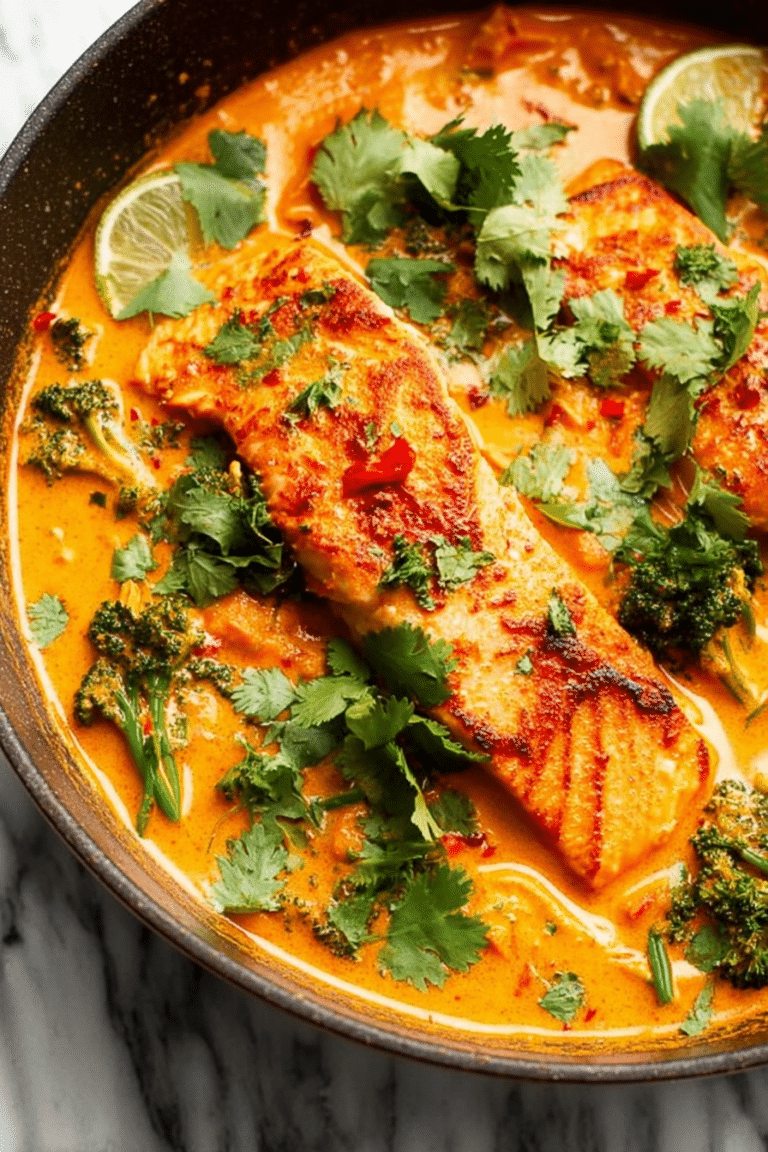
I learned early on that a hot oven and dry spears make all the difference; that little brown edge gives a nutty aroma and a pleasant snap. In my kitchen I usually pair roasted asparagus with a simple protein — for instance, it goes straight to the pan beside garlic butter salmon for a quick dinner that looks like I fussed over it longer than I did.
Sometimes I’ll add a pat of melted butter or a bright sprinkle of lemon zest at the end; other nights the olive oil, salt, and pepper are all I use. The goal is the same: fast, reliable, and delicious every time, with a crisp-tender bite and a toasted aroma that fills the kitchen.
Why This Roasted Asparagus Is Ideal for Busy Weeknights
This recipe fits into a weeknight rhythm because it takes about 15 minutes total — minimal prep, short roast time, and little cleanup. It’s pantry-friendly and budget-conscious: a single bunch of asparagus, good olive oil, and salt and pepper are enough to make a standout side. Visually, the bright green spears with light browning look fresh on the plate; aromatically you’ll notice a nutty, roasted scent as the tips start to caramelize. Texturally you get a crisp-tender spear that complements proteins and grains without overpowering them.
Serve it alongside quick mains or use it to round out a bowl. Roasted asparagus is flexible with cuisines — it plays nicely with Mediterranean flavors, Asian glazes, or simple buttery preparations. If you want a ready-made pairing, try it with garlic butter salmon for a fast and delicious dinner.
Everything You Need for Roasted Asparagus
- Asparagus – Look for firm, straight spears with tightly closed tips; thicker stalks are meatier and hold up well to roasting, while thin ones cook faster.
- Olive oil – Use a good-quality olive oil for flavor and even browning; it also helps seasonings stick.
- Kosher salt – Coarser salt gives better control and distributes more evenly across the spears.
- Freshly ground black pepper – Adds a sharp background note; grind fresh for best aroma.
- Optional lemon zest – Brightens the finished dish with fresh citrus aroma and a pop of color.
- Optional melted butter – A little butter adds richness and a silky mouthfeel if you want a more indulgent finish.
- Rimmed baking sheet – Use a rimmed sheet for easy roast and to keep any oil contained; a single layer is important so spears brown rather than steam.
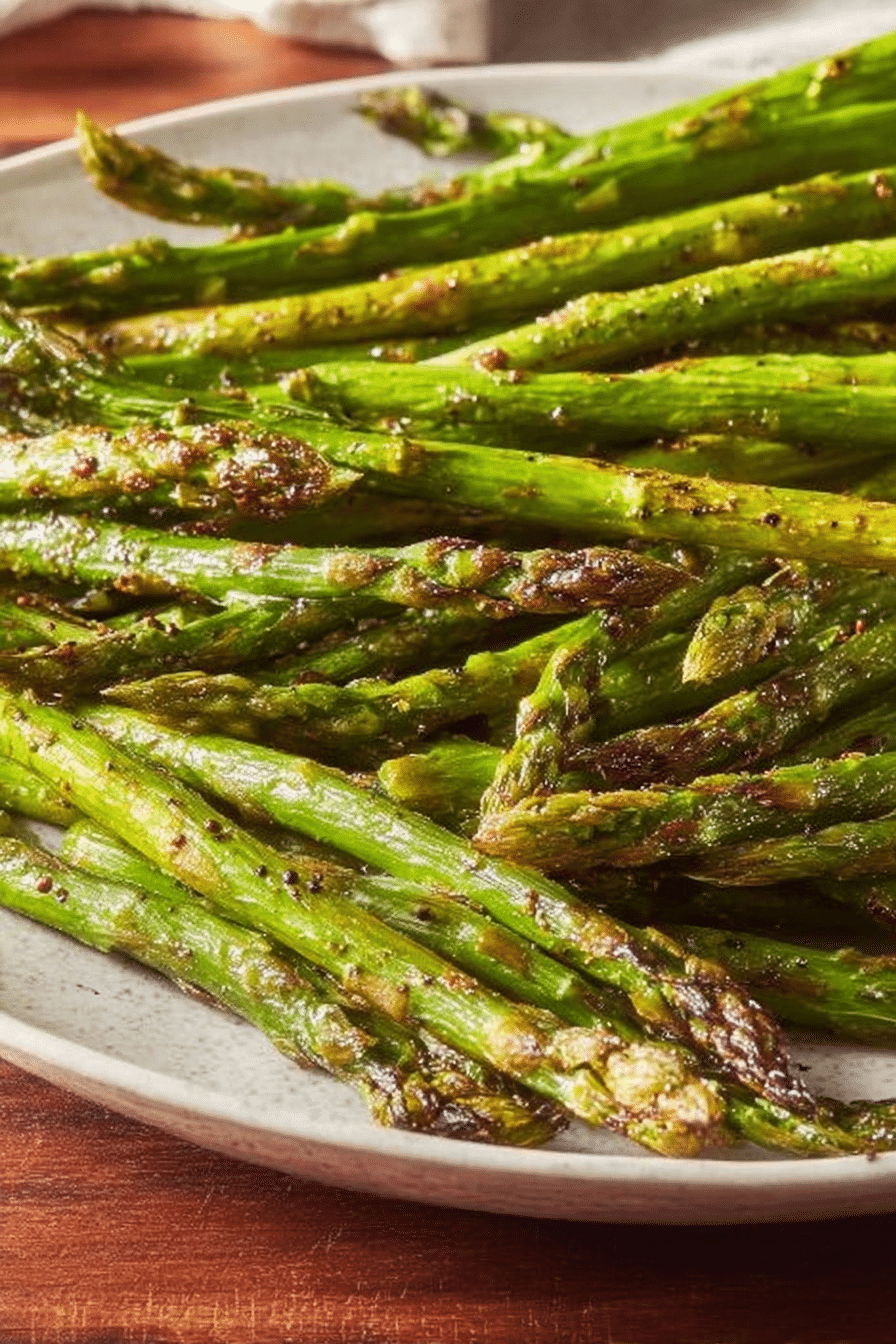
Sensory notes: visually you want glossy, vibrant green spears with tiny toasted points; aromatically the pan should smell lightly nutty; the tactile cue to watch for is a firm but yielding bite.
The Secret to Tender-Crisp Texture
Getting asparagus to be tender on the inside yet still have a bite comes down to time and heat. Roast just long enough for the edges to brown while the centers stay bright and firm. When done properly you’ll see a slight caramelization at the tips and along one side of the stalks; when you bite in, the spear should snap lightly rather than flop.
Think of doneness as a color and feel test: pale green turning to bright, with tiny brown patches, and a knife or fork should meet gentle resistance. That combination gives the ideal mouthfeel — not limp, not raw.
Why High Heat Matters for Roasting Asparagus
High oven heat promotes quick caramelization, which creates a nutty, slightly sweet flavor on the surface without drying the interior. At lower temperatures the spears tend to steam, becoming soft and watery rather than crisp-tender. A hot oven encourages those small brown spots that signal the Maillard reaction — that toasty scent you want.
This method isn’t unique to asparagus: many vegetables benefit from a quick, high-heat roast to lock in texture and develop flavor. For asparagus specifically, it’s the difference between a lively side and a soggy one.
Flavor Swaps: Seasonings Beyond Olive Oil
Here are straightforward flavor ideas if you want to change the vibe without adding fuss. Each option focuses on aroma and a small texture shift so the spears remain the star.
- Finish with a splash of balsamic vinegar or a drizzle of balsamic reduction for sweet-tangy depth. For an exciting twist, try pairing roasted asparagus with balsamic glazed roasted vegetables.
- Red pepper flakes or a pinch of chili powder – gives heat and a sharper aroma.
- Fresh herbs like thyme, rosemary, or chopped parsley – add an herbaceous lift just before serving.
- Lemon zest and a squeeze of lemon juice – brightens aroma and adds a clean finish.
- Swap oils: try sesame oil for an Asian-leaning finish or avocado oil for a neutral, high-heat option.
- Grated hard cheese (Parmesan or Pecorino) – sprinkle right after roasting so it melts slightly and adds savory richness.
Looking for other options? Check out our sheet pan roasted veggie tacos for a flavor-packed dish that pairs well with asparagus.
How to Make Roasted Asparagus (Step-by-Step)
- Preheat your oven until it’s very hot so the asparagus browns quickly and doesn’t steam.
- Wash the asparagus thoroughly, rub or pat the spears dry so excess water doesn’t prevent browning.
- Trim the tough woody ends by bending a spear to find the natural break point or lop off the bottoms with a knife.
- Spread the spears in a single layer on a rimmed baking sheet — crowding causes steaming rather than roasting.
- Drizzle the spears with olive oil and season generously with kosher salt and freshly ground black pepper; toss or use your hands to coat evenly.
- Roast briefly until the stalks are bright green with light browning at the tips and sides; timing depends on thickness — aim for a crisp-tender bite.
- Optional: finish with melted butter or a sprinkle of lemon zest right after they come out of the oven to add gloss and aroma.
Sensory cues: watch for a nutty roasted scent, glossy spears, and light browning; the ideal texture is firm with a gentle give when bitten.
Pro Tip for Roasted Asparagus: Use a Hot Oven and Dry Spears
- Preheat the oven fully — a very hot oven encourages browning without overcooking the center.
- Dry the asparagus well after washing; excess moisture causes steaming and prevents crisping.
- Arrange in a single layer with space between spears so hot air circulates and promotes even roast.
- Adjust roast time to stalk thickness: thin spears need less time, thick ones a bit more—watch for color and feel rather than the clock alone.
Troubleshooting
- Spears came out soggy? Next time pat them very dry and avoid crowding on the pan; increase oven heat if needed.
- Tips burned before centers cooked? Use a slightly lower rack in the oven or reduce temperature a bit and roast a touch longer to even out cooking.
- Too bland? Be generous with kosher salt and finish with lemon zest or a sprinkle of cheese to boost flavor.
How to Store, Reheat & Turn Leftovers into New Dishes
Store cooled asparagus in an airtight container in the refrigerator for up to three days so it keeps its texture and flavor. When reheating, the oven or toaster oven briefly at moderate heat will revive crispness better than the microwave, which can make spears soft.
- Store leftovers in an airtight container in the fridge for up to three days.
- Reheat on a baking sheet in a moderate oven to breathe back some crispness, or gently warm in a skillet with a drizzle of oil.
- Transform leftovers into salads, toss with warm grains, or chop and fold into an omelet or frittata for a quick breakfast or lunch.
Don’t forget, leftover roasted asparagus can be transformed into a tasty roasted veggie chickpea pesto quinoa salad.
Nutritional Benefits of Asparagus
- Low in calories with modest fat when dressed simply, making it a light side option.
- Provides dietary fiber that supports digestion and helps keep meals satisfying.
- Contains vitamins like vitamin K and vitamin C, which support bone health and immunity; antioxidants in asparagus contribute to overall health.
Creative Ways to Incorporate Roasted Asparagus into Other Dishes
Roasted asparagus is a terrific building block. Chop it into pasta with lemon, toss it into grain bowls for color and texture, or layer it on pizzas and flatbreads for bright, roasted notes. It also pairs beautifully with rich proteins and lighter salads alike. For an exciting twist, try pairing roasted asparagus with balsamic glazed roasted vegetables.
- Use as a pizza or flatbread topping paired with ricotta or a tangy cheese.
- Add to grain bowls with farro, quinoa, or rice for extra color and crunch.
- Fold into pasta with a little pasta water, olive oil, and lemon for a light sauce.
- Wrap spears in prosciutto and briefly broil for a salty, crisp appetizer.
Variations
- Grilled asparagus: cook over direct heat for smoky char and slightly firmer texture.
- Air-fryer asparagus: a fast, hands-off way to get crisp edges; adjust time to spear thickness.
- Cheesy asparagus: sprinkle grated hard cheese in the final minute of roast so it melts lightly.
- Herb and citrus: finish with chopped fresh herbs and lemon for a fresher finish.
Frequently Asked Questions
How long does it take to make roasted asparagus?
It takes just 15 minutes to make roasted asparagus, including prep and cooking time!
What temperature should I roast asparagus at?
You should roast asparagus at 425°F for the best results.
Can I add other seasonings to my roasted asparagus?
Absolutely! Feel free to experiment with different seasonings beyond olive oil, like garlic, lemon zest, or herbs.
How do I store leftovers of roasted asparagus?
Store any leftovers in an airtight container in the fridge for up to 3 days. You can also reheat them in the oven or microwave.
Why is high heat important when roasting asparagus?
High heat is crucial because it helps the asparagus brown on the outside while keeping it crisp-tender on the inside without overcooking.
Roasted Asparagus
Ingredients
Method
- Preheat oven to 425°F.
- Wash the asparagus thoroughly, stack a bunch together and lop off the tough/thick bottom an inch or so.
- Spread out the asparagus in a single layer on a rimmed baking sheet. Pat them dry to avoid steaming.
- Drizzle olive oil all over the asparagus (and melted butter if using), then sprinkle generously with salt and pepper.
- Roast the asparagus for about 10 minutes until browned but still crisp-tender. Optionally sprinkle with lemon zest before serving.