Ultimate Spring Roll Salad with Spicy Ginger Dressing – Perfect for Lunch
- Prep
- 20 min
- Cook
- 20 min
- Total
- 40 min
- Serves
- 6
- Calories
- 410 kcal
- Protein
- 7.30 g
- Carbs
- 72.50 g
- Fat
- 10.30 g
On this page12 quick jumps
TOC
12 quick jumps
Introduction
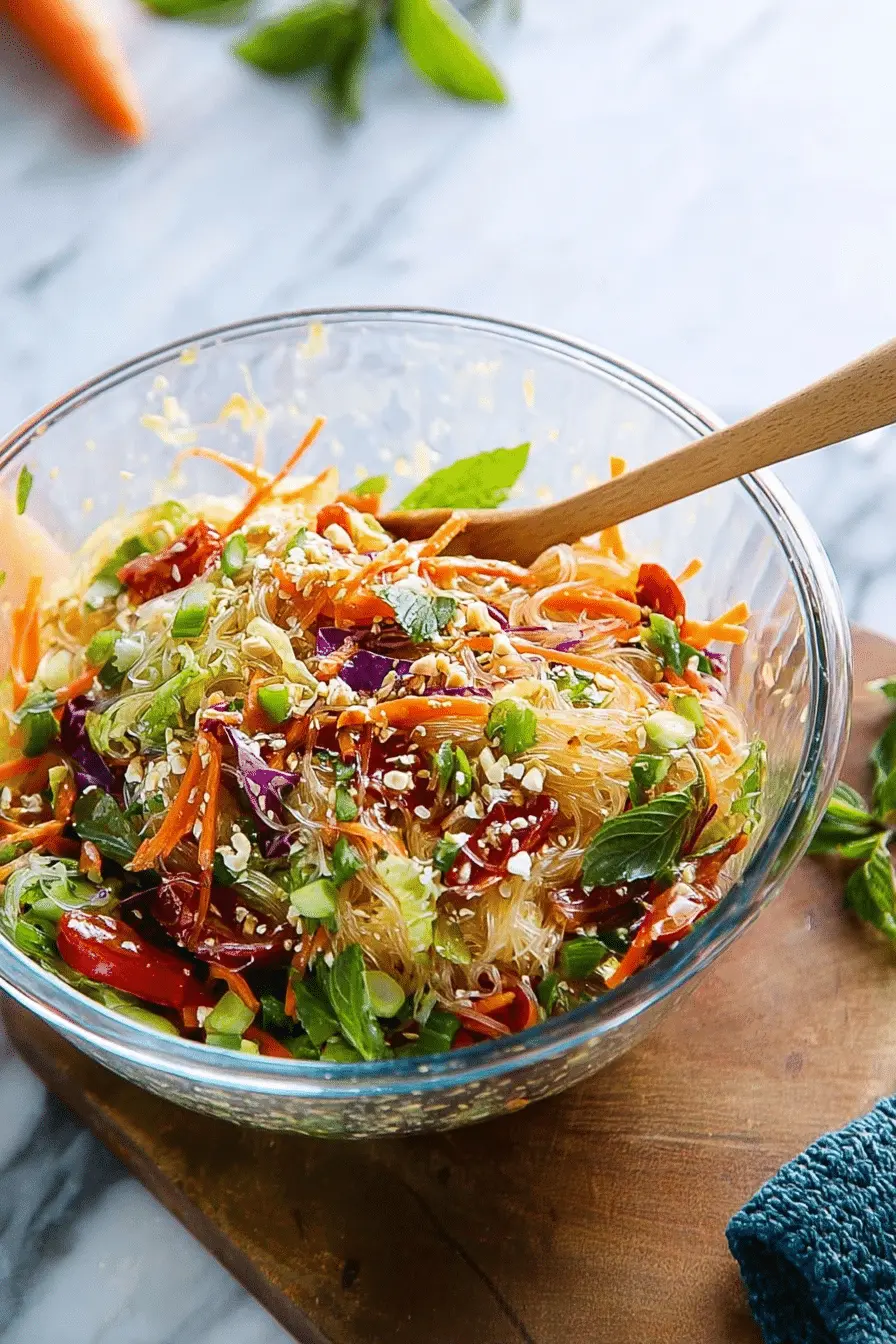
I first made this spring roll salad on a rainy Tuesday when I needed something that felt like sunlight on a plate. What I love about it is the crunch — shredded cabbage, julienned carrots and sweet pepper that snap against tender rice noodles and soft ribbons of cucumber. The spicy ginger dressing ties everything together with a tangy, slightly sweet heat that lingers at the back of your throat. I tested this recipe several times over a couple of weeks to get the balance right; the version below is what I always come back to when I want something bright, light, and full of texture.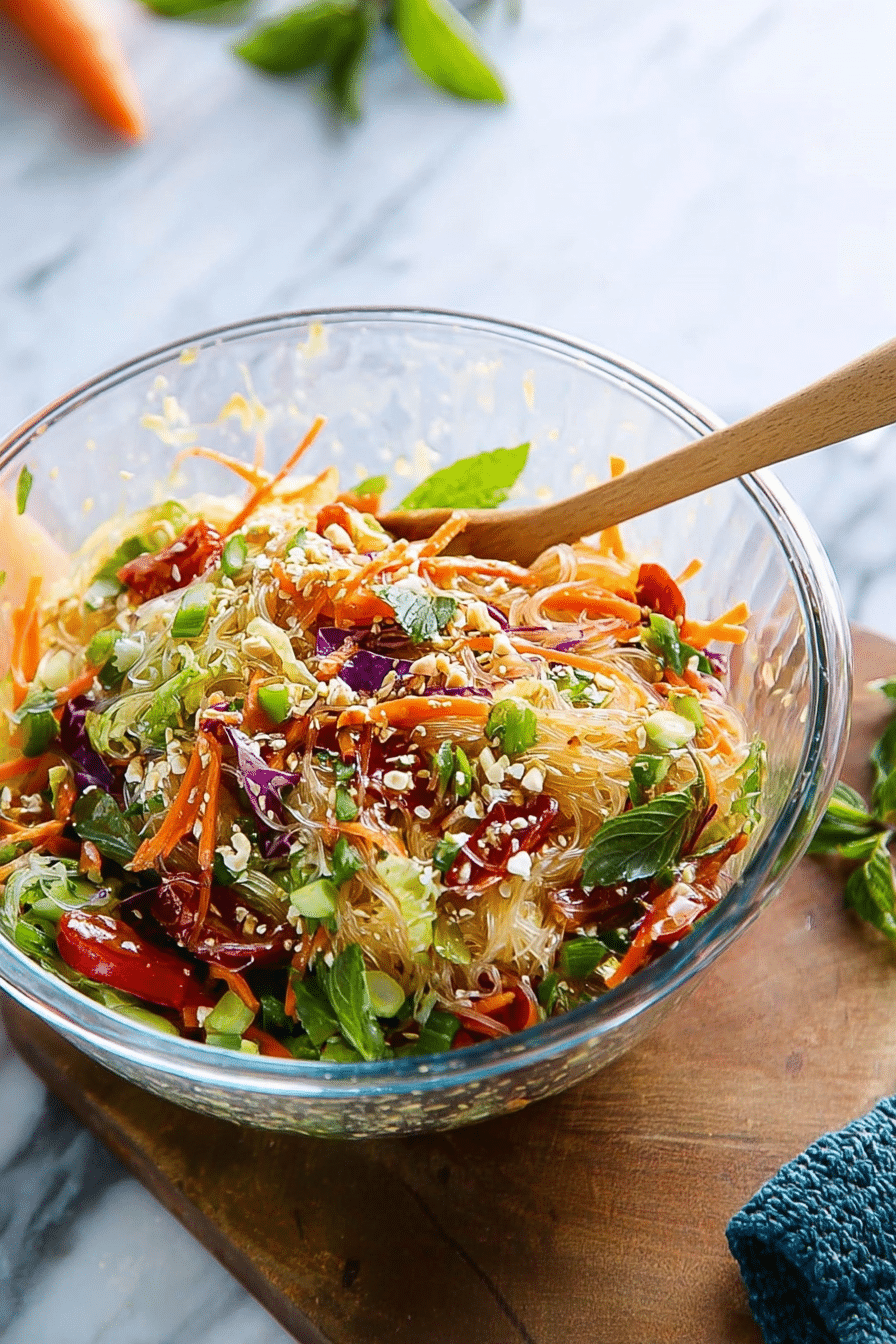
Ingredients for the Salad
Below I break down the main components and why each one matters. I describe them conversationally, so you get ideas for swaps and how each ingredient behaves in the bowl.- Rice noodles – the soft, slippery base that soaks up dressing; rinse them cold to stop cooking and prevent clumping.
- Green or purple cabbage – provides crunch and color; thinly shredded so it blends with the noodles instead of overwhelming them.
- Cucumber – cool and hydrating, cut into matchsticks so each bite gets a crisp, refreshing note.
- Carrots – sweet and crunchy; julienne or use a peeler for ribbons that sit beautifully with noodles.
- Sweet bell pepper – adds sweetness and bright color; I use red or yellow for visual pop.
- Cilantro – a fragrant, leafy herb that makes the salad taste fresh; add firmly packed leaves so you get herbaceous bursts.
- Mint – a surprising refresher that cuts through the ginger heat; use sparingly if you’re new to mint in salads.
- Roasted peanuts – for crunch and a toasty, savory finish; chop or smash so they scatter evenly.
- Sesame oil – a little goes a long way for that nutty, toasty note in the dressing.
- Fresh ginger and garlic – the backbone of the dressing; freshly minced ginger gives a bright, peppery bite that dried can’t match.
- Rice wine vinegar – provides acidity and tang; balances the sweetness and oil in the dressing.
- Soy sauce – adds savory umami; swap with tamari or coconut aminos for a gluten-free option.
- Agave (or maple/honey) – a touch of sweetness to tame the ginger’s edge; use maple for a vegan option if desired.
How to Prepare the Spicy Ginger Dressing
Making the dressing in a blender or food processor gives it a silky texture that clings to noodles and vegetables. I learned the hard way that a too-early salt adjustment can flatten the ginger’s brightness — taste after the oils and acids are combined and then finish with salt. You'll use fresh minced ginger, garlic, soy sauce, a sweetener, rice wine vinegar, a little sesame oil for depth, and neutral oil to help emulsify and soften the heat. Red pepper flakes add a teeth-tingling warmth that you can increase or cut down depending on your tolerance.- In a food processor or blender, combine 3 tablespoons minced fresh ginger, 2 medium cloves garlic (minced), 2 tablespoons soy sauce, 1 tablespoon agave nectar (or maple syrup/honey), 1/4 cup rice wine vinegar, 1 tablespoon sesame oil, 2 tablespoons canola oil or vegetable oil, and 1/2–1 teaspoon red pepper flakes (to taste). Blend until smooth.
- Season dressing with salt and pepper to taste and refrigerate until ready to use. If the dressing tastes flat, add a splash more rice wine vinegar or a pinch of salt — acid and salt bring flavors forward faster than sweetness.
- Fresh ginger – buy firm, smooth-skinned ginger; avoid shriveled pieces. If it’s fibrous, grate it finely so you don’t get stringy bits in the dressing.
- Soy sauce – use tamari if you need gluten-free; it’s a little richer and saltier.
- Alternative dressings – try a creamy peanut sauce or sesame-ginger tahini if you prefer something richer. A simple lime-citrus vinaigrette also brightens the bowl if you want lighter flavors.
Step-by-Step Instructions for Salad Assembly
I usually cook the noodles first, then chop everything while they cool under cold running water — it saves time and keeps the noodles from sticking together. Here’s the hands-on sequence I follow and why each step matters.- Cook 8 oz rice noodles according to package instructions. Timing will vary by brand; watch them closely and taste a strand a minute or two before the package time is up. They should be tender but still have a little bite (al dente) because they’ll soften more when dressed.
- Rinse noodles well with cold water until completely cooled. This stops the cooking and firms their texture. If you skip this, the noodles will keep cooking in their own heat and become gluey.
- Drain noodles and transfer to a large serving bowl. Toss gently with a splash of sesame oil if you’re not dressing immediately — this helps prevent sticking and adds aroma.
- Add 1–1/2 cups shredded green or purple cabbage, 1 small cucumber julienned, 2 small carrots julienned, 1 medium sweet pepper julienned, 1/4 cup minced cilantro, and 1/4 cup minced mint to rice noodles and toss to combine. Layering helps: put the noodles in first, then the sturdy cabbage, and softer herbs on top so they don’t bruise while you toss.
- When ready to serve, drizzle the prepared spicy ginger dressing over the salad and toss well to coat evenly. I start with half the dressing, toss, taste, and add more as needed — that way you don’t overdress and make it soggy.
- Season salad with salt and pepper to taste if needed and garnish with chopped roasted peanuts, additional cilantro and sesame seeds. Serve immediately.
- For a composed bowl, arrange the noodles in a nest and pile colorful vegetables on quarters so the rainbow is visible.
- If you want to serve as wraps, place a small heap of the tossed salad onto hydrated rice paper and roll tightly; the salad’s dressing should be light so the rice paper doesn’t get soggy.
- Garnish with toasted sesame seeds and a lime wedge for acidity at the table.
Nutritional Benefits of the Salad
This bowl packs a lot of nutrients in a light package. The original nutrition estimate works out to roughly 410 kcal per serving, with fats coming from oils and peanuts, carbs from rice noodles and vegetables, and a modest amount of protein primarily from peanuts and any added protein you include. Here’s what key ingredients contribute:- Ginger – has anti-inflammatory properties and aids digestion; it gives a spicy warmth and helps settle the stomach after a heavy meal.
- Fresh vegetables (cabbage, carrots, cucumber, pepper) – supply fiber, vitamin C, and a range of antioxidants; the fiber helps keep you full without a lot of calories.
- Avocado (optional) – if you add it, expect heart-healthy monounsaturated fats and a creamy mouthfeel that balances the sharp dressing.
- Sesame oil and peanuts – provide healthy fats and a savory depth; they’re calorie-dense so a little goes a long way.
- Vegetarian and vegan-friendly as written (use maple or agave instead of honey).
- Gluten-free if you choose tamari or coconut aminos instead of regular soy sauce and verify noodles are labeled gluten-free.
- To boost protein for a main-dish salad, add grilled chicken, shrimp, firm tofu, or edamame (about 6–8 oz cooked protein for 4–6 servings).
Variations and Alternative Dressing Ideas
I treat this salad like a template — switch proteins, herbs, or sauces depending on what’s in the fridge. Over the months I’ve tested many versions; here are the ones I go back to most.- Grilled chicken – thinly sliced, adds lean protein and a savory contrast to the sweet-spicy dressing.
- Shrimp – quick-cooking and bright when tossed with a squeeze of lime before serving.
- Tofu – pan-fried in a bit of sesame oil for texture; press it first so it browns crisply.
- Quinoa or soba – swap rice noodles with quinoa for more protein and texture, or soba for a buckwheat note (check for gluten if needed).
Meal Prep Tips and Serving Suggestions
I meal prep this salad components-style: noodles in one container, chopped vegetables and herbs in another, dressing in a small jar. When I get to lunch I toss everything together — the texture is almost as good as freshly made. Here’s how I store things so nothing gets soggy:- Keep the dressing separate – it lasts about 4–5 days in the fridge. I shake it before using because the oil will settle.
- Store noodles and veggies separately – noodles and veggies both keep 3–4 days refrigerated if airtight; keep crunchy items like cabbage and carrots at the bottom if you layer a container.
- Assembled salads – if you dress the salad, eat it within 24 hours for best texture. Dressing breaks down the cabbage and noodles over time.
- Serve as a light main with grilled protein on top.
- Offer as a side with noodle soups or grilled fish for a balanced meal.
- Make mini cups with lettuce leaves and spoon salad into the leaves for a fun appetizer or party bite.
Pairing Suggestions with Other Dishes and Beverages
This spring roll salad’s bright ginger and herbs pair well with spicy, smoky, or umami-forward mains. I like to think in contrasts: a rich main with a crisp, acidic side or a light protein with complementary aromatics.- Seafood – grilled shrimp or a simply pan-seared salmon complement the salad’s citrus and ginger notes.
- Asian-inspired mains – serve alongside pho, a light curry, or grilled bang-bang salmon for a complete meal.
- Vegetarian – pair with miso-glazed eggplant or sesame-baked tofu for an umami-rich plate.
FAQ
Can I make this salad gluten-free? Yes — rice noodles are typically gluten-free. Replace regular soy sauce with tamari or coconut aminos to avoid wheat and keep the dressing gluten-free. How far ahead can I meal prep this salad? Prep the components (noodles, chopped vegetables, dressing) up to 3–4 days in the fridge. The dressing keeps about 4–5 days. Toss everything together right before serving—an assembled, dressed salad is best eaten within 24 hours to avoid sogginess. What proteins work well with this spring roll salad? Grilled shrimp, sliced chicken, baked or pan-fried tofu, or edamame are all great additions. About 6–8 oz cooked protein is a good amount for 4–6 servings. Can I make the dressing less spicy or substitute the sweetener? Yes—reduce or omit the red pepper flakes to cut heat, or add a touch more agave/maple to mellow spice. Agave can be swapped with maple syrup or honey (use maple for a vegan option). How should I store leftovers? Store components separately in airtight containers: noodles and veggies for 3–4 days, and dressing for 4–5 days in the fridge. If the salad is already dressed, keep it refrigerated and eat within 24 hours for best texture.Conclusion and Call to Action
This spring roll salad with spicy ginger dressing is one of those recipes I make when I want a meal that feels fresh and intentional without being complicated. Expect crunchy textures, bright herbaceous hits, and a dressing that warms your palate without overpowering the vegetables. It’s reliable for meal prep, flexible for protein additions, and forgiving if you tweak the heat or sweet levels. If you try it, I’d love to hear what you changed — did you add avocado, swap in soba, or make it into handheld rolls? Share your photos and notes on social media and tag them with the blog’s hashtag so we can swap ideas and keep improving. Happy cooking, and don’t be afraid to make this salad your own. Recipe yield reminder: Makes about 6 servings. Prep time: roughly 40 minutes. Nutrition estimate (per serving): ~410 kcal.Ingredients
- 3 tablespoonsminced fresh ginger
- 2 medium clovesgarlic, minced
- 2 tablespoonssoy sauce
- 1 tablespoonagave nectar
- 1/4 cuprice wine vinegar
- 1 tablespoonsesame oil
- 2 tablespoonscanola oil or vegetable oil
- 1/2-1 teaspoonred pepper flakes (to taste)
- —Salt and pepper to taste
- 8 ozrice noodles
- 1-1/2 cupsshredded green or purple cabbage
- 1 smallcucumber, julienned
- 2 smallcarrots, julienned
- 1 mediumsweet pepper, julienned
- 1/4 cupfirmly-packed minced cilantro
- 1/4 cupfirmly-packed minced mint
- 1/4 cupchopped roasted peanuts (for garnishing)
- —Additional cilantro and sesame seeds for topping
Instructions
- 1
In a food processor or blender, combine ginger, garlic, soy sauce, agave, vinegar, sesame oil, canola oil, and red pepper flakes to taste. Blend dressing until smooth.
- 2
Season dressing with salt and pepper to taste and refrigerate until ready to use.
- 3
Cook rice noodles according to package instructions. Rinse noodles well with cold water until noodles are completely cooled. Drain noodles and transfer to a large serving bowl.
- 4
Add cabbage, cucumber, carrot, sweet pepper, cilantro, and mint to rice noodles and toss to combine.
- 5
When ready to serve, drizzle dressing over salad and toss well to evenly coat. Season salad with salt and pepper to taste if needed and garnish with peanuts, cilantro, and sesame seeds. Enjoy!
Recipe Card
Ultimate Spring Roll Salad with Spicy Ginger Dressing – Perfect for Lunch
Keep it handy for later, send it to someone cooking with you, or open the clean print view.
- Prep
- 20 min
- Total
- 40 min
- Serves
- 6
You might also like
The Salad I Make Every Summer: Simple Carrot Nectarine Salad
May 20, 2026
The Cherry Tabbouleh Salad I Make for Summer Gatherings
May 18, 2026
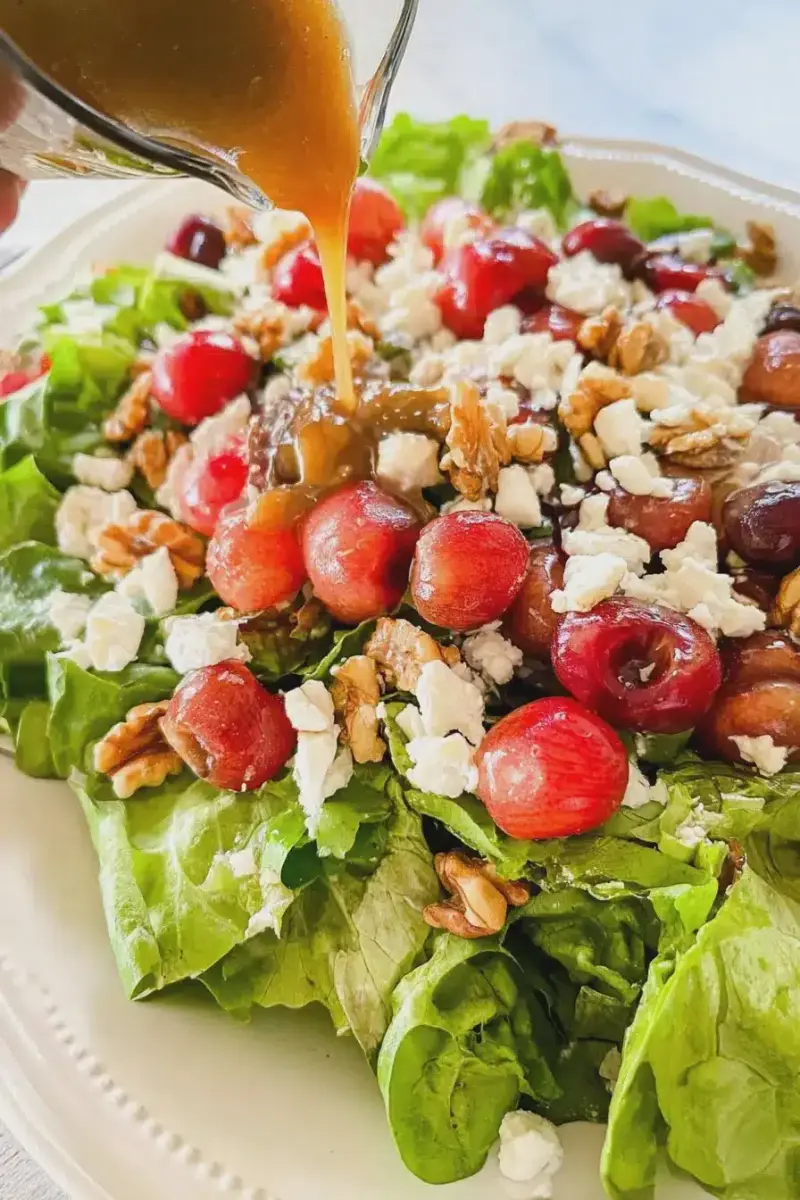
The 20-Minute Cherry Salad with Feta and Walnuts I Make All Summer
May 18, 2026
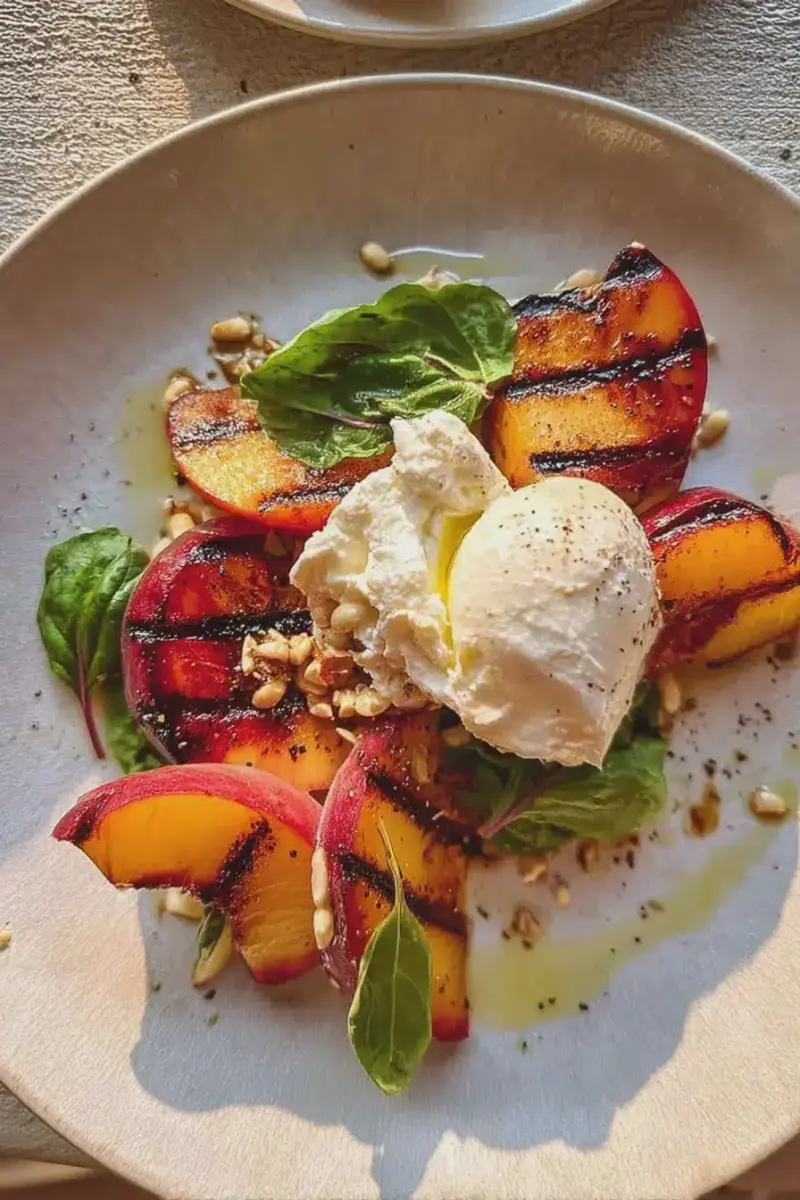
The Salad My Guests Always Ask For — Grilled Peach Burrata Salad
May 18, 2026
Reviews
Be the first to review this.