

There’s a moment in early spring when the market stalls are full of skinny asparagus, plump sugar-sweet peas, and the first crisp heads of cos (romaine). I cook this spring salad every year as a way to celebrate that first flush of green — it’s simple, quick, and somehow elegant even when I throw it together between errands. When I made it last weekend, the kitchen smelled faintly lemony from the dressing and bright with herbs; the asparagus snapped audibly as I chopped it, and the peas went from dull to neon green the second they hit the ice water. Goat cheese is the little wildcard here: crumbles of soft, tangy cheese add creamy pops that contrast beautifully with the crisp vegetables.
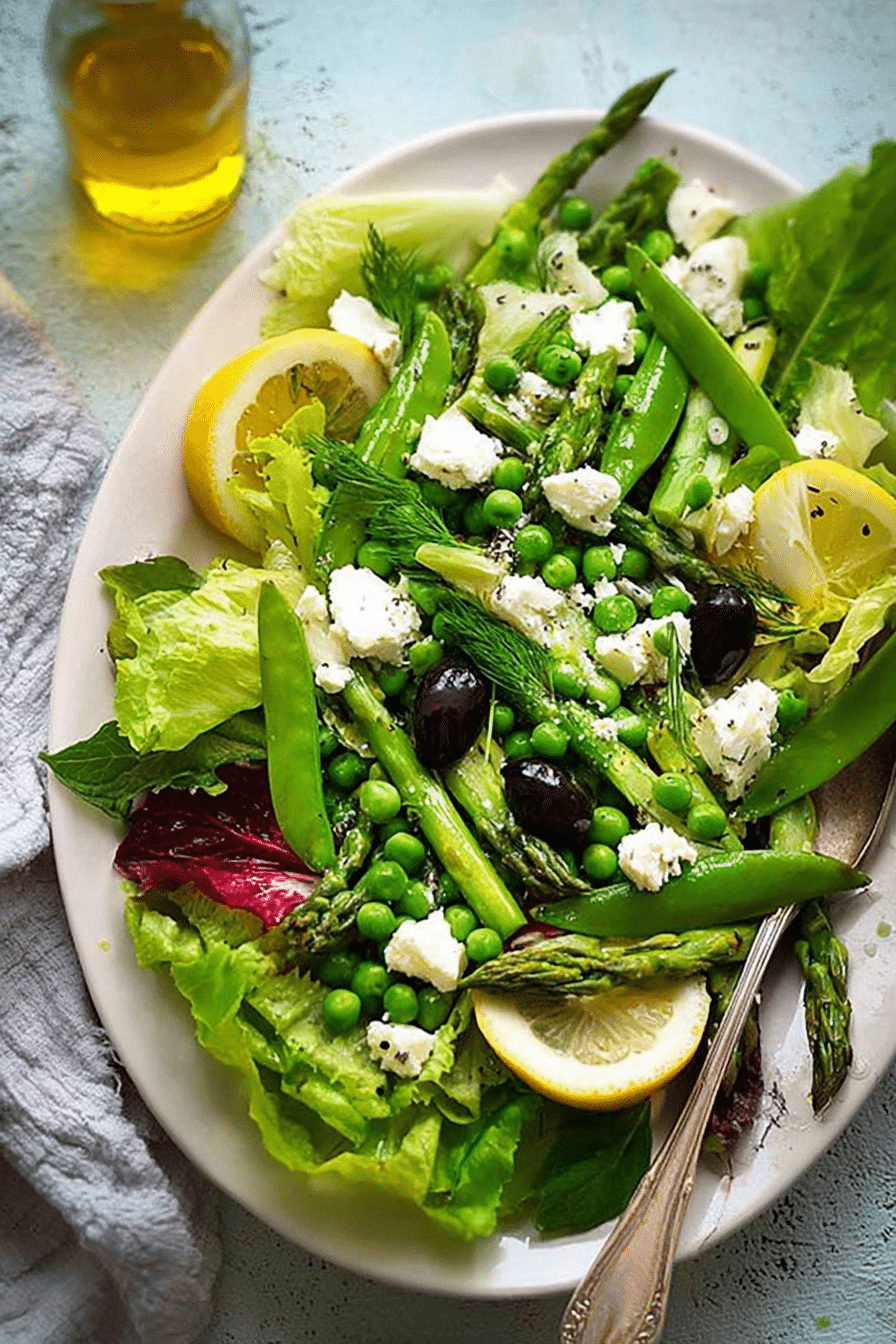
- Asparagus – the crunchy backbone of the salad; snap off the woody ends and cut on a slight angle for prettier bites.
- Snow peas – add a clean snap and a sweet, green flavor; remove strings so they’re tender to bite.
- Peas (fresh or frozen) – tiny bursts of sweetness and a lovely texture contrast; frozen are fine if blanched briefly.
- Baby gem / cos lettuce – gives structure and a mild lettuce flavor; split larger leaves for better plating.
- Goat cheese – creamy, tangy bits that temper the bright vegetables; can be swapped for feta, mozzarella, or ricotta.
- Fresh mint – lifts the salad with a cool, aromatic note; tear leaves to avoid bruising.
- Lemon (zest + juice) – the acid that wakes everything up and keeps flavors fresh.
- Extra virgin olive oil – binds the dressing and adds a fruity mouthfeel; a drizzle is enough.
- Salt & pepper – essential for seasoning; salt brightens the vegetables more than sugar would.
Benefits of Using Seasonal Ingredients
Choosing seasonal produce isn’t just trendy—it changes how the dish tastes, how you feel after eating it, and even how your wallet and local community fare. In spring, vegetables come at the peak of their flavor and nutrition because they haven’t been stored long or shipped across continents. That means sweeter peas, asparagus that snaps instead of going limp, and greens that are tender rather than bitter.
Seasonal food is typically fresher, often cheaper, and supports local farmers who grow crops suited to the climate and soil of the area. Nutritionally, produce picked at peak ripeness tends to retain more vitamins and phytonutrients than items harvested early and ripened in transit.
Some spring produce that pairs beautifully with goat cheese: young asparagus, sugar snap peas or snow peas, baby lettuces (cos, butterhead), strawberries for a sweet counterpoint, radishes for peppery crunch, and fresh herbs like mint, chives, and dill.
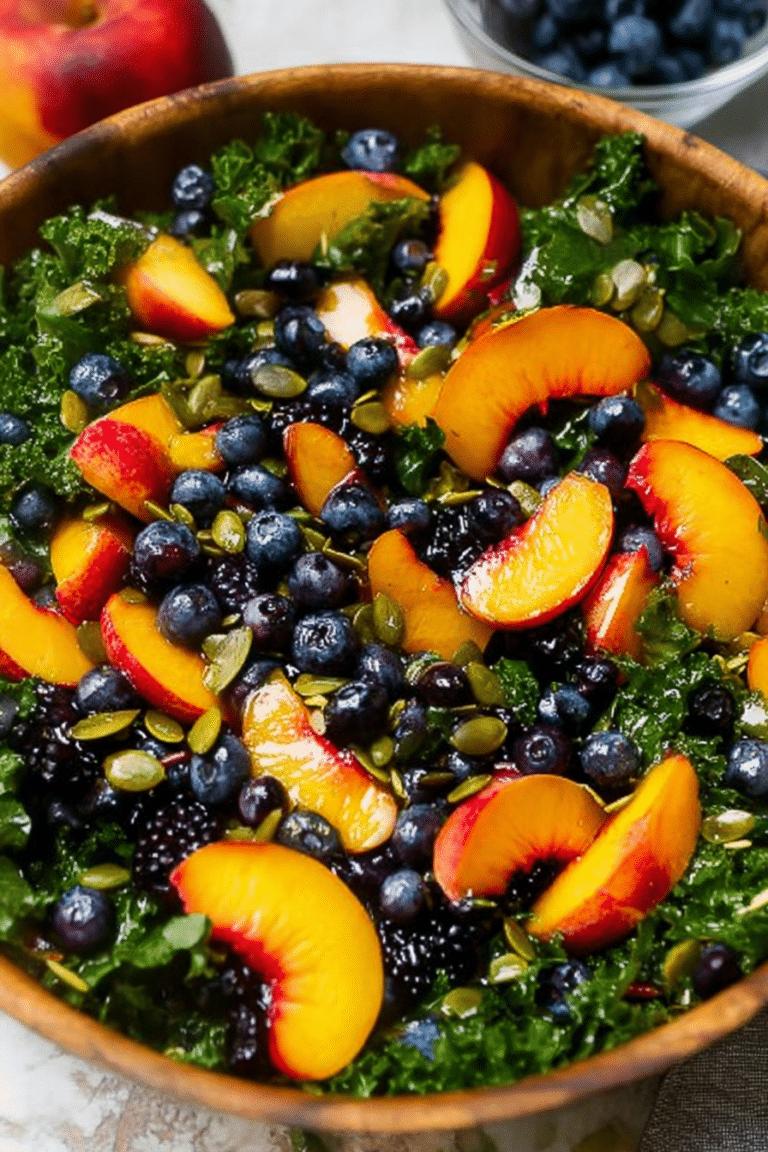
For a comforting dish that showcases seasonal produce, try our Spring Vegetable Soup.
Nutritional Analysis of Goat Cheese
Goat cheese is a wonderful ingredient to use in salads when you want richness without heaviness. In the context of this recipe the whole salad works out to approximately 206 calories per serving, with about 15 grams of fat, 12 grams of carbohydrates, and 7 grams of protein — a light but satisfying side.
Looking specifically at goat cheese: a typical soft goat cheese serving (about one ounce) offers roughly 70–90 calories, some healthy fats, and 4–6 grams of protein. It’s also a source of calcium and small amounts of vitamin A. Compared to many cow’s milk cheeses, goat cheese often contains slightly less lactose and a different structure of fat globules, which some people find easier to digest.
Recent research and nutrition guidance suggest that, as part of a balanced diet, moderate amounts of cheese can provide useful nutrients like protein and calcium. That said, because goat cheese has concentrated flavor, you don’t need much to make an impact — a few small chunks strewn through the salad deliver big taste without excessive calories.
How to Make the Perfect Spring Salad
Making this salad is mostly about timing: blanch the vegetables just long enough so they’re tender-crisp, immediately shock them in cold water to keep that brilliant green color, dry them thoroughly so the dressing clings, and toss gently so the goat cheese melts slightly into warm bits if you like it that way. If you’re serving a crowd, assemble your greens on a platter and scatter the dressed vegetables on top so the lettuce doesn’t go soggy.
Add some crunch to your salad with crispy roasted chickpeas.
Below is the exact recipe as I make it — I keep this in rotation whenever asparagus is good at the market. It serves 4–6 as a side and takes about 15 minutes total from start to finish.
Spring Salad with Goats Cheese — Recipe
- 3 bunches (24 spears) asparagus, woody ends snapped off
- 120g / 4oz snow peas, trimmed and strings removed
- 1 head baby gem or cos lettuce, washed
- 2 cups fresh or frozen peas
- 90g / 3oz goats cheese
- 1 cup loosely packed fresh mint leaves, roughly torn
- 1 tsp lemon zest (from 1 lemon)
- 2 tbsp lemon juice
- 6 tbsp (90ml) extra virgin olive oil
- 1/4 tsp each salt and pepper (adjust to taste)
- Bring a large pot of water to a rolling boil.
- Add the snow peas and boil for 1 1/2 minutes — they should still have a snap.
- Add the asparagus and boil for another 1 1/2 minutes. If your spears are especially thick, add 30 seconds.
- Add the frozen peas last and boil for about 30 seconds, just until the water returns to a gentle simmer and the peas turn bright green.
- Immediately drain the vegetables and transfer them to a bowl of cold running water or an ice bath to stop the cooking. This keeps the vegetables bright and prevents them from overcooking.
- Drain again, remove the asparagus and snow peas to a towel, and blot them dry. Leave the peas in a colander and give them a shake now and then to help them dry — excess water dilutes the dressing.
- Split larger baby cos leaves in half; keep small leaves whole so they’re easy to eat. Cut asparagus stems in half on a slight angle for nicer presentation and more manageable bites.
- Make the dressing: shake lemon zest, lemon juice, olive oil, salt and pepper in a jar until emulsified (or whisk in a bowl). The oil and acid should come together into a smooth, slightly thickened dressing.
- Combine the cooled vegetables, lettuce, and mint in a large bowl. Pour over the dressing and toss gently to coat — don’t pulverize the leaves.
- Arrange the salad on a platter, top with small chunks of goat cheese and serve right away so the cheese keeps its creamy texture and the vegetables stay crisp.
Cooking notes from my kitchen: when I first started making this, I overcooked the asparagus a few times — it became floppy and dull. The key is timing and the ice bath. Also, never dress the salad until you’re ready to serve; the lemon-olive oil dressing wilts the lettuce if it sits for too long.
Creative Variations on Goat Cheese
Goat cheese is incredibly versatile. I’ve tested a few variations over the years and they all work depending on the mood of the meal:
- Herbed goat cheese: mash goat cheese with finely chopped chives, mint, and a pinch of lemon zest for a fresher, spreadable topping.
- Marinated medallions: slice goat cheese into discs, brush with olive oil and herbs, and sear quickly in a hot skillet until the edges are golden — these warm bites are luxurious on salad.
- Goat cheese dressing: whisk softened goat cheese with lemon, olive oil, a splash of water and salt for a creamy, tangy dressing.
- Sweet-savory pairings: drizzle a little honey over the assembled salad for seasonal berries and goat cheese — the saltiness and sweetness play well together.
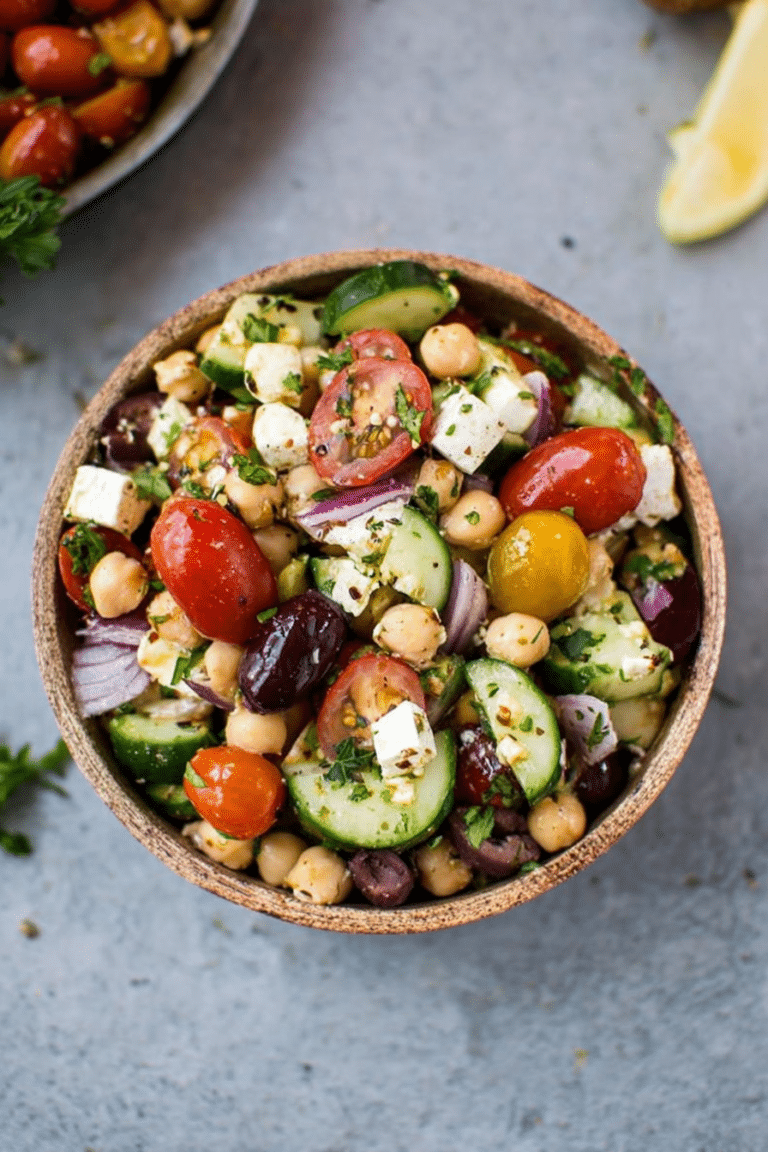
Consider different flavor profiles with our Chickpea, Feta and Avocado Salad that highlights vibrant ingredients.
Common pitfalls: if your goat cheese is overly crumbly and dry, it’s likely older. Buy fresh, soft logs for the best melt and mouthfeel. If you prefer milder cheese, dollops of fresh ricotta or bocconcini give cream without the tang.
Pairing Suggestions for Your Salad
This salad is a chameleon at the table — it can be a light starter or a side for more substantial proteins. My favorite pairings are simple and focused on freshness:
- Wine: a crisp Sauvignon Blanc or a light, dry Rosé balances the lemony dressing and the herbaceous notes of mint.
- Sparkling: chilled sparkling water with a lemon twist or a light Prosecco makes the meal feel celebratory.
- Proteins: grilled salmon, lemon-herb chicken or a simply roasted pork loin go very well alongside.
- Bread: a crusty baguette or slices of toasted sourdough are perfect for scooping up goat cheese and any lingering dressing.
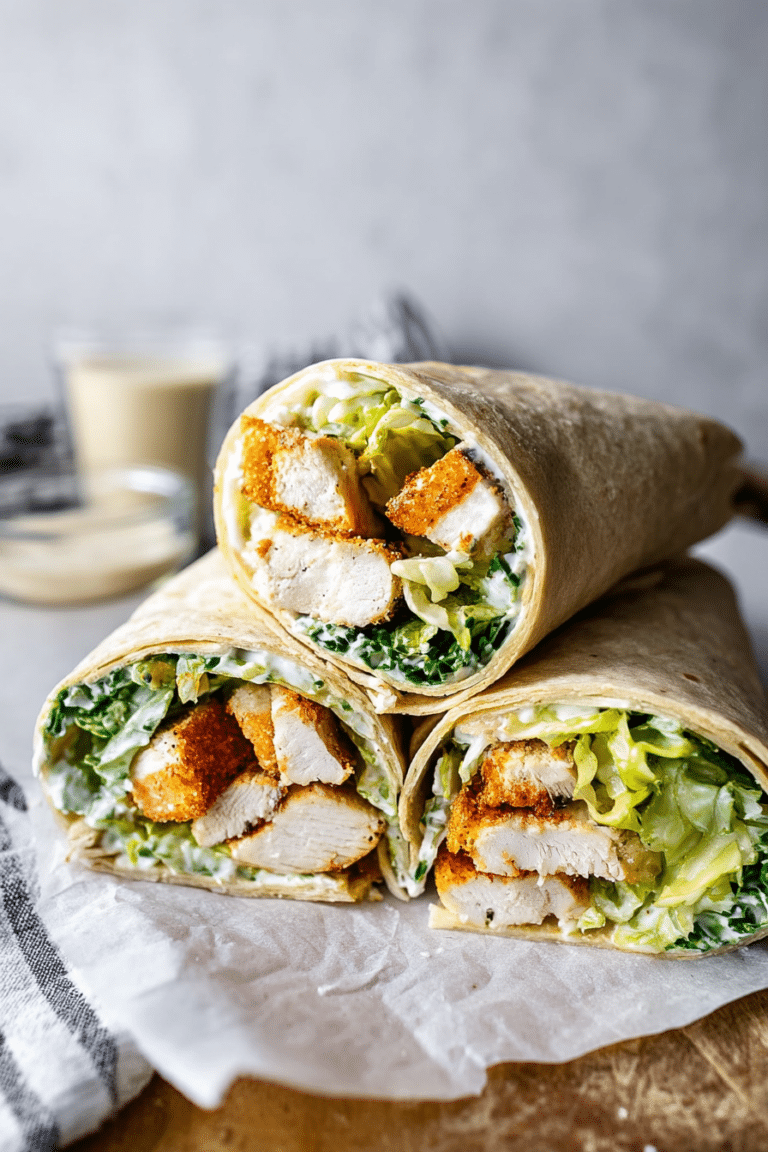
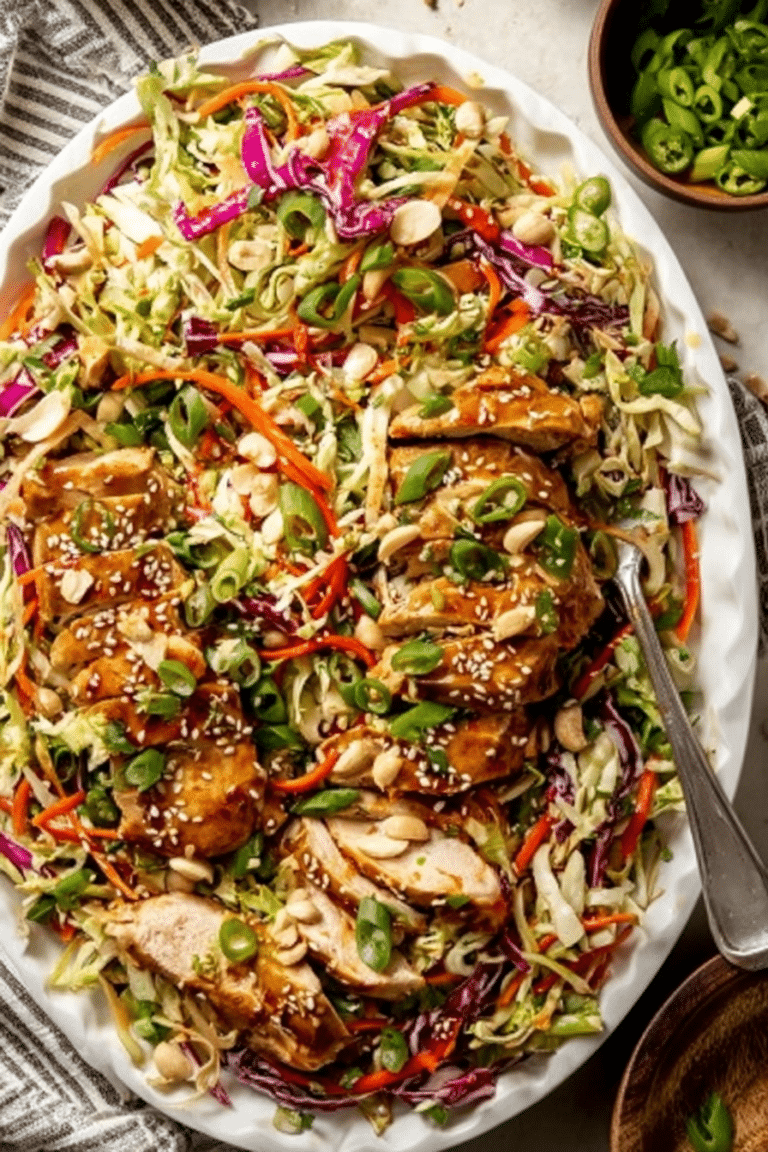
Enjoy your spring salad with a side of Refreshing Cucumber Dill Chicken Salad for a delightful meal.
Tips for Sourcing Fresh Ingredients
I do most of my shopping at the local farmers’ market because I like to talk to growers and get a sense of what’s at peak. When you can’t make it to a market, the grocery store still has gems if you know what to look for:
- Asparagus: look for firm, straight spears with closed tips. Thick spears are fine but add a bit more cooking time.
- Snow peas & peas: choose pods that are bright and taut; avoid any that are limp or spotted.
- Lettuce: aim for crisp leaves without slimy edges. Baby gem should feel tight and heavy for its size.
- Goat cheese: buy from the refrigerated cheese counter and choose a soft, slightly springy log. If the label shows added stabilizers, it may be drier.
Growing herbs in a small window box is one of the best ways to have fresh mint and chives on hand — they transform a simple spring salad into something that tastes like the season.
Serving Ideas for Gatherings & Picnics
For a casual picnic, I’ll pack the dressed vegetables separately from the lettuce and cheese, then toss everything together at the last minute. If I’m feeding a group at home, I build the salad on a large wooden board: place the torn cos leaves as a base, scatter the blanched veg, sprinkle mint and peas, then dot with goat cheese so guests can help themselves.
If serving to a crowd, double the vegetables but keep the goat cheese and dressing proportional — you can always add more cheese to plates individually. This salad travels well for short trips but keep it cool and store the dressing separately to avoid wilting.
Frequently Asked Questions
What types of cheese can I substitute for goat cheese in this salad?
You can easily substitute goat cheese with feta (preferably soft Danish Feta), fresh mozzarella, bocconcini, or fresh ricotta. If you’re looking to skip the cheese altogether, that’s perfectly fine too!
Can I use frozen vegetables for this salad?
Yes, you can use frozen peas in this salad! Just make sure to add them at the right time during cooking to ensure they retain that vibrant green color.
How can I make this salad vegetarian?
This salad is already vegetarian-friendly, but you can amp it up with more seasonal vegetables or add nuts for extra protein!
What dressing works best for this spring salad?
The dressing for this salad includes lemon juice, olive oil, salt, and pepper, which complements the fresh ingredients beautifully. Feel free to tweak it by adding herbs or a splash of vinegar!
How should I store leftovers of this salad?
It’s best to store the salad without the dressing to keep the lettuce crisp. If you have leftovers, keep them in an airtight container in the fridge for up to one day.
Conclusion: Elevate Your Salad Experience
This spring salad with goat cheese is the kind of dish I make when I want something that looks special but doesn’t require a lot of fuss. You’ll notice the bright pop of lemon, the silky tang of goat cheese, and the satisfying snap of blanched asparagus and snow peas. Try the variations, source the best spring produce you can find, and don’t be afraid to tweak the dressing to your taste. If you give it a go, I’d love to hear what you swapped in or out — that’s how recipes evolve and become the ones you return to all season long.
Spring Salad with Goats Cheese
Ingredients
Method
- Bring a large pot of water to a boil.
- Add snow peas to the pot, and boil for 1 1/2 minutes.
- Add the asparagus spears, and boil for another 1 1/2 minutes.
- Add frozen peas, and boil for another 30 seconds or until the water just returns to a simmer.
- Immediately drain and refresh the vegetables under cold running water until cooled.
- Remove the asparagus and snow peas, then blot with paper towels to dry.
- Split the larger baby cos leaves down the middle; use the small ones whole.
- Cut asparagus stems in half on a slight angle.
- Shake the dressing ingredients in a jar.
- Combine the vegetables in a bowl, add the dressing, and toss.
- Arrange the salad on a platter. Top with small chunks of goats cheese and serve immediately!