Poolside RecipeDesserts
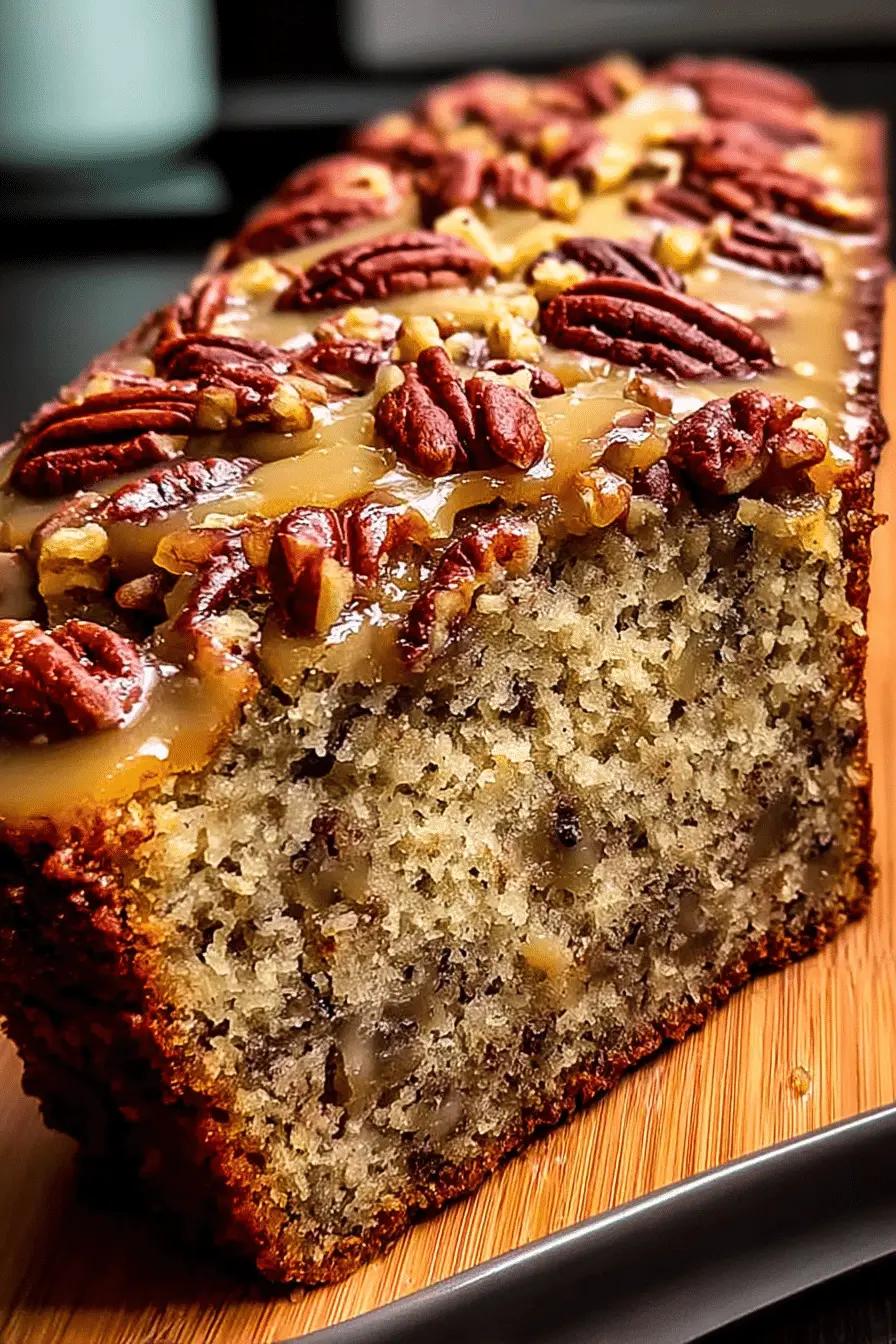
The Sweet Alabama Pecan Bread My Family Passed Down
- Prep
- 15 min
- Cook
- 60 min
- Total
- 75 min
- Serves
- 12
- Calories
- 210 kcal
- Protein
- 4.00 g
- Carbs
- 34.00 g
- Fat
- 7.00 g
Introduction
I learned to make this Sweet Alabama Pecan Bread in my grandmother's kitchen, standing on a wooden stool and watching her fold pecans into a batter that smelled of brown sugar and warmth. I still remember how the house filled with a nutty perfume and how everyone gathered for a thick slice with a pat of butter. That memory is why I bake this loaf the same way now — the gestures are simple, but they mean everything to me.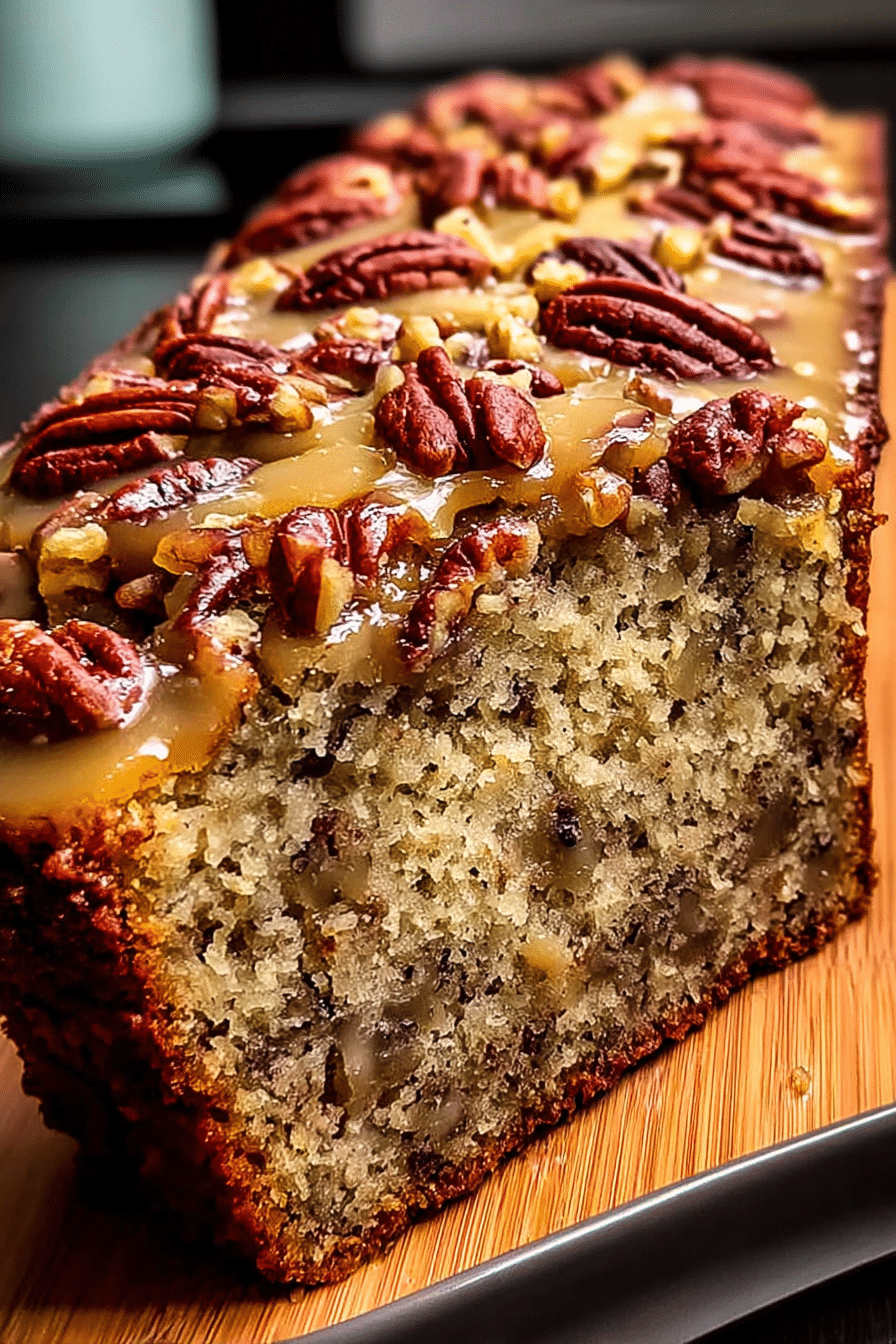
Why Sweet Alabama Pecan Bread Feels Like Southern Home Baking
I bake this loaf as a quiet nod to southern tables where pecans are as common as conversation. My earliest memory is my aunt shelling pecans on the back porch while humming hymns; those pecans tasted richer for the time spent with them. Pecans have a long history in the South — a regional staple that brings both texture and a deep, buttery note to simple quick breads. Quick breads like this one were made for sharing — passed around at potlucks, sliced for a Sunday morning coffee, or wrapped for a neighbor in need. The aroma of warm pecans and browned crust is as evocative as a family photograph; I want you to feel that same comfort when you bake it. When you smell the first whiff from the oven, imagine the slow afternoons and friendly voices that made recipes like this part of our culture.Everything You Need for Sweet Alabama Pecan Bread
Set your ingredients and tools out before you begin so the baking process feels like a calm kitchen ritual. Below I list the essentials and what each brings to the loaf. If you want a companion treat while you bake, try these zesty lemon blueberry cupcakes to serve alongside your bread.- All-purpose flour – Structure for the loaf; provides the framework that traps air and creates the crumb.
- Granulated sugar – Sweetness and a touch of tenderness; you can adjust this to taste in variations.
- Baking powder – The leavening agent that gives lift to a quick bread.
- Salt – Balances sweetness and highlights the pecan flavor.
- Eggs (room temperature) – Bind ingredients and add richness; room temperature eggs incorporate more smoothly.
- Buttermilk – Adds acidity for tenderness and a subtle tang.
- Vanilla – Rounds the flavor and deepens sweetness.
- Pecans (toasted) – Provide crunch, aroma, and a buttery note central to the loaf.
- Loaf pan and wire rack – A well-greased loaf pan helps form a golden crust; a wire rack allows even cooling to preserve texture.
- Mixing bowls and a spatula – Use a roomy bowl for folding so you avoid overmixing; a spatula is kinder than a whisk for gentle combining.
The Secret to a Moist, Tender Crumb
Getting a tender crumb is mostly about restraint and chemistry. Overworking the batter develops gluten and produces a dense loaf — you should stop when dry streaks disappear. The acid in the buttermilk reacts with baking powder to create tiny air pockets that keep the crumb light. Allowing the bread to rest briefly after it comes out of the oven finishes the cooking and stabilizes the crumb. If you slice too soon you’ll compress the loaf and lose that pillowy texture — wait until it's warm rather than hot for the cleanest slices. When you cut into it, the interior should feel soft and springy to the touch and the pecans should still snap gently beneath your teeth.The One Ingredient That Changes Everything: Buttermilk
Buttermilk is the small, honest answer to tender quick breads. Its acidity interacts with leaveners to create a finer, moister crumb than regular milk. Flavor-wise, buttermilk adds a faint tang that balances the bread's sweetness and gives depth beyond simple sugar and fat. Nutritionally, buttermilk tends to be lower in fat than heavy creams while offering a pleasing creaminess; it also contains helpful cultures (if using cultured buttermilk) that contribute to a nuanced flavor. If you need a substitute, plain yogurt thinned with a little water or milk will mimic the acidity and texture, though the flavor will be slightly different. I prefer true buttermilk when I can get it — it gives the loaf that unmistakable Southern warmth.Why Toasting Pecans and Room-Temp Eggs Matter
Toasting pecans brings out their essential oils and transforms their aroma — that toasty, browned note is what makes every slice sing. I toast mine briefly in a hot skillet, stirring constantly until the nuts smell fragrant and the bits turn a shade darker; you can also toast them in a 350°F oven for a few minutes. Toast them just before you bake so the aroma is fresh in the batter. Room-temperature eggs emulsify better with fats and liquids, which helps create a smoother, more homogeneous batter. When eggs are cold they can seize fats and give you an uneven texture; take them out while you measure other ingredients so they come up to temperature naturally.How to Make Sweet Alabama Pecan Bread (Step-by-Step)
- Preheat the oven and prepare your loaf pan so everything is ready when the batter is mixed.
- Whisk together the dry ingredients in a bowl until evenly combined so you don't get pockets of leavening.
- Beat the room-temperature eggs briefly, then stir in the buttermilk and vanilla to form the wet base.
- Fold the wet mixture into the dry mixture gently — stop when no dry streaks remain to avoid overdeveloping gluten.
- Fold in the toasted pecans by hand so they’re evenly distributed without smashing them.
- Pour the batter into the prepared pan and smooth the top; bake until a toothpick inserted into the center comes out clean or with a few moist crumbs.
- Let the loaf cool in the pan briefly, then transfer to a wire rack to finish cooling; slice when warm for tidy pieces.
Pro Tip for sweet alabama pecan bread: Toast pecans & avoid overmixing
- Toast pecans for maximum aroma: I toast nuts in a dry skillet over medium heat, stirring constantly until fragrant — about 3–5 minutes — then cool before chopping.
- Signs you’ve overmixed: batter that becomes glossy or elastic, a loaf that sinks in the middle, or a crumb that feels heavy and chewy.
- Electric mixer vs hand mixing: Use short pulses on low with a mixer if you must, but hand folding with a spatula gives you more control and helps prevent overmixing.
- Troubleshooting:
- If the crust browns too quickly, tent lightly with foil during the last part of baking.
- If the center is still raw when the edges are done, your pan may be too small — use the next size up or lower the oven temperature slightly and bake longer.
- If pecans sink to the bottom, toss them in a light dusting of flour before folding in to help suspend them.
Easy Variations: Gluten-Free, Lower Sugar & Maple Pecan
- Gluten-Free: Use a tested gluten-free flour blend with a binder (like xanthan gum) and reduce mixing to preserve tenderness.
- Lower Sugar: Cut back the granulated sugar and compensate with a splash of vanilla or a little maple syrup for complexity; reduce liquid slightly if you add liquid sweeteners.
- Maple Pecan: Replace some vanilla with pure maple syrup and fold in a few extra toasted pecans for a richer, woodsy note.
- Nut Swap: If you prefer a different crunch, walnuts or almonds work well — toast them the same way you would pecans.
How to Store, Freeze, and Reheat Pecan Bread
- Short-term (room temp): Wrap the loaf in plastic wrap or keep slices in an airtight container for up to three days to retain moisture.
- Long-term (freezing): Wrap tightly in plastic and foil, then freeze for up to three months; thaw overnight in the refrigerator or at room temperature.
- Reheating: Refresh slices in a warm oven or toaster oven until just heated through; a brief 20–30 second zap in the microwave works in a pinch but can soften the crust.
- Serving leftover slices: For a simple lunch, pair slices with savory fillings — try them with a classic turkey sandwich. Pair your leftover Sweet Alabama Pecan Bread with a delicious easy turkey club sandwich for a perfect lunch option.
Frequently Asked Questions
Can I use a different type of nut instead of pecans in this recipe? Absolutely! While pecans add a lovely flavor, you can substitute them with walnuts or almonds if you prefer. How do I make this bread gluten-free? You can substitute the all-purpose flour with a gluten-free flour blend. Just ensure it has a binding agent to help with the bread's structure. How can I tell when the bread is done baking? You can check by inserting a toothpick into the center of the bread; if it comes out clean, it’s ready! Otherwise, give it a few more minutes. Can I freeze Sweet Alabama Pecan Bread? Yes! Once cooled, wrap the bread tightly in plastic wrap or aluminum foil and store it in the freezer for up to three months. What’s the best way to store leftover pecan bread? Store the bread in an airtight container at room temperature for up to three days for the best freshness. For longer storage, refrigerate it.Recipe Card
The Sweet Alabama Pecan Bread My Family Passed Down
- Prep
- 15 min
- Cook
- 60 min
- Total
- 75 min
- Serves
- 12
- Calories
- 210 kcal
- Protein
- 4.00 g
- Carbs
- 34.00 g
- Fat
- 7.00 g
Ingredients
- 2 cupsall-purpose flour
- 1 cupgranulated sugar
- 2 tspbaking powder
- 1/2 tspsalt
- 2 largeeggs (room temperature)
- 1 cupbuttermilk
- 1 tspvanilla extract
- 1 cupchopped pecans (toasted)
Instructions
- 1
Preheat your oven to 350°F (175°C) and grease a loaf pan.
- 2
In a medium bowl, whisk together flour, sugar, baking powder, and salt.
- 3
In another bowl, beat the eggs until fluffy; then mix in buttermilk and vanilla.
- 4
Gradually fold the wet ingredients into the dry mixture until just combined, then gently fold in the toasted pecans.
- 5
Pour batter into the prepared pan and bake for 50-60 minutes or until a toothpick inserted comes out clean.
- 6
Allow to cool in the pan for 10 minutes before transferring to a wire rack.
You might also like



Reviews
Be the first to review this.