Poolside RecipeDinner
The Texas Roadhouse Steak Sauce Copycat I Make in 22 Minutes
- Prep
- 2 min
- Cook
- 20 min
- Total
- 22 min
- Serves
- 8
- Calories
- 107 kcal
- Carbs
- 12.00 g
Introduction
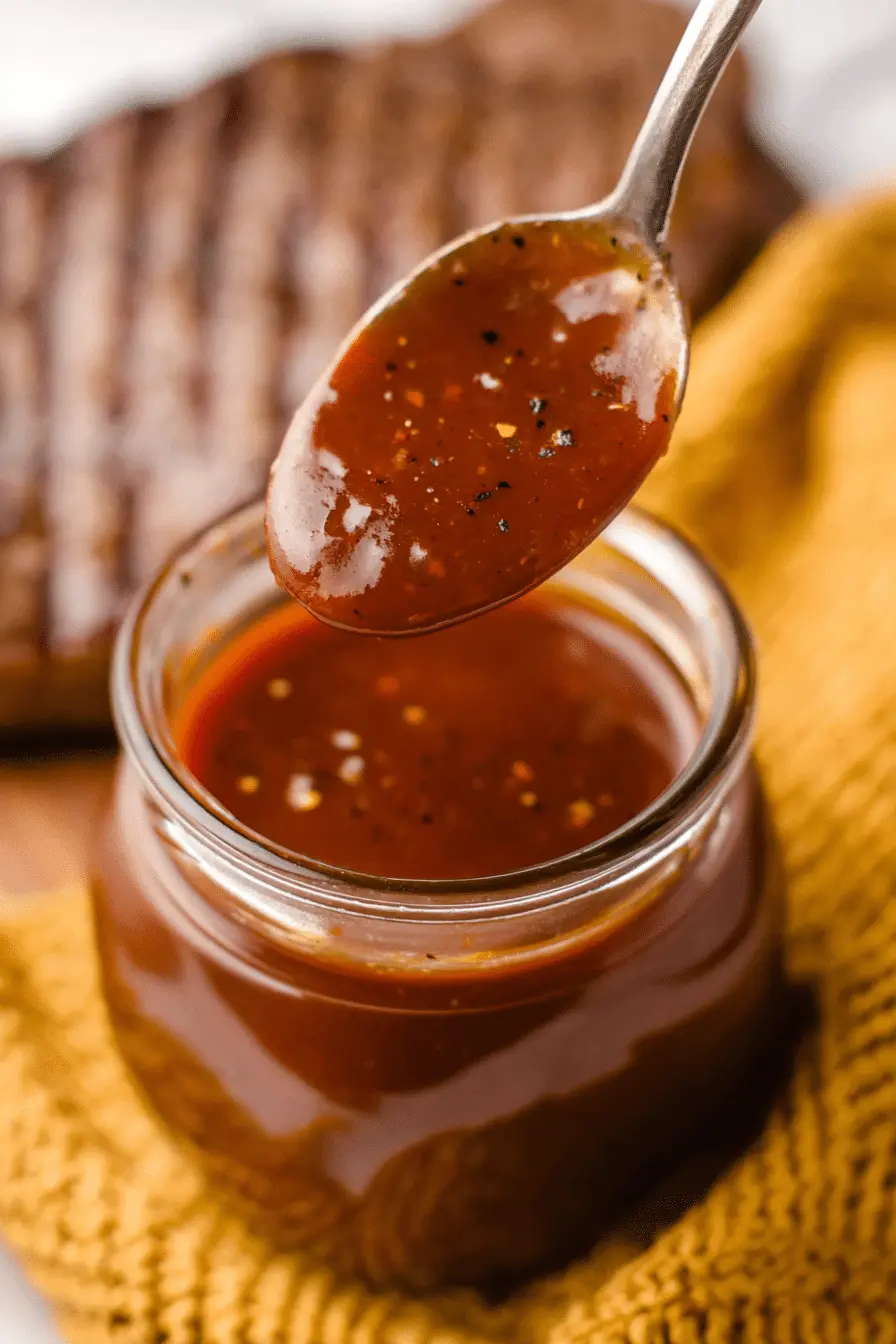
I keep a jar of this steak sauce in my fridge because it turns an ordinary weeknight steak into something worth smiling about. I developed this version to be fast, pantry-friendly, and forgiving when life gets busy—total hands-on time is minimal and the payoff is big. The sauce comes together with basic tools and a couple of intentional pantry items that give you that signature tang and smoky depth.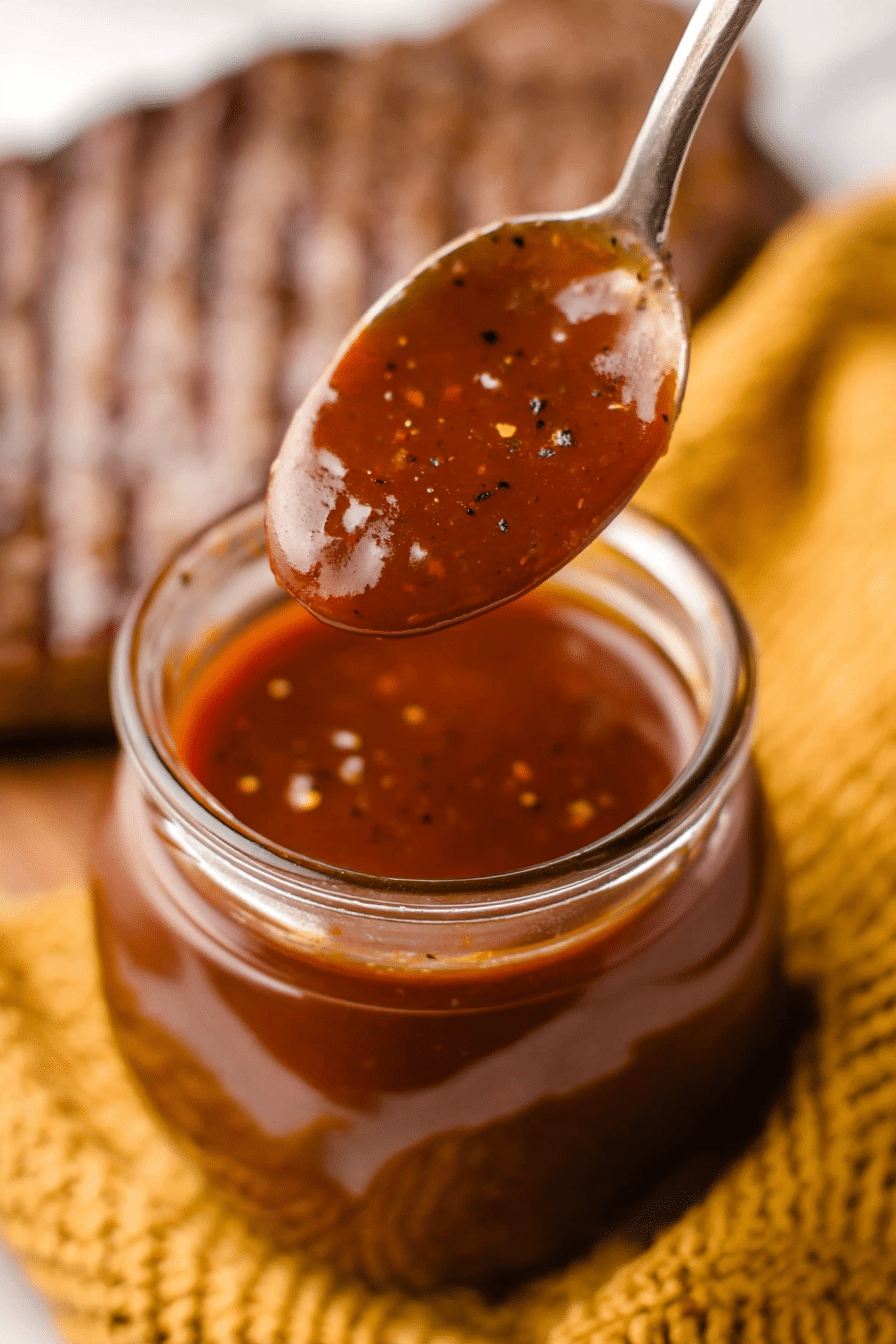
Why this Texas Roadhouse steak sauce copycat is perfect for busy cooks
This sauce is built for speed and practicality. You can make it in under 30 minutes with ingredients most home cooks already have or can find easily. It’s forgiving: a little more pepper, a touch less sugar, and the flavors still line up nicely at the end. Think about the aroma as it simmers—the sweet apple notes, the tang of vinegar, and that faint smokiness coming together. It’s a short, focused cooking session that gives you a versatile sauce for steaks, sandwiches, roasted vegetables, and even grilled seafood.Everything You Need for Texas Roadhouse Steak Sauce Copycat
Tools and small equipment to have on hand:- Whisk (sturdy, with good tension)
- Medium saucepan
- Mixing bowl for combining liquids before adding to the roux
- Measuring spoons and cups (for the one-time recipe card elsewhere)
- Jar or airtight container for storage
- * Butter – Builds the roux and gives richness; use oil for a dairy-free option.
- * Flour – Thickener when cooked into the roux; cornstarch can be used but add it later as a slurry.
- * Beef stock – The savory backbone; mushroom stock can work if you want a vegetarian spin.
- * Minced garlic – Aromatic backbone; garlic powder can stand in if you’re short on time.
- * Liquid smoke – Adds smoky depth without a grill; smoked paprika is an alternative if you prefer to avoid liquid smoke.
- * Worcestershire sauce – Complex umami and depth; try a dash of soy sauce plus a squeeze of lemon if you don’t have it.
- * Black pepper – Freshly cracked brings a bright bite; white pepper is fine for a subtler heat.
- * Apple butter – A crucial sweet-tart element that balances the sauce; unsweetened applesauce is a lower-sugar swap (adjust acidity).
- * Soy sauce – Salt and umami; use a low-sodium variety to cut salt without losing flavor.
- * Distilled white vinegar – Provides tang; you can use apple cider vinegar but reduce slightly for sweetness.
- * Lime juice – Fresh acid that brightens the sauce; lemon juice can substitute.
- * Tomato paste – Adds body and a subtle tomato note; ketchup works in a pinch but adds sweetness.
- * Corn syrup – Smooth sweetener that layers without graininess; swap with honey or light agave if needed.
- * Anchovy paste – Invisible umami that rounds out the sauce; use a little fish sauce or omit if necessary but expect a subtle shift in depth.
The One Ingredient That Makes the Signature Tang
Apple butter is what I consider the small, smart ingredient that tilts this sauce toward the familiar Texas Roadhouse profile. It brings concentrated apple flavor, sweetness, and a touch of caramelized fruit that balances the vinegar and lime. That combination of fruit sweetness and bright acid is what gives the sauce its signature tang. Liquid smoke plays a technical role too: because you’re not always finishing steaks over an open flame, it layers in the smoked note without extra equipment. The acids (vinegar and lime) work on different timeframes—vinegar gives a steady, sharp backbone while lime adds an immediate, zippy top note. Together they keep the sauce lively and prevent it from tasting flat or overly sweet.Why the Roux Is Key for Smooth, Speedy Sauce
The roux is small effort for a big payoff: it creates a velvety mouthfeel and prevents the sauce from tasting thin or starchy. Cooked just long enough, the flour loses its raw edge and the butter carries flavor evenly through the liquid.- Cook the roux until it smells toasty and turns slightly golden—this mellows the raw flour taste without making the sauce dark.
- Temper the roux by adding your stock in small increments; adding liquid all at once is the most common cause of lumps.
- Use a steady, brisk whisking motion when combining: keep the whisk moving in a figure-eight or circular sweep to break up any tiny clumps as they form.
- If you want the fastest route to a lump-free finish, warm your stock slightly before adding—it integrates more smoothly with the roux than ice-cold liquid.
How to Make Texas Roadhouse Steak Sauce Copycat (Step-by-Step)
- Heat a saucepan over medium heat so it’s ready when you add the butter.
- Add the butter and, once melted, whisk in the flour to form a roux; cook for about 3 minutes, whisking continuously until the mixture smells nutty and is bubbling lightly.
- In a separate bowl, whisk together the beef stock, garlic, liquid smoke, Worcestershire, black pepper, apple butter, soy sauce, vinegar, lime juice, tomato paste, corn syrup, and anchovy paste so the mixture is smooth and ready to pour.
- Slowly incorporate the liquid into the roux: add roughly a quarter of the bowl at a time while whisking constantly. Allow the sauce to come to a gentle boil between additions so it smooths out before the next pour.
- Once fully incorporated, reduce heat to a low simmer and cook for about 10 minutes, stirring occasionally, until the sauce thickens and takes on a glossy sheen.
- Taste and adjust: a bit more lime brightens, a pinch more black pepper adds bite, and a small splash of soy or Worcestershire deepens the umami.
- Strain if you want an ultra-smooth finish, or leave as-is for a slightly rustic texture.
Troubleshooting
- If the sauce is grainy, I find that straining through a fine-mesh sieve or using an immersion blender for a few seconds smooths it right out.
- If it’s too thin, simmer it a few minutes longer to reduce, or whisk in a tiny bit more roux (melt butter, whisk in flour, then temper a little into the sauce).
- If it’s too thick, I loosen it with a splash of warm stock or water, adding a little at a time until you reach the desired consistency.
- If the flavor leans overly sweet, a squeeze more lime or an extra splash of vinegar brings it back into balance quickly.
- If you don’t like anchovy flavor, I sometimes omit the paste and add a touch more Worcestershire to keep the umami without an anchovy note.
Pro Tip for texas roadhouse steak sauce copycat: low-sugar & low-sodium swaps
- Replace apple butter with unsweetened applesauce and increase the acid slightly to keep the balance while cutting sugar.
- Use low-sodium soy sauce and taste before adding any extra salt; the anchovy paste and Worcestershire already add savory depth.
- Swap corn syrup for a small amount of honey or pureed dates for a less-processed sweetener—adjust acids to taste.
- For a unique twist and a touch of heat, try adding some homemade hot pepper jelly to the sauce in place of some corn syrup.
How to Store, Reheat, and Make-Ahead Texas Roadhouse Steak Sauce Copycat
-
- Cool the sauce to room temperature before transferring to an airtight glass jar or container; glass preserves flavor best.
- Store in the refrigerator for up to a week, or freeze in portions for up to 3 months—label with the date for easy rotation.
- To reheat, warm gently on the stove over low heat, stirring frequently so the sauce loosens without scorching; for small portions, microwave at low power in 20–30 second bursts, stirring in between.
- Make-ahead: the flavors often marry nicely after a day in the fridge, so making this the day before a big meal can save time and improve depth.
- Consider making a full batch and pairing it with a weeknight roast—this works great alongside a baked garlic parmesan chicken and potatoes for a complete meal.
User-Generated Variations and Experiences
-
- I encourage you to experiment: add a splash of bourbon for warmth, or a spoonful of chipotle in adobo for a smoky, spicy kick.
- Try swapping apple butter for roasted pear puree for a different fruit profile; the acid will need small adjustments but the result is deliciously different.
- Readers have reported using extra tomato paste for a thicker, ketchup-like glaze and it works well on burgers and meatloaf.
- For a fun side idea, pair this sauce with copycat appetizers like rattlesnake bites for a cohesive meal experience.
Visual Guide or Video Demonstration
Photos or a short 60–90 second video showing the roux stage, the moment you add the liquid, and the finished glossy sauce can make all the difference for cooks who want confidence. Watch for color shifts: the roux should go from pale to light golden, and the finished sauce should be glossy with no chalky film. If you film a clip, show the whisking motion and the texture changes when the sauce comes to a simmer; those visual cues tell you exactly where you are in the process.Serving Suggestions
This sauce pairs beautifully with grilled ribeye, pan-seared strip steak, or a platter of roasted vegetables. It’s also a great finishing sauce for burgers and sandwiches—slather it on before serving for immediate flavor lift. This steak sauce also works with lamb—try it with Mediterranean lamb meatballs for a flavorful twist. This steak sauce pairs wonderfully with our Mediterranean lamb meatballs for a flavorful twist.Frequently Asked Questions
What are the ingredients in Texas Roadhouse steak sauce? The ingredients for this copycat sauce include butter, flour, beef stock, minced garlic, liquid smoke, Worcestershire sauce, black pepper, apple butter, soy sauce, distilled white vinegar, lime juice, tomato paste, corn syrup, and anchovy paste. How long does it take to make the Texas Roadhouse steak sauce? The total time to prepare this sauce is about 22 minutes, with 2 minutes of prep and 20 minutes of cooking time. What is the role of the roux in this recipe? The roux, made from butter and flour, is crucial as it thickens the sauce and helps create a smooth texture. Can I make this steak sauce in advance and store it? Yes! You can make the sauce ahead of time, store it in an airtight container in the fridge, and reheat it when needed. Are there any low-sugar or low-sodium alternatives I can use? Absolutely! You can use low-sodium soy sauce and unsweetened apple butter as swaps to make the sauce more health-conscious.Recipe Card
The Texas Roadhouse Steak Sauce Copycat I Make in 22 Minutes
- Prep
- 2 min
- Cook
- 20 min
- Total
- 22 min
- Serves
- 8
- Calories
- 107 kcal
- Carbs
- 12.00 g
Ingredients
- 4 tbspbutter
- 2 tbspall purpose flour
- 3/4 cupbeef stock
- 1 tspminced garlic
- 2 tbspliquid smoke
- 2 tbspWorcestershire sauce
- 2 tspblack pepper
- 1/2 cupapple butter
- 2 tbspsoy sauce
- 2 tbspdistilled white vinegar
- 1 tbsplime juice
- 1 tbsptomato paste
- 1/2 tspcorn syrup
- 1 tbspanchovy paste
Instructions
- 1
Heat a saucepan over medium heat.
- 2
Add butter. Once melted, whisk in the flour. Cook for 3 minutes, or until thickened and bubbling.
- 3
Combine beef stock, minced garlic, liquid smoke, Worcestershire sauce, black pepper, apple butter, soy sauce, distilled white vinegar, lime juice, tomato paste, corn syrup and anchovy paste in a bowl and whisk well.
- 4
Slowly incorporate this into the roux, whisking as you add about ¼ cup at a time. Allow sauce to come to a low boil in between pours.
- 5
Once fully incorporated, lower heat to a simmer for 10 minutes, or until thickened and enjoy!
You might also like



Reviews
Be the first to review this.