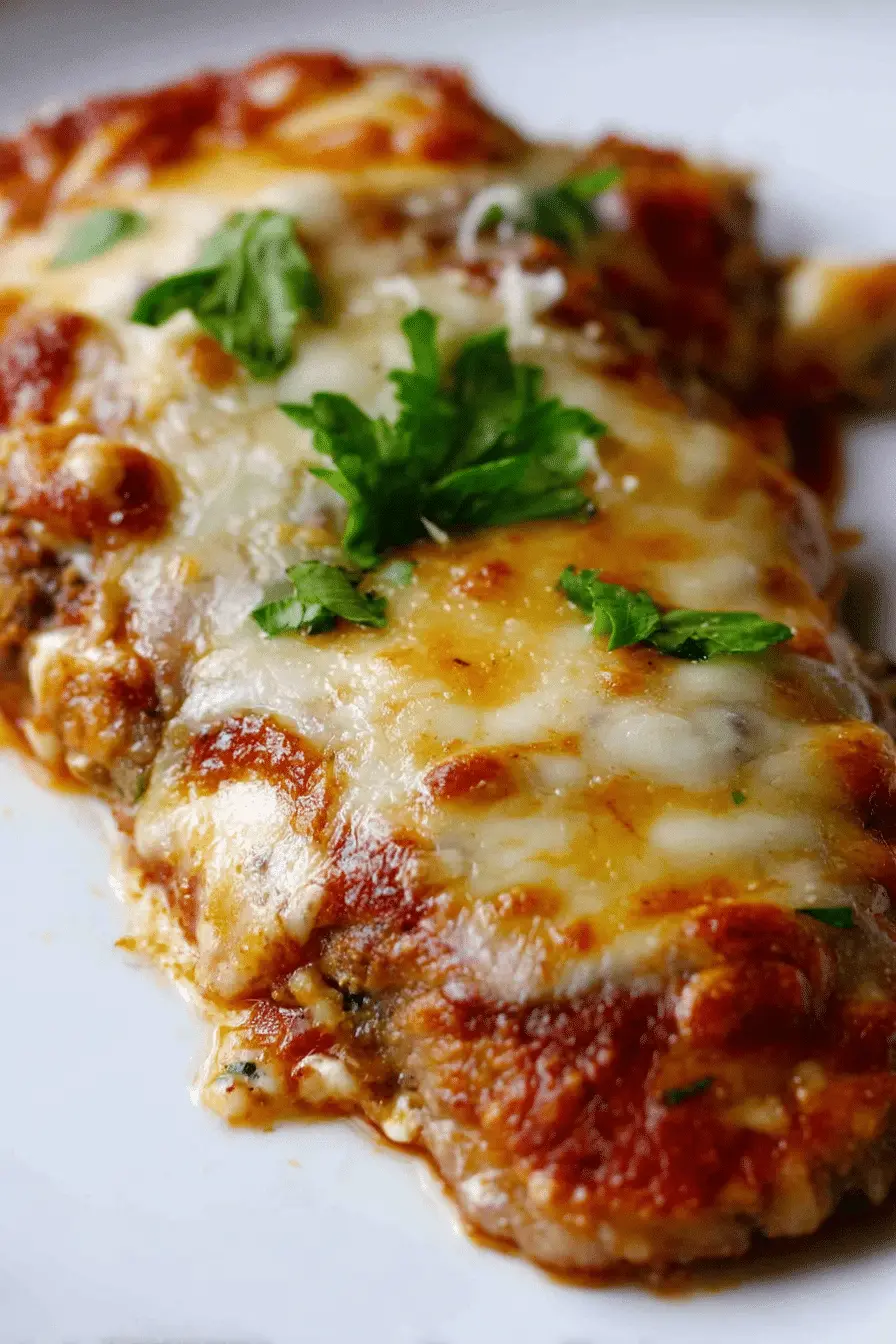
Delicious Veal Parmigiana Recipe
- Prep
- 20 min
- Cook
- 32 min
- Total
- 52 min
- Serves
- 3
- Calories
- 438 kcal
- Carbs
- 26.00 g
Introduction
I grew up with Veal Parmigiana on the table for holidays and small Sunday dinners, and I've kept the simple techniques that made those meals worth remembering. In my kitchen I focus on clear steps, good ingredients, and a few small tricks so the veal stays tender while the crust gets satisfyingly crisp. The result is a dish that looks like restaurant fare but comes together in a home oven.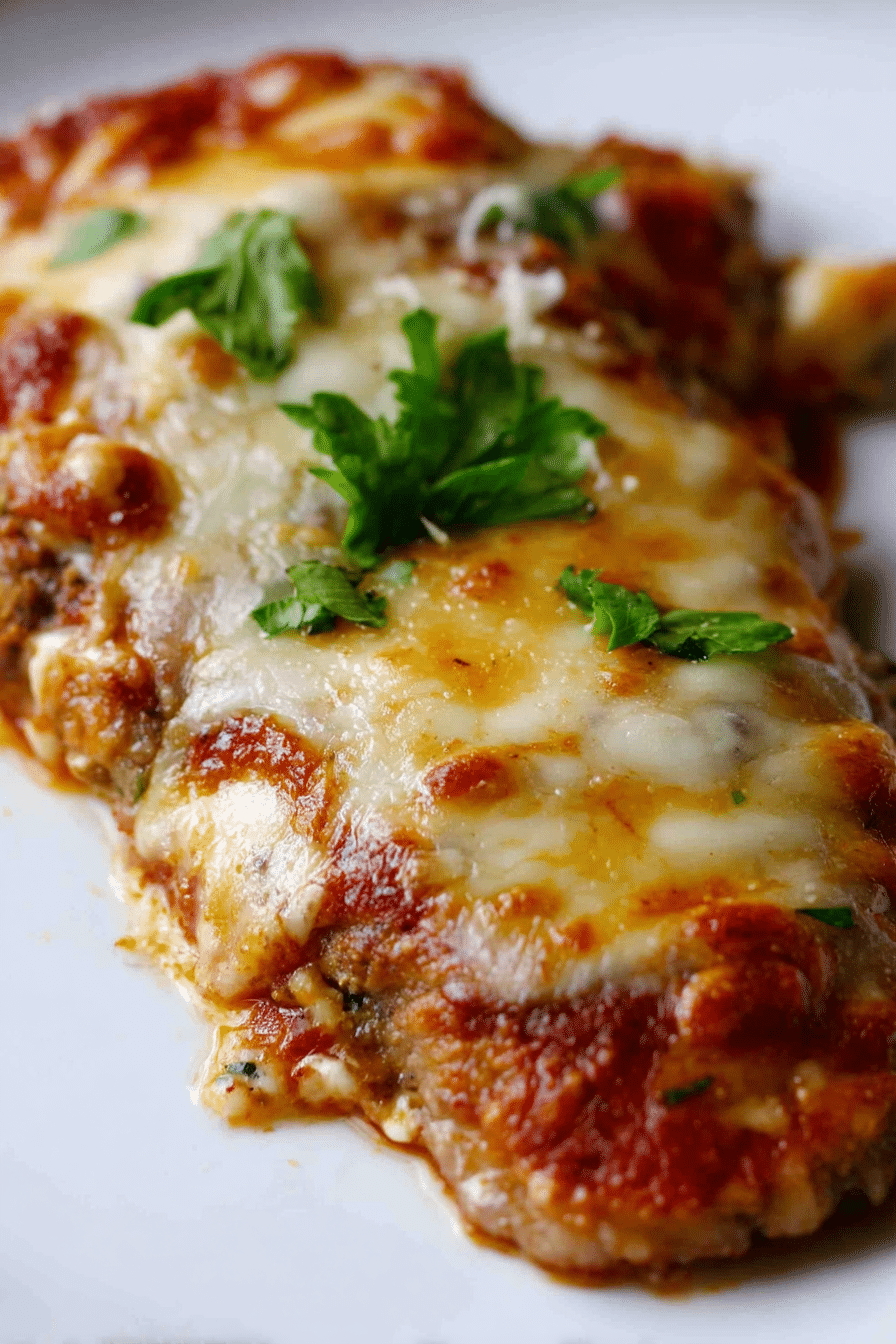
Transform your dinner with this classic Italian dish
Veal Parmigiana is a cornerstone of Italian-American home cooking: simple components combined carefully to create a comforting, celebratory main. It turns an ordinary weeknight into something people remember because of its texture contrast — a crunchy crust giving way to tender veal and hot, molten cheese — and because it carries the small, familiar flavors of tomato, garlic, and Parmesan. The dish also has a social role: it’s a reliable centerpiece for family dinners and a dish that makes guests feel attended to. If you want a comparable plate for reference, try this take on Veal Parmesan to see how a classic presentation reads on the plate.Everything You Need for Veal Parmigiana
Use fresh, high-quality ingredients and a few essential tools so the recipe comes together cleanly. Below I list the key items and explain why each matters, then suggest side dishes that pair well.- * Veal cutlets – Tender, thin slices that become juicy when pounded and cooked quickly; substitute thin-cut chicken for a lighter option.
- * Egg – Binds the breadcrumbs to the meat and helps create that golden crust when fried.
- * Flour and breadcrumbs – Flour seasons the meat and helps the egg adhere; breadcrumbs create the crunchy exterior. Use fresh seasoned crumbs for better flavor.
- * Tomato sauce – Provides acidity and moisture; use a simple garlic-tomato sauce so it doesn’t compete with the veal.
- * Mozzarella and Parmesan – Mozzarella gives the gooey pull; Parmesan adds savory salt and a nutty finish.
- * Olive oil – For frying and sautéeing aromatics; it brings a clean flavor and helps the crust brown evenly.
- * Aromatics (garlic and onion) – Sweat them until soft to build the sauce’s base; they add savory depth.
- * Seasonings – Italian herb blend, salt, and black pepper to keep the flavors classic and balanced.
- * Tools – Meat mallet, shallow bowls for the breading station, a heavy skillet (cast iron preferred), and an ovenproof baking dish.
The Secret to the Perfect Texture
Texture is what separates an ordinary veal parm from a memorable one. Aim for a crunchy, golden exterior and soft, evenly cooked meat inside. The following points explain the why and the how.- Even thickness matters: pound cutlets to a uniform thinness so they cook in the same time and stay tender under the cheese.
- Breading sequence: flour first to dry the surface and season the meat, egg second to act as glue, and breadcrumbs last for crispness — this three-step coating adheres better and fries more evenly.
- Oil temperature: the oil should be hot enough to sizzle on contact but not smoking. Too cool and the crust soaks oil; too hot and the exterior burns before the meat cooks.
- Do not overcrowd the pan: frying in batches keeps the oil temperature steady and produces the crunchiest cutlets.
- Crispiest cutlet tips: press the breadcrumbs into the cutlet gently so they form a tight coating, use panko for extra crunch, and drain on a wire rack rather than paper to keep air circulating under the cutlets.
How to Make Veal Parmigiana (Step-by-Step)
- Preheat the oven so it’s ready once the cutlets are assembled; this gives the cheese an even finish.
- Prepare the cutlets by pounding to uniform thickness and seasoning them lightly on both sides.
- Set up a three-bowl breading station: seasoned flour, beaten egg, and breadcrumbs; dredge in that order and let excess egg drip off before the crumbs.
- Heat oil in a skillet until it shimmers. Fry the cutlets in batches until both sides are golden brown; avoid crowding the pan and add oil between batches if needed.
- Sweat garlic and onion in a little oil until soft, then add tomato sauce and dried herbs; simmer briefly to marry the flavors and adjust seasoning to taste.
- Arrange fried cutlets in an ovenproof dish, spoon sauce over each, then top with thin slices of mozzarella and a scatter of grated Parmesan.
- Bake until cheese is melted and lightly golden and the dish is heated through; let rest briefly before serving so the sauce settles.
Why Temperature Matters
Temperature controls texture and flavor at every stage: frying, assembling, and baking. Keep these practical ranges in mind to get consistent results.- Frying: maintain a medium-high pan heat so the crust browns in a few minutes without overcooking the meat inside.
- Baking: a moderate oven heat melts cheese thoroughly while preventing it from burning — aim for steady, even heat rather than a blast that browns the top too quickly.
- Resting: a short rest after baking helps the juices redistribute and the sauce set slightly, which makes the cutlets easier to plate.
Pro-Tip for Veal Parmigiana Recipe
- I often season the flour as well as the breadcrumbs so every layer contributes flavor; it’s a small step with a big payoff.
- Make the sauce a day ahead — its flavors marry and deepen, and you’ll save time on the day you cook.
- For uniform browning, use thin slices of mozzarella and space them so they overlap slightly without piling up.
- To keep the crust crisp after assembling, briefly return cutlets to the skillet to re-crisp the bottom before saucing and baking.
- If you want a faster weeknight method, bread and sear only enough cutlets for immediate service and freeze the rest pre-breaded for later.
Troubleshooting
- If the crust becomes soggy after baking, I check that the cutlets were placed on a wire rack to drain before saucing; too much surface moisture prevents crisping.
- If the cheese browns too fast, I lower the oven a bit and extend the time so the interior heats through without burning the top.
- If the cutlets are tough, I confirm they were pounded evenly and not overcooked in the pan — quick searing keeps them tender.
- If the sauce tastes flat, I add a pinch of salt and a splash of acidity (a little vinegar or a squeeze of lemon) to brighten it.
Storage Tips
- Cool the dish slightly before covering and refrigerating so condensation doesn’t sog the crust.
- Store in an airtight container for a few days; separate layers with parchment to preserve crust texture if possible.
- Reheat in a moderate oven to revive the crust and melt the cheese gently — a microwave will warm it but can make the crust soft.
- Leftover ideas: slice and serve on toasted bread for a hearty sandwich or toss chopped pieces with pasta and extra sauce for a quick meal.
Variations to Try
- Swap the veal for thin pork or chicken cutlets for a different flavor profile that uses the same technique.
- Try a mix of cheeses: add provolone or fontina for a creamier, more complex melt.
- Use herbed breadcrumbs or add lemon zest to the crumbs for a fresher finish.
- For a textural side, serve with crispy roasted chickpeas to contrast the soft cheese and sauce.
Healthier Swaps for Veal Parmigiana
- Use whole-grain breadcrumbs or a portion of panko mixed with whole-wheat crumbs to add fiber without losing crunch.
- Bake the breaded cutlets on a wire rack in the oven instead of frying to cut added fat while still achieving browning.
- Blend part-skim cheeses with a little full-fat Parmesan to reduce calories while keeping satisfying flavor.
- If you want a lighter but comforting alternative, consider recipes like this Easy Chicken and Dumplings for a different but equally soothing meal.
Frequently Asked Questions
What cut of veal is used for veal parmesan? Veal cutlets or veal scallopini are typically used to make Veal Parmigiana. They are known for their tender texture and delicate flavor. How long should I bake Veal Parmigiana? Bake your Veal Parmigiana at a moderate oven temperature for about 15-20 minutes until heated through and the cheese is melted and golden brown. Can I make Veal Parmigiana ahead of time? Yes! You can prepare and assemble the dish ahead of time, just cover it tightly and store it in the refrigerator until you're ready to bake. What is the secret to getting crispy veal cutlets? The key to crispy cutlets is proper breading and frying at the right temperature. Dredge in seasoned flour, dip in egg, and coat with Italian breadcrumbs before frying them in hot oil. Are there healthier alternatives to veal in this recipe? Absolutely! You can use chicken breasts or turkey cutlets as a lighter alternative while still enjoying a delicious dish.Recipe Card
Delicious Veal Parmigiana Recipe
- Prep
- 20 min
- Cook
- 32 min
- Total
- 52 min
- Serves
- 3
- Calories
- 438 kcal
- Carbs
- 26.00 g
Ingredients
- 1/2 lbveal cutlet (select thin cutlets)
- 4 tbspolive oil (split plus additional if needed)
- 1 largeegg (whisked or beaten)
- 1/4 cupflour
- 1/3 cupItalian bread crumbs
- 1 cuptomato sauce (plus additional if you prefer more)
- 5 clovesgarlic (minced)
- 1/2 smallonion (finely minced)
- 6 slicesmozzarella cheese (thin slices)
- 1/4 cupParmesan cheese (freshly grated)
- 1 tspItalian seasoning
- 3/4 tspsea salt (or Pink Himalayan salt; split plus additional if desired)
- 3/4 tspblack pepper (split plus additional if desired)
- —Italian parsley (optional garnish)
Instructions
- 1
Begin by preheating your oven to 350F. Now examine your cutlets. You want them to be around 1/4" thick. If they are not, then use a meat mallet to pound them down to this thickness. To use the meat mallet, place cutlets between two sheets of plastic wrap and pound. Then season your meat with 1/4 tsp salt and 1/4 tsp pepper.
- 2
Create your breading station. Fill one shallow bowl with your Italian seasoned bread crumbs, one with the flour, and another bowl with whisked or beaten egg. Add 1/4 tsp salt and 1/4 tsp pepper to the flour and mix to make a seasoned flour.
- 3
First dredge the cutlets in the seasoned flour. Then dip the cutlets in the beaten egg, allowing the excess to run off. Lastly, coat the cutlets with the Italian seasoned breadcrumb mixture.
- 4
Heat up 3 tablespoons of olive oil in a large skillet on medium-high heat. Once the oil is hot, add the breaded veal cutlets, and cook each side until they are golden brown (around 2-3 minutes for each side). Add additional olive oil if needed. Don't crowd the skillet, cook only as many cutlets as will comfortably fit.
- 5
Heat 1 tablespoon of olive oil in the skillet on medium heat. Then add minced garlic and onion, cooking for around 3-4 minutes or until the onion is softened. Add the tomato sauce, Italian seasoning, and remaining salt and pepper. Stir to combine, and cook for 2 minutes.
- 6
Place the cooked cutlets in a large baking tray. Top each one with an even layer of the tomato sauce mixture, followed by mozzarella slices and Parmesan cheese.
- 7
Bake in your oven at 350F for around 15-20 minutes until heated through and cheese is golden brown.
- 8
Garnish with Italian parsley and serve.
You might also like
Reviews
Be the first to review this.