The Vegan Pasta Primavera I Make on Busy Weeknights — One-Pot
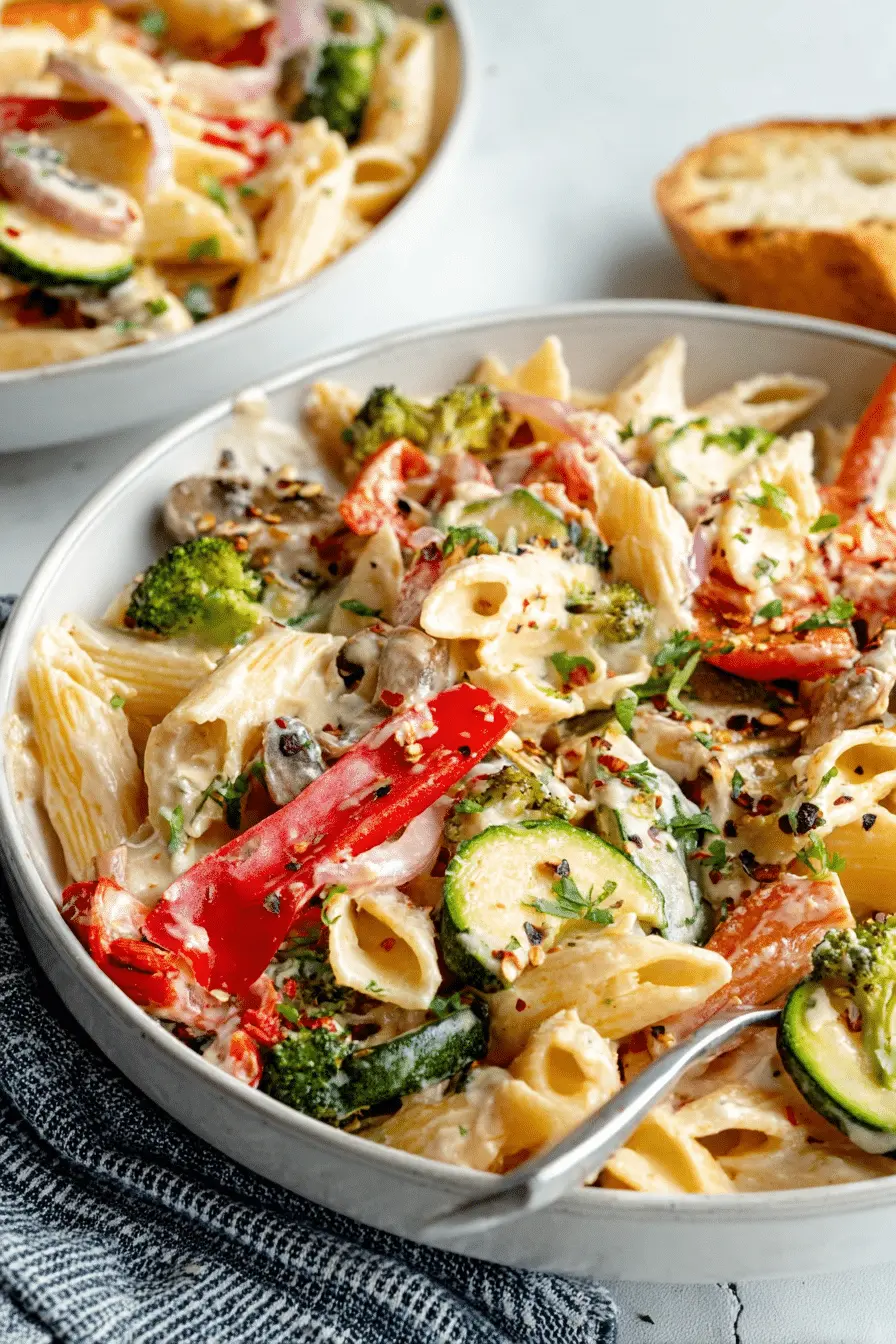
Categories
- Prep
- 20 min
- Cook
- 20 min
- Total
- 40 min
- Serves
- 4
- Calories
- 571 kcal
- Protein
- 18.00 g
- Carbs
- 86.50 g
- Fat
- 19.10 g
On this page12 quick jumps
TOC
On this page
12 quick jumps
Introduction
I cook a version of this vegan pasta primavera several times a month when life gets busy. It hits the sweet spot: bright, tender vegetables, a velvety cashew-garlic sauce, and enough protein and healthy fat to leave everyone satisfied without feeling heavy. It’s the kind of dinner I’m happy to plate up for family night or bring to a potluck.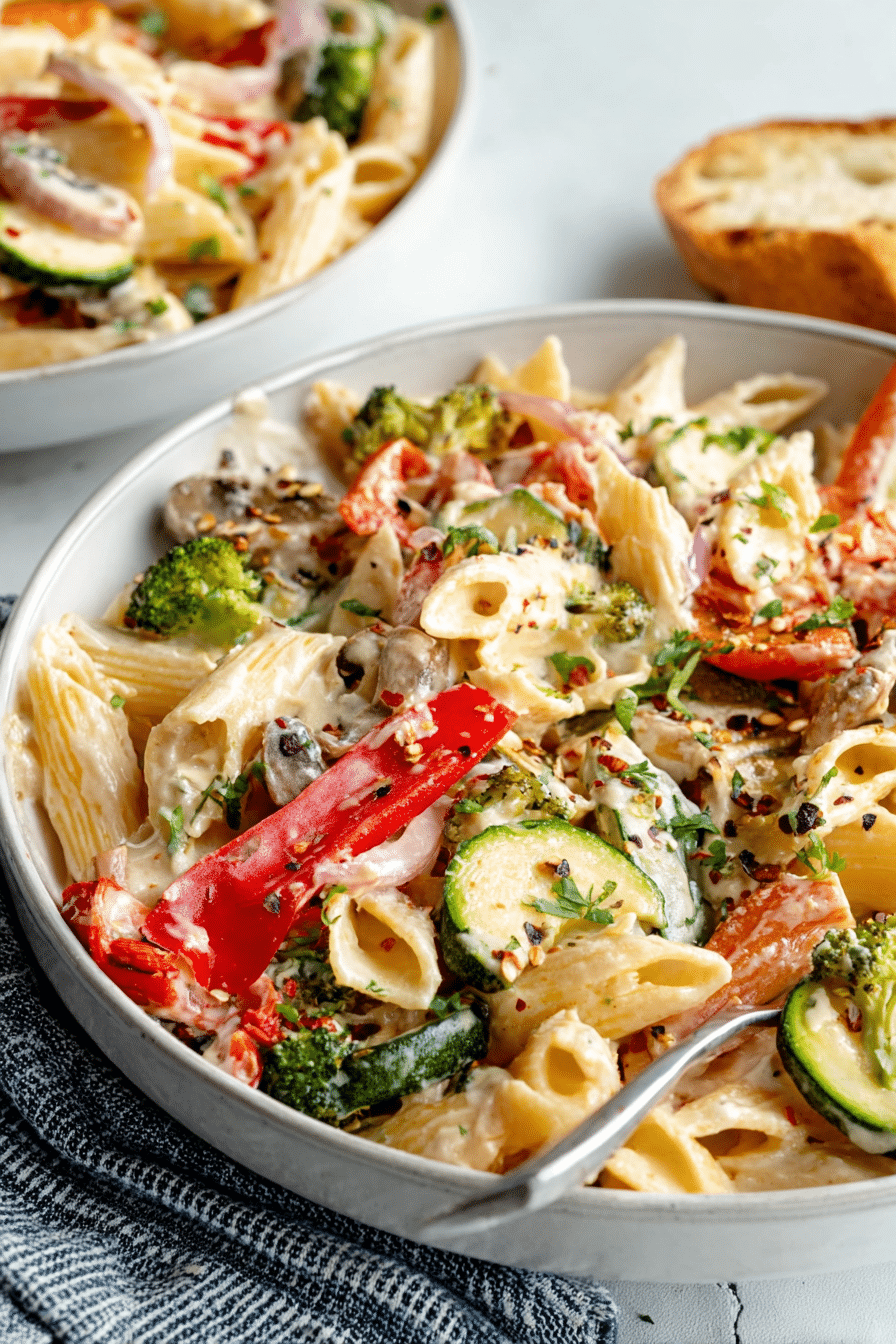
Why this vegan pasta primavera is ideal for busy weeknights
This dish is a practical weeknight hero because it requires minimal hands-on time, uses one main pot for the veggies (and one for pasta), and asks for pantry-friendly staples. The aroma of garlic and olive oil sautéing with bell pepper and onion fills the kitchen fast, and the bright colors of the vegetables make the plate look special with very little effort.- Minimal prep: Chop, sauté, and stir — most of the real work is hands-off.
- Flexible ingredients: Use what you have: frozen peas, leftover roasted vegetables, or thinly sliced root vegetables all work.
- One-pot simplicity: Sauté the vegetables in a single pan, then toss in cooked pasta and sauce to reduce cleanup.
- Time-saving tips: While the pasta boils you can finish the sauce and cook the veggies, making this a true multitask-friendly dinner.
Everything You Need for Vegan Pasta Primavera
Lay your ingredients out ahead of time and you’ll see how simple this is. Think of the list as a template rather than a rulebook: swap freely, especially with seasonal or regional produce.- Pasta – Any dry pasta that pleases you; penne holds sauce nicely and works well with chunks of vegetables.
- Olive oil – For sautéing and adding a glossy finish.
- Onion and garlic – Build savory depth; shallots or green onion are fine substitutes.
- Carrots and bell pepper – Add sweetness and crunch; try purple carrots or a yellow pepper for color.
- Broccoli – Provides bite and green color; broccoli stems are great when sliced thin.
- Cherry tomatoes – Burst with brightness; canned fire-roasted tomatoes can stand in if fresh aren’t available.
- Zucchini or summer squash – Tender texture and mild flavor; try pattypan or tromboncino if you find them at the market.
- Raw cashews – The base of the creamy sauce; can be swapped for blanched almonds in a pinch, though texture will differ.
- Lemon juice – Brings brightness and balances the richness of the cashew sauce.
- Seasonings – Italian-style herbs, salt, pepper and a pinch of red pepper flakes for heat if desired.
- Garlic crostini or garlic toast – Optional for serving and adds a toasty crunch.
- Less common or regional vegetables – Try asparagus tips, fiddlehead ferns, kohlrabi, or roasted beets when in season to make the dish more interesting.
- Frozen vs fresh – Fresh keeps the best texture and color, but frozen peas or blanched green beans are a smart shortcut that still taste great.
The Secret to a Silky Cashew Sauce (No Dairy Needed)
- Soaking matters: Soaked cashews hydrate the nuts so a blender can turn them into an ultra-smooth emulsion; longer soaking softens them fully for a silkier texture.
- Blending technique: Use a high-speed blender and start on low, gradually increasing speed until the mixture turns glossy. Scrape down the sides and blend again for a truly uniform finish.
- Liquid adjustments: Add a little water or reserved pasta water in small increments to reach your preferred consistency — you want it creamy, not watery.
- Alternative tools: If you don’t have a powerful blender, use an immersion blender in a tall jar or heat-soften the cashews and blitz them in a food processor; you may need to strain for extra silkiness.
- Flavor variations: Amp the sauce with fresh herbs like basil or parsley, a touch of nutritional yeast for cheesiness, or a roasted red pepper for a smoky note.
How to Keep Vegetables Tender-Crisp Every Time
- Sort by density: Start cooking dense vegetables (carrots, broccoli stems) first, then add medium-density items (peppers, zucchini) and finish with quick-cooking items (cherry tomatoes, peas).
- Watch residual heat: Remove the pan from the heat a touch earlier than you think — carryover cooking will soften vegetables a bit after you plate them.
- Staggered cooking: Slice vegetables so they cook evenly: thinner for quick-cooking veggies, chunkier for those that need more time.
- Finish with acid: A squeeze of lemon at the end brightens flavors and keeps colors vibrant.
Best Pasta Choices — Including Gluten-Free Options
Match your pasta to the sauce and the crowd. Thicker, tubular shapes hold the cashew sauce well; long strands create a different mouthfeel. For gluten-free needs, modern legume-based pastas and brown rice blends are solid options that maintain texture when cooked properly.- Classic durum pastas – Great for texture and chewy bite; choose shapes that trap sauce like penne or fusilli.
- Gluten-free options – Brown rice, corn, or legume-based pastas are widely available; follow package guidance and taste for doneness.
- Pasta alternatives – Use chickpea pasta for extra protein, or spiralized vegetables like zucchini noodles for a lighter version.
- Cooking notes – Different pastas need different cooking times and more or less water; when in doubt, test for al dente texture a minute or two before the package time.
How to Make Vegan Pasta Primavera (Step-by-Step)
- Bring your pasta pot of salted water to a boil and start cooking the pasta according to package directions so it’s al dente when your vegetables are ready.
- While the pasta cooks, heat olive oil in a large pan and sauté onions until softened, then add the sturdier vegetables first (carrots, broccoli) and cook, stirring occasionally.
- Add quicker-cooking vegetables (zucchini, bell pepper) and cook just until they’re tender-crisp; finish by stirring in cherry tomatoes and herbs for a minute to warm through.
- Blend the drained, soaked or hot-water-softened cashews with lemon juice, garlic, a little water and seasonings until completely smooth; adjust thickness with extra water or reserved pasta water.
- Drain the pasta, reserving a little cooking liquid, then add the pasta to the pan with vegetables and pour in the cashew sauce; toss gently to coat, adding a splash of reserved pasta water if you want a looser sauce.
- Taste and adjust salt, pepper and lemon as needed, then serve immediately with red pepper flakes or toasted garlic crostini.
Pro Tip for vegan pasta primavera: Quick cashew softening trick
- I sometimes rush the soaking step by placing raw cashews in a pot, covering with cold water, bringing it to a boil, then removing from heat and letting them sit in the hot water for about 30 minutes — it softens them quickly without simmering them to mush.
- Beware of overheating: don’t simmer cashews for long periods or they can turn grainy; hot steeping is fast and effective.
- Alternative shortcuts: use store-bought silken tofu for a quicker, protein-rich creamy base, or use a good-quality dairy-free cream if you’re really pressed for time.
- Storage tip: make extra sauce and keep it in a sealed container in the fridge — it’s great on grilled veggies, baked potatoes, or as a sandwich spread.
How to Store, Reheat & Customize Your Vegan Pasta Primavera
- Storage: Cool leftovers to room temperature, then store in an airtight container in the refrigerator for up to 3–4 days. If you’ve added tender tomatoes, consider storing sauce and pasta separately to preserve freshness.
- Reheating: Reheat gently in a skillet over low heat with a splash of water or plant milk to revive creaminess; microwave in short bursts, stirring between, to warm evenly.
- Make-ahead: Prepare the sauce and chop the vegetables ahead of time; cook everything the evening you plan to serve for maximum texture.
- Customization: Add toasted pine nuts or walnuts for crunch, stir in sautéed mushrooms for umami, or finish with fresh herbs and lemon zest for brightness.
Frequently Asked Questions
Can I use any type of pasta for this recipe? Absolutely! You can use any kind of pasta you like, including gluten-free options. Penne is a great choice, but feel free to experiment! How long does the cashew sauce need to soak? Ideally, soak the cashews for at least 2 hours in warm water. If you're short on time, you can boil them for 30 minutes instead! What vegetables work best in vegan pasta primavera? This dish is highly versatile! You can use a mix of vegetables such as bell peppers, zucchini, cherry tomatoes, broccoli, or any seasonal veggies you love. How do I store leftover pasta primavera? Store any leftovers in an airtight container in the refrigerator for up to 3-4 days. Reheat in a pan over low heat or in the microwave until warmed through. Can I make this dish ahead of time for meal prep? Yes! You can prepare the sauce and cook the veggies in advance. Just combine everything before serving to keep the pasta fresh.Ingredients
- 12 ouncespenne pasta (or any pasta you'd like)
- 2 tablespoonsolive oil
- 1/2 mediumred onion, sliced
- 1 largecarrot, cut into matchsticks
- 1 mediumred bell pepper, cut into strips
- 2 cupssmall broccoli florets
- 1 ½ cupscherry tomatoes, halved
- 2 mediumzucchini, sliced
- 1/2 teaspoonItalian seasoning
- ¾ cupraw cashews
- ½ cupwater
- 2 tablespoonsfresh lemon juice
- 2 clovesgarlic
- 1 teaspoonsalt
- 1/4 teaspoononion powder
- to tastefreshly ground black pepper
- to tastered pepper flakes
Instructions
- 1
Soak the cashews in warm water for at least 2 hours, or boil for 30 minutes and drain.
- 2
Blend soaked cashews with water, lemon juice, garlic, salt, onion powder, and black pepper until smooth.
- 3
Cook pasta according to package directions until al dente.
- 4
Sauté onion, carrot, red bell pepper, and broccoli in olive oil for 3-4 minutes.
- 5
Add zucchini, cook for an additional 2 minutes, then stir in tomatoes and Italian seasoning for 1 more minute.
- 6
Combine cooked pasta and cashew sauce with the veggies and serve.
Recipe Card
The Vegan Pasta Primavera I Make on Busy Weeknights — One-Pot
Keep it handy for later, send it to someone cooking with you, or open the clean print view.
- Prep
- 20 min
- Total
- 40 min
- Serves
- 4
You might also like
recipe
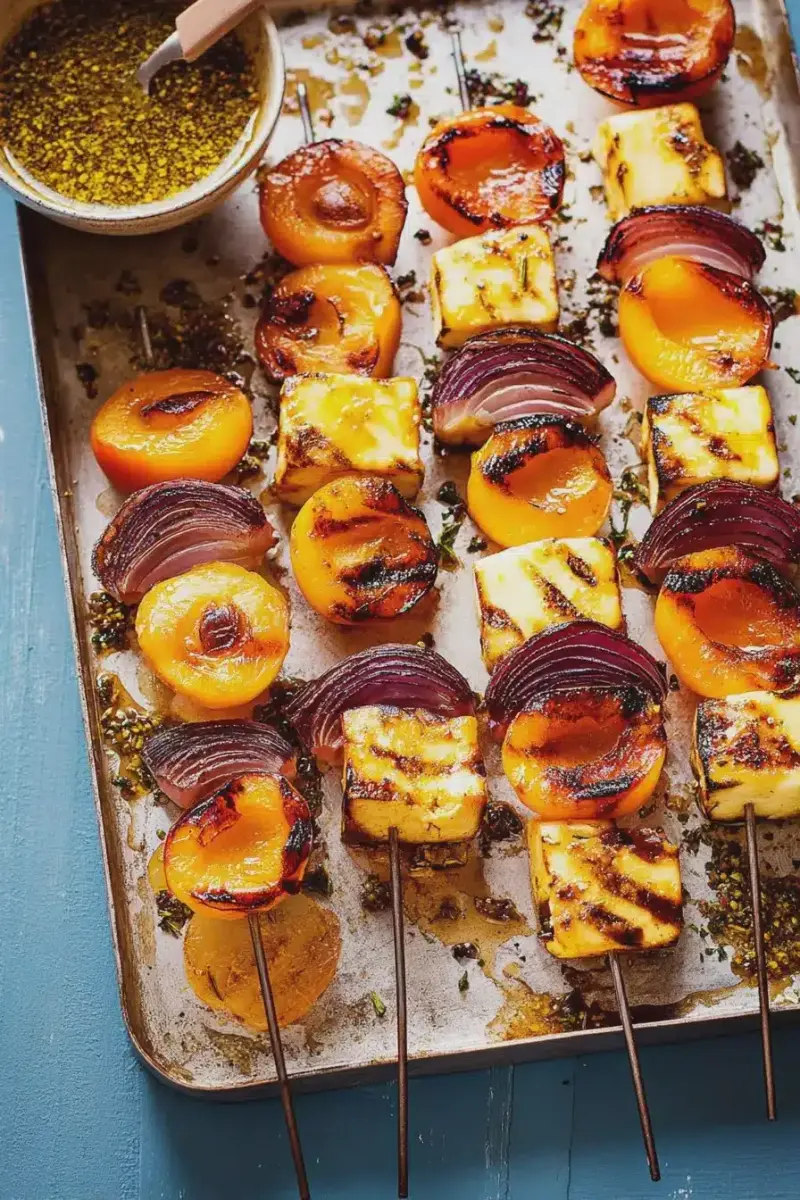
The Skewers I Make Every BBQ — Halloumi, Apricot & Pistachio
May 20, 2026
Cook this nextExplore
recipe
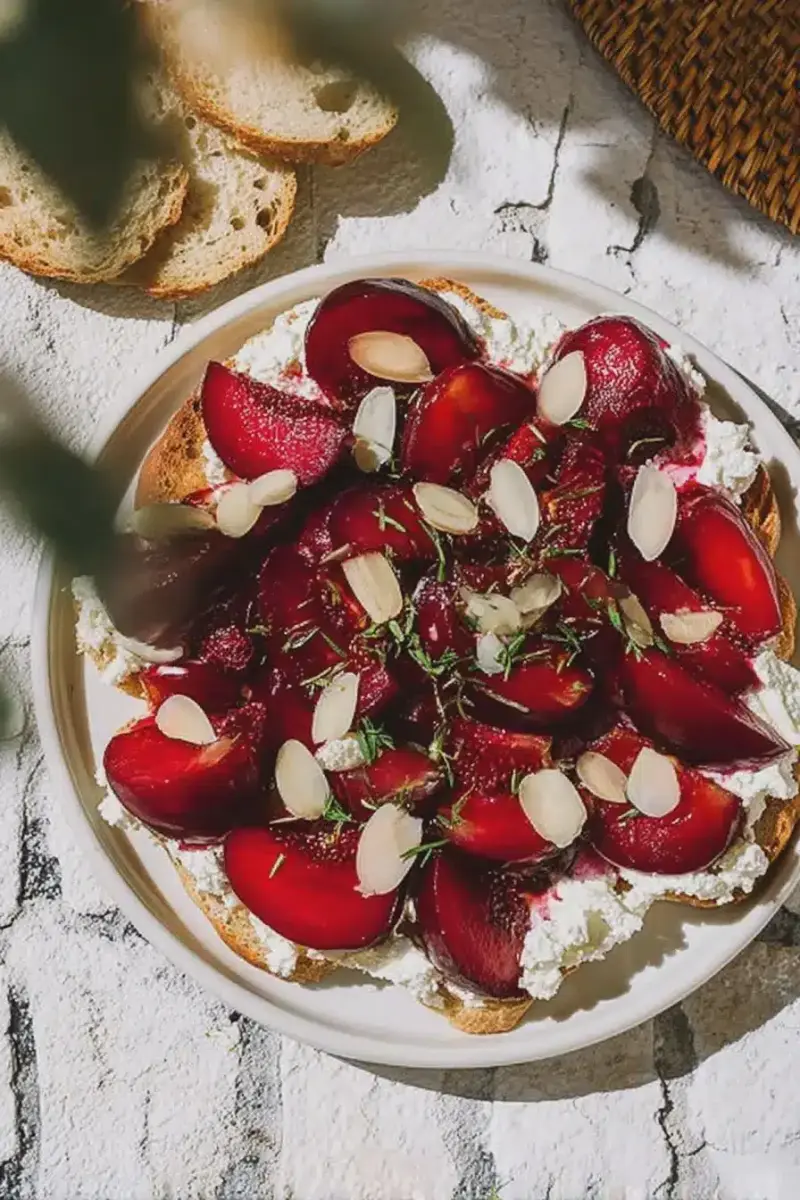
The Roasted Plum Crostini Appetizer I Make for Every Fall Gathering
May 20, 2026
Cook this nextExplore
recipe
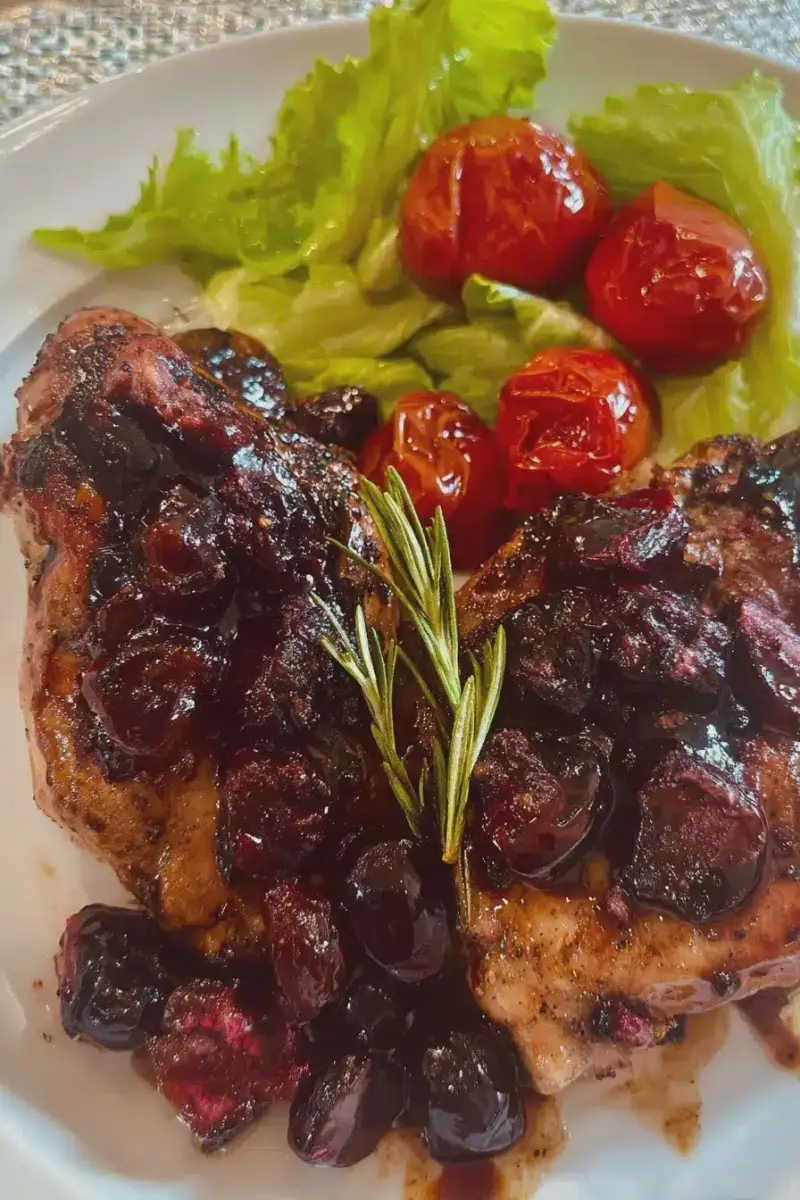
How I Make Cherry Chicken with Balsamic Rosemary Glaze in 40 Minutes
May 18, 2026
Cook this nextExplore
recipe
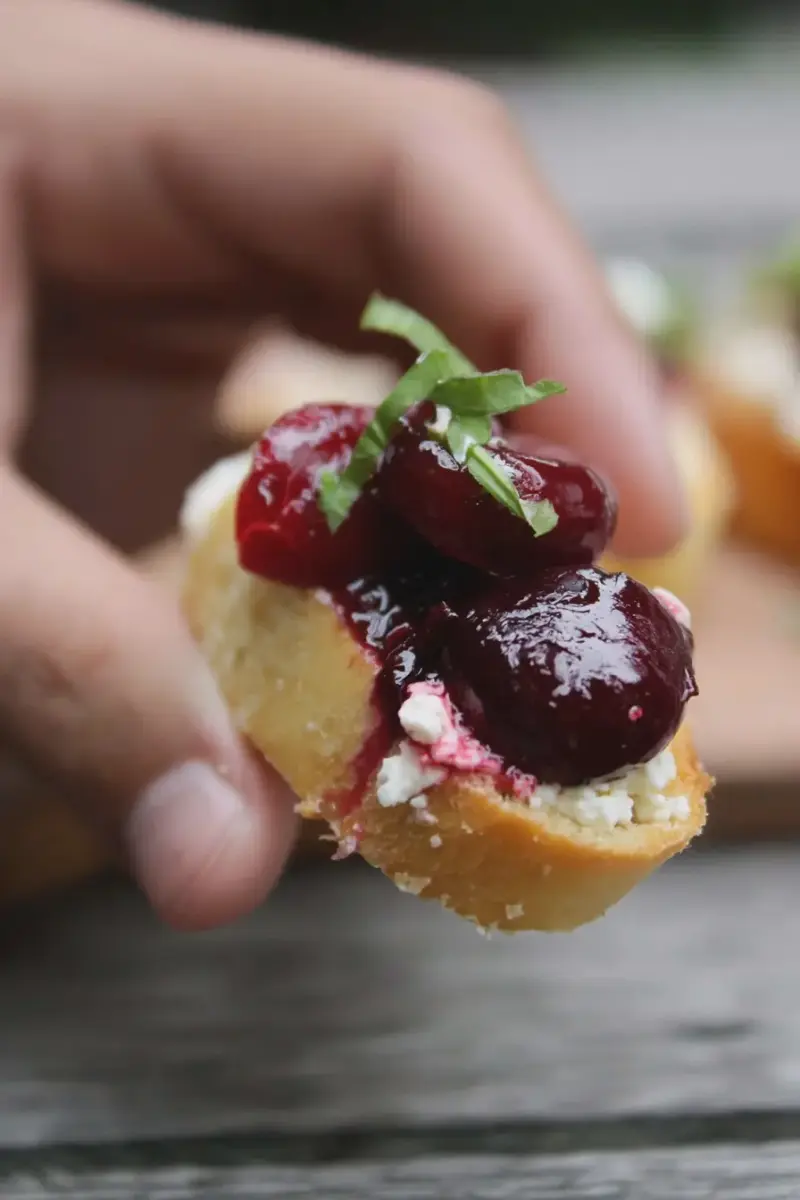
Favorite Party Bite — Balsamic Cherry and Goat Cheese Crostini
May 18, 2026
Cook this nextExplore
Reviews
Be the first to review this.