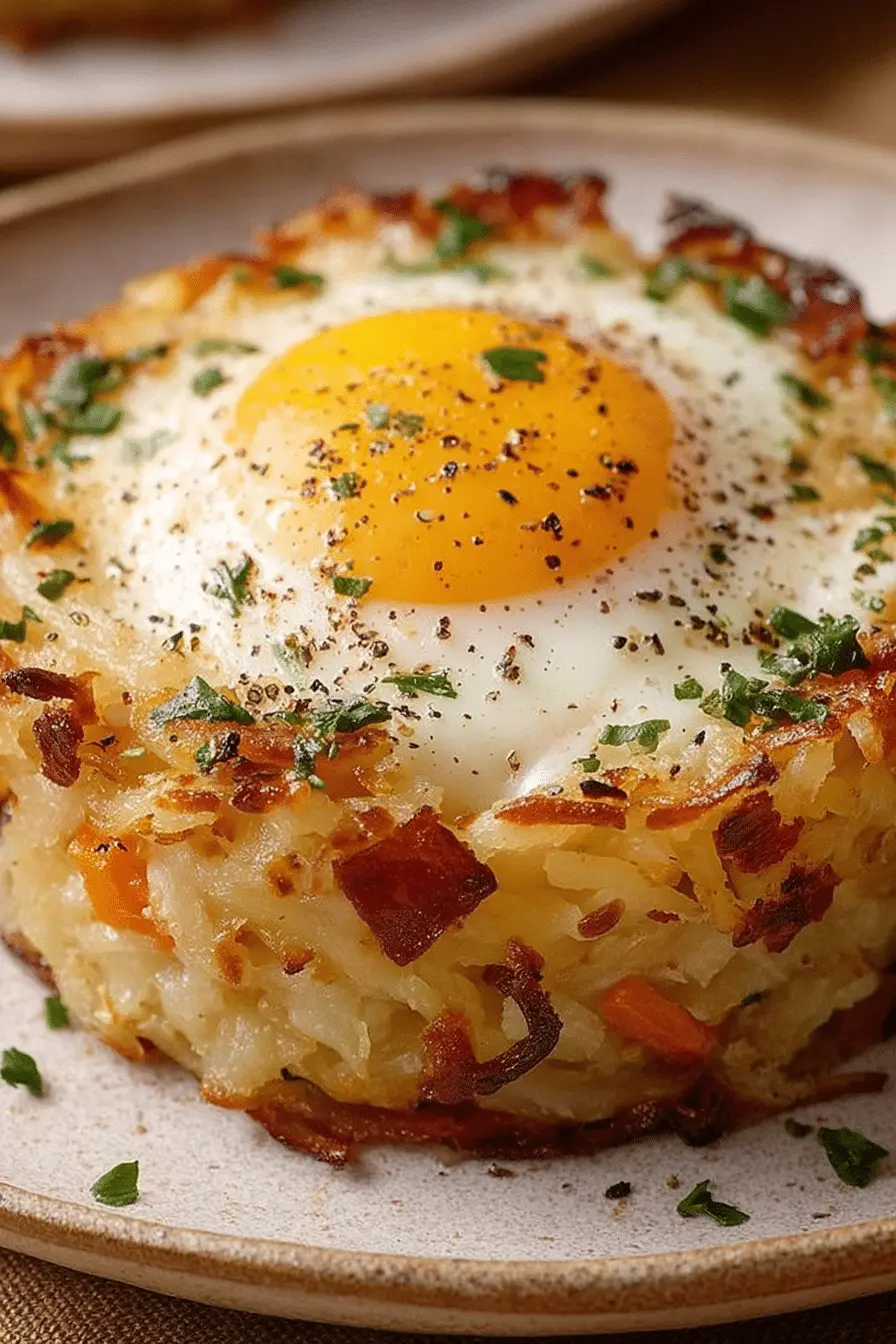
How I Plate Baked Eggs Napoleon for a Restaurant-Style Brunch
- Prep
- 20 min
- Cook
- 45 min
- Total
- 65 min
- Serves
- 6
- Calories
- 360 kcal
- Carbs
- 18.00 g
Introduction
I started making baked eggs napoleon the first time I wanted a centerpiece that felt both refined and effortless on a crowded brunch table. I remember testing stacks of paper-thin potatoes until the edges curled and crisped just so, then balancing a delicately runny egg on top so guests could break the yolk and watch it spill over the golden layers. Those small gestures — the crack of a yolk, the scent of thyme and garlic — are what make this dish feel special in my kitchen.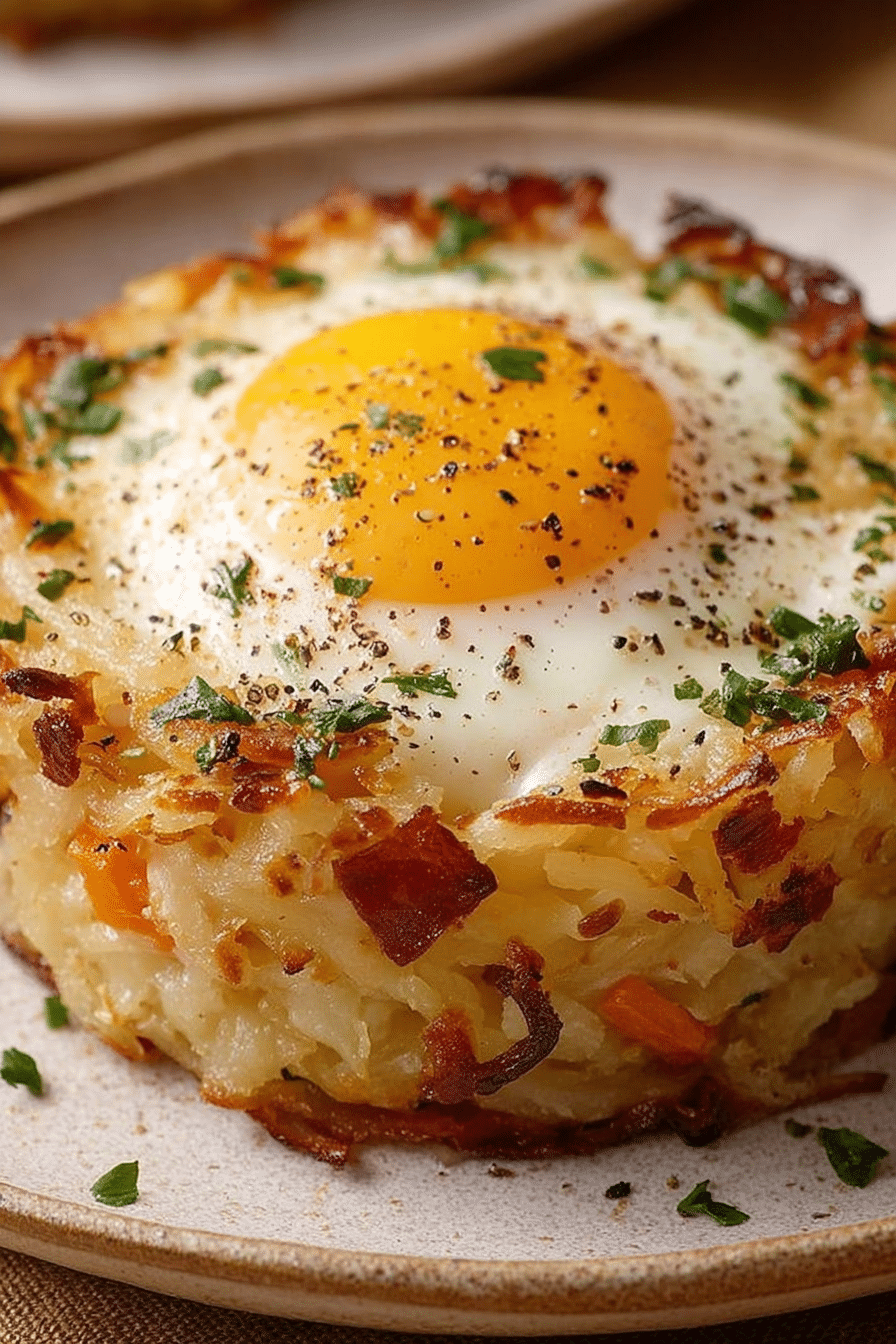
Why Baked Eggs Napoleon Is the Perfect Gourmet Brunch for Home Hosts
This dish reads as elegant on the table but is surprisingly approachable to make. The golden potato towers are visually striking, and each stack becomes a personal little plate so guests can serve themselves without fuss. The versatility of the components — potatoes, cheese, herbs, eggs — lets you tailor the flavors to the mood of your gathering, whether you want something light and herbal or rich and indulgent.
Imagine a warm plate arriving with a crisp-edged potato stack, steam lifting, the aroma of garlic and thyme mingling with melted cheese. That sensory picture is what makes this a strong choice for hosts: it looks curated, smells irresistible, and arrives in small, composed portions that feel intentional.
Because much of the work (slicing, seasoning, even partially baking) can be done ahead, this is one of those dishes that frees you to spend time with guests rather than over the stove. It’s a practical showstopper — impressive without requiring nonstop attention.
Everything You Need for Baked Eggs Napoleon
- Yukon Gold potatoes – I use these for their creamy, buttery texture and thin-slice resilience; they brown evenly and hold together in a stack.
- Olive oil or melted butter – For coating the slices so they crisp and carry the aromatics; use a neutral oil if you prefer.
- Gruyère or Swiss cheese – Provides melty, nutty richness; you can swap to a vegetarian melting cheese if needed.
- Parmesan cheese – Adds salty umami and helps the edges brown; skip or use a vegan hard cheese for dairy-free diets.
- Garlic powder and dried thyme – Simple aromatics that pair perfectly with potato and egg; fresh thyme also works for garnish.
- Eggs – The crowning element; fresh eggs give the cleanest, most confident yolks.
- Heavy cream (optional) – A dash folded into an egg for richness if you like a silkier white.
- Fresh chives and parsley – Bright finishing herbs to contrast the richness.
- Smoked paprika (optional) – For color and a whisper of smoke on the finished stack.
You'll need Yukon Gold potatoes, olive oil or melted butter, Gruyere or Swiss cheese, Parmesan cheese, garlic powder, dried thyme, large eggs, heavy cream (optional), and fresh herbs for garnish. These items are the backbone of the recipe and give you room to make simple swaps if someone at your table has a preference.
The Secret to Crispy Potato Layers (Mandoline + Soak Technique)
The crunch at the edges of each potato layer is what separates a good Napoleon from a great one. To achieve that, you need even, thin slices and the right starch management so the slices don’t glue together.
- Slice thin and even: use a mandoline or the thinnest setting on a slicer so each piece cooks at the same rate; you want paper-thin, uniform rounds.
- Soak to remove starch: place the slices in cold water and let them sit briefly; this prevents the layers from sticking and encourages crisping when baked.
- Dry completely: spread the slices on a towel and pat dry — any surface water will steam and prevent browning.
- Toss with fat and seasoning: coat the dry slices lightly with oil or melted butter and sprinkle garlic powder, thyme, salt and pepper so every bite has flavor.
- Pre-shape in cups: stack the slices in muffin tins or a ring mold, adding cheese between tiers to create pockets of melty richness that also help the structure set during baking.
Sight and smell: you should see the edges turn golden and smell the garlic and thyme as they roast. Texture-wise, the outer slices will feel crisp while interior layers remain tender — that contrast is the hallmark of success.
Timing the Perfect Runny Yolk — Oven Temperatures and Windows
The oven temperature and timing determine whether the yolk is gloriously runny or sadly firm. I bake the potato stacks at a high temperature to brown the potatoes, then add the eggs and bake just long enough to set the whites while leaving the yolks soft.
- Initial bake: roast the assembled potato stacks at 400°F so the layers brown and the cheese melts into the pockets between slices.
- Finishing with the egg: crack a fresh egg into the center of each stack and return to the same temperature; a short 8–10 minute window produces runny yolks and set whites.
- If you want slightly firmer yolks, extend the egg bake by a few minutes; if the whites are still translucent, give them an extra minute or two while watching closely.
Troubleshooting:
- If your whites stay undercooked: I gently tent the pan with foil for a minute or move the rack up slightly so the whites finish without overbrowning the potatoes.
- If yolks are setting too fast: I reduce time at the end and rely on carryover heat — removing the pan a minute early usually keeps yolks luxuriously runny.
- If potatoes are browning unevenly: rotate the pan once during the initial bake so heat distributes evenly across your oven.
Cheese, Herbs, and Swaps: Flavor Twists to Try
The basic cheese-and-herb combo is a foundation; swapping in different cheeses or herbs lets you nudge the dish toward Alpine nuttiness, smoky depth, or bright herbaceousness. Vegetarian and dairy-free options are easy to accommodate with the right substitutes.
- Cheese swaps: try Comté or Fontina for a milder melt, smoked cheddar for a bolder note, or a plant-based melting cheese if you need dairy-free.
- Herbs: finely chopped dill gives a fresh lift, rosemary adds piney depth (use sparingly), and chives keep the dish bright without overpowering the egg.
- Flavor additions: a drizzle of flavored olive oil, a few pieces of crisped bacon or smoked salmon, or a pinch of smoked paprika can change the profile quickly.
These swaps let you cater to dietary preferences while keeping the dish celebratory and guest-friendly.
How to Make Baked Eggs Napoleon (Step-by-Step)
- Prepare and slice potatoes thinly with a mandoline; soak slices briefly in cold water to remove excess starch, then dry them thoroughly.
- Toss the dry slices with olive oil or melted butter and season with garlic powder, thyme, salt and pepper so every piece is lightly coated.
- Layer the slices in muffin tins or ring molds, sprinkling a little Gruyère and Parmesan between tiers to create pockets of melted cheese.
- Bake the assembled stacks at 400°F until the tops and edges are golden and the centers have started to set; this typically takes a good portion of the bake time so plan accordingly.
- Remove the pan, crack one large egg into the center of each stack (add a splash of cream into the egg if you like a silkier white), then return to the oven.
- Bake the eggs for about 8–10 minutes for runny yolks; adjust by a minute or two for firmer yolks, and watch the whites for doneness.
- Finish with chopped chives or parsley, a pinch of smoked paprika for color, and serve immediately so the yolks remain fluid and the edges stay crisp.
Pro Tip for baked eggs napoleon: Plate Quickly to Preserve Runny Yolks and Texture
- Serve straight from the oven: transfer stacks to warm plates immediately so carryover heat doesn’t overcook the yolks.
- Use warm plates and a shallow spoon: warm plates slow cooling and a small spoon helps guests break the yolk over the potatoes without crushing the stack.
- Garnish last: sprinkle herbs and smoked paprika right before serving so the green stays bright and the color pops against the golden potatoes.
How to Store, Reheat, and Make-Ahead Baked Eggs Napoleon (Plus Variations)
Leftovers keep, but the crisp edges are happiest on the day they’re made. Store components separately when possible: the assembled—but not egg-topped—stacks refrigerate well so you can finish them with eggs just before serving.
- Refrigeration: Store cooked stacks in an airtight container; if they already have eggs, be aware texture changes in the whites and yolks.
- Reheating: For best texture, reheat in a 350°F oven until warmed through to revive crispness; the microwave works in a pinch but will soften edges.
- Make-ahead: Assemble and par-bake the potato stacks a day ahead; cool, cover, and refrigerate, then crack the eggs and finish baking when ready to serve.
Variations:
- Vegetarian boost: add sautéed mushrooms or spinach between the layers for extra body without meat.
- Smoky version: fold in a bit of smoked cheese or top with smoked paprika and crisped shallots.
- Seafood twist: tuck small pieces of smoked salmon or cooked crab into the layers for a brunch-worthy upgrade.
These small adjustments let you tailor the dish for different tastes and occasions, while keeping the core technique the same.
Frequently Asked Questions
What are the key ingredients to make Baked Eggs Napoleon?
You'll need Yukon Gold potatoes, olive oil or melted butter, Gruyere or Swiss cheese, Parmesan cheese, garlic powder, dried thyme, large eggs, heavy cream (optional), and fresh herbs for garnish.
How do I achieve crispy potato layers?
Use a mandoline to slice the potatoes very thin, then soak them to remove excess starch. After that, dry the slices before tossing them with oil and seasonings.
What is the best way to cook the eggs for a runny yolk?
Bake the stacked potatoes at 400°F, then crack an egg into each stack and bake for an additional 8–10 minutes. This will help achieve the perfect runny yolk.
Can I add different herbs or cheese to this recipe?
Absolutely! Feel free to experiment with different cheeses or herbs based on your personal taste or dietary preferences. Just make sure they complement the flavors!
How should I store leftovers of Baked Eggs Napoleon?
Store any leftovers in an airtight container in the refrigerator. They can be reheated in the oven or microwave, but for the best texture, use the oven.
Recipe Card
How I Plate Baked Eggs Napoleon for a Restaurant-Style Brunch
- Prep
- 20 min
- Cook
- 45 min
- Total
- 65 min
- Serves
- 6
- Calories
- 360 kcal
- Carbs
- 18.00 g
Ingredients
- 4 mediumYukon Gold potatoes (Very thinly sliced)
- 3 tbspOlive oil or melted butter (For coating potatoes)
- 1 cupGruyere or Swiss cheese (Shredded)
- 0.5 cupParmesan cheese (Grated)
- 1 tspGarlic powder (For seasoning)
- 1 tspDried thyme (Adds flavor depth)
- —Salt and black pepper (To taste)
- 6 largeEggs (For topping each napoleon)
- 2 tbspHeavy cream (Optional, adds richness)
- 2 tbspFresh chives or green onions (Chopped, for garnish)
- 1 tbspFresh parsley (Chopped)
- —Smoked paprika (Optional, for color)
- —Hollandaise sauce (Optional, for serving)
Instructions
- 1
Cut potatoes thin with mandoline; soak and dry.
- 2
Toss with oil, garlic, thyme, salt, and pepper.
- 3
Arrange potatoes in muffin cups, sprinkling cheese.
- 4
Bake at 400°F for 35–40 minutes until golden.
- 5
Crack one egg into each stack’s center.
- 6
Bake 8–10 minutes for runny yolks.
- 7
Top with herbs, paprika, and optional hollandaise.
You might also like


Reviews
Be the first to review this.