Poolside RecipeDesserts
How I Finally Nailed Capirotada — Traditional Mexican Bread Pudding
- Prep
- 15 min
- Cook
- 40 min
- Total
- 55 min
- Serves
- 8
- Calories
- 250 kcal
- Carbs
- 39.00 g
Introduction
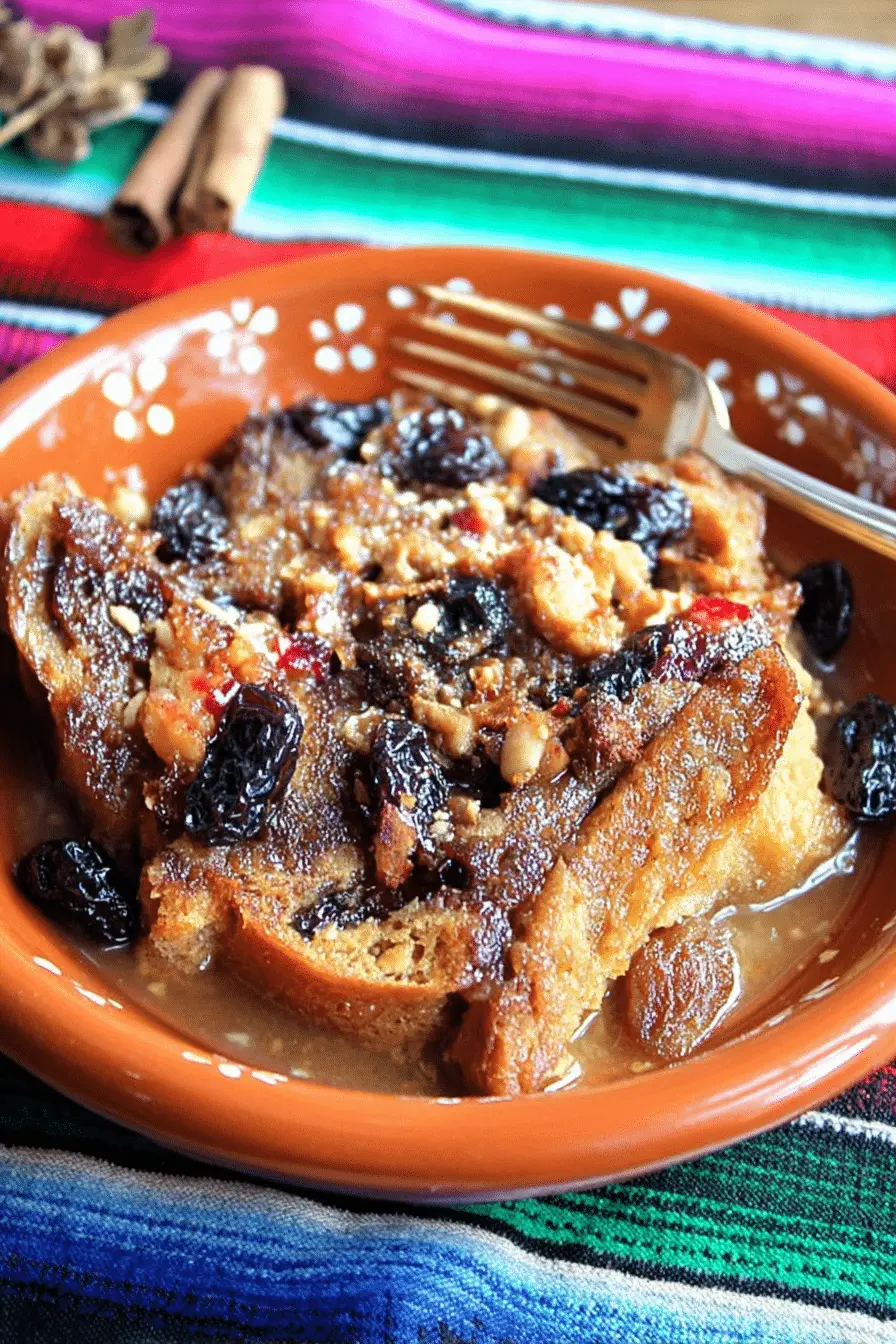
I grew up with the smell of cinnamon and simmering syrup in my kitchen every Holy Week. My mother would line up slices of bolillo on the counter while I watched the steam curl up from the pot; the ritual was as much about family stories as it was food. Over the years I’ve tightened those routines—timing the dry-out of the bread, learning when to add the cheese—so my capirotada comes out with a crust that’s just crisp and an interior that stays tender and syrupy.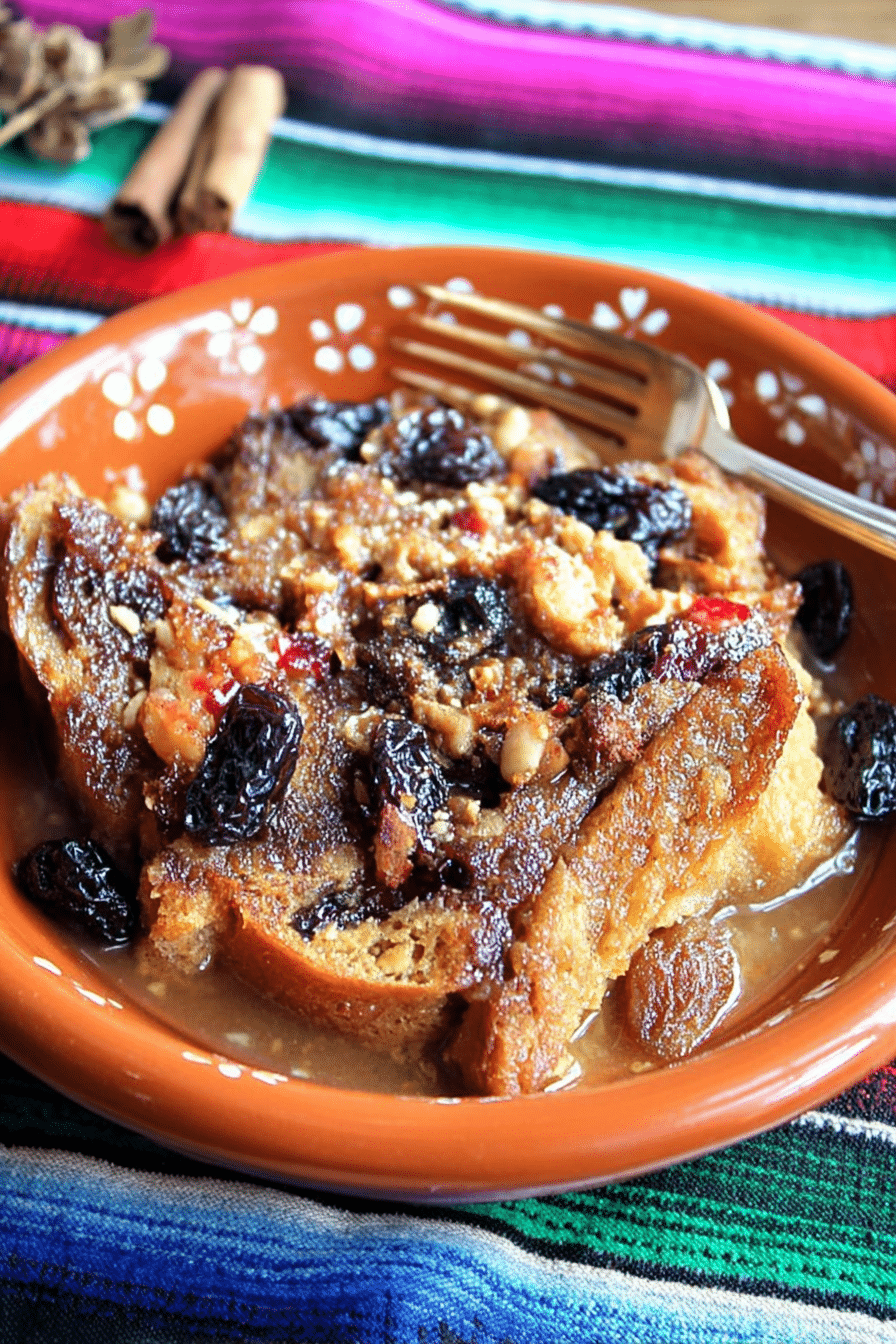
Everything You Need for Capirotada
Before you begin, collect the simple things that make a capirotada sing. I’ll explain why each item matters and how you can swap for what’s on hand. This is written to be conversational and practical—no measurements here, just purpose and sensible substitutions.- * Bread – The backbone. A day-or-two stale bolillo or similar crusty bread gives structure; softer breads like brioche or challah will make a sweeter, richer pudding.
- * Brown sugar – Provides depth and caramel notes in the syrup; darker sugar gives a molasses-y warmth.
- * Cinnamon sticks – For fragrant, clean heat in the syrup; ground cinnamon can be used but won’t yield the same clarity of flavor.
- * Raisins – Plump, chewy pockets of sweetness; soak them briefly for a juicier bite.
- * Nuts (walnuts or pecans) – Add crunch and a toasty counterpoint; toast them first for more aroma.
- * Cheese (queso fresco or cheddar) – Provides savory contrast and creamy melt; the choice shifts the dish from bright and salty to rich and sharp.
- * Water (or milk) – The soaking liquid; adding a little milk or plant-based milk will produce a silkier interior.
A Short History: How Capirotada Became an Easter Staple
Capirotada traces back through colonial Mexico, where Spanish and indigenous ingredients blended into a single dish served during Lent. It was practical—leftover bread turned into nourishment—and symbolic, with each ingredient sometimes taking on religious meaning in family retellings: cinnamon for the cross’ aroma, bread for the body, and cheese for the altar’s offerings. Over generations, regional touches emerged. In some areas you’ll find brighter, citrus notes; in others the emphasis is on nuts or a sharper cheese. These variations are what make capirotada a living tradition rather than a single fixed recipe. When I talk to older relatives, the stories are as important as the recipe: who made it when money was tight, which family added particular nuts, the neighbor who always brought extra cheese. Those stories shaped how I cook—not to be faithful in a museum sense, but to keep the dish connected to people and moments around the table.The Secret to the Perfect Soak: Bread, Syrup and Texture
I’m picky about three things here: the dryness of the bread, the syrup temperature when you pour it, and the amount of liquid you allow the bread to take on. Get these right and the pudding will be evenly moist without becoming mush.- Dry the bread ahead of time so the cubes hold their shape; slightly stale bread soaks without collapsing.
- Make the syrup and let it come off the boil before you use it—if it’s too hot it will dissolve the bread into paste, too cool and it won’t penetrate the crumb.
- Pour in stages: a light drizzle to begin, rest a moment so the bread absorbs, then add more. This controls how saturated the interior gets while allowing the top to crisp.
- If you want a deeper caramel note, finish with a small drizzle of homemade caramel over the top once it’s baked and still warm. Adding this extra layer brings a buttery sheen and extra sweetness without sogginess: homemade caramel.
Cheese, Nuts and Raisins: Balancing Sweet and Savory
These are the small, bold choices that transform bread pudding into capirotada. I think of them as textural and flavor punctuation marks: they cut through the sweetness and keep every spoonful interesting.- Cheese – A fresh, crumbly queso fresco gives a mild, salty contrast without overpowering; a sharp cheddar will melt into ribbons and give a savory bite. Consider texture and saltiness when you choose.
- Nuts – Toasting the nuts first brings out oils and aroma; walnuts add earthiness, pecans add sweetness and a softer crunch.
- Raisins – Their chew and concentrated sweetness provide tiny bursts of flavor. Soaking them briefly plumps them up so they match the pudding’s moist interior.
- Visually, a scatter of toasted nuts and glistening raisins against the golden top invites people to reach for a serving—and that contrast is part of why capirotada feels like a celebration.
How to Make Capirotada (Step-by-Step)
Below are the practical steps I use in my kitchen. Use them as a scaffold: adjust baking time to your oven and add cheese near the end if you want ribbons of melted dairy.- Preheat the oven and prepare a baking dish so everything slides in easily when you’re ready.
- Toast or dry the bread cubes until they’re just firm; they should still give slightly when pressed.
- Simmer brown sugar with water and cinnamon sticks until the sugar dissolves and the liquid takes on a warm, amber color; keep it hot but not aggressively boiling when you pour.
- Layer bread in the dish, drizzle some hot syrup over to moisten, then sprinkle raisins and nuts evenly so each bite has balance.
- Repeat layers, saving a small amount of syrup to pour over the assembled dish before baking so the top gets glossy and crackly.
- Bake uncovered until the top is golden and the center is set but still moist; ovens vary, so start checking early and watch for that caramelized top.
- Handle hot syrup with care—use long-handled spoons and a stable surface; melted cheese will bubble and is very hot, so allow a short rest before serving.
- If you like heartier combinations, consider making a simple pasta side and serve them together; many homes enjoy pairing capirotada alongside a savory main such as Creamy Tomato Pasta for a filling dinner.
Pro Tip for Capirotada: Add Cheese at the End for Melty Contrast
- Add cheese during the last few minutes of baking so it melts but doesn’t overbake—this keeps pockets of creamy, slightly salty contrast.
- If using a crumbly cheese, scatter it just before the end so it softens without turning greasy.
- For more pronounced savory notes, use a sharper cheese but in smaller amounts; the balance between sweet syrup and salty cheese is what makes capirotada memorable.
- Alternative toppings: crema drizzles, a sprinkle of citrus zest, or toasted coconut for a different textural finish.
Troubleshooting
- Too soggy in the center: your bread was too fresh or you poured very hot syrup all at once—use drier bread and add syrup in stages next time.
- Top isn’t crisping: bake uncovered and move the dish to a higher rack for the last few minutes to encourage browning.
- Syrup tastes flat: simmer longer to concentrate flavors and consider adding a small pinch of salt to balance sweetness.
- Cheese didn’t melt evenly: add it in the final minutes or briefly broil with careful watching to avoid burning.
How to Store, Reheat and Adapt Capirotada
Leftovers are a blessing with capirotada if you care for them correctly. Cooling, storage, reheating and thoughtful swaps will keep the texture close to fresh.- Cooling and storage: let the dish cool to warm, then cover and refrigerate in an airtight container to preserve moisture.
- Reheating: warm in a moderate oven to refresh the top; the microwave works for a quick portion but will soften the crust.
- Vegan adaptation: use plant-based milk in the syrup and a vegan cheese alternative; choose a firm vegan cheese that melts well for the best texture.
- Gluten-free adaptation: use sturdy gluten-free bread that holds up when toasted—dry it slightly longer to mimic stale gluten bread.
- For make-ahead: assemble and refrigerate before baking; give it extra time in the oven from chilled to reach the same internal temperature.
- Serving suggestions: for a well-rounded dinner, consider serving your capirotada alongside a savory protein such as Garlic Lemon Chicken for contrast and balance.
Frequently Asked Questions
What is Capirotada? Capirotada is a traditional Mexican bread pudding that combines sweet and savory flavors with layers of cubed bread soaked in cinnamon syrup, raisins, and cheese. Can I make Capirotada vegan? Yes! You can easily make Capirotada vegan by substituting plant-based milk and cheese for the traditional dairy ingredients. What type of bread is best for Capirotada? Bolillo or French bread works best for Capirotada, but you can also use brioche or challah for added sweetness. How do I store leftover Capirotada? Store leftover Capirotada in an airtight container in the refrigerator. To reheat, simply warm it in the oven or microwave. When is Capirotada typically served? Capirotada is traditionally served during Lent, especially around Easter, as a comforting dessert that is enjoyed with family and friends.Recipe Card
How I Finally Nailed Capirotada — Traditional Mexican Bread Pudding
- Prep
- 15 min
- Cook
- 40 min
- Total
- 55 min
- Serves
- 8
- Calories
- 250 kcal
- Carbs
- 39.00 g
Ingredients
- 4 cupsbolillo or French bread, cubed ((about 6-8 slices))
- 1 cupdark brown sugar
- 2 cupswater
- 2cinnamon sticks
- 1 cupraisins ((soaked in water))
- 1/2 cupchopped nuts ((optional – walnuts or pecans))
- 1 cupcheese ((queso fresco or cheddar))
Instructions
- 1
Preheat the oven to 350°F (175°C) and grease a baking dish.
- 2
In a saucepan over medium heat, combine brown sugar, water, and cinnamon sticks. Stir until dissolved; let simmer for 5 minutes.
- 3
Layer the cubed bread in the baking dish, drizzling half of the syrup mixture over it.
- 4
Sprinkle soaked raisins and nuts over the bread layer, then drizzle more syrup on top before adding another layer of bread.
- 5
Pour the remaining syrup over everything and bake uncovered for 30-40 minutes until golden brown.
- 6
For extra flavor, add cheese during the last 10 minutes of baking.
You might also like



Reviews
Be the first to review this.