

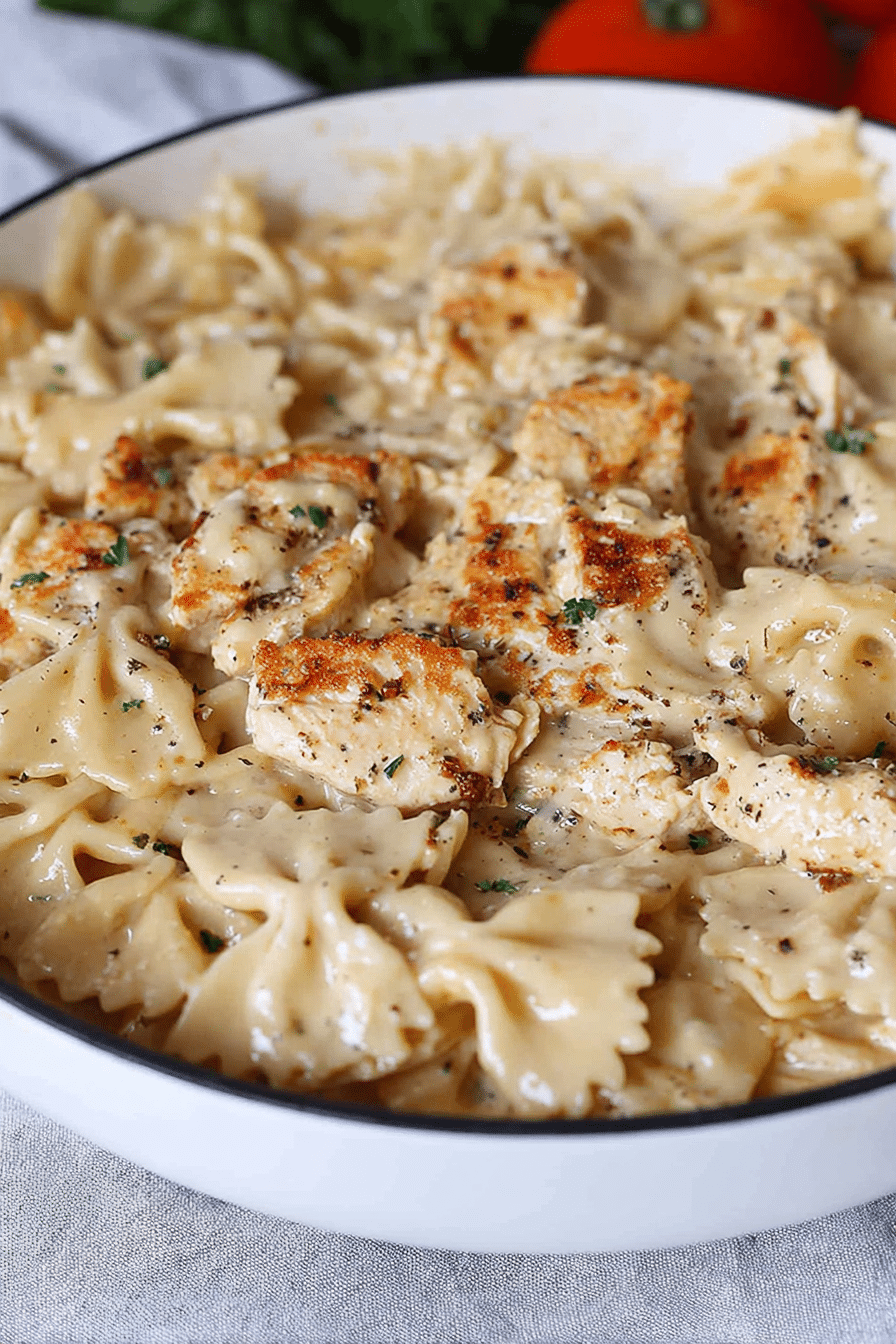
There’s something about a bowl of creamy chicken garlic parmesan pasta that feels like a warm kitchen hug — garlicky, cheesy, and surprisingly fresh with just a few pantry staples. I make this when I want comfort without fuss: it comes together in about 30 minutes, it uses one skillet for most of the work, and it feeds a small crowd (the original recipe yields about 10 servings, which I usually cut down unless I’m meal-prepping). I tested this version a few times in my own kitchen: the first round the sauce was a touch thin, so I learned to reserve pasta water and add it tablespoon by tablespoon. The second time I rested the chicken before slicing and the juices stayed put — big difference. Expect warm garlic aroma, a silky Parmesan finish, and a sauce that clings to every forkful.
Ingredients List — Chicken Garlic Parmesan Pasta
Below I describe each ingredient and its role so you can swap things in and out if needed. I talk about them conversationally — if you want the exact measurements, you’ll find them in the step-by-step instructions.
- Olive oil – a drizzle for searing the chicken; it carries the heat and helps develop a golden crust without smoking.
- Chicken breast – the protein backbone. I favor thin-cut breasts or pounding them to an even thickness so they cook evenly and stay juicy.
- Paprika – adds a warm color and mild smokiness; sweet or smoked both work depending on how bold you want the flavor.
- Dried oregano – a Mediterranean touch that pairs nicely with garlic and Parmesan.
- Garlic (powder and fresh) – garlic powder seasons the chicken; fresh garlic in the sauce gives that fragrant, savory backbone.
- Thyme – subtle herbal notes that complement the creaminess.
- Salt & black pepper – essential for lifting flavors; taste and adjust as you go.
- Gluten-free farfalle (or any pasta) – pasta carries the sauce; farfalle is great because its little pockets trap the cream, but regular pasta works fine too.
- Butter – helps build a smooth, rich base for the sauce and adds a mellow dairy sweetness.
- Dry shallots (or minced shallot/onion) – add mild oniony depth without overpowering the garlic.
- Italian seasoning – an easy shortcut to add balanced herbiness.
- Chicken broth – thins and flavors the sauce; it keeps the cream from tasting one-note.
- Gluten-free 1:1 flour – a small amount to thicken the sauce; you can use regular flour if you don’t need gluten-free.
- Heavy cream – the luxury that makes the sauce silky and clingy.
- Parmesan cheese – salty, nutty, and the backbone of the flavor profile; freshly grated melts best.
- Pasta water – a secret weapon: starchy water loosens the sauce while helping it bind to the pasta.
Step-by-Step Instructions — Chicken Garlic Parmesan Pasta
Prep time: ~10 minutes. Cook time: ~20 minutes. Yield: about 10 servings (I usually split this into smaller portions for weekly meals). Read these notes carefully — I’ve added observations and troubleshooting tips I learned while cooking this in my kitchen.
- Bring a large pot of salted water to a rolling boil and cook 12 oz gluten-free farfalle according to package instructions for al dente. Tip: salt the water like the sea — this is the first chance to season the pasta itself. Reserve about 1/2 cup of pasta water before you drain it; it will help loosen the sauce later. Observation: I often taste the pasta a minute or two before the package time — I like a little bite so it doesn’t go mushy when combined with the sauce.
- Make the chicken seasoning: in a small bowl mix 1 1/2 tsp paprika, 1 1/2 tsp oregano, 1 tsp garlic powder, 1/2 tsp thyme, 1/2 tsp black pepper and 1/2 tsp salt. This blend gives a balanced flavor — don’t skip it because it seasons the meat beyond just salt. If you prefer less heat, reduce the paprika slightly.
- Pound the chicken breasts slightly to an even thickness (about 1/2″ thick) and season both sides with the spice mix. Why pound? An even thickness means even cooking — no dry edges or raw centers. I use a zip-top bag and a rolling pin to bash gently.
- Heat 2 tbsp olive oil in a large skillet over medium heat until shimmering but not smoking. Sear the chicken for about 5 minutes per side until golden. Then lower the heat to medium-low, place a lid on the skillet, and cook an additional 10–12 minutes, or until an instant-read thermometer reads 165°F (74°C) in the thickest part. If you don’t have a thermometer, slice the thickest part — the meat should be opaque and juices clear. Note: if the chicken browns too fast, your pan is too hot; lower the heat so the inside cooks without burning the exterior. After cooking, transfer the chicken to a cutting board and let it rest for at least 5 minutes so the juices redistribute.
- To the same skillet, add 4 tbsp butter and let it melt over medium-low heat, scraping up any browned bits from the chicken — those bits add flavor to the sauce. Once the butter is melted, stir in 2 tsp dry shallots (or 1 small minced fresh shallot), 1 tsp garlic powder, and 2 tsp Italian seasoning. Cook, stirring, for about 1 minute until fragrant. Observation: the smell goes from sharp to mellow and sweet once the shallots and garlic cook a bit — that’s your cue to move to the next step.
- Sprinkle in 2 tbsp Gluten Free 1:1 Flour and stir well to form a roux, scraping the bottom of the pan to loosen any stuck bits. Cook for 30–60 seconds to remove raw flour taste. If you see little clumps, whisk vigorously or add a splash of the chicken broth to smooth it out. This step thickens the sauce — skip it and the sauce will stay very thin unless you simmer longer.
- Pour in 1/2 cup chicken broth and 3 cups heavy cream, then whisk well to combine into a smooth sauce. I like to add the broth first to help dissolve the roux, then the cream. Bring the sauce to a simmer (not a rolling boil) and cook until it thickens slightly — about 3–5 minutes. Watch carefully: heavy cream can bubble and foam quickly; keep the heat moderate.
- Stir in 12 oz shredded Parmesan cheese and continue stirring until the cheese is fully melted and the sauce is glossy. Taste and add 1/2 tsp salt and 1 tsp garlic powder (or adjust to your taste). If the sauce tastes flat, try a pinch more salt — salt is often the missing piece rather than sugar. Note: use freshly grated Parmesan for the best melt and flavor; pre-grated can be dustier and doesn’t melt as smoothly.
- Add the drained pasta to the skillet and toss to coat evenly. If the sauce seems too thick, add reserved pasta water one tablespoon at a time until you reach a loose, clingy consistency. Sensory cue: the sauce should be thick enough to coat the back of a spoon but still move slowly when you tilt the pan.
- Slice the rested chicken breasts and add them on top of or mixed into the pasta. Carefully stir to combine without breaking the chicken into tiny pieces. Serve immediately, garnished with extra Parmesan and a sprinkle of chopped parsley if you like. Serving cue: the dish looks richest when served hot — the sauce tightens as it cools, so plan to plate quickly.
Nutrition Information — Chicken Garlic Parmesan Pasta
Here’s the basic nutrition breakdown from the original recipe per serving: about 521 kcal, 36 g fat, 29 g carbohydrates, and 21 g protein. Parmesan and cream contribute most of the fat and calories, while the chicken provides protein and the pasta supplies the carbs.
To make this dish more nutritious without losing satisfaction, try these tweaks:
- Swap half the heavy cream for low-fat milk and finish with a spoon of Greek yogurt off the heat to add tang and protein (don’t heat yogurt vigorously or it may break).
- Add vegetables — spinach stirred in at the end wilts quickly, roasted cherry tomatoes bring brightness, and sautéed mushrooms add umami and bulk.
- Use whole-grain or legume-based pasta for more fiber and protein; cooking time will vary so check package instructions for al dente.
- Parmesan contributes calcium and a salty, nutty flavor, so you can use a little less and still get a satisfying taste.
Meal Prep and Storage Tips — Chicken Garlic Parmesan Pasta
If you want this to be a time-saver, make a double batch and portion it for the week. I often cook the whole recipe and divide into 3–4 containers for lunches — it reheats nicely if you follow these tricks.
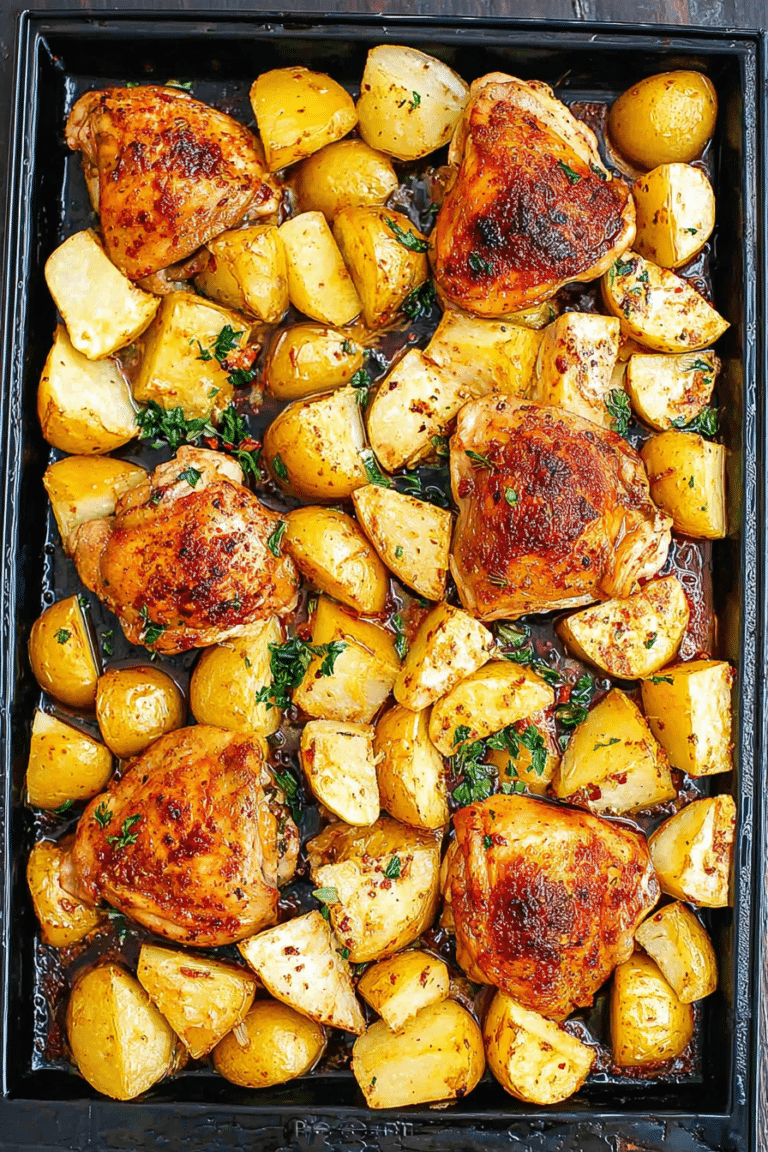
For a time-saving option, use leftover baked garlic parmesan chicken to top your pasta or shred for a quick weeknight meal.
- Refrigerator: store in an airtight container for 3–4 days. The sauce will thicken as it cools — that’s normal.
- Freezer: creamy pasta can be frozen, but texture can change (cheese sometimes becomes grainy). If freezing, use within 2 months. Freeze in portion-sized containers for easier thawing.
- Reheating: gently reheat on the stove over low heat with a splash of milk, broth, or reserved pasta water to loosen the sauce. Microwave works in a pinch: heat at 50% power in 30–45 second bursts, stirring between each burst with a splash of liquid.
- Make-ahead tip: cook and store the chicken and sauce separately from the pasta if you plan to reheat often — combining just before serving keeps textures better.
Quick FAQ (storage & common questions):
- How long does it last? Refrigerated for 3–4 days; frozen up to 2 months.
- Best reheating method? Gently on the stovetop with a splash of liquid to restore creaminess.
- Can I make it ahead? Yes — you can make the sauce and chicken ahead; add freshly cooked pasta at serving time for the best texture.
Variations for Dietary Needs — Chicken Garlic Parmesan Pasta
This recipe adapts well; I test several swaps so you can tailor it to your needs.
Swap in or serve alongside crispy parmesan zucchini fries for a lighter, vegetable-forward accompaniment.
- Gluten-free – the original uses gluten-free farfalle and gluten-free 1:1 flour for thickening. Any certified gluten-free pasta works; check cooking times and reserve pasta water.
- Dairy-free – substitute unsweetened plant-based cream (or full-fat canned coconut milk for richness) and use a dairy-free Parmesan alternative. Expect a slightly different mouthfeel: less of the sharpness from real Parmesan but still creamy.
- Low-carb / Keto – swap the pasta for zucchini noodles (zoodles) or cauliflower rice. Cook them briefly so they retain texture and don’t water down the sauce; add them to the skillet for the last 1–2 minutes to coat.
- High-protein – add extra chicken, or toss in white beans or cooked chickpeas for vegetarian-friendly protein. You can also use legume-based pasta (chickpea or lentil pasta) for a big protein boost.
Pairing Suggestions — Chicken Garlic Parmesan Pasta
To make a full meal, I like to balance richness with brightness and texture contrast.
Round out the meal with warm cheesy breadsticks, a comforting side that pairs beautifully with garlic parmesan pasta.
- Salads – a crisp arugula salad with lemon vinaigrette cuts through the creaminess. A simple mixed greens salad with shaved radish and a bright dressing is another go-to.
- Vegetable sides – roasted asparagus or broiled cherry tomatoes add color and acidity.
- Wine – a round Chardonnay with a touch of oak complements the creamy sauce; if you prefer white, a crisp Pinot Grigio brightens the dish. For red lovers, a light-bodied Pinot Noir with bright acidity can work if you keep the sauce subtle.
- Bread – crusty bread or garlic bread for mopping up sauce is always welcome.
Customizing Flavors with Herbs and Spices — Chicken Garlic Parmesan Pasta
The basic sauce is a great blank canvas — you can nudge it toward Italian, lemony bright, or smoky.
If you want a brighter flavor, try tossing your chicken with our lemon garlic chicken bites seasoning as a zesty alternative.
- Fresh herbs – chopped parsley tossed at the end adds freshness and color; basil gives a sweet, peppery lift; thyme adds earthy notes. Add delicate herbs like basil or parsley at the end to preserve their bright flavor.
- Red pepper flakes – a pinch adds heat and contrast to the cream; I often add a generous pinch while the sauce simmers.
- Smoked paprika or chipotle – swap for some or all of the paprika in the chicken seasoning for a smoky depth that pairs well with roasted veggies.
- Lemon – a squeeze of lemon juice or a little lemon zest just before serving lifts the whole dish and cuts the richness.
- Umami boosters – a small splash of soy sauce or Worcestershire in the sauce (start with 1/2 tsp) deepens flavor without making it taste Asian; add gradually and taste.
Conclusion — Chicken Garlic Parmesan Pasta
This chicken garlic parmesan pasta is one of those dependable recipes I reach for when I want dinner that feels special but doesn’t require fuss. It’s flexible — swap pasta shapes, cut the cream, load it with veggies, or make it dairy-free — and still delivers on comfort. Try it once as written, then make it your own: more lemon, extra heat, or swapped proteins. If you make a batch for the week, you’ll notice the flavors get friendlier after a day in the fridge. I’d love to hear how you customize it — tag a photo or leave a note describing your changes so other cooks can benefit from what worked in your kitchen.
Quick tips recap: pound the chicken to even thickness, reserve pasta water, rest the chicken before slicing, and whisk the sauce until glossy. Those small steps make a reliable, creamy, and deeply flavored pasta every time.
Enjoy, and happy cooking!
Chicken Garlic Parmesan Pasta
Ingredients
Method
- In a large pot, boil pasta according to the directions on the box for al dente.
- Place all chicken seasonings into a small bowl and mix. Paprika, oregano, garlic powder, thyme, salt, and pepper.
- Pound chicken down to thin out slightly.
- Then season the chicken on both sides with seasoning.
- In a large skillet, heat the olive oil on medium heat.
- Once hot, sear the chicken for 5 minutes on each side.
- Once both sides are seared, flip the chicken and lower the heat slightly to medium low.
- Place a lid on the pan and cook for an additional 10-12 minutes.
- Once the internal temperature is 165 degrees, remove the chicken from the pan and place onto a cutting board.
- Place the butter into the pan and allow it to melt.
- Once the butter is melted, add the pasta seasonings: shallots, garlic powder, and Italian seasoning.
- Stir well and simmer for one minute.
- Next, add in the flour and stir well, scraping the bottom of the pan.
- Pour in the chicken broth and heavy cream.
- Whisk well until a smooth and creamy sauce has been formed.
- Pour in the Parmesan cheese and stir together until completely melted.
- Allow it to cook, stirring occasionally until desired consistency is met.
- Pour in the pasta and toss well to coat evenly.
- Add pasta water one tablespoon at a time to thin out the sauce.
- Once that is done, slice the chicken breast and add them to the pasta.
- Carefully stir, then serve!