

I still remember the steam rising from a chipped white bowl on my grandmother’s kitchen table—the soft smell of warm milk, a faint dusting of cinnamon, and the way the rice held just the slightest chew. That bowl felt like home; it was the kind of dessert that made the house quiet and conversations linger. I kept that memory as I taught myself how to coax rice and milk into something silkier than either ingredient seemed to promise.
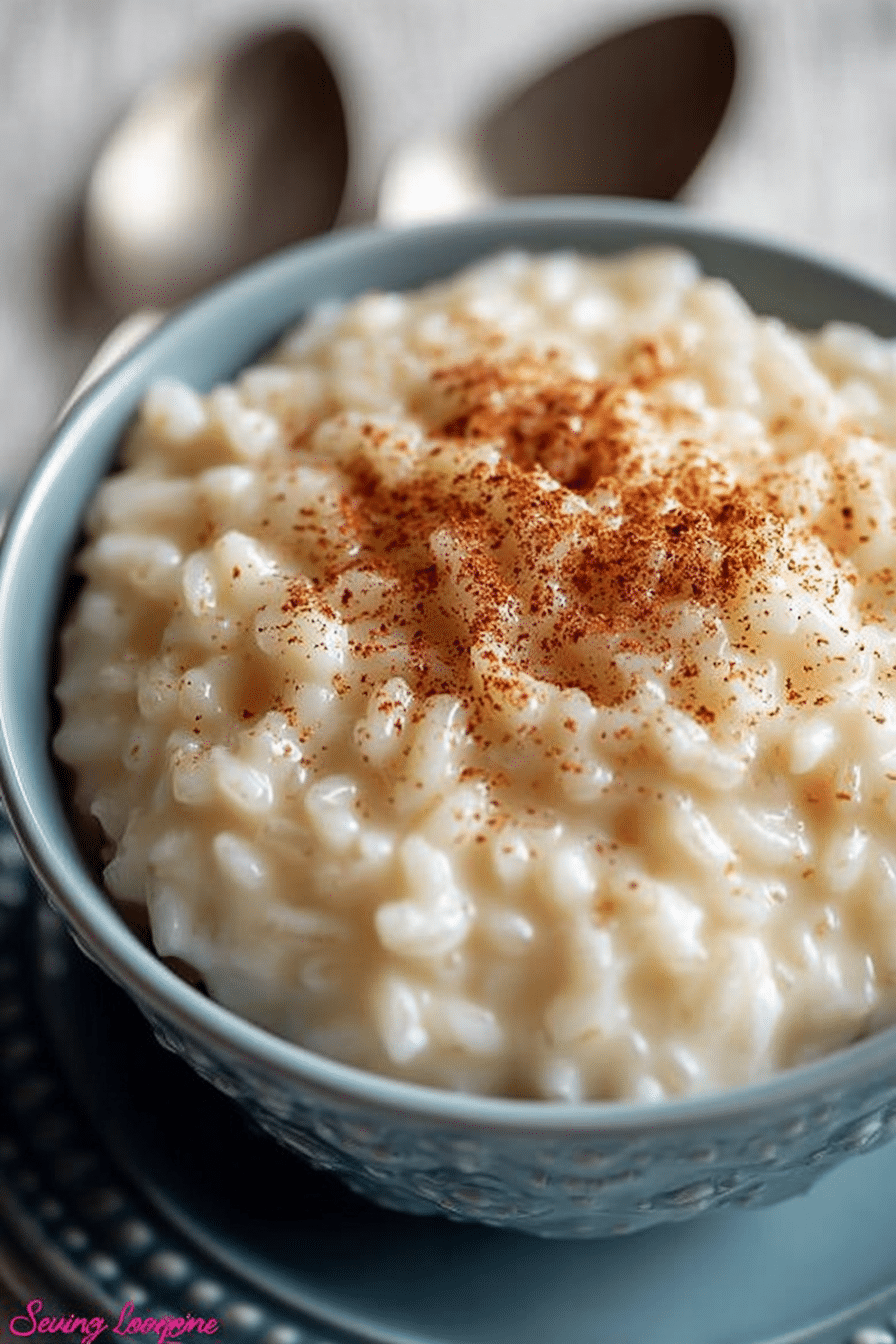
Over the years I learned that the little choices—what rice to use, how warm the milk is when it meets the grains, and whether you stir while you hum a tune—make a huge difference. I wrote this version to be forgiving but precise: it asks for patience, not perfection, and rewards you with a bowl that feels nostalgic and polished at once. When I serve it, people close their eyes for a second; that’s the cue I know I’ve hit the right texture.
This recipe is a stovetop, slow-simmered pudding finished with a knob of butter and a splash of vanilla. You can serve it warm from the pot or chilled the next day; both ways carry that same cozy comfort, just with slightly different personalities.
Everything You Need for Creamiest Rice Pudding
- Arborio rice – The heart of this pudding; its high starch content helps build a luscious, creamy body.
- Whole milk – Gives the pudding a glossy, rich mouthfeel. If you want a lighter result, choose a milk with lower fat, but expect less silkiness.
- Sugar – Balances the dairy and brings out the rice’s natural sweetness. Use a neutral granulated sugar or swap for a milder sweetener if you prefer.
- Salt – A tiny pinch brightens the flavors and rounds out the sweetness.
- Unsalted butter – Stirred in at the end for shine and a silkier texture; it’s a small step that feels indulgent.
- Vanilla extract – Real vanilla makes the aroma sing; it’s worth using real extract over artificial flavoring for depth.
- Ground cinnamon – Optional for finishing; adds warmth and a gentle contrast to the creamy base.
Choose the best simple ingredients you can find—fresh milk and real vanilla—and the pudding will reward you with a richer, more comforting result. The visual cues are simple: glossy milk, plump grains, and a gentle steam rising as it cooks.
The Secret to Truly Silky Rice Pudding
Silk comes from patience more than fancy techniques. Slow cooking allows the rice to release starch gradually so the milk thickens without breaking. Stirring keeps the pot from forming a scorched crust and helps the grains rub against each other, producing that velvety texture you want.
Think of the process as gentle coaxing rather than a race. When the mixture is barely simmering and you stir often, the rice plumps evenly and the milk becomes glossy. If you rush with high heat, the outside of the rice can break apart while the center remains undercooked, and the milk can scorch—both things that undo silkiness.
Why Arborio Rice Makes It Lusciously Thick
Arborio rice is short-grain and packed with a particular kind of starch (amylopectin) that leaches into the cooking liquid as the grains rub and swell. That starch is exactly what gives risotto its cream and what makes rice pudding so thick without adding cream or thickeners.
Compared with long-grain rice, Arborio produces a creamier, slightly chewy bite that feels satisfying. A gentle rinse before cooking removes any loose surface starch so the pudding finishes smooth rather than gluey—think of rinsing as setting the stage so the starch can release slowly and evenly during the simmer.
Why Temperature and Patience Matter for Texture
- Too-hot heat causes the milk to bubble vigorously and the rice to split open, leading to a grainy or broken texture.
- Low, steady simmering lets starch release gradually and gives you a chance to respond with stirring if the mixture begins to cling.
- Patience deepens flavor—longer gentle cooking concentrates the milk slightly and makes the sweetness feel rounded rather than sharp.
When I cook, I keep the heat low enough that the surface barely trembles and I stir often enough to feel the pudding changing beneath the spoon.
Pro Tip for creamiest rice pudding: Stir Often and Use Warm Milk
- Warm the milk before adding it to the rice—cold milk shocks the grains and lengthens cooking time.
- Stir frequently, especially toward the end of cooking; this prevents sticking and encourages a silkier release of starch.
- Use a heavy-bottomed saucepan to distribute heat evenly and reduce the chance of scorching.
- Reserve a splash of milk to stir in at the finish if the pudding tightens too much as it cools; it restores that soft, spreadable consistency.
How to Make Creamiest Rice Pudding (Step-by-Step)
- Rinse the Arborio rice under cold water until the water runs mostly clear to remove loose surface starch.
- Warm the milk with the sugar and salt over medium heat just until the sugar dissolves and the milk is gently steaming.
- Stir the rinsed rice into the warm milk and bring the pot to a gentle simmer, watching so it doesn’t boil over.
- Reduce heat to low and cook uncovered, stirring frequently so the rice releases starch and the mixture thickens evenly.
- When the grains are tender and the pudding is creamy, remove from heat and stir in the butter and vanilla for gloss and aroma.
- Spoon into bowls and serve warm or chilled; sprinkle with cinnamon if you like a warm spice note.
For a different take on rice pudding, try our creamiest condensed milk baked rice pudding recipe.
Serving Suggestions, Garnishes & Pairings
- Top with a dusting of ground cinnamon or a light grating of nutmeg for classic warmth.
- Scatter toasted nuts (almonds or pistachios) for crunch and color contrast.
- Brighten the bowl with fresh berries, a spoonful of fruit compote, or citrus zest for a lively counterpoint to the cream.
- Serve alongside a simple black coffee or a fragrant tea to balance the pudding’s sweetness.
How to Store, Reheat and Make-Ahead Creamiest Rice Pudding
- Cool the pudding slightly, then transfer to an airtight container and refrigerate for up to four days.
- To reheat, warm gently on the stove over low heat with a splash of milk, stirring until it loosens and becomes glossy again.
- For freezing, portion into individual containers and thaw in the refrigerator overnight before reheating on the stove.
- Make-ahead tip: the pudding often tastes better the next day as flavors settle—just refresh the texture with a touch of warm milk when warming.
To elevate your side dishes, consider making stick of butter rice to serve with your rice pudding.
For the best tips on keeping your dessert fresh, check out our guide on how to store and reheat rice pudding.
Dietary Variations for Rice Pudding
- Vegan: Use full-bodied plant milks such as coconut or oat milk and replace butter with a plant-based spread; maple syrup or coconut sugar are good sugar alternatives.
- Lower-sugar: Reduce the sugar and add mashed banana or a fruit compote to add natural sweetness and body.
- Gluten-free and grain swaps: If you want a different texture, try short-grain barley or a pudding-style oat porridge, but expect variation in creaminess.
If you’re looking for a fun twist, consider incorporating elements from our Rice Krispies treats into your rice pudding for a crunchy topping.
Exploring Flavor Combinations
- Cardamom and orange zest for a fragrant, slightly floral profile.
- Saffron and pistachio for an elegant, Middle-Eastern-inspired bowl.
- Stir in chocolate shavings or a swirl of nut butter for a richer, dessert-like finish.
- Top with a warm apple or pear compote for autumnal comfort.
Cultural Variations of Rice Pudding
Rice pudding wears many hats around the world: think of creamy Italian renditions that resemble a risotto sweetened with sugar and often baked, or Middle Eastern versions perfumed with rose or orange blossom water and finished with nuts. Each variation highlights local spices and textures—coconut milk appears in Southeast Asian versions, while condensed milk sometimes stars in Latin American takes.
When you make this pudding, you’re joining a long tradition of simple ingredients transformed by time and care; tailoring the flavors is an easy way to connect with those traditions.
Troubleshooting
- If the pudding feels thin after cooking, I let it sit a bit off the heat—reserving a little milk to stir in later prevents over-thickening during reheating.
- If the milk scalds or the bottom browns, I immediately transfer the pudding to a clean pot or bowl and continue gently; a heavy-bottomed pan helps avoid this.
- If the rice is still chewy but the milk is too thick, I add warm milk and cook a few more minutes until the grains finish tender.
- If it’s too sweet, I balance it with a squeeze of lemon or a pinch of salt when serving to cut through the richness.
Variations
- Stovetop classic with butter and vanilla for the creamiest, most nostalgic version.
- Baked condensed-milk version for a firmer, custard-like texture and caramelized top.
- Coconut-milk version for a dairy-free, tropical twist—use full-fat coconut milk for the best mouthfeel.
- Spiced version with cardamom and saffron for a festive, aromatic bowl.
Frequently Asked Questions
What type of rice is best for rice pudding? For the creamiest rice pudding, Arborio rice is recommended as it releases starch while cooking, creating a thick and luxurious texture.
Can I make rice pudding dairy-free? Yes! You can substitute whole milk with almond milk, coconut milk, or any other dairy-free milk of your choice to make a vegan version.
How should I store leftover rice pudding? Store your leftover rice pudding in an airtight container in the refrigerator for up to 4 days. It can be reheated gently on the stove or in the microwave.
Can I prepare rice pudding in advance? Absolutely! You can make rice pudding a day or two ahead of time. Just keep it refrigerated and reheat before serving.
What are some creative toppings for rice pudding? Get creative with toppings! You can add fresh fruit, nuts, chocolate chips, or a drizzle of caramel sauce to elevate your rice pudding.
Creamiest Rice Pudding
Ingredients
Method
- Rinse the Arborio rice under cold water until the water runs mostly clear.
- In a heavy-bottomed saucepan, combine the whole milk, granulated sugar, and salt. Warm over medium heat until the sugar dissolves.
- Stir in the rinsed rice and bring the mixture to a gentle simmer.
- Reduce heat to low and cook uncovered for 30–35 minutes, stirring frequently.
- When the rice is tender and the pudding has thickened, remove from heat and stir in the butter and vanilla extract.
- Spoon into bowls and serve warm or chilled. Top with a sprinkle of ground cinnamon if desired.