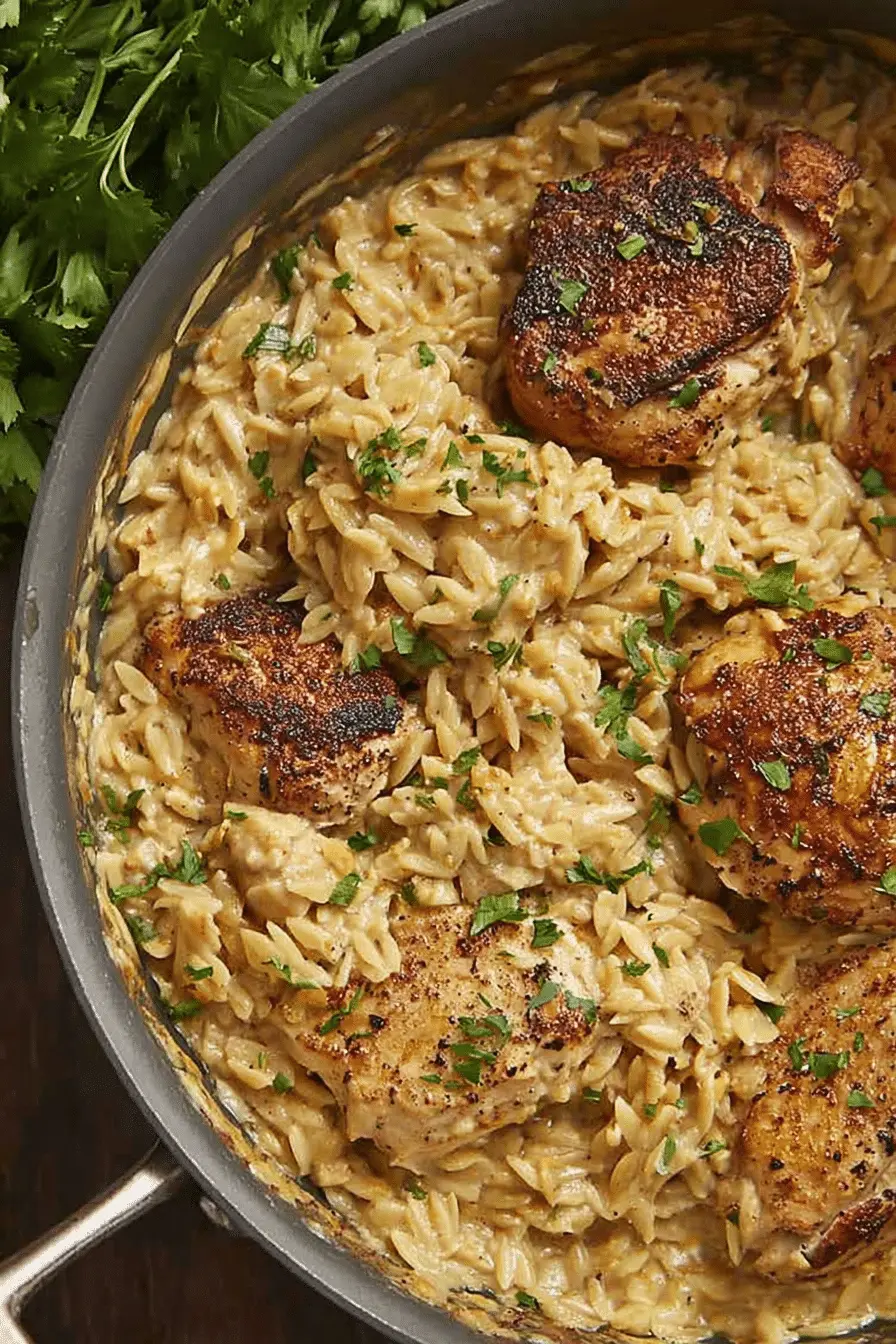
Creamy Chicken and Orzo Skillet: The Ultimate One-Pan Comfort Food
- Prep
- 15 min
- Cook
- 30 min
- Total
- 45 min
- Serves
- 4
- Calories
- 779 kcal
- Protein
- 34.00 g
- Carbs
- 49.00 g
On this page12 quick jumps
TOC
12 quick jumps
Introduction
This creamy chicken and orzo skillet is the sort of dinner I make when I want something comforting without wasting a whole evening in the kitchen. It’s buttery, a little tangy from the parmesan, and has that lush, spoonable texture everyone asks for. I make it on a weeknight when the kids have soccer practice or on a quiet weekend when I want to impress a friend without stress — either way, it reliably delivers warming, savory comfort in one pan.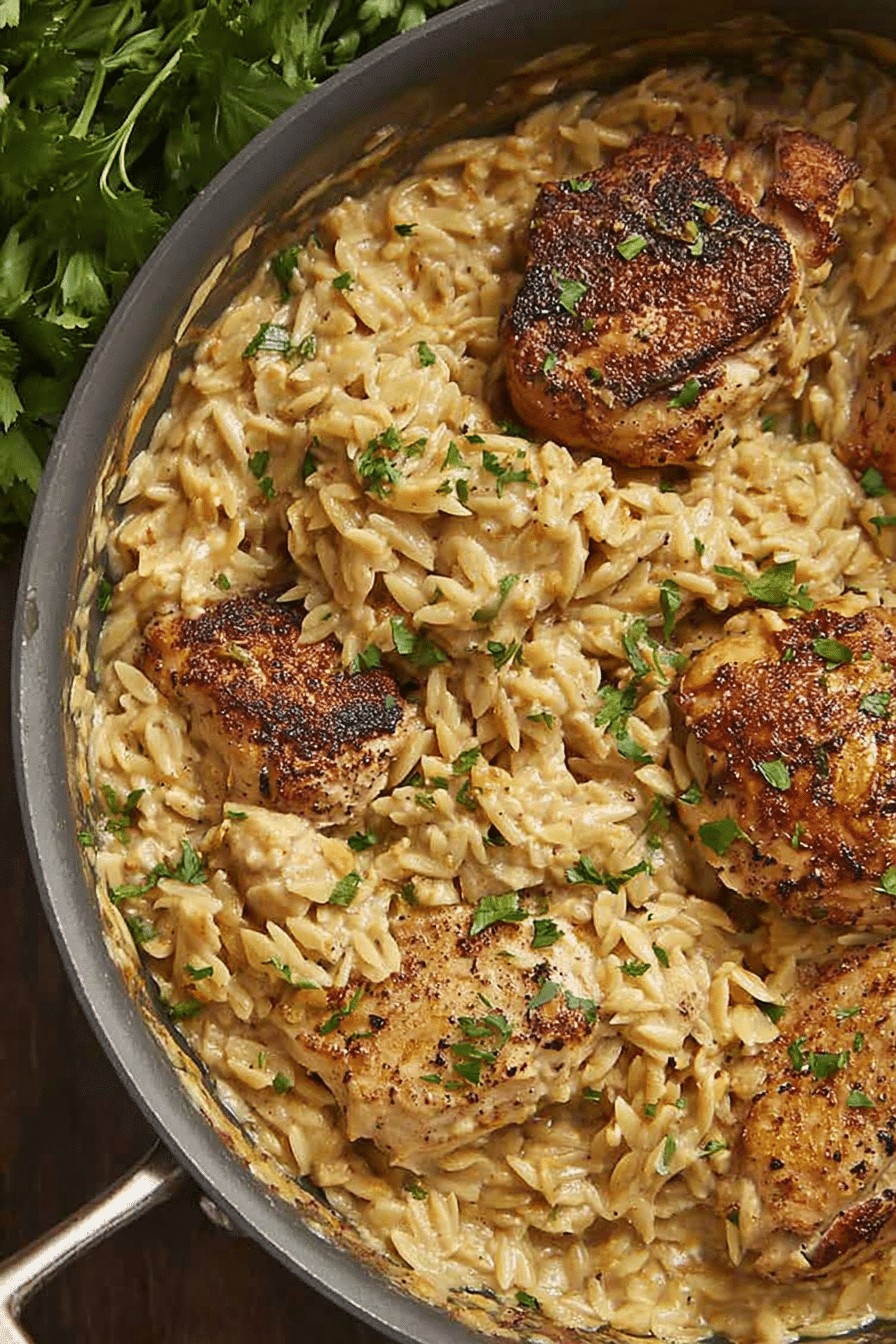
Ingredients You'll Need
Below are the ingredients I reach for every time I make this skillet. I list them conversationally here (no strict measurements in this section), and then I walk you through the exact amounts and the step-by-step method in the instructions. Consider adding seasonal vegetables like in our Broccoli Cheddar Orzo for a nutritious twist.- Boneless chicken thighs – juicy and forgiving; thighs stay tender even if you leave them on the heat a moment too long.
- Cooking oil – a neutral oil or olive oil to get good browning on the chicken.
- Onion – gives sweetness and depth when softened.
- Garlic – fragrant backbone for the sauce; a couple cloves go a long way.
- Orzo – tiny rice-shaped pasta that cooks up creamy and keeps the dish spoonable.
- Vegetable or chicken broth – the liquid base; homemade makes a big flavor difference.
- Heavy cream – adds silkiness; can be swapped for other dairy-free creams if needed.
- Butter – finishes the sauce, rounding flavors and adding gloss.
- Parmesan cheese – salty, nutty finish that thickens slightly as it melts into the cream.
- Dry herbs & spices – paprika, dried oregano, thyme, garlic powder, onion powder, salt and pepper to season the chicken and the pan.
- Parsley (optional) – a bright garnish that lifts the richness.
Step-by-Step Cooking Instructions
- Make the seasoning blend: Mix paprika, dried oregano, dried thyme, garlic powder, onion powder, salt, and pepper in a small bowl. This blend gives the chicken a fragrant, slightly smoky base — I often make a double batch to keep in a jar for other dinners.
- Prep the chicken: Pat 1.25 lbs of boneless chicken thighs dry with paper towels. Drying gives you better browning. Season both sides generously with the seasoning blend. You should see the spices cling to the meat; if they slide off, give the chicken a minute to sit so they adhere.
- Brown the chicken: Heat 2 tablespoons of cooking oil in a large deep skillet over medium heat. When the oil shimmers, add the thighs and cook undisturbed for about 5 minutes until the undersides are a deep golden brown. That deep, nutty aroma is your cue — flip and brown the other side for about 4–5 minutes. The goal is color, not full doneness; the orzo will finish the cooking. Remove the chicken to a plate — don’t discard the browned bits in the pan. Tip from experience: if your pan is crowded the chicken will steam and won’t brown. Work in batches or use a larger pan.
- Sauté aromatics: Turn the heat down to low and add the diced onion to the pan. Cook for about 3 minutes until translucent, then add minced garlic and sauté for another 30–45 seconds. You’ll notice the sharp raw garlic scent mellow into a warm, almost sweet smell — that’s when you know it’s ready.
- Add the orzo and deglaze: Stir in 1-1/2 cups of dry orzo and 1-1/2 cups of vegetable broth. Use a wooden spoon to scrape the browned bits from the bottom — those bits are concentrated flavor. Stir so the orzo is coated and starts to toast slightly; toasting gives a subtle depth. Nestle the browned chicken back into the pan on top of the orzo.
- Simmer covered: Cover the skillet with a lid, bring the liquid to a full boil over medium-high heat, then reduce heat to low and simmer for about 15 minutes. This is where attention matters: check after 12–15 minutes. The orzo should be tender and most of the broth absorbed. If the orzo is still firm and the liquid is gone, add a splash more broth and continue cooking a minute or two.
- Finish the sauce: Remove the chicken to a plate. Stir in 1/2 cup heavy cream and 2 tablespoons salted butter into the orzo over low heat until the butter melts and the cream heats through. The sauce will look looser at first but will thicken quickly and gain a glossy sheen.
- Add the cheese: Stir in 1/4 cup grated parmesan until fully incorporated. You’ll notice the sauce picks up a savory nuttiness and thickens into a silky, clingy coating that binds the orzo. Taste and adjust seasoning — if it tastes flat, try more salt rather than sugar. Acid (a squeeze of lemon) can brighten it if needed.
- Return the chicken and serve: Nestle the chicken back into the skillet to warm through for a minute or two, then garnish with chopped parsley if using. I slice the thighs in the pan so every bite has a bit of creamy orzo with the chicken.
Tips and Tricks for Best Results
I’ve tested this recipe several times and made the usual mistakes so you don’t have to. Here are the technical bits that really change the final dish.- Brown for flavor: Don’t rush the browning step. That crust on the chicken and the fond (those brown bits) are the foundation of the sauce’s flavor. If you skip browning, the final dish can taste flatter.
- Don’t overcook the orzo: Orzo can go from perfectly tender to mushy in a minute. Start checking at 12 minutes. Remember that it continues to soak up liquid off the heat and when you add the cream and cheese, so slightly undercooking by a minute or two is okay.
- Fixing a thin sauce: If your sauce ends up too thin, sprinkle in a small handful of extra parmesan off-heat and stir — the cheese will help thicken. Alternatively, simmer gently, uncovered, for a couple minutes to reduce.
- Saving a curdled sauce: If the cream looks grainy (curdled), lower the heat immediately and whisk in a splash of warm broth or a pat of butter to emulsify it back together.
- Salt at the right time: Add salt in stages: a little to the chicken, then taste and adjust after adding the parmesan. Parmesan and broth both bring salt, so be cautious early.
- Boosting brightness: A squeeze of lemon or a splash of white wine added with the broth brightens the whole dish and prevents it from feeling too heavy.
- Herb swaps: Fresh thyme or a handful of chopped basil at the end lifts the dish. I like parsley for color, but basil brings a softer, summer note.
Meal Prep and Make-Ahead Options
I often prep parts of this dish when life gets busy: chop the onion, mince the garlic, and measure the orzo. You can even marinate the chicken in the seasoning blend a few hours ahead for deeper flavor. If meal prepping is your goal, check out our recipe for Easy Chicken and Dumplings that stores well and is perfect for busy days.- Chop ahead: Dice the onions and mince garlic up to 2 days in advance and keep them in an airtight container in the fridge.
- Marinate chicken: Season the thighs and cover in the fridge for up to 24 hours — it deepens flavor but isn’t required.
- Assemble day-of: For best texture, don’t cook the orzo fully ahead of time; do the stovetop step the day you plan to serve so the sauce is fresh and silky.
- Storing leftovers: Refrigerate leftovers in an airtight container for up to 3 days. The sauce firms up in the fridge — reheat gently over low heat with a splash of broth to loosen it.
- Freezing: I don’t recommend freezing the finished dish because the cream and cheese can separate when thawed. If you must freeze, omit the cream and cheese before freezing; add them when reheating.
Dietary Variations and Substitutions
This skillet is easy to adapt depending on dietary needs without losing its soul.- Gluten-free: Use gluten-free orzo made from rice or corn. Cooking times may vary slightly; check the package and the orzo’s tenderness.
- Low-carb: Substitute cauliflower rice for the orzo. Cook it briefly in the skillet (about 4–6 minutes) and reduce the broth volume — cauliflower releases water, so start with less liquid.
- Dairy-free: Swap heavy cream for full-fat canned coconut cream or a cashew cream. Use a dairy-free butter or a neutral oil, and choose a dairy-free parmesan alternative or nutritional yeast to add savory notes. Note: coconut will give a faint coconut taste; cashew is more neutral.
- Higher-protein: Use boneless skinless chicken breast if you prefer white meat — just be mindful it cooks faster. Alternatively, fold in white beans at the end for extra protein and texture.
- Vegetarian: Replace chicken with seared large mushrooms or pan-fried tofu; use vegetable broth and add a splash of soy or tamari for umami.
Serving Suggestions and Pairings
When I serve this, I aim for contrast: something bright and crisp to cut the richness.- Garnish: Finish with a generous sprinkle of freshly grated parmesan and chopped parsley. A lemon wedge on the side is always welcome.
- Sides: A simple green salad with a vinaigrette provides acid and crunch. Crusty bread is perfect for sopping up the sauce.
- Vegetables: Roasted asparagus or blistered cherry tomatoes are fast and colorful companions.
- Beverages: A crisp white like Pinot Grigio or a light Chardonnay pairs well; for non-alcoholic, sparkling water with a lemon slice refreshes the palate.
Nutritional Information
Below is the approximate nutrition per serving based on the original recipe. Keep in mind that swaps and portion sizes will change these values. For a comforting and creamy meal, our Creamy Slow Cooker Tomato Tortellini Soup also offers great nutritional benefits.- Calories: ~779 kcal per serving
- Fat: ~50 g
- Carbohydrates: ~49 g
- Protein: ~34 g
- Fiber: Varies depending on additions — adding a vegetable side will increase fiber.
Conclusion and Final Thoughts
This creamy chicken and orzo skillet has become a go-to for me because it’s forgiving, flavorful, and only uses one pan — fewer dishes and more time at the table. The trick is the layering: brown the chicken, coax flavor from the aromatics, and finish with cream and parmesan for that silky finish. Expect a cozy, slightly indulgent dish that still feels homey and approachable. Try the variations, make it your own, and don’t be afraid to tweak the herbs and acid to suit your family’s palate. If you give this a try, I’d love to hear how you changed it — leave a comment with your swap or add a photo of your skillet night.Frequently Asked Questions
Can I use chicken breasts instead of thighs? Yes, you can use boneless chicken breasts instead of thighs. Just be aware that chicken breasts may cook faster, so adjust the cooking time accordingly to avoid overcooking. Is there a gluten-free option for the orzo? Absolutely! Look for gluten-free orzo made from rice or other gluten-free grains as a perfect substitute. Can I prepare this dish in advance? Yes! You can chop the vegetables and marinate the chicken ahead of time. Just store everything in the fridge until you’re ready to cook. What can I serve with creamy chicken and orzo skillet? This dish pairs well with a simple green salad, crusty bread, or roasted vegetables for a complete meal. How can I make this dish dairy-free? To make it dairy-free, you can substitute heavy cream with coconut cream or cashew cream and use dairy-free butter.Ingredients
- 1 tsppaprika
- 1 tspdried oregano
- 1 tspdried thyme
- 1/2 tspgarlic powder
- 1/2 tsponion powder
- 1/2 tspsalt
- 1/4 tsppepper
- 1.25 lbsboneless chicken thighs (4-5 thighs)
- 2 Tbspcooking oil
- 1 mediumyellow onion, diced
- 2 clovesgarlic, minced
- 1.5 cupsorzo
- 1.5 cupsvegetable broth
- 1/2 cupheavy cream
- 2 Tbspsalted butter
- 1/4 cupparmesan
Instructions
- 1
Combine the paprika, oregano, thyme, garlic powder, onion powder, salt, and pepper in a small bowl and mix well.
- 2
Pat the chicken thighs dry with a paper towel and season both sides generously with the seasoning blend.
- 3
In a large deep skillet over medium heat, add the cooking oil and the seasoned chicken thighs. Cook undisturbed for about 5 minutes until well browned, then flip and cook on the other side. Remove the chicken from the pan.
- 4
Lower the heat to low and add the diced onion and minced garlic. Sauté for about 3 minutes until the onions are translucent.
- 5
Stir in the orzo and vegetable broth into the skillet, ensuring to scrape the browned bits from the bottom. Return the chicken to the pan, nestling it into the orzo.
- 6
Cover the skillet with a lid, increase the heat to medium-high, and bring the broth to a full boil. Then reduce the heat to low and let it simmer for about 15 minutes, or until most of the broth is absorbed.
- 7
After approximately 15 minutes, check that the orzo is tender and most of the broth has been absorbed. Remove the chicken from the skillet.
- 8
Add the heavy cream and butter to the skillet. Stir and heat over low until the butter melts and the cream heats through.
- 9
Add in the parmesan and stir until well mixed.
- 10
Finally, return the chicken to the skillet. Optionally, garnish with parsley.
Recipe Card
Creamy Chicken and Orzo Skillet: The Ultimate One-Pan Comfort Food
Keep it handy for later, send it to someone cooking with you, or open the clean print view.
- Prep
- 15 min
- Total
- 45 min
- Serves
- 4
You might also like

The Skewers I Make Every BBQ — Halloumi, Apricot & Pistachio
May 20, 2026
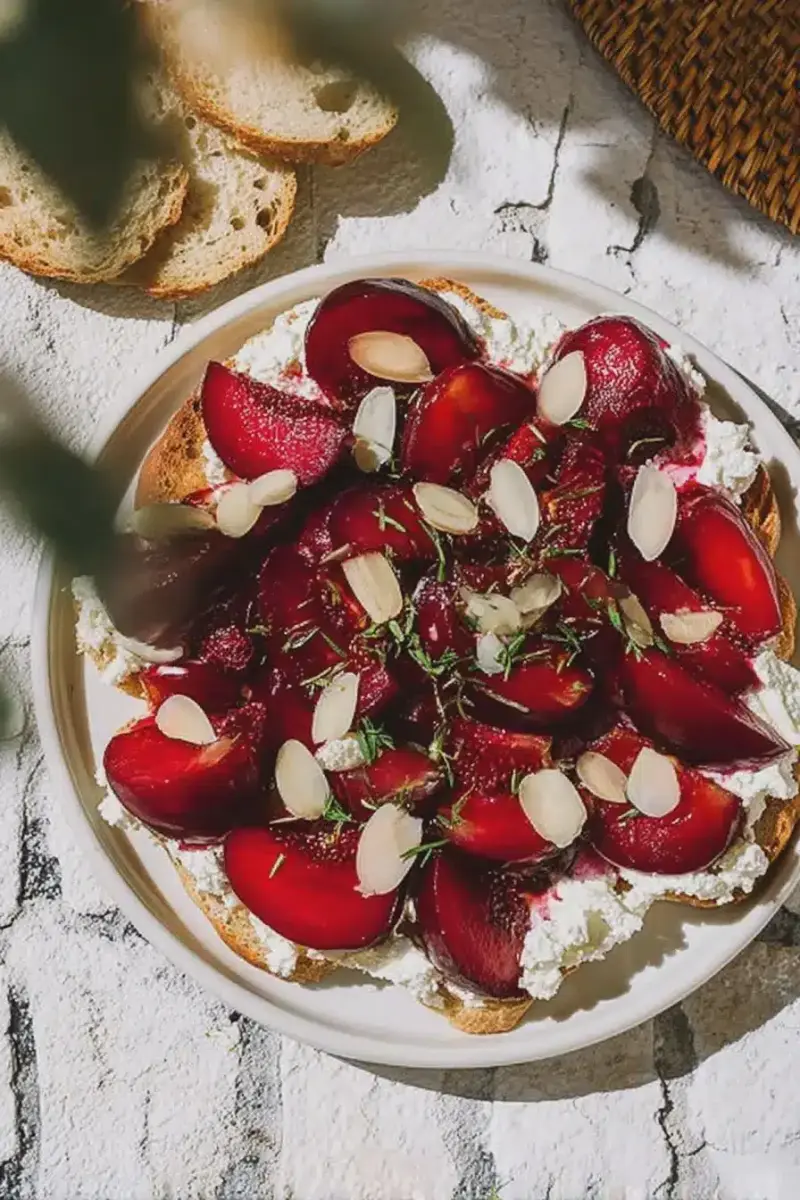
The Roasted Plum Crostini Appetizer I Make for Every Fall Gathering
May 20, 2026
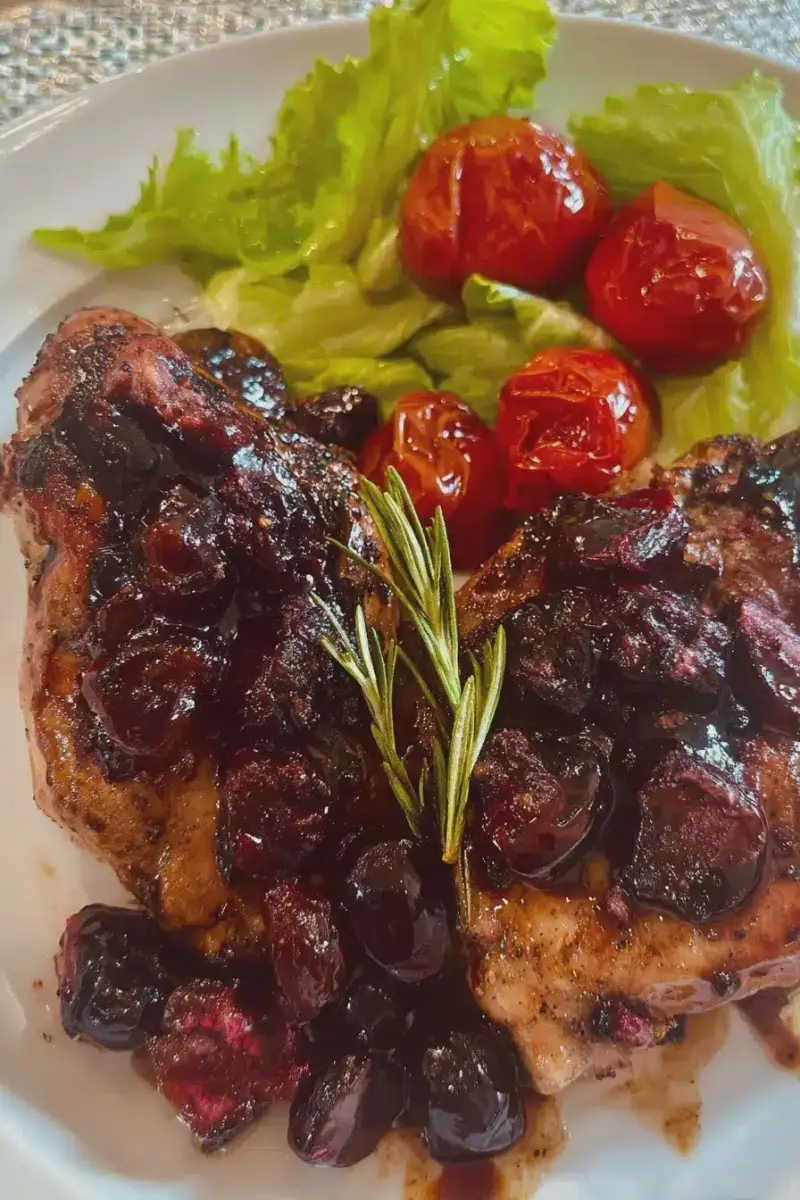
How I Make Cherry Chicken with Balsamic Rosemary Glaze in 40 Minutes
May 18, 2026

Favorite Party Bite — Balsamic Cherry and Goat Cheese Crostini
May 18, 2026
Reviews
Be the first to review this.