Poolside RecipeLunch
The Crispy Korean Spring Onion Pancake I Make Every Week
- Prep
- 10 min
- Cook
- 15 min
- Total
- 25 min
- Serves
- 4
- Calories
- 200 kcal
- Protein
- 4.00 g
- Carbs
- 26.00 g
- Fat
- 10.00 g
Introduction
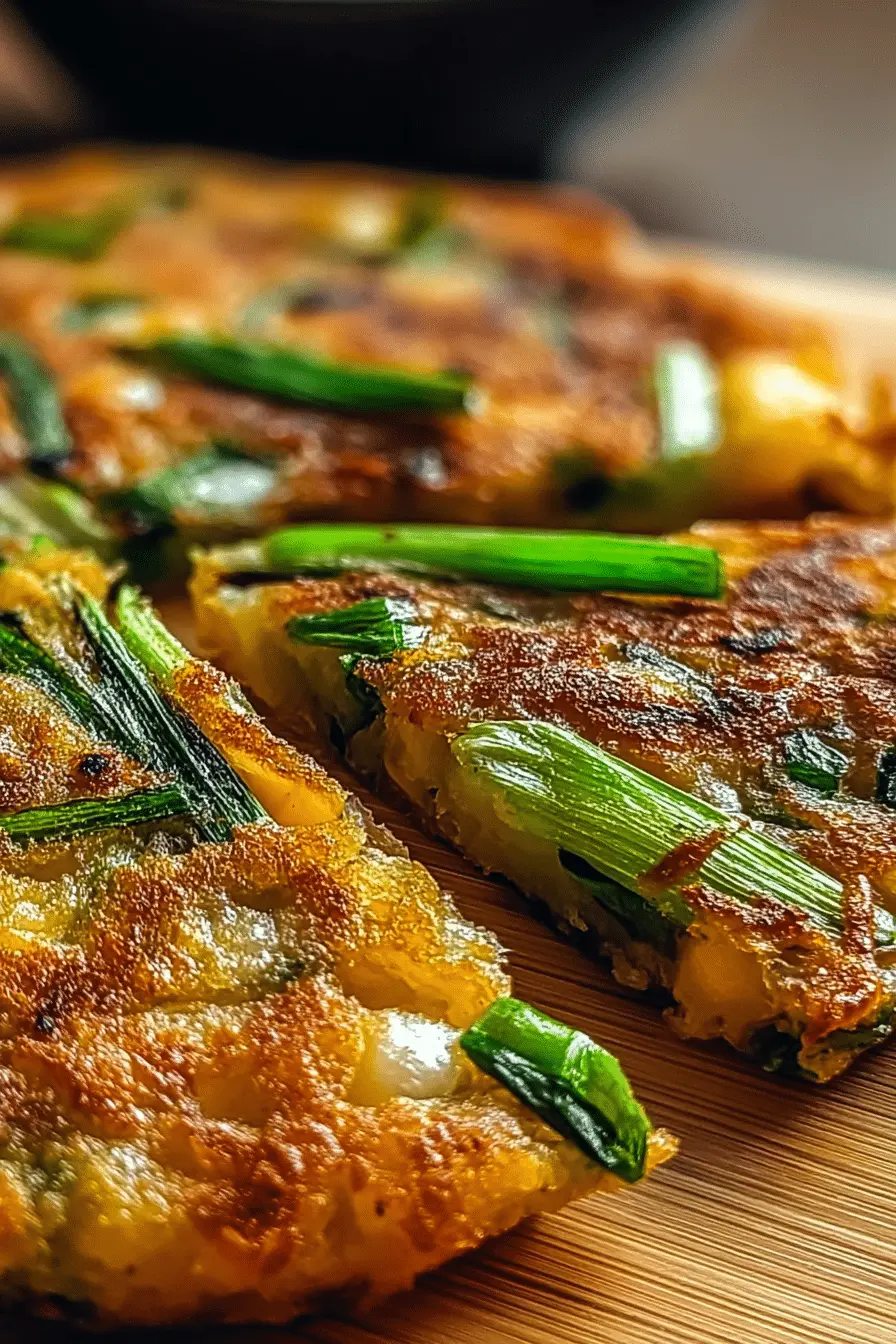
I started making these Korean spring onion pancakes as a quick weeknight fix and they became a staple in my kitchen. They come together rapidly, use ingredients I usually have on hand, and the contrast between the paper-thin edges and tender center keeps everyone coming back for more.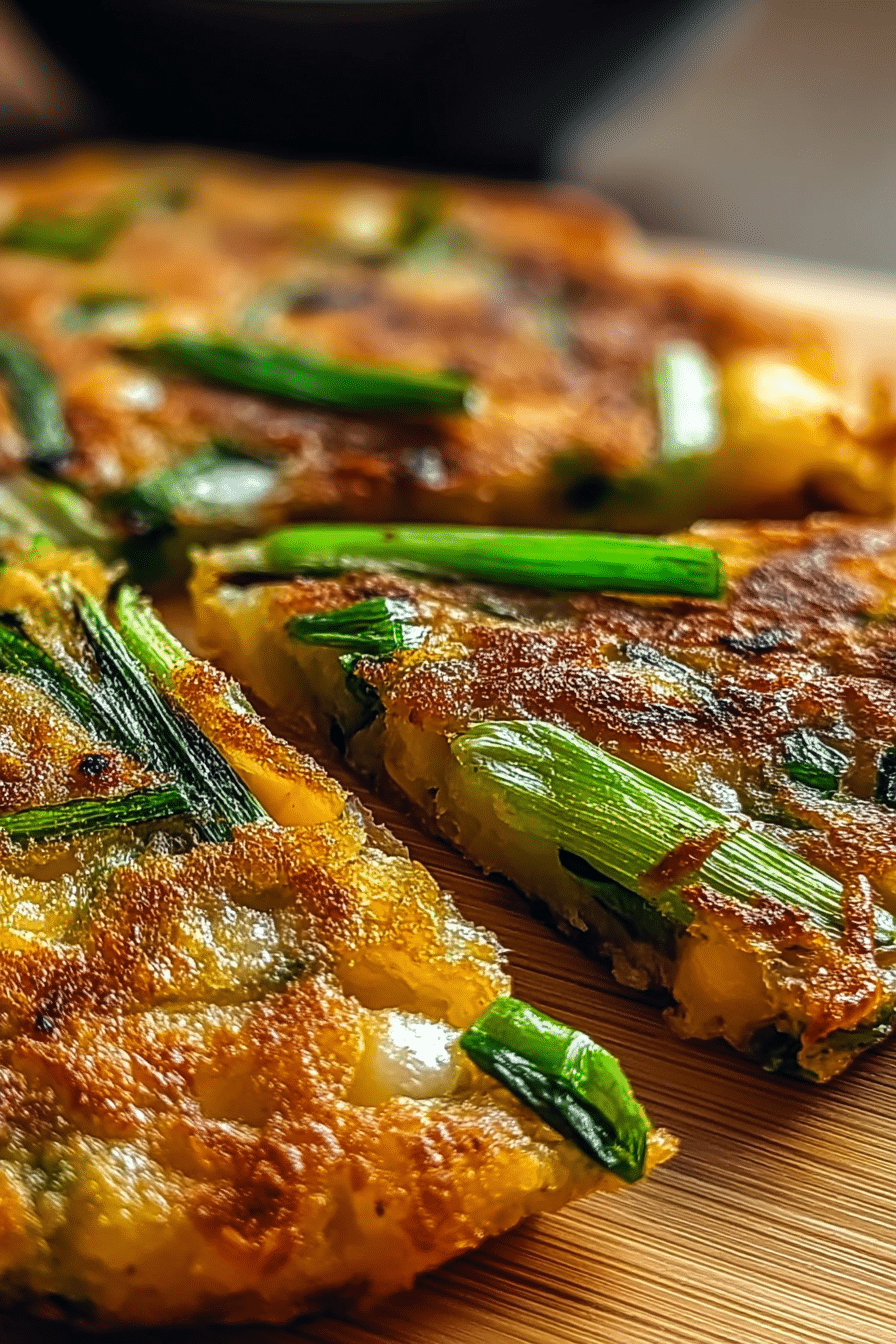
Why this crispy Korean spring onion pancake is perfect for busy home cooks
These pancakes are ready in under thirty minutes and require only a handful of pantry staples and fresh spring onions. The method is short and repetitive — mix, fry, serve — which makes it ideal for weeknights or when you want a quick appetizer with serious flavor. You can adapt the batter with whatever vegetables or proteins you have, so it's a low-stress way to use leftovers and still pull something impressive together. Picture thin, golden discs with lacy, crunchy edges and a tender interior flecked with spring onion. The sound of the edge breaking when you bite it is part of the appeal; the textural contrast keeps the pancakes interesting even if you serve them simply with a soy-based dipping sauce. Because the steps are compact and forgiving, you can focus on perfecting the sear without fussing over complicated technique.Everything You Need for Crispy Korean Spring Onion Pancake
Below I cover the ingredients conversationally so you understand each item's role and sensible swaps. When I say you can substitute, I mean practical, tested swaps that preserve texture and flavor.- All-purpose flour – The backbone of the batter; gives structure. For extra crunch, you can blend in a bit of potato starch or cornstarch.
- Cold water – Keeps the batter chilled so it crisps quickly when it meets hot oil; don’t replace this with warm liquid if you want a crunchy edge.
- Spring onions (scallions) – The star flavor: bright, slightly sweet, and fragrant. If you’re short, use a mix of green onions and some thinly sliced leeks.
- Salt – Simple seasoning that lifts the batter; you can add a pinch of garlic powder for extra depth if desired.
- Neutral oil (vegetable or other high-heat oil) – For shallow frying and crisping the edges; olive oil will smoke and change flavor, so avoid it for frying.
- Optional additions – Vegetables like shredded carrot or zucchini, small shrimp, or firm tofu pieces for protein. Use vegetables with low water content or squeeze excess moisture first to avoid sogginess.
The secret to a super-crispy edge
A truly crispy edge depends on three things: batter viscosity, surface dryness, and hot oil. Here’s why those matter and what to do about them.- The batter should be thin enough to spread into a lace-like edge; too thick and the pancake stays soft. A thinner batter gives more surface area for crisping.
- Letting the mixed batter rest briefly tightens the gluten just a touch and gives time for small bubbles to form — those bubbles help generate crispness when they fry.
- Hot oil immediately seals the batter’s outer layer, preventing excessive oil absorption and producing a brittle, golden rim. You want vigorous sizzle on contact, not smoke.
Why batter temperature and pan heat matter
Cooking is just applied chemistry; temperature controls how proteins and starches set. When a cold batter hits a hot pan, the exterior gelatinizes and browns fast while the inside cooks more slowly, so you get a crisp shell and a tender interior.- If the pan isn’t hot enough the pancake soaks up oil and becomes limp. If it’s too hot, the outside will brown before the inside sets — aim for steady, even heat.
- A non-stick pan helps prevent tearing during the flip and needs less oil; cast iron gives superior browning but requires that you manage the oil and heat carefully.
- Always preheat your skillet for a few minutes so the oil reaches the right temperature; you should hear a clear sizzle the moment the batter hits the pan.
How to Make Crispy Korean Spring Onion Pancake (Step-by-Step)
- In a bowl, stir the flour and salt together. Gradually add cold water while stirring until the batter is smooth and pourable; a slightly thin batter makes crisp edges.
- Fold in the chopped spring onions and any extra vegetables or protein you’re using; if you add watery veg, press it briefly in a cloth to remove excess moisture so the pancake won’t be soggy.
- Heat your skillet over medium heat and add enough oil to coat the surface. Test by dropping a tiny bit of batter — it should sizzle immediately without smoking.
- Pour a thin layer of batter into the pan and spread gently. Cook for about 3–4 minutes until the underside is golden and the edges look dry and lacy.
- Flip carefully with a wide spatula and cook the second side another 3–4 minutes until deeply golden and crisp. Adjust heat to keep the centers cooking through without burning the edges.
- Transfer to a rack or paper towel briefly to drain excess oil and serve immediately with a soy-based dipping sauce.
- Troubleshooting (I tested these fixes):
- If the pancake is greasy, your pan is too cool — raise the heat a notch so the batter seals quickly. I noticed this most when I tried to rush multiple pancakes at once without letting the pan reheat.
- If the center is uncooked while edges are dark, lower the heat and give the pancake an extra minute on the second side; thinner pancakes cook more evenly than thick ones.
- If flipping tears the pancake, run the spatula under it fully and loosen around the edges before flipping, or cook slightly longer so it firms up first.
Pro Tip for crispy korean spring onion pancake: Cold batter + hot pan = max crunch
- I always keep the batter chilled until the moment I spoon it into the pan; that temperature difference is what creates dramatic crisping on contact.
- Make sure the oil is hot enough to sizzle but not smoking — too-hot oil will burn the edges before the center cooks.
- Work quickly so the batter stays cool between batches, especially in warm kitchens; I stack finished pancakes on a cooling rack rather than a plate to keep air flowing under them.
Simple variations: add veg or protein (and a vegan swap)
- Shredded carrot or thinly sliced bell pepper for color and sweetness — squeeze out watery vegetables like zucchini before adding.
- Small shrimp or thin strips of cooked pork for extra umami; press proteins into the batter so they stay in contact with the pan.
- For a vegan swap, replace part or all of the wheat flour with chickpea flour or a mix that includes potato starch; chickpea gives a nutty depth and holds together well without eggs.
- Season variations: add a little toasted sesame oil to the dipping sauce, or a pinch of chili flakes in the batter for heat.
How to store, reheat, and serve leftovers
- Refrigerate cooled pancakes in an airtight container for up to two days; separate layers with parchment so they don’t stick.
- To re-crisp, heat a skillet over medium and warm each pancake for a couple of minutes per side — avoid the microwave if you want crunch.
- Leftover pancakes make great wraps or can be cut into strips and tossed into salads for texture — they hold up well to bold sauces.
Common mistakes to avoid when making pajeon
- Overmixing the batter — this develops gluten and makes pancakes chewy instead of tender; stir until just combined.
- Using watery vegetables without draining — excess moisture leads to soggy pancakes, so always squeeze or pat dry whenever possible.
- Not preheating the pan or using too little oil — both will prevent proper browning and crisping.
- Making pancakes too thick — thinner pancakes crisp better and cook more evenly through the center.
Cultural significance of pajeon in Korean cuisine
Pajeon is more than a snack in Korea — it’s a communal food often shared with family and friends. Historically, these savory pancakes were made to use seasonal scallions and vegetables and were simple to prepare for gatherings. They’re commonly eaten with makgeolli (milky rice wine), especially on rainy days when the sound of raindrops pairs with the sizzling of pancakes in the pan — many Koreans associate the two together. Serving pajeon is an expression of hospitality; you’ll often find it passed around at tables, shared alongside other banchan (small side dishes). Its flexible nature — accepting vegetables, seafood, or meat — speaks to Korean home cooking’s practical, communal roots.Frequently Asked Questions
What makes Korean pancakes crispy? The secret to crispy Korean pancakes is a balanced batter made with flour and cold water, and ensuring the pan is hot. A mix of flour, potato starch, or cornstarch can also enhance the crunch. How can I avoid soggy pancakes? To prevent sogginess, make sure to adjust the heat properly. If the pan is too hot, the pancake can burn; if it's too low, the batter may absorb too much oil. Always cook them fresh and serve immediately. Can I add vegetables or protein to the pancake? Absolutely! Feel free to get creative and add vegetables like bell peppers or carrots, or proteins such as shrimp or tofu for added flavor and nutrition. How do I store and reheat leftovers? Store leftover pancakes in an airtight container in the fridge for up to 2 days. To reheat, simply place them in a hot skillet for a few minutes on each side until they're warm and crispy again. What is pajeon, and how is it different from regular pancakes? Pajeon, or Korean scallion pancakes, are savory pancakes made primarily with scallions and a light batter. Unlike regular sweet pancakes, pajeon offers a unique savory flavor and crispy texture.Recipe Card
The Crispy Korean Spring Onion Pancake I Make Every Week
- Prep
- 10 min
- Cook
- 15 min
- Total
- 25 min
- Serves
- 4
- Calories
- 200 kcal
- Protein
- 4.00 g
- Carbs
- 26.00 g
- Fat
- 10.00 g
Ingredients
- 1 cupall-purpose flour
- 1 cupcold water
- 5-6fresh spring onions, finely chopped
- 1 pinchsalt
- 3 tablespoonsvegetable oil
Instructions
- 1
In a mixing bowl, combine flour and salt. Gradually add cold water while stirring until you achieve a smooth batter.
- 2
Fold in the chopped spring onions until evenly distributed.
- 3
Heat 2 tablespoons of vegetable oil in a non-stick skillet over medium heat.
- 4
Pour half of the batter into the skillet and spread it evenly; cook for 3-4 minutes until golden brown.
- 5
Flip carefully and cook for another 3-4 minutes until crispy on both sides.
- 6
Remove and keep warm while repeating with the remaining batter. Serve immediately with soy sauce or your choice of dipping sauce.
You might also like
Reviews
Be the first to review this.