

I’ve been baking decorated Easter cookies with family and friends for years, and what began as a simple afternoon project turned into one of my favorite spring rituals. In my kitchen we slice out pastel eggs, bunnies, and carrots while the house fills with the buttery, vanilla-scented air that only a fresh batch of cookie dough can make. Those small, sticky-fingered decorating moments have a way of becoming the stories we tell every spring.

I notice the differences in how families approach these cookies: some keep to classic egg shapes that echo old European spring traditions, while others invent playful marshmallow-tailed bunnies inspired by neighborhood candies. There’s a long cultural thread here — from ornate spring biscuits cut into religious and seasonal shapes to modern, playful twists — and that history makes each cookie feel like a tiny celebration of renewal and creativity.
When I teach friends how to decorate, I encourage them to treat the afternoon as an activity where mistakes are part of the fun. A smear of icing becomes a mountain or a field of sprinkles becomes wildflowers. Those imperfect cookies are the ones everyone fights over at the end of the party, because they’re made with laughter and hands-on learning. By the end of the day you’ll have a colorful platter to share, and kids will have practiced counting sprinkles, naming colors, and following simple piping lines — a subtly educational, joy-filled project that keeps everyone engaged.
Ready to make a batch? Below I walk through everything you need, the technique secrets that keep these cookies tender and buttery, and kid-friendly decorating ideas so your next family afternoon becomes a new tradition.
Everything You Need for Easter Cookies
This is where the idea of a colorful table really starts to come together: butter, simple extracts, icing, and the tools you’ll reach for again and again. I list the ingredients conversationally below — no measurements here, because this section focuses on purpose and substitutions so you can adapt the recipe to your household.
- All-purpose flour – Provides structure; swap to a gluten-free blend formulated for baking if needed.
- Baking powder – Gives a gentle lift so cookies stay soft instead of rock-hard.
- Salt – Balances the sweetness and amplifies the buttery flavor.
- Unsalted butter – The backbone of flavor and tender texture; choose high-quality butter for the best taste. Use dairy-free block butter if avoiding dairy.
- Granulated sugar – Keeps cookies tender and helps with spreading; see low-sugar swaps below.
- Egg – Binds the dough and adds richness; try flax egg or applesauce for vegan swaps.
- Vanilla extract – The comforting base note; citrus zest or almond extract are lovely flavor variations.
- Almond extract – Optional but adds a delicious, bakery-like lift; omit for nut-free diets.
- Royal icing or cookie glaze – Royal icing dries hard and is best for detailed piping; glaze sets softer and is faster for kids.
- Gel food coloring – Concentrated color without watering down icing; powdered colors are a good no-liquid option.
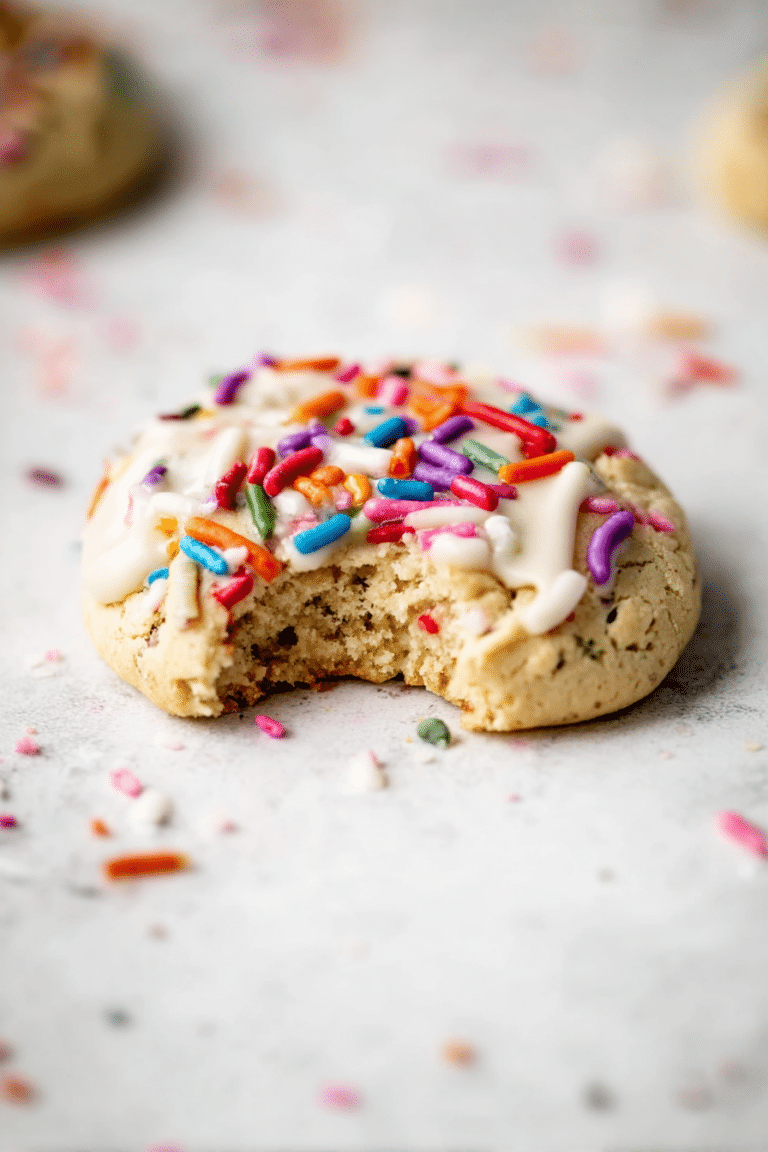
- Sanding sugar and sprinkles – Instant texture and sparkle; great for little hands to decorate with.
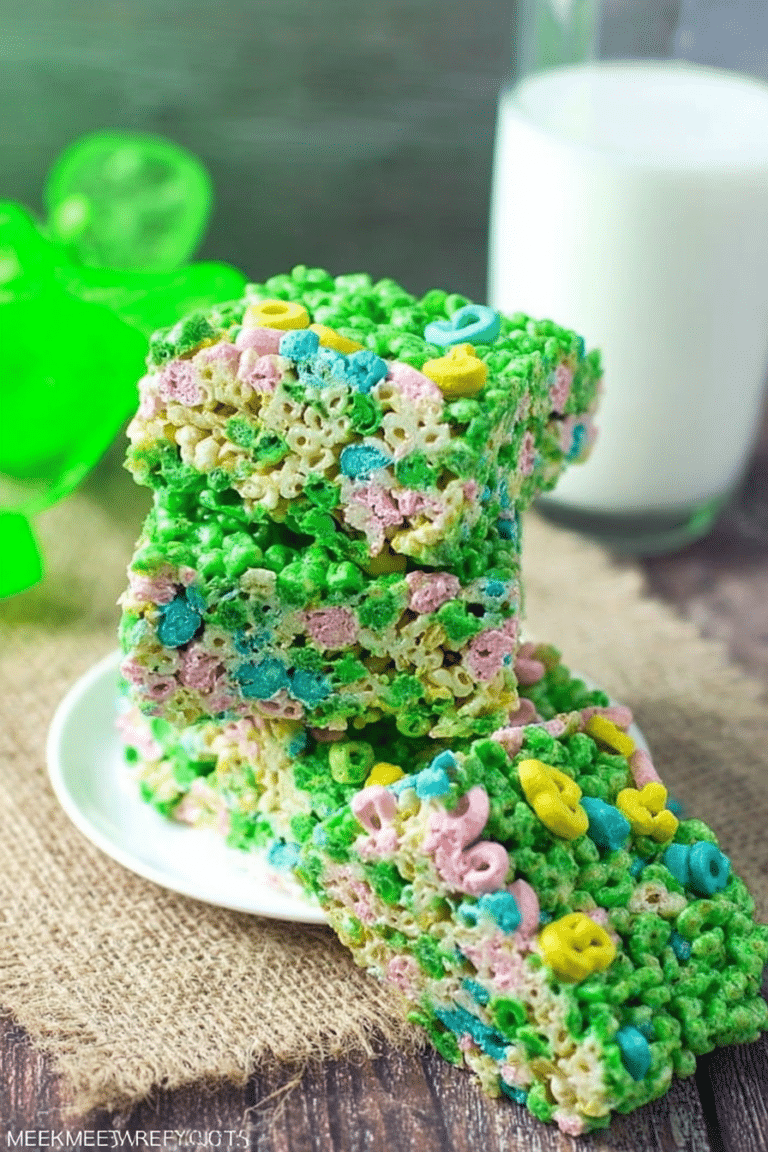
- Mini marshmallows – Halved for bunny tails and tiny accents.
- Essential tools – Rolling pin, cookie cutters in egg/bunny/carrot shapes, piping bags or squeeze bottles, a small offset spatula, and a cooling rack.
Sensory note: picture the pale dough on your floured board, the smell of vanilla as you mix, and a row of pastel icing bowls shimmering under the kitchen light.
The Secret to Soft, Buttery Cookie Texture
Softness is all about balance: temperature, aeration, and a patient chill. These are the technique points I rely on every time to keep cookies tender with slightly crisp edges.
- Use butter at room temperature so it creams smoothly with sugar and traps air for a lighter crumb.
- Bake leavening: a modest amount of baking powder creates gentle lift without making cookies cake-like.
- Don’t overwork the dough once the dry ingredients are added — mix until just combined to avoid gluten development that causes toughness.
- Chill the rolled dough before cutting to reduce spreading and keep shapes crisp; chilling also deepens flavor.
- Bake until the edges are just turning golden; that touch of color gives a slight snap while the center remains soft.
Tools & Icing Tips for Picture-Perfect Decorations
Getting sharp outlines, smooth floods, and bright colors is easier with the right tools and a few practiced techniques. Below are the essentials I reach for, plus icing-care tips so you don’t waste what’s left over.
- Piping tips – A small round tip (about a #2–#4) is ideal for outlines and small details; a slightly larger round works for flooding.
- Piping bags and squeeze bottles – Bags with couplers make switching tips easy; squeeze bottles are great for kids and quick fills.
- Consistency – Royal icing for outlines should be thicker; thin it slightly for flooding. Glaze should coat the back of a spoon before you flood.
- Wet-on-wet technique – Pipe dots or lines into flooded surfaces and drag a toothpick to create marbled eggs or floral patterns.
- Storage – Cover icing with plastic directly on the surface or store in airtight containers; it keeps for several days in the fridge. Leftover royal icing can be frozen in small portions and thawed gently.
- Cleanup tip – Keep a bowl of warm water and a cloth nearby to wipe tips and tools quickly between colors.
Color, Pattern, and Kid-Friendly Decorating Ideas
Kids love simple, repeatable tasks that make them feel artistic. Pair easy-to-follow patterns with counting or color-based games to make decorating both fun and educational.
- Easy patterns – Stripes, polka dots, zigzags, and simple floral centers are striking and beginner-friendly.
- Interactive stations – Set up base-flooded cookies and let kids add sprinkles, marshmallow tails, or piped faces; assign tasks like “add three sprinkles” to practice counting.
- Educational twist – Use color-mixing demonstrations to teach primary/secondary colors as you tint icing together.
- Textural accents – Sanding sugar, nonpareils, and halved mini marshmallows add tactile fun and shine.
- Design prompts – Give simple prompts like “make a bunny with three whiskers” to spark creativity without overwhelm.
How to Make Easter Cookies (Step-by-Step)
Follow these steps when you’re ready to make a batch with your family. These are written so you can read them aloud to helpers of any age.
- Whisk the dry ingredients in a bowl and set them aside so they’re ready when you cream butter and sugar.
- Cream butter and sugar until smooth, then add the egg and extracts; scrape the bowl and mix again to combine fully.
- Add dry ingredients on low speed and mix until just combined — the dough should be slightly soft but manageable.
- Divide dough into portions, roll each between parchment or silicone mats to about a quarter-inch thickness, and chill wrapped to firm up; this prevents spreading.
- Once chilled, cut shapes, place them on lined baking sheets spaced apart, and bake until edges are lightly golden. Cool briefly on the sheet, then transfer to a rack to cool completely before decorating.
- Prepare royal icing or glaze, divide into small bowls, and tint with gel colors. Pipe outlines first, then flood and add sprinkles or marshmallow tails while icing is still wet if desired.
- Allow decorated cookies to dry fully before stacking or packaging so designs remain intact.
Common mistakes to avoid:
- Rolling dough too thin — shapes can bake out too crisp.
- Skipping the chill — warm dough spreads and loses detail.
- Rushing icing — flooding with icing that’s too thick or too thin will create uneven surfaces.
- Not using gel color — liquid dyes can water down icing and change set times.
Pro Tip for easter cookies: Low-Sugar & Allergy-Friendly Swaps
Here are simple swaps that keep the spirit and texture of the cookies while accommodating dietary needs. These are bulleted for quick reference so you can choose the option that fits your family.
- Low-sugar sweeteners – Use erythritol or a baking blend designed to replace sugar; reduce sweetness slowly and taste as you go.
- Applesauce or mashed banana – Can replace part of the sugar and/or egg to lower overall sugar and fat, but expect a softer texture.
- Gluten-free flour – Swap for a cup-for-cup gluten-free baking blend that contains xanthan gum for structure.
- Dairy-free butter – Use a solid plant-based block butter for best creaming results; avoid oil-based spreads that are too soft.
- Egg replacements – Flaxseed meal mixed with water or commercial egg replacers work well for binding.
- Nut-free flavor – Omit almond extract and boost vanilla or citrus zest instead to maintain complexity.
These swaps will reassure you that delicious, festive cookies can be made to fit many dietary needs without losing charm.
How to Store, Make-Ahead, and Gift These Cookies
Practical prep and pretty packaging make these cookies excellent for gifting and for preparing ahead of time. Follow these steps for best results.
- Short-term storage – Store decorated cookies in an airtight container at room temperature; they stay fresh for about a week.
- Freezing baked cookies – Freeze cooled, undecorated cookies in a single layer on a tray, then transfer to a freezer-safe bag; thaw in the refrigerator before decorating.
- Freezing dough – Wrap portioned dough tightly and freeze for up to three months; thaw in the refrigerator before rolling and cutting.
- Transporting decorated cookies – Layer with parchment between cookies and pack snugly in a shallow box to protect decorations.
- Gift packaging – Use clear cello bags with pastel ribbon, or stack cookies in a shallow tin with a paper doily; add a small tag with the cookie name and any allergy notes.
Pro-Tips
- Roll dough between two sheets of parchment to eliminate extra flour dusting and to make transfer simple.
- Keep a damp cloth over unused icing bowls to prevent a skin from forming while you work on other colors.
- Use powdered food colors to avoid watering down your icing when you need very bright pastels.
Troubleshooting
- Dough too sticky: chill the dough longer or fold in a small additional dusting of flour.
- Cookies spreading too much: ensure dough is chilled and don’t over-grease the baking sheet.
- Icing cracking after drying: the icing was likely too thick when flooded; thin slightly next time.
- Colors bleeding: allow outline icing to set before flooding, or use thicker outlines.
Variations
- Citrus twist – Add lemon or orange zest to dough for a bright spring flavor.
- Spiced spring – Mix a small amount of cardamom or cinnamon into the dough for warm complexity.
- Chocolate-dipped – Dip half of cooled cookies in tempered chocolate and top with contrasting sprinkles.
Frequently Asked Questions
What makes these Easter cookies soft and buttery?
The combination of unsalted butter, granulated sugar, and the careful mixing of dry and wet ingredients creates a soft, buttery texture. Make sure to follow the chilling step to help achieve the perfect dough consistency!
Can I use different colors for icing decorations?
Absolutely! Feel free to use a variety of gel food colors to create vibrant decorations on your Easter cookies. It’s a fun way to personalize them!
How should I store my decorated Easter cookies?
Store your decorated cookies in an airtight container at room temperature. This will help keep them fresh for about a week! If they are not decorated yet, you can freeze the cookies for longer storage.
Can I make these cookies ahead of time?
Yes! You can prepare the cookie dough and freeze it for up to 3 months. Just thaw in the refrigerator before rolling and baking. Decorated cookies can also be made a few days in advance.
Are there any allergy-friendly substitutes I can use?
Yes! You can substitute gluten-free flour for regular all-purpose flour and use dairy-free butter. For egg replacements, consider flaxseed meal or applesauce to maintain texture!
Easter Cookies
Ingredients
Method
- Whisk the flour, baking powder, and salt together in a medium bowl. Set aside.
- In a large bowl, beat the butter and sugar together until creamy. Add the egg, vanilla, and almond extract and mix until combined.
- Add the dry ingredients to the wet ingredients and mix on low speed until combined.
- Divide the dough, roll out, and refrigerate for 1-2 hours.
- Preheat oven to 350°F (177°C) and prepare baking sheets.
- Bake cookies for 11-12 minutes or until lightly browned.
- Prepare royal icing and decorate the cookies as desired.