
Poolside RecipeBreakfast
How I Make Easy Monkey Bread for Busy Weekends
- Prep
- 25 min
- Cook
- 40 min
- Total
- 65 min
- Serves
- 12
- Calories
- 440 kcal
- Protein
- 5.00 g
- Carbs
- 61.00 g
- Fat
- 4.00 g
Introduction
I love making this easy monkey bread when the weekend gets busy and everyone wants something warm and shareable on the table. In my kitchen it’s the recipe I turn to when I want a dessert that feels homemade but doesn’t demand an afternoon of babysitting the oven. The aroma of cinnamon and brown sugar drifting through the house always gets everyone to the table a little faster.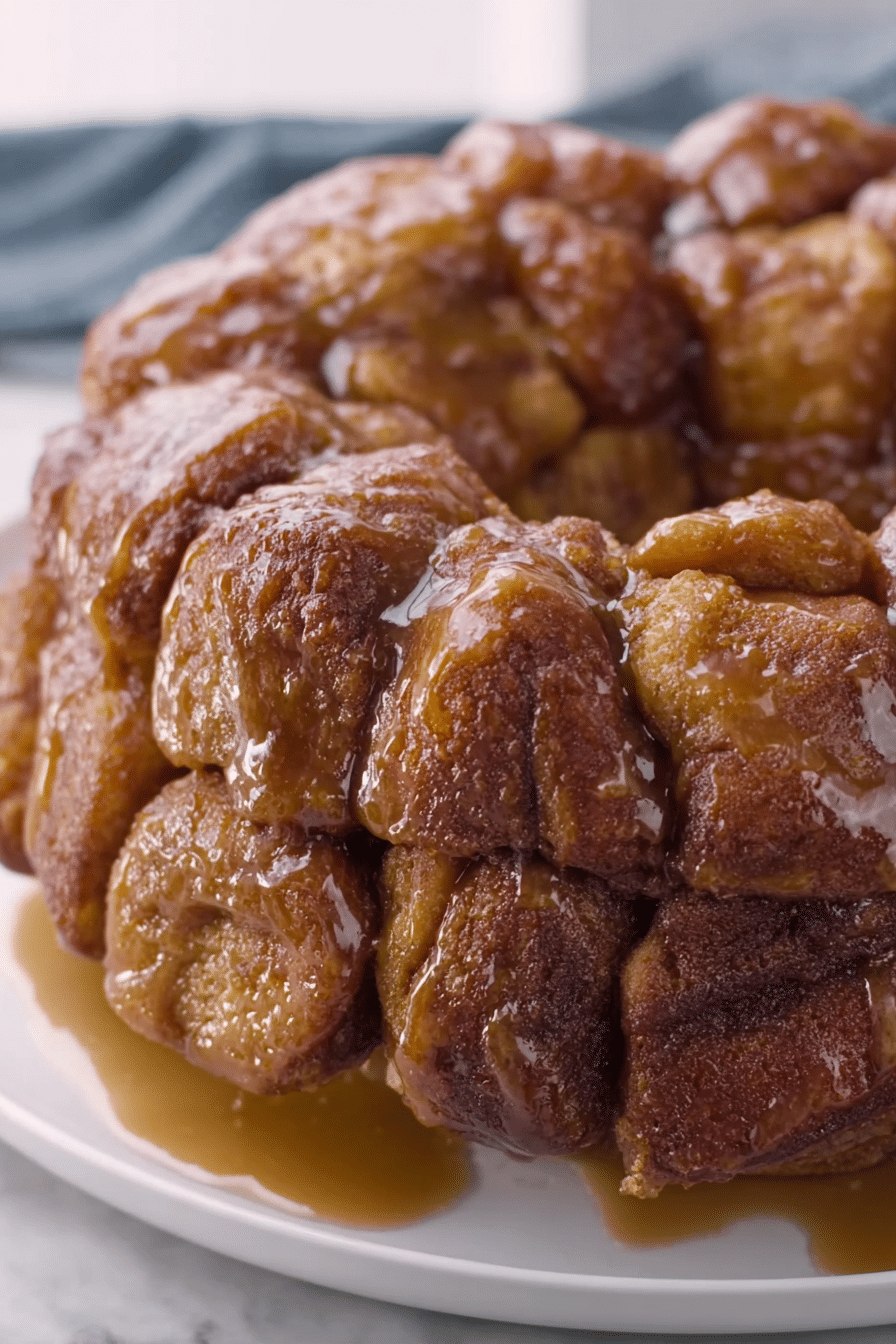
Why Easy Monkey Bread Is Ideal for Busy Weekends and Brunches
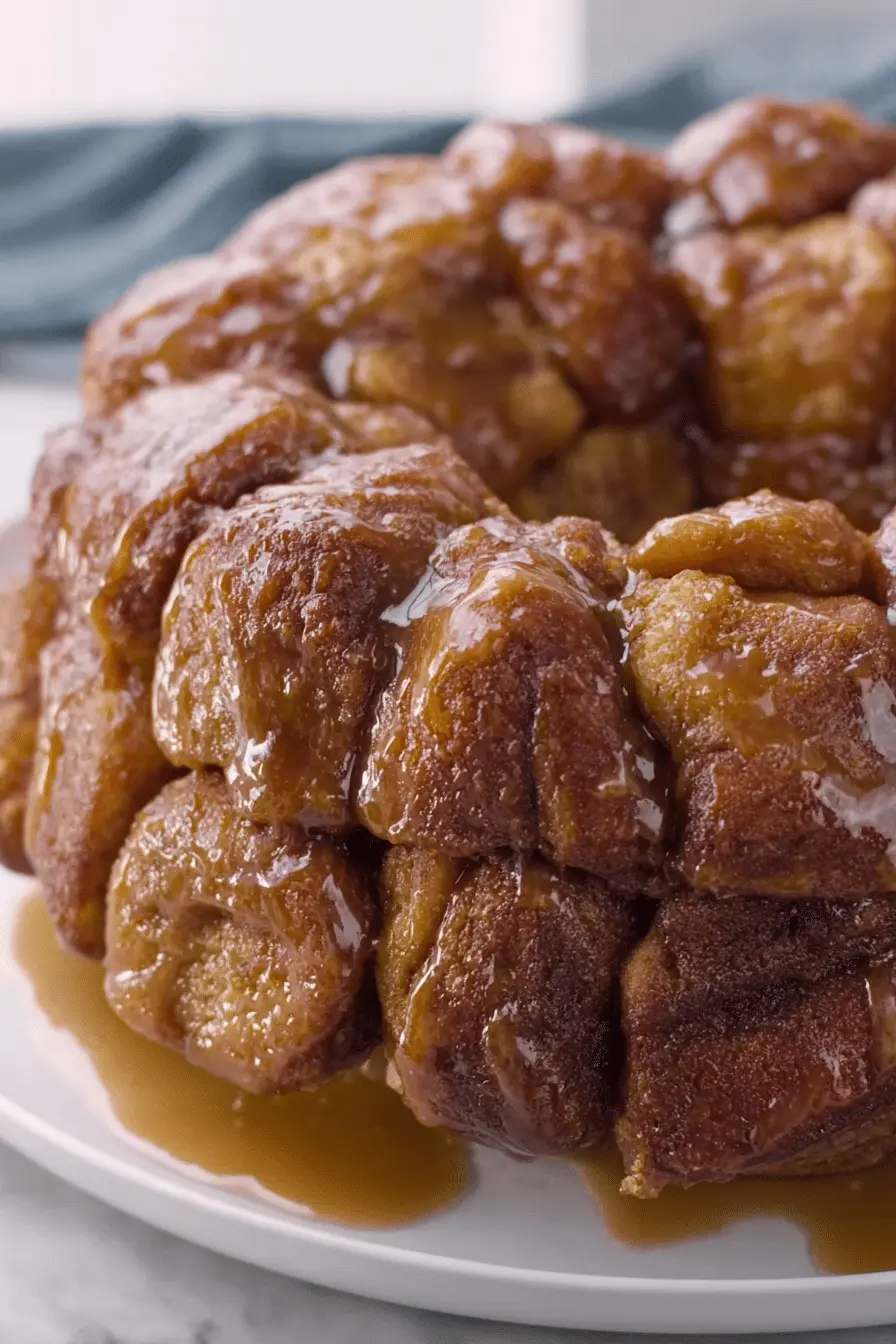
This recipe shines when you want something impressive without a lot of hands-on time. It comes together quickly because the dough is pre-made and the assembly is straightforward, so you’re mostly doing short, repeatable tasks instead of long, fussy techniques. It’s also a great family activity: kids can shake the dough pieces in a bag to coat them, and that simple, tactile job helps them feel involved. When I make this with family, the room fills with the smell of cinnamon and butter — a reliable signal that it’s time to gather. If you’re hosting, you can assemble parts of it ahead of time and finish baking when guests arrive, which cuts last-minute stress and keeps the kitchen calm. The finished loaf looks golden-brown and glossy from the caramel, and the first pull-apart piece reveals soft, gooey layers that are hard to resist.Everything You Need for Easy Monkey Bread
- Refrigerated biscuit dough – The shortcut that makes this recipe fast; it gives you consistent texture without rolling or proofing.
- Granulated sugar and cinnamon – Simple pantry basics, and using a good cinnamon makes the flavor pop.
- Brown sugar and butter (or margarine) – These create the caramel sauce that soaks into the dough and gives you that glossy, sticky finish.
- Optional nuts (walnuts or pecans) – Add crunch and a toasty note; chop them so they nestle between the pieces.
- Optional dried fruit (raisins, cranberries) – For chewy pops of sweetness that contrast with the caramel.
- Shortening or nonstick spray – For greasing the pan thoroughly so the bread releases cleanly after baking.
- Large plastic food storage bag – The fastest, least-messy way to coat the dough pieces evenly.
- Fluted tube pan (or bundt) – The classic shape helps the loaf bake evenly and makes it easy to invert onto a serving plate.
The Secret to the Perfect Pull-Apart Texture
Small, uniform dough pieces are the key to a consistent bake and the right balance of crisp outside and tender inside. If pieces are too large they can remain doughy in the center; too small and they dry out faster. I aim for bite-sized quarters so each piece cooks evenly and gives that satisfying pull-apart experience. Even coating in the cinnamon-sugar ensures every bite has the same flavor. When the sugar clings uniformly, your caramel topping can weave between the pieces rather than pooling in one spot, which helps the whole loaf hold together without becoming soggy. The butter and brown sugar mixture is what creates the caramel that soaks into the dough and crisps the top. Melt the butter gently so it doesn’t scorch, then whisk in the brown sugar until smooth. The warm, glossy sauce poured slowly over the arranged pieces helps everything bake into a cohesive, gooey loaf.Smart Swaps & Add-Ins: Nuts, Chocolate, and Fruit
If you need to accommodate dietary needs or just want to play with flavor, there are reliable swaps that keep the recipe easy and crowd-pleasing.- Gluten-free option – Use a gluten-free refrigerated biscuit or roll-style dough that’s designed for baking; the texture will be slightly different but still very pull-apart friendly.
- Vegan option – Substitute plant-based butter and use vegan biscuit dough where available; choose a sturdy vegan butter for the caramel so it doesn’t separate.
- Chocolate chips – Sprinkle small chocolate chips between layers for melty pockets of chocolate that pair wonderfully with the caramel.
- Dried fruit – Dried cranberries, raisins, or chopped dried apricots add chew and bright flavor contrasts.
- Spices and extracts – A touch of vanilla or a pinch of nutmeg can deepen the flavor without complicating the process.
- Fun flavor twist – For an unexpected texture, you can try folding in small pieces of a cinnamon-flavored hard candy; it melts into sweet shards that add interest to the caramel. For an added flavor twist, try incorporating our cinnamon hard candy into your monkey bread recipe.
How to Make Easy Monkey Bread (Step-by-Step)
- Preheat your oven and grease a fluted tube pan thoroughly with shortening or nonstick spray so the bread releases easily after baking.
- Mix granulated sugar and cinnamon in a large resealable plastic bag so you can coat the dough pieces quickly and evenly.
- Separate the refrigerated dough and cut each piece into uniform quarters; work in small batches so the coating covers each piece well.
- Coat the dough pieces by placing a few quarters in the bag, shaking gently until fully covered, then arrange them in the prepared pan.
- Sprinkle chopped nuts or dried fruit between layers as you arrange the coated pieces to distribute texture and flavor.
- Gently melt the butter over low heat; once fully melted, remove from heat and whisk in the brown sugar until smooth and combined, then slowly pour it over the arranged dough pieces so the caramel settles into the gaps.
- Bake until golden brown and no longer doughy in the center; test the center by gently pulling apart a piece near the middle — if it separates easily, it’s done.
- Let the loaf cool briefly in the pan, loosen the edges with a spatula, then invert onto a plate. If any pieces or caramel stick in the pan, tuck them back on top of the loaf before serving warm.
Pro Tip for easy monkey bread: Coat Dough in Batches for Even Caramel
- Coat the dough in small batches inside the bag to prevent large clumps and ensure even sugar coverage on every piece.
- Arrange coated pieces evenly in the pan so caramel flows between, not just on top; this gives better distribution of the sauce while baking.
- Keep nut and fruit pieces modest in size and scatter them between dough clusters so they toast instead of sinking.
- Uniform size matters: I trim or pinch pieces to similar dimensions so each bakes at the same rate and you avoid underdone centers.
Pro Tips
- I always grease the pan generously — a thin layer of shortening followed by a quick wipe ensures the caramel doesn’t lock the loaf to the mold.
- When melting butter, keep the heat low; I’ve scorched batches before and the bitter flavor carries through the whole loaf.
- Coating in batches keeps the cinnamon-sugar from clumping; I count out small handfuls so the bag has room to move.
- If you like a glossy top, pour the butter-brown sugar mixture slowly and use a spoon to coax it into any dry spots.
Troubleshooting
- If the loaf sticks to the pan, let it rest a few extra minutes to let the caramel settle, then run a thin spatula around the edges; tapping the pan can help release stubborn bits — I’ve used this trick more than once.
- If the center is doughy, the pieces were likely too large or the oven temperature was low; cut the dough into smaller pieces next time and check near the center before removing.
- If the caramel burns, the butter was overheated; start over with fresh butter and keep the heat very low when melting.
- If the loaf is soggy, the caramel pooled instead of soaking through — make sure pieces are evenly coated and arranged with some gaps for air to circulate while baking.
How to Store, Reheat, and Make-Ahead Easy Monkey Bread
- Cool the loaf slightly, then cover loosely with foil or plastic to keep it from drying. Store at room temperature for a day or refrigerate for up to a couple of days.
- To reheat, warm individual pieces in a microwave for short bursts or place the whole loaf in a low oven until warmed through so you restore the gooey center without over-drying the top.
- Make-ahead strategy: assemble the coated pieces in the pan, cover, and refrigerate overnight. Bake the next morning for a fresh, warm loaf with minimal morning prep.
- Need a quick morning complement? For a quick morning treat, prepare some blueberry oatmeal bars that can complement your monkey bread.
Variations
- Chocolate chip monkey bread: scatter small chips between layers for melty chocolate pockets.
- Savory twist: swap the cinnamon-sugar for a herbed butter and grated cheese for a pull-apart savory bread.
- Nuts and fruit mix: use pecans and dried cranberries for a holiday take on the classic.
- Vegan and gluten-free versions: use appropriate plant-based butter and specialty doughs as noted earlier.
- Icing drizzle: for dessert service, whisk a simple powdered sugar glaze and drizzle just before serving.
Serving Ideas: Brunch, Dessert, and Kid-Friendly Tips
Serve warm slices as the centerpiece of a brunch spread alongside coffee and tea. The sticky, pull-apart nature makes it a social dish — guests can tear off pieces and pass them around. For dessert, pair a warm slice with a scoop of vanilla ice cream or a light dusting of powdered sugar. Kids love it with sprinkles or a thin vanilla glaze for a party-friendly version. For a delightful brunch spread, consider pairing your monkey bread with lemon blueberry baked oatmeal. If you want to add a sweet touch to your brunch, serve carrot cake pancakes alongside the monkey bread.Cultural Context and Story Behind Monkey Bread
Monkey bread is often called pull-apart or sticky bread and has been a homey, communal treat in American kitchens for decades. Its ease of assembly and shareable nature made it popular for family gatherings, potlucks, and holiday breakfasts where people gather around a single centerpiece to tear off pieces. The variations you see today — sweet, savory, simple or extravagant — reflect its role as a flexible comfort food. Families have adapted it with regional nuts, dried fruits, and spices, which is part of why it feels so nostalgic: every household has its own small twist on the same idea.Frequently Asked Questions
What is the best way to coat the biscuit pieces in cinnamon sugar? The best way is to use a large plastic food storage bag. Mix the granulated sugar and cinnamon in the bag, then shake it to evenly coat the biscuit pieces in just a few batches. Can I make monkey bread ahead of time? Yes! You can prepare it the night before and store it in the refrigerator. Just bake it in the morning for a fresh, warm treat. What can I substitute if I don’t have walnuts or raisins? You can get creative! Try adding chocolate chips, pecans, or even dried cranberries as alternatives. How do I know when the monkey bread is fully cooked? You can check for doneness by gently pulling apart a piece near the center with a fork. If it separates easily and is golden brown, it's ready! What should I do if my monkey bread sticks to the pan? If it sticks, gently tap the pan to loosen it. Using a metal spatula to loosen the edges can also help. If any pieces are left behind, just put them back on top.Recipe Card
How I Make Easy Monkey Bread for Busy Weekends
- Prep
- 25 min
- Cook
- 40 min
- Total
- 65 min
- Serves
- 12
- Calories
- 440 kcal
- Protein
- 5.00 g
- Carbs
- 61.00 g
- Fat
- 4.00 g
Ingredients
- 1/2 cupgranulated sugar
- 1 teaspooncinnamon
- 2 cansrefrigerated Pillsbury™ Grands!™ Flaky Layers Original Biscuits (16.3 oz)
- 1/2 cupchopped walnuts (optional)
- 1/2 cupraisins (optional)
- 3/4 cupsalted butter (or margarine), cut into pieces
- 1 cupfirmly packed brown sugar
Instructions
- 1
Heat the oven to 350°F. Generously grease a 12-cup fluted tube pan.
- 2
In a plastic food storage bag, mix granulated sugar and cinnamon. Shake until combined.
- 3
Separate the biscuit dough into 16 biscuits, cut each into quarters, and coat in the cinnamon-sugar mix.
- 4
Arrange the coated biscuit pieces in the pan, sprinkling walnuts and raisins as desired.
- 5
Melt the butter and whisk in brown sugar, then pour evenly over the biscuit pieces.
- 6
Bake for 30-40 minutes until golden brown. Cool briefly before inverting onto a plate.
You might also like



Reviews
Be the first to review this.