Poolside RecipeLunch
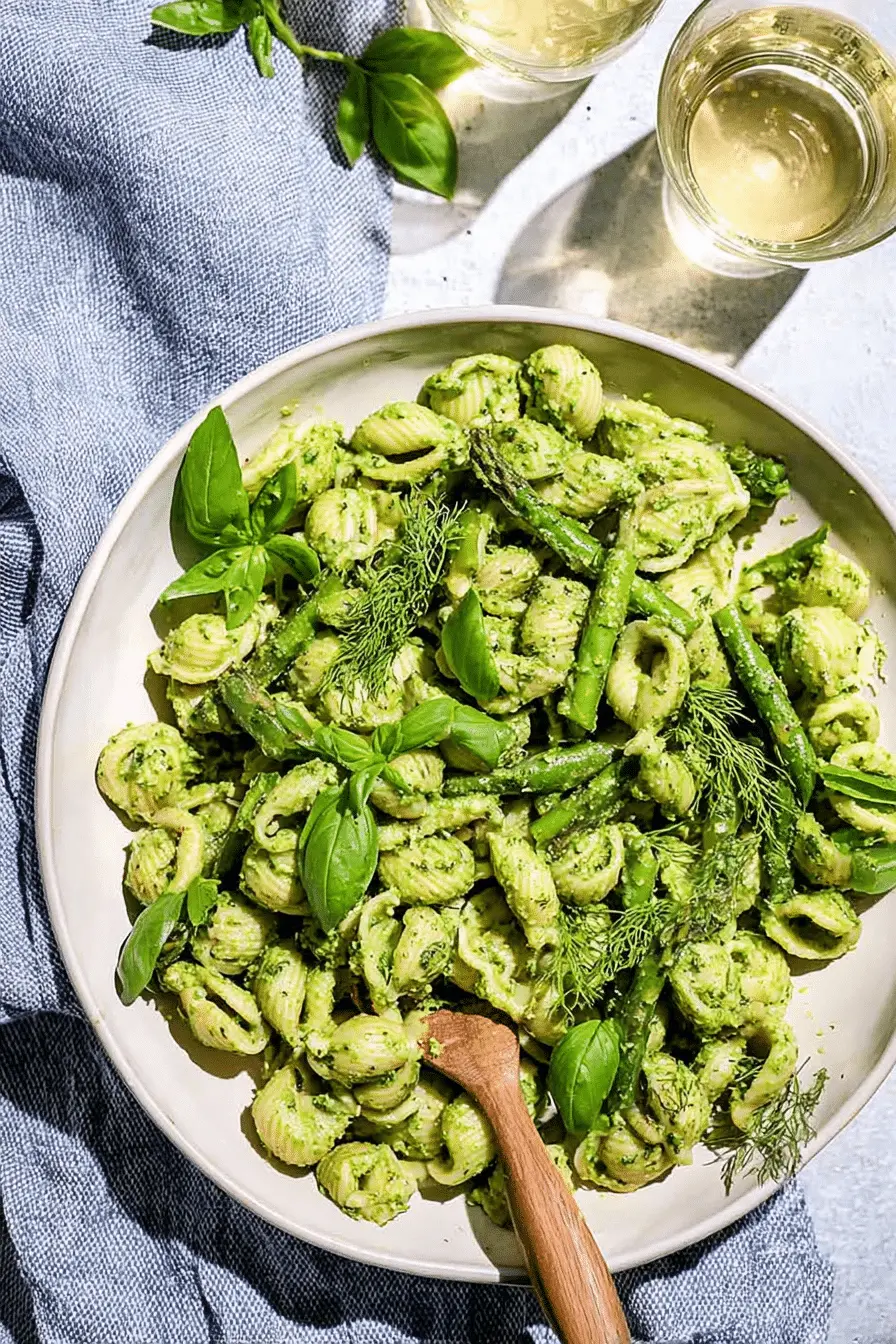
Green Goddess Pasta Salad
- Prep
- 15 min
- Cook
- 10 min
- Total
- 25 min
- Serves
- 8
- Calories
- 274 kcal
- Protein
- 11.00 g
- Carbs
- 47.00 g
- Fat
- 5.00 g
Introduction
I make this Green Goddess Pasta Salad all summer long whenever I need a side that looks like it belongs at a backyard picnic and tastes like it was tossed up by someone who loves fresh herbs. In my kitchen I lean on quick, bold techniques—blending herbs into a velvety dressing, timing the pasta and vegetables so everything keeps a little snap, and finishing with a bright hit of lemon. The result is always a bowl that disappears fast.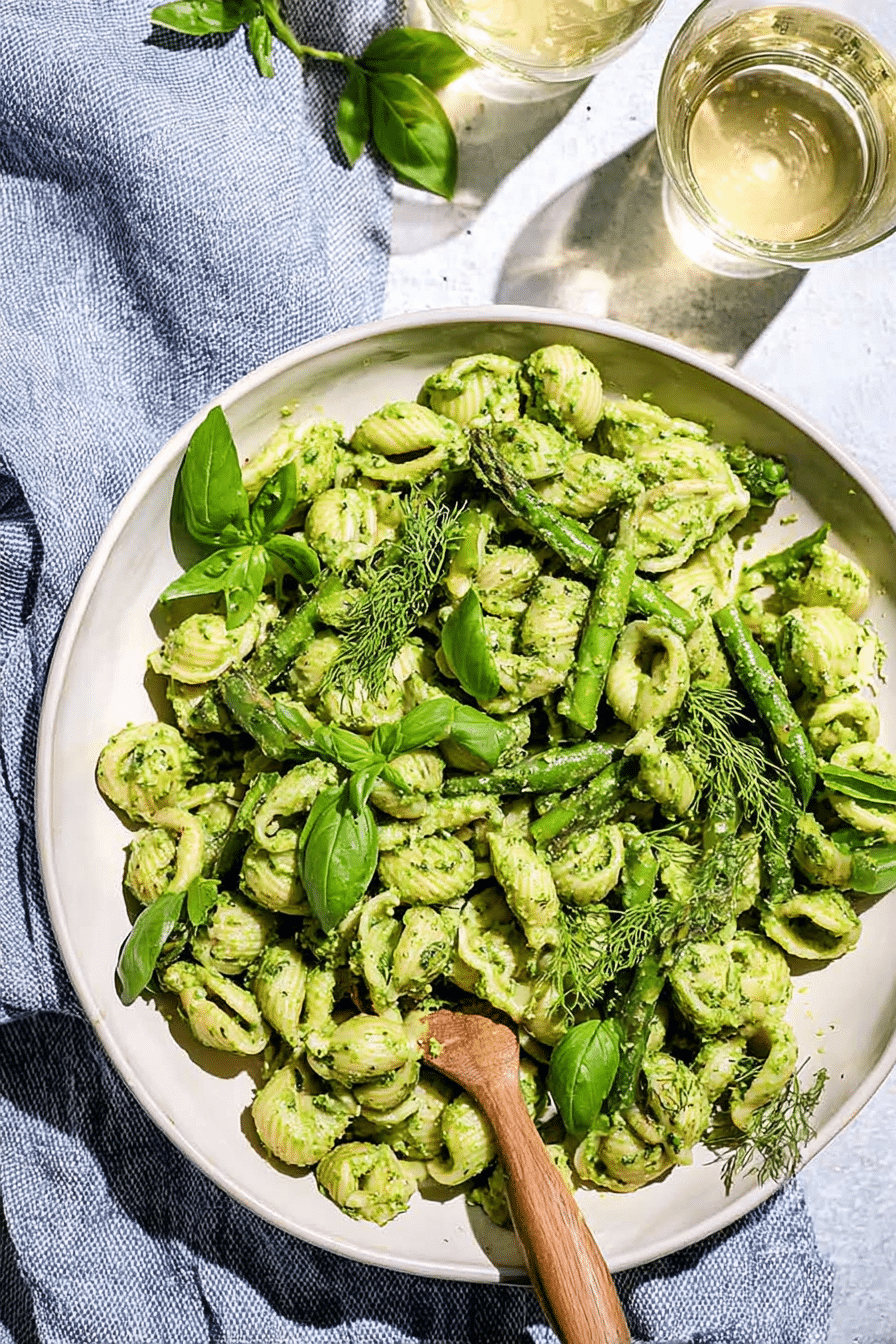
Why This Green Goddess Pasta Salad is Perfect for Summer Gatherings
This salad is seasonal, visual, and versatile—everything you want for picnics and potlucks. Picture a bowl of pasta dotted with bright green veggies and a lush, herby dressing that smells like the garden. It hits three important notes for group meals:- The ingredients are peak-summer fresh: tender asparagus and sweet peas pair with bright herbs for a cooling counterpoint to rich mains.
- It works as both a side and a main—serve plain as a vibrant accompaniment or add grilled chicken, shrimp, or chickpeas to make it a heartier dish.
- Guests notice color and texture first: the contrast between creamy dressing, al dente pasta, and crisp vegetables makes it an instant table centerpiece.
Everything You Need for Green Goddess Pasta Salad
Here’s what I recommend you have on hand. Use the ingredient notes to tailor the salad to your pantry and dietary needs—gluten-free pasta works beautifully if you need it.- Full-fat Greek yogurt – The creamy base that keeps the dressing rich without relying on heavy mayo.
- Garlic – Adds a savory backbone; roasted garlic is a mellow alternative if you prefer less bite.
- Extra virgin olive oil – Rounds the dressing and helps herbs emulsify.
- Fresh herbs – The soul of the dressing; basil, parsley, and dill each bring different aromatic notes.
- Fresh lemon juice – Brightens and balances the creamy base.
- Kosher salt & black pepper – Simple seasonings that make the other flavors sing.
- Lemon zest – A tiny amount adds a fragrant lift.
- Pasta (orecchiette, rotini, fusilli, or penne) – Choose shapes that hold dressing well; gluten-free pasta is an easy swap for GF diets.
- Asparagus – Adds a fresh, slightly grassy crunch; keep the woody ends trimmed.
- Frozen peas – Quick to cook and naturally sweet; thaw into the pot late so they stay bright.
- Red pepper flakes (optional) – For a faint shimmer of heat.
- Tools – An immersion blender or countertop blender makes the dressing silky; a large pot and a big bowl help with tossing.
How to Make Green Goddess Pasta Salad (Step-by-Step)
- Bring a large pot of salted water to a boil for the pasta; keep the heat lively so the pasta cooks evenly.
- Blend the dressing: combine yogurt, garlic, olive oil, fresh herbs, lemon juice, salt, pepper, and lemon zest. Use an immersion blender or a countertop blender and process until completely smooth and bright green.
- Add pasta to the boiling water and cook according to package directions. With a couple minutes left on the pasta, add the asparagus pieces and frozen peas so they blanch quickly with the pasta and stay crisp-tender.
- Drain the pasta and vegetables, then immediately transfer them to a large bowl. Let the mixture cool for a few minutes so the herbs in the dressing don’t wilt when combined.
- Toss the warm pasta with the Green Goddess dressing, then season with additional salt, pepper, and red pepper flakes if you like. Adjust acidity with a little extra lemon juice if the salad tastes flat.
- You can serve it slightly warm or chill it for later. For gatherings, I often refrigerate briefly and then give it a final toss before bringing it out so flavors have settled but textures remain lively.
- There’s also a short visual demo in the post showing the blending and tossing technique—watch it for tips on achieving the right dressing texture and how much warmth to leave in the pasta before tossing.
The Secret to Creamy Dressing and Fresh Herbs
The dressing’s creaminess comes from the yogurt base combined with olive oil and thorough blending. That blending is crucial: processed herbs release bright flavors and emulsify into the yogurt, producing a velvety texture rather than a chunky smear. I always:- Start with room-temperature yogurt so the oil emulsifies smoothly.
- Blend herbs thoroughly—with basil for sweet, peppery notes; parsley for green freshness; and dill for a bright lift you can smell immediately.
- Finish with lemon zest and juice for layered acidity that cuts through the creaminess.
Customizing Your Salad: Dietary Considerations
Make this salad fit your table by swapping a few elements; small changes keep the soul of the dish while accommodating diets and allergies.- Gluten-free: Use your favorite gluten-free pasta shape—it holds dressing well when cooked al dente.
- Dairy-free: Replace the yogurt with a thick plant-based yogurt or a blended tofu base to keep creaminess without dairy.
- Nut-free: The recipe as written is nut-free; if you like crunch, use toasted seeds instead of nuts.
- Lower-calorie: Use low-fat yogurt and reduce oil slightly, but keep a bit of fat so the herbs carry flavor.
- Protein additions: Grill chicken or shrimp, or stir in chickpeas for a vegetarian protein boost.
The Best Way to Serve and Store Your Pasta Salad
Serving temperature and storage matter for freshness and texture. I prefer the salad slightly chilled for summer service, but warmed just off the fridge so the dressing smells bright. Here’s how to keep it tasting its best:- Serving temperature: Serve lightly chilled or at cool room temperature; a fully heated salad loses the freshness of the herbs.
- Storage: Keep leftovers in an airtight container in the refrigerator for up to three days. The herbs will mellow over time—give the salad a fresh squeeze of lemon and a quick toss before serving again.
- Reheating: If you want it warm, gently warm only the portion you’ll eat; avoid microwaving the whole batch, which can make the pasta soggy and deaden herb flavor.
- Garnish ideas: Finish with extra chopped herbs, a few lemon wedges, or a drizzle of olive oil to brighten presentation just before serving.
Pro-Tip for Green Goddess Pasta Salad
- I prefer to let the salad rest for at least 20 minutes so the pasta absorbs the dressing slightly—this deepens flavor without wilting herbs.
- Balance acidity and salt carefully: a final squeeze of lemon and a pinch of salt right before serving wakes up the entire bowl.
- If you want a brighter color, shock the asparagus in ice water after blanching to lock in that vibrant green.
- For best texture, mix the dressing with warm—not piping hot—pasta so the herbs stay fresh and aromatic.
Variations to Try: Changing Up Your Ingredients
- Add grilled chicken, shrimp, or canned chickpeas for a protein-forward variation.
- Swap herbs: try basil-forward for sweetness, parsley-forward for neutrality, or dill-forward for a fresher, slightly anise-like note.
- Change the veg: blanched green beans, snap peas, or sautéed zucchini all work as seasonal switches.
- Make it Mediterranean: add halved cherry tomatoes, olives, and a sprinkle of crumbled feta.
- Make it spicy: fold in sliced pepperoncini or extra red pepper flakes for heat and tang.
Tips for Making Ahead and Meal Prep
Preparing parts of the salad ahead saves time and protects texture. I often do this for busy weekends and potlucks:- Make the dressing a day ahead and keep it chilled—herb flavors actually mellow and integrate nicely overnight.
- Cook pasta and vegetables, cool them quickly, and store together in the fridge; toss with dressing only a few hours before serving to avoid soggy pasta.
- Alternatively, store the dressing separately and combine at the event for the freshest texture; bring a small jar of lemon to adjust acidity at the last minute.
- For meal prep lunches, portion into containers and keep a little extra dressing on the side so you can refresh each serving.
Comparative Nutrition Information for Different Variations
When you adjust ingredients, the nutrition profile changes. Here’s a quick, practical comparison to guide choices:- Creamy (yogurt-based) dressing vs. oil-forward dressing: Yogurt-based dressings typically lower overall fat and can reduce calories while keeping a creamy mouthfeel; oil-forward dressings add more calories but increase satiety and carry fat-soluble flavors.
- Standard pasta vs. gluten-free pasta: Gluten-free pastas often have different carbohydrate sources (rice, corn, legumes) which can alter fiber and protein; choose based on dietary needs and cook to al dente to keep texture.
- Adding protein (chicken, shrimp, chickpeas): Proteins increase protein content substantially and make the salad more filling, with chickpeas adding fiber while animal proteins increase satiety with minimal carbs.
- Fresh herbs: Herbs add negligible calories but provide antioxidants and vitamins; they’re an easy nutrition boost for any version you choose.
Troubleshooting
- If the dressing separates, I usually whisk in a small splash of water or additional lemon and blend briefly to re-emulsify.
- If the pasta is soggy, it was likely overcooked; next time cook slightly less and rinse briefly under cold water to stop cooking if you’re not serving warm.
- If the salad tastes flat, I add a pinch of salt and a squeeze of lemon—acidity wakes up both herbs and yogurt.
- If herbs taste muted after chilling, add fresh chopped herbs right before serving to refresh aroma and color.
Frequently Asked Questions
What is green goddess pasta salad? Green goddess pasta salad is a vibrant and fresh dish made with orecchiette pasta, green vegetables, and a creamy Green Goddess dressing, perfect for summer gatherings. Can I use different types of pasta for this recipe? Absolutely! You can substitute orecchiette with rotini, fusilli, or penne based on your preference. How should I store leftovers? Store any leftovers in an airtight container in the fridge for up to 3 days. Enjoy it cold or at room temperature! Can I make this pasta salad ahead of time? Yes! You can prepare the pasta salad a few hours or a day in advance. Just keep the dressing separate until you're ready to serve for optimal freshness. What can I add for extra protein? You can add cooked chicken, shrimp, or chickpeas for an extra protein boost in your pasta salad.Recipe Card
Green Goddess Pasta Salad
- Prep
- 15 min
- Cook
- 10 min
- Total
- 25 min
- Serves
- 8
- Calories
- 274 kcal
- Protein
- 11.00 g
- Carbs
- 47.00 g
- Fat
- 5.00 g
Ingredients
- 5 ouncesfull-fat Greek yogurt ((about 2/3 cup))
- 2 clovesgarlic
- 2 tablespoonsextra virgin olive oil
- 1.5 cupsfresh herbs
- 2 tablespoonsfreshly squeezed lemon juice
- 0.5 teaspoonkosher salt
- 0.25 teaspoonfreshly ground black pepper
- Zest of 0.5 lemonlemon
- 16 ouncesorecchiette pasta ((sub rotini, fusilli, or penne))
- 1 bunchasparagus ((wooden end removed and cut into 1-inch pieces))
- 1 cupfrozen peas
- 1 teaspoonkosher salt
- 0.5 teaspoonfreshly ground black pepper
- 1 teaspoonred pepper flakes ((optional))
Instructions
- 1
Bring a large pot of water to boil.
- 2
With an immersion blender or in a blender, combine the Green Goddess ingredients. Blend until smooth. Set aside.
- 3
Add your pasta to the boiling water and cook according to package directions. When there is 2 minutes left on the pasta, add the asparagus and peas.
- 4
Drain off the pasta and veggies and place in a large bowl. Let cool for 5 minutes then add the sauce, additional salt and pepper, plus red pepper flakes (if using). Toss to combine.
- 5
You can serve now while still warm or place into fridge until ready to serve!
You might also like
Reviews
Be the first to review this.