
Oklahoma Nut Candy: A Classic Southern Dessert with a Chewy Twist
- Prep
- 60 min
- Cook
- 20 min
- Total
- 100 min
- Serves
- 30
- Calories
- 150 kcal
- Carbs
- 20.00 g
Introduction
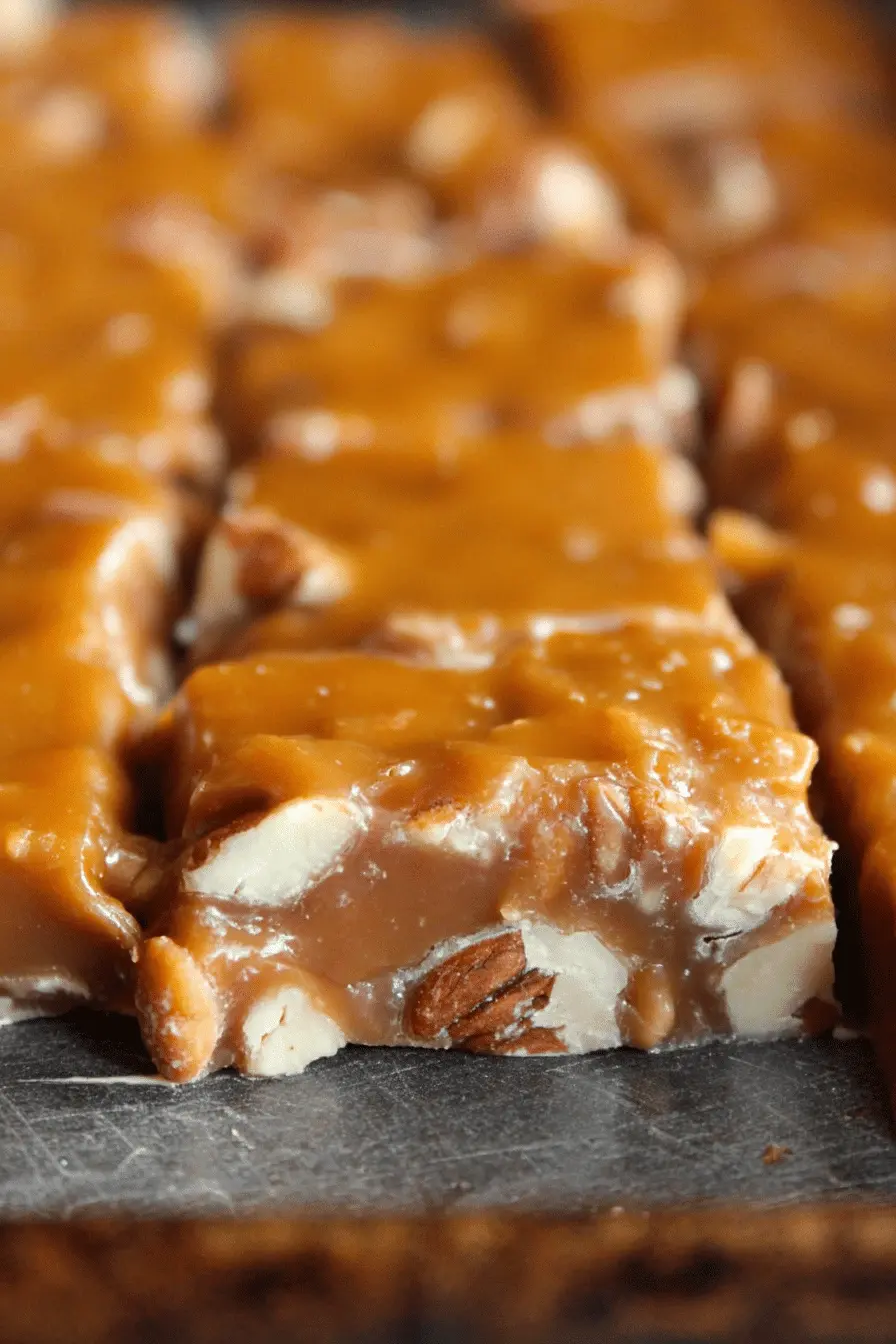
I first learned to make Oklahoma Nut Candy at my mother's kitchen table, watching a neighbor—Aunt Bill—stir a pot with a wooden spoon until caramel steam fogged the window. The smell that filled the room was the first thing that hooked me: warm, buttery sugar with that toasted nut note that says winter holidays and plates passed around living rooms. Oklahoma Nut Candy (aka Aunt Bill's Brown Candy) sits somewhere between a praline and a soft fudge — glossy, a little chewy, and loaded with chopped walnuts or pecans. It’s the kind of candy that’s as much about the memories as the taste.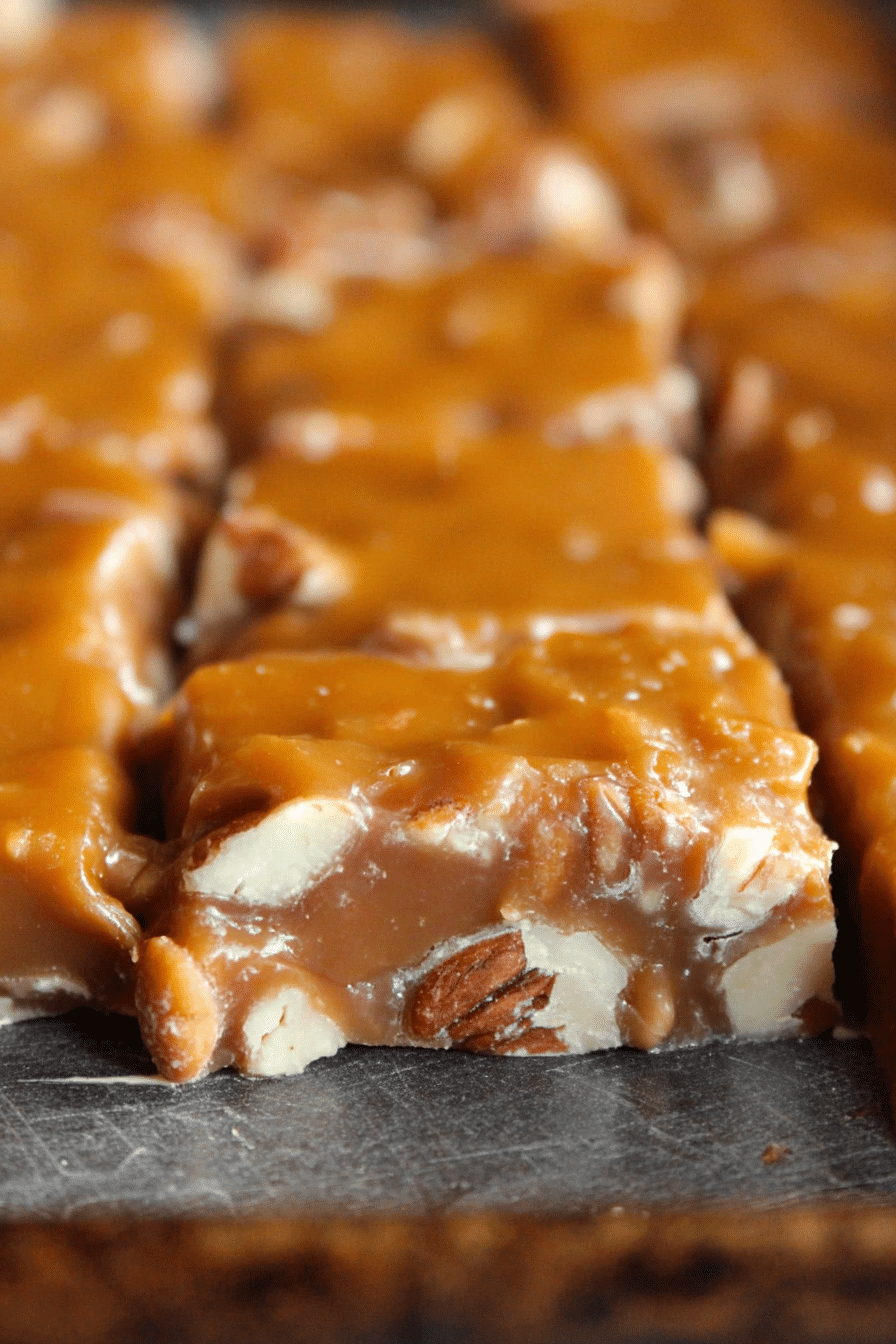
Ingredients for Classic Oklahoma Nut Candy
- Sugar – the backbone of the candy; provides structure and caramel flavor when cooked.
- Heavy cream – adds richness and a softer texture than water or milk; helps form a fudgy body.
- Unsalted butter – contributes gloss and a round, buttery mouthfeel; use unsalted so you can control salt level.
- Baking soda – introduces tiny bubbles that lighten the texture and give that characteristic tan color and delicate chew.
- Vanilla – finishes the flavor with warm aromatic notes; add at the end for the brightest flavor.
- Chopped walnuts or pecans – provide crunch, toasted flavor, and the nutty backbone; pecans are traditional in many Southern versions.
- Alternative nuts or seeds – for nut-free or different-flavor versions, try sunflower seeds or toasted pumpkin seeds; they give texture without tree nuts.
Step-by-Step Instructions to Make Oklahoma Nut Candy
- Grease a 9x13 baking dish and set aside.
- In a small saucepan (use a heavy-bottomed pan if you have one), pour in 2 cups of sugar and cook over low heat while stirring often. Cook until the sugar is completely melted, about 20 minutes. You’re watching for an even, amber melt; if crystals form on the sides, brush them back with a wet pastry brush or rinse the brush and wipe the sides carefully.
- As the sugar cooks down in the small pan, add the remaining 4 cups of sugar and the heavy cream to a large saucepan or Dutch oven — you want room because the mixture can bubble and foam. Simmer this mix over low heat until the sugar in your small pan has fully melted.
- Carefully add the melted sugar from the small saucepan into the large saucepan while stirring continuously. This blends the caramelized sugar with the cream-sugar base.
- Bring the heat up to medium and cook the combined mixture until it reaches 244°F (the softball stage). Use a reliable candy thermometer clipped to the pot. Expect this to take several minutes; the mixture will thicken and steam more heavily as it approaches the temperature. Stir frequently to prevent scorching, and keep the thermometer from touching the bottom of the pot.
- Remove from heat and immediately stir in 1/4 teaspoon baking soda until it’s completely combined. The mixture will sizzle and foam — that’s normal, and it’s what gives the candy its lighter texture.
- Add the butter and 1 teaspoon vanilla. Stir until the butter is fully melted and the mixture is smooth and glossy.
- Let the mixture rest for 20 minutes. This step helps it cool a bit and the sheen to dull; if you try to add nuts or pour immediately, the texture may not set properly.
- After the mixture has rested, fold in 1 1/2 cups chopped walnuts or pecans until the glossy sheen has mostly gone and the nuts are evenly distributed.
- Transfer the candy to the prepared 9x13 dish and spread it to the edges. Let it cool on the counter for 1–2 hours or overnight for the cleanest cuts.
- When fully set, cut into small squares to serve. This recipe yields about 30 servings.
Varieties of Oklahoma Nut Candy for Different Diets
I like to adapt this candy for friends and family with dietary needs. The base technique stays the same — cook sugar and cream (or substitute) to the right stage, add baking soda and fat — but the swaps let more people enjoy it.- Vegan – replace heavy cream with full-fat coconut milk and use a vegan butter or coconut oil in place of butter. Expect a slight coconut flavor; reduce to a milder plant milk if you don’t want coconut notes.
- Gluten-free – the classic recipe is naturally gluten-free, but watch cross-contamination if you’re using packaged nuts or seeds.
- Nut-free – swap chopped nuts for toasted sunflower seeds or roasted pumpkin seeds. Toasting seeds in a dry pan for 3–5 minutes brings out their flavor and gives the same satisfying crunch.
- Lower-sugar / portion-controlled – rather than changing the sugar amount (which will change texture), make smaller squares to reduce per-serving sugar. Candy chemistry makes major sugar reductions risky without a tested recipe.
Tips for Achieving the Perfect Texture
The line between chewy and brittle is mostly temperature and timing. Here are the troubleshooting tips I keep on a sticky note by my stove.- Use a candy thermometer – aiming for 244°F (softball stage) is the most reliable way to get the proper chew. Digital thermometers are faster and steadier than glass ones.
- Cook in the right pot – a heavy-bottomed pot distributes heat evenly and reduces scorching; thin pans create hot spots that will burn sugar.
- Don’t rush cooling – rest the mixture off the heat before adding nuts; this helps the sugar matrix relax so it sets correctly.
- If your candy is too soft – it likely didn’t reach 244°F or cooled too quickly; you can gently reheat to temperature and try again, but be careful to avoid burning.
- If it’s too hard or brittle – you overshot the temperature. For future batches lower the heat as you approach 240°F and stir constantly.
- Prevent crystallization – keep the pot sides clean of stray crystals by periodically wiping with a wet pastry brush or using the melt-then-combine technique described above.
Historical Significance of Oklahoma Nut Candy
Oklahoma Nut Candy sits in a family of American confections that trace their roots to Southern pralines and the fudge-like candies made by home cooks in the early 20th century. In Oklahoma, this candy became associated with community gatherings, church bake sales, and holiday gift boxes — a quick, affordable way to share homemade sweets. The nickname "Aunt Bill's Brown Candy" often appears in family recipe boxes and newspaper clippings; in small towns, a recipe like this would be passed neighbor-to-neighbor and slightly altered depending on which nuts were on sale that year. There’s a practical story behind its longevity: the ingredients are pantry staples, and the technique doesn’t require tempering chocolate or delicate eggs. It’s forgiving and scalable, so households could make a big batch for holiday giving without special equipment. Over the decades, the recipe has evolved with swaps for different nuts and, more recently, plant-based creams, but the fundamental caramel-and-nut profile remains the same.Storage and Shelf Life of Oklahoma Nut Candy
Real talk: this candy is best within the first week. It’s delicious right after it sets and gets a little chewier and more compact as it ages.- Room temperature – store in an airtight container layered with parchment paper. Kept in a cool, dry place away from direct sunlight, it will stay pleasant for up to 2–3 weeks, though the first week is peak.
- Refrigeration – not necessary and can dry the candy out. If you live somewhere warm, refrigerate in an airtight container, but let pieces come to room temperature before serving so they soften up.
- Freezing – wrap squares individually in plastic and freeze in a sealed container for up to 3 months. Thaw in the fridge or at room temperature; some moisture separation may occur but flavor holds up well.
- Signs of spoilage – rancid nut smell, obvious mold, or an off flavor mean you should discard the batch. Sugar itself doesn’t spoil quickly, but nuts will go stale or rancid.
Serving Suggestions and Pairing Ideas
I like to serve small squares of Oklahoma Nut Candy on a dessert tray alongside other small sweets and nuts. It’s sweet and rich, so a little goes a long way.- Pair with strong coffee — the bitterness of a dark roast balances the sweet, buttery candy.
- Serve with black tea or lightly spiced chai; the spices cut through the sweetness and echo the warm vanilla notes.
- Include as part of a holiday candy assortment with cookies, fudge, and spiced nuts for texture contrast.
- Gift in small boxes layered with parchment; the homemade touch makes it a favorite neighbor gift.
Frequently Asked Questions
What is Oklahoma Nut Candy? Oklahoma Nut Candy, also known as Aunt Bill's Brown Candy, is a delicious treat that combines a praline-like flavor with a fudge-like texture, making it a beloved dessert particularly in Oklahoma. Can I use other nuts for this candy? Absolutely! While the recipe traditionally uses walnuts or pecans, you can experiment with other nuts like almonds or even a nut-free option by using sunflower seeds. How do I know when the candy is cooked to the right temperature? The candy mixture should reach 244 degrees F, which is known as the softball stage. Use a candy thermometer to check the temperature for best results. How should I store Oklahoma Nut Candy? Store the candy in an airtight container at room temperature to keep it fresh. It can typically last for a few weeks, but best enjoyed within the first week! Can I make this candy vegan? Yes! You can replace the heavy cream with a plant-based milk and use a vegan butter substitute to make a delicious vegan version of Oklahoma Nut Candy.Conclusion and Final Thoughts
Oklahoma Nut Candy is one of those recipes that rewards attention more than complexity. The ingredients are simple; the skill is in the timing. Expect to pay close attention as the pot comes up to temperature, give the mixture a proper rest before adding nuts, and be patient while it cools. If you follow the thermometer and the cues — the smell of caramel, the sheen that dulls after resting, the small foam when baking soda hits — you’ll come away with glossy, chewy squares that taste like the holidays. I make this to bring to potlucks and to tuck into little cellophane bags for neighbors. If you try it, leave a note about what nuts you used or any small tweak that worked — I’m always swapping in pecans when I can find them on sale. Candy-making is as much trial and memory as it is chemistry, and that’s why I still love making this in my kitchen.Recipe Card
Oklahoma Nut Candy: A Classic Southern Dessert with a Chewy Twist
- Prep
- 60 min
- Cook
- 20 min
- Total
- 100 min
- Serves
- 30
- Calories
- 150 kcal
- Carbs
- 20.00 g
Ingredients
- 6 cupssugar, divided
- 2 cupsheavy cream
- ½ cupunsalted butter
- ¼ teaspoonbaking soda
- 1 teaspoonvanilla
- 1 ½ cupschopped walnuts or pecans
Instructions
- 1
Grease a 9x13 baking dish and set aside.
- 2
In a small saucepan, pour in 2 cups of sugar and cook over low heat while stirring often until sugar is completely melted, about 20 minutes.
- 3
In a large saucepan, add the remaining 4 cups of sugar and heavy cream. Simmer over low heat until the sugar in your small saucepan has melted. Add melted sugar to the large saucepan while continuously stirring.
- 4
Increase heat to medium and cook mixture until it reaches 244 degrees F or the softball stage.
- 5
Remove from heat and stir in baking soda until completely combined.
- 6
Add butter and vanilla, stirring until the butter melts and mixture is smooth.
- 7
Let rest for 20 minutes.
- 8
Stir in nuts until the sheen has gone, then transfer to prepared baking dish.
- 9
Let cool for 1-2 hours or overnight. Cut into small squares to serve.
You might also like

Reviews
Be the first to review this.