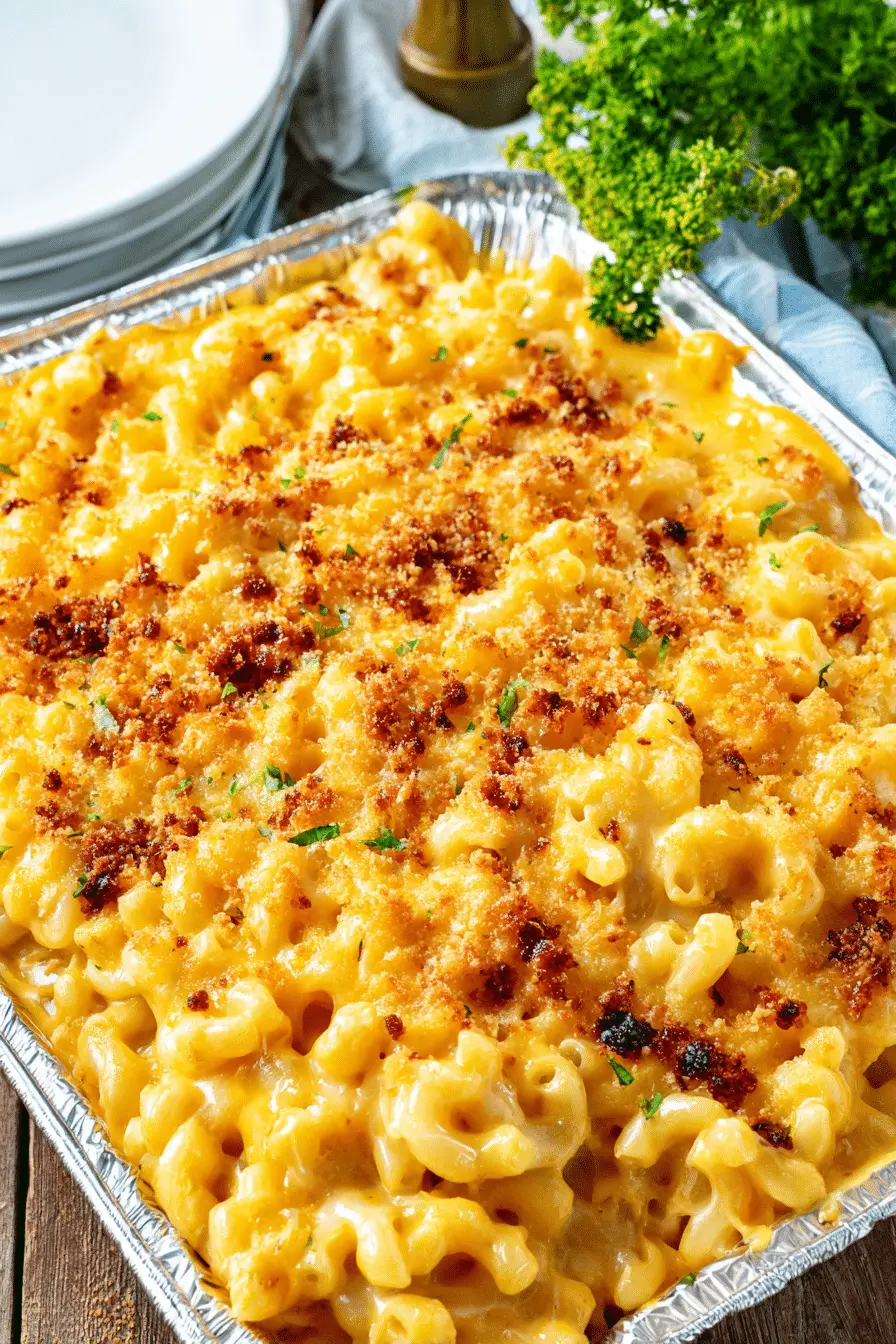
The Mac I Make for Every Backyard Party — Pellet Grill Mac and Cheese
- Prep
- 20 min
- Cook
- 90 min
- Total
- 120 min
- Serves
- 8
- Calories
- 845 kcal
- Carbs
- 54.00 g
Introduction
Experience the joy of feeding a crowd with something that feels like a warm hug from the grill. I make this smoked mac and cheese whenever the backyard fills up — it’s comfort food turned social centerpiece: smoky, golden on top, and absurdly creamy underneath. Guests can’t help but gather around when that cheese aroma starts to drift from the pellet grill.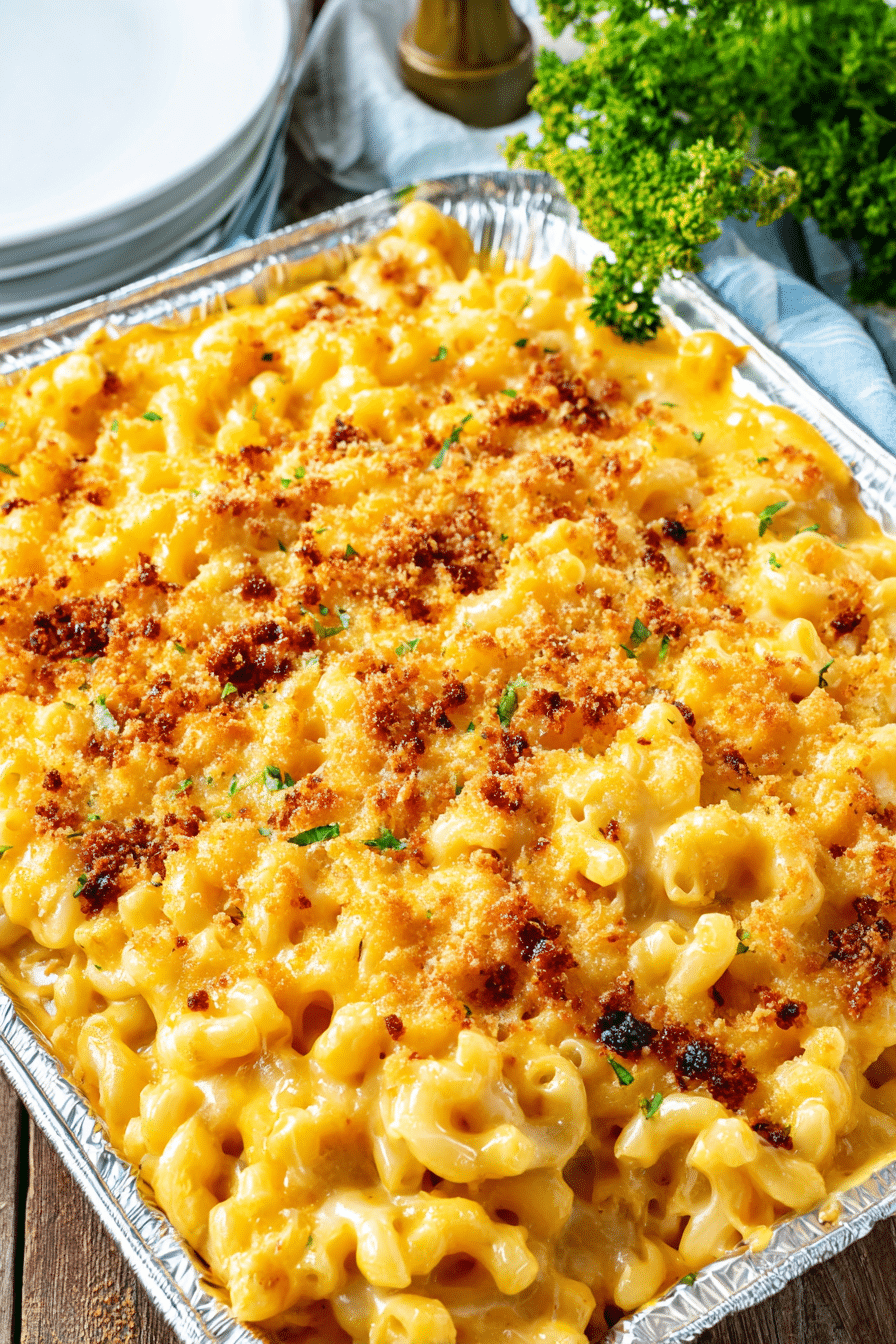
Why This Pellet Grill Mac and Cheese Is Perfect for Backyard Parties
Experience communal eating: mac and cheese is an inherently shareable dish that invites people to come together, and when the grill is involved it becomes a conversation starter. The pellet grill adds a subtle, layered woodsmoke that pairs beautifully with melty cheese and crisped topping. The result is a crowd-pleasing side that’s both familiar and slightly unexpected — ideal when you want comfort food that looks and smells impressive. Sensory note: picture a golden-bubbled surface, spooning into a glossy, velvety interior while a soft smoke note curls up. That aroma is what pulls people toward the table. Pair your mac and cheese with a creamy spicy buffalo chicken dip to elevate your backyard gathering!Everything You Need: Pellet Grill Smoked Mac and Cheese Ingredients
Below I talk through each ingredient in a conversational way so you understand purpose and substitution options. I avoid exact measurements here so you can scale and tweak for your crowd.- Elbow pasta or gluten-free elbow pasta – The classic shape holds sauce; swap in gluten-free elbows if you need a gluten-free version.
- Whole milk and evaporated milk – Full-fat dairy keeps the sauce rich and silky; these add body without thinning the sauce.
- Unsalted butter – Adds sheen and helps the sauce bind; use unsalted so you control final seasoning.
- Cream cheese – A secret weapon for silkiness and body; it stabilizes the sauce so it doesn’t break on the smoker.
- Muenster and Colby Jack (or similar melters) – These cheeses give the gooey pull and mellow flavor that pairs with smoke.
- Salt, ground mustard, black pepper – Simple seasoning layers flavor without masking the cheese or smoke.
The Best Cheeses to Use (and Why)
Muenster and Colby Jack are my go-to because they melt smoothly and keep a mild, buttery flavor that lets smoke shine. Muenster offers a stretchy, elastic melt while Colby Jack brings a touch of tang and color. That combination yields a glossy sauce that browns beautifully under high heat. For stronger flavor, mix in a sharper cheese sparingly; too much sharp cheddar can become grainy when reheated. If you want protein-forward variations, try adding cooked, shredded chicken — this kind of idea shows how protein can play nicely with melty cheese. Vegetarian/vegan alternatives: for a vegetarian crowd, use plant-based cheeses labeled for melting or boost flavor with sautéed mushrooms and caramelized onions. For a vegan option, try high-quality cashew-based or coconut-based melting cheeses and a richer plant milk; I recommend testing your chosen vegan cheese ahead of time so you know how it behaves on the smoker.How to Get a Silky, Velvety Cheese Sauce
- Heat gently and gradually so the dairy warms evenly — sudden high heat makes proteins seize and the sauce grainy.
- Use cream cheese and butter early in the mix: they act as emulsifiers, creating a smooth matrix that suspended shredded cheese can melt into.
- Shred cheese from blocks when possible; pre-shredded cheeses often contain anti-caking agents that resist melting.
- Fold ingredients together with a wide spatula, introducing just enough air to unify the sauce without frothing it; the sauce should look glossy and cohesive.
Why Pellet Temperature and Time Make All the Difference
Smoke absorption is a surface-game: lower temperatures and longer initial smoke exposure let the cheese-pasta mixture pick up a gentle, even smoke without drying out. Starting low helps the sauce develop that subtle smoke note; finishing at higher heat consolidates the sauce and browns the top. Think of the process in two acts: a patient smoke stage to layer flavor, and a hotter finish to thicken and caramelize the topping. Proper control prevents bitter, harsh smoke and avoids burning the sugars in the dairy that would otherwise make the dish taste harsh.How to Make Pellet Grill Smoked Mac and Cheese (Step-by-Step)
- Cook the pasta until just shy of done, drain and rinse with cold water to stop carryover cooking; you want pasta that will finish cooking in the sauce.
- In a large bowl, combine the warm-ish pasta with the dairy, butter and cubed cream cheese so the residual heat starts softening those components.
- Add shredded cheeses, reserving a handful for the final top; season with mustard, salt and pepper, and fold gently until uniform.
- Transfer the mixture to a lightly sprayed foil pan and place it on the pellet grill at a low smoke temperature to absorb a subtle wood note.
- Smoke for a short period to get smoke flavor into the cheese, then stir to ensure the cheese has melted through and sprinkle the reserved cheese on top.
- Cover the pan with foil, raise the grill temperature to brown and thicken the sauce, then remove foil briefly at the end to let the top color and crisp slightly.
- Let the pan rest off heat for a short period so the sauce sets a touch — this makes serving cleaner and the texture more luscious.
Pro Tip for Pellet Grill Mac and Cheese: Dial the Smoke Without Overpowering the Cheese
- Choose milder pellets (oak or apple) for a subtle smoke that complements rather than competes with cheese; reserve strong woods like mesquite for bold, heavily seasoned dishes.
- Smoke at low temperature for a shorter initial window if you want just a whisper of smoke; extend that window if you prefer more pronounced smokiness.
- If you’re uncertain, test on a small pan first — it’s easier to adjust than to correct an over-smoked batch.
- Keep the grill lid closed as much as possible during smoking so smoke circulates steadily and avoids sudden gusts that can intensify flavors unpredictably.
Troubleshooting
- If the sauce separates or looks grainy, I recommend removing it from heat and stirring in a little warm milk or cream cheese to re-emulsify.
- If the smoke taste is too strong, next time reduce the initial smoking time or switch to a milder pellet; I’ve learned that less is often more with cheese-based dishes.
- If the top browns too quickly, tent with foil earlier and finish on a lower heat to prevent burning while the interior finishes thickening.
How to Store, Reheat, and Make-Ahead Smoked Mac and Cheese
- Cool the dish slightly, then transfer leftovers to airtight containers and refrigerate; this keeps texture intact and prevents the sauce from over-thickening in the fridge.
- Reheat gently in the oven at moderate heat with a splash of cream or milk to bring back silkiness; avoid microwave reheating without adding liquid or the sauce can dry out.
- Make-ahead strategy: assemble and smoke through the initial stage, then cool and refrigerate. When ready to serve, add reserved cheese, tent, and finish at higher heat to re-melt and brown.
Variations for Smoked Mac and Cheese: Get Creative
- Bacon & caramelized onion — crispy bacon folded into the bubbling cheese gives a smoky, savory lift.
- Spicy jalapeño & pepper jack — add pickled or fresh jalapeños and a melting pepper-jack for heat that dances with smoke.
- Lobster or crab — fold in cooked shellfish for an indulgent party centerpiece.
- Truffle oil & wild mushrooms — finish with a drizzle of truffle oil and sautéed mushrooms for an earthy, luxurious touch.
- Vegetarian option — roast seasonal vegetables and fold them through; for a healthier twist, consider adding delicious cheesy broccoli to your mac and cheese!
Frequently Asked Questions
Can I use gluten-free pasta for this recipe? Yes! You can substitute regular elbow macaroni with gluten-free elbow macaroni to enjoy this dish while accommodating dietary needs. What type of pellets should I use for the grill? You can use any type of pellets for your pellet grill, but oak pellets are a great choice for enhancing the flavor of your mac and cheese. How do I achieve a creamy cheese sauce? To get a silky, velvety cheese sauce, make sure to use a mix of cheeses like Muenster and Colby Jack, and stir well to blend the melted cheese thoroughly. What can I do if I have leftovers? Store any leftovers in an airtight container in the fridge. They can be reheated easily for a delicious meal later. Can I add different ingredients or flavors to the mac and cheese? Absolutely! Feel free to experiment with additional ingredients like bacon, jalapeños, or different types of cheese to create your own unique version.Recipe Card
The Mac I Make for Every Backyard Party — Pellet Grill Mac and Cheese
- Prep
- 20 min
- Cook
- 90 min
- Total
- 120 min
- Serves
- 8
- Calories
- 845 kcal
- Carbs
- 54.00 g
Ingredients
- 16 ozElbow Macaroni or Gluten-Free Elbow Macaroni
- 2.5 cupsWhole Milk
- 12 ozCan Evaporated Milk
- 0.5 cupUnsalted Butter, Cubed
- 8 ozCream Cheese, Cubed
- 8 ozMuenster Cheese, Shredded
- 16 ozColby Jack Cheese, Shredded
- 2 tspKosher Salt
- 2 tspGround Mustard
- 0.5 tspGround Black Pepper
Instructions
- 1
Boil pasta in salted water according to package, then drain and rinse in cold water to stop cooking process.
- 2
Start your pellet grill and set the temperature to 180°F. Any pellets can be used, we used oak pellets.
- 3
In a large bowl, combine the cooked pasta, milk, evaporated milk, cubed butter, cubed cream cheese, Muenster and Colby Jack cheeses, reserve a little cheese for topping.
- 4
Sprinkle seasonings on top and mix in well.
- 5
Lightly spray a square foil pan with cooking spray and transfer the mac and cheese to the aluminum square pan.
- 6
Place the pan on the pellet grill and smoke for 30-45 minutes depending on how smoky you want the cheese to be.
- 7
Stir to blend the melted mac and cheese and sprinkle the reserved cheese on top.
- 8
Cover with foil.
- 9
Increase the temperature to 400°F and cook until the sauce is thickened about 20-30 minutes, then remove the foil and cook for an additional 10-15 minutes until the top is browned.
- 10
Remove from the smoker and let rest for 10 minutes before serving.
- 11
Store leftovers in fridge.
You might also like
Reviews
Be the first to review this.