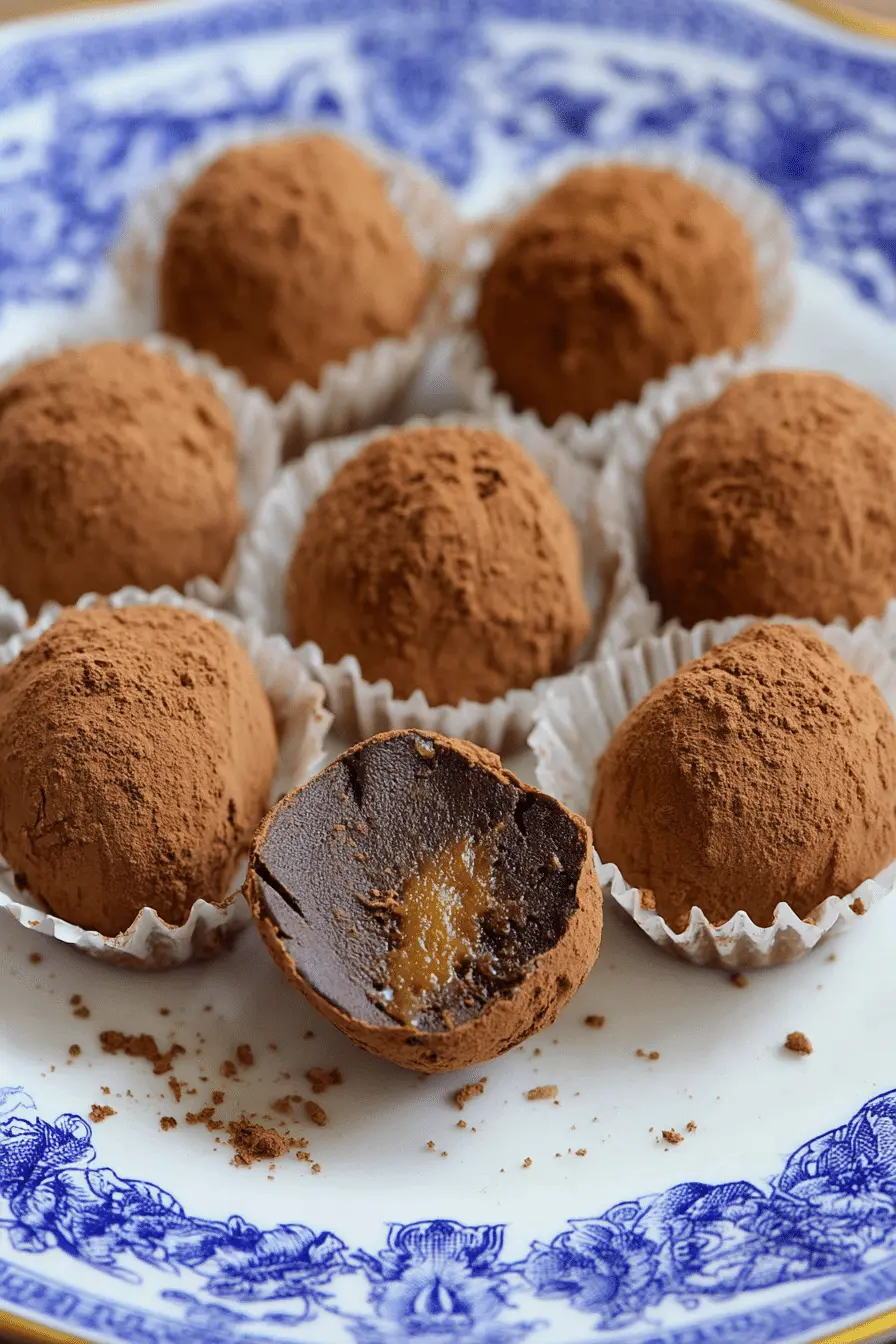
Salted Caramel Chocolate Truffles Recipe
- Prep
- 20 min
- Cook
- 5 min
- Total
- 265 min
- Serves
- 30
- Calories
- 120 kcal
Introduction
I make salted caramel chocolate truffles whenever I want a small, luxurious treat that feels thoughtfully made without spending all day in the kitchen. In my kitchen these truffles have become my go-to when friends come over or when I need a bite-sized gift—rich, slightly salty centers wrapped in bittersweet chocolate that simply melt on the tongue. The aroma of warm caramel and melted chocolate always pulls people into the kitchen.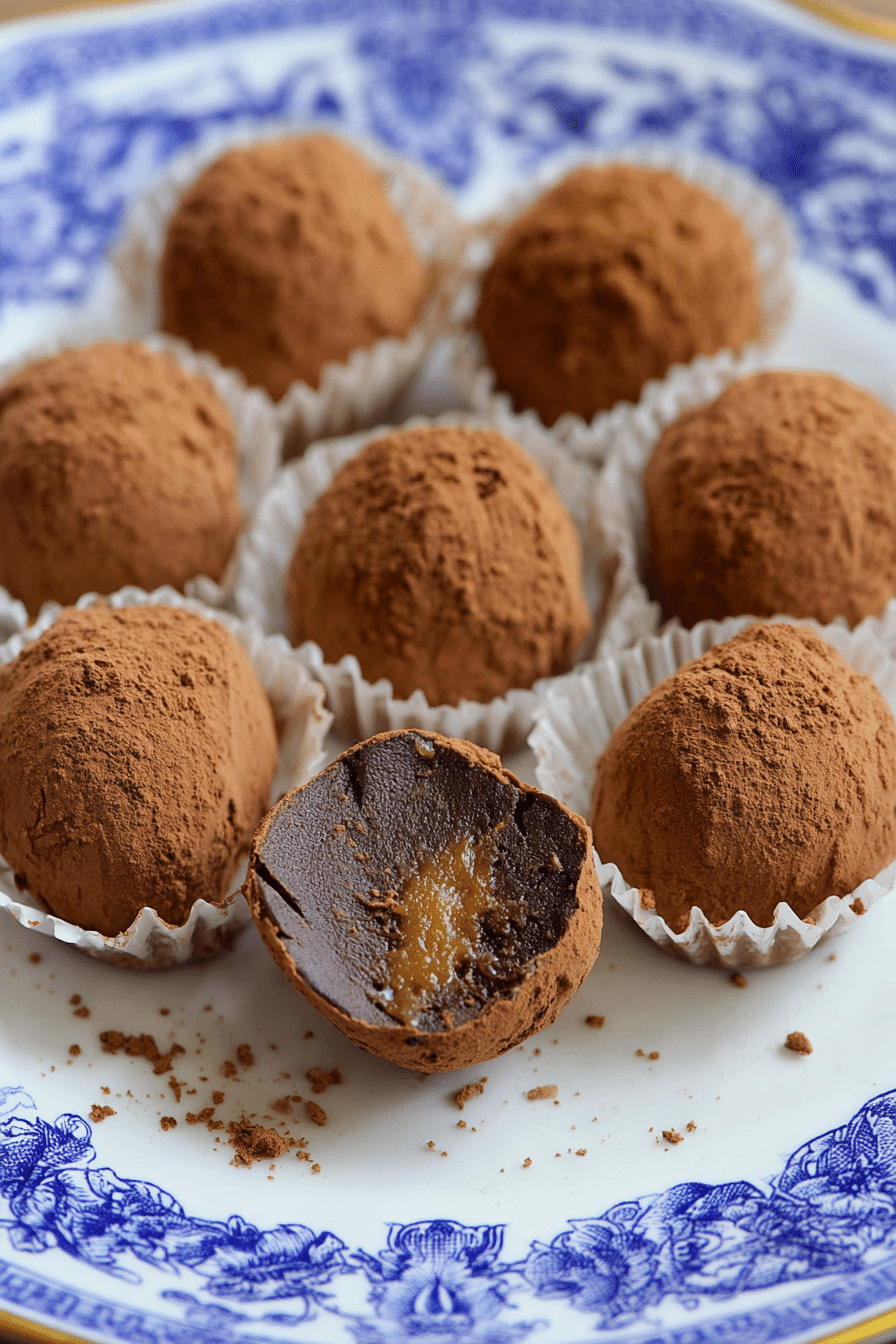
Why Salted Caramel Chocolate Truffles are the Perfect Treat for Celebrations
The flavor balance is what makes these truffles so special: the deep bitterness of high-quality chocolate frames the sweet, buttery notes of caramel, while a kiss of salt sharpens the sweetness and keeps each bite bright rather than cloying. Visually, they’re small canvases—glossy chocolate, a dusting of cocoa, or a drizzle of caramel all translate well for gift boxes or plated desserts. I often line a box with tissue paper and nestle the truffles in paper cups; the contrast in textures and colors feels intentional and elegant. They're wonderfully versatile: arrange them on a dessert table, pair them with coffee or dessert wine, or tuck a few into gift tins for guests. I’ve brought them to birthdays and dinner parties; they travel well if chilled properly, and people appreciate the handcrafted touch. For a contrasting crunchy option alongside these silky bites, try pairing your truffles with homemade chocolate turtles during celebrations.Everything You Need for Salted Caramel Chocolate Truffles
- Bittersweet chocolate – Provides deep chocolate flavor and structure; choose a bar or couverture for the best melt and mouthfeel.
- Salted caramel sauce – Adds the sweet-salty center and richness; you can use a good-quality store-bought sauce or a homemade caramel for more control of the salt level.
- Heavy cream – Adds silkiness to the ganache and improves texture; it’s what gives truffles that luxurious, melt-in-your-mouth center.
- Coating chocolate (bittersweet) – For dipping; a higher cocoa content gives a more sophisticated contrast to the sweet caramel.
- Unsweetened cocoa powder – For an elegant, matte finish if you prefer dusted truffles to fully dipped ones.
- Essential tools – A fine-headed spoon or small scoop for portioning, a small baking sheet with parchment, a thermometer for tempering, and a heatproof bowl for melting chocolate. Precise measuring tools and a reliable kitchen thermometer make the difference between a glossy coating and a dull one.
How to Make Salted Caramel Chocolate Truffles (Step-by-Step)
- Roughly chop your bittersweet chocolate and place it in a medium heatproof bowl so it melts evenly.
- Warm the salted caramel sauce with the cream just until hot; you want steam and gentle softening, not a rolling boil. This heat is what melts the chocolate into a glossy ganache.
- Pour the hot caramel-cream mixture over the chopped chocolate and let it sit undisturbed for about 10 minutes so the chocolate can melt through. This resting time is essential for a smooth emulsion.
- After resting, stir once or twice to combine—stir gently to emulsify; overworking can introduce air and cause the fat to separate, making the ganache appear oily.
- When the ganache is smooth, cover and chill until firm enough to scoop—typically several hours or overnight. Chilling solidifies the mixture so you can portion neatly.
- Line a small sheet with parchment. Scoop rounded spoonfuls or use a small scoop, then roll quickly between your palms to shape. If the ganache warms too much while rolling, chill the tray briefly to firm it back up.
- For coating: melt your coating chocolate gently (steam-bath or short bursts in the microwave). Transfer the melted chocolate to a bowl and, one by one, coat the chilled truffles. Use a spoon or dipping fork, tapping off excess so the coating is even.
- After coating, toss some truffles in cocoa powder while the coating is still wet for a classic finish, or place on parchment to set in the refrigerator until firm. Allow them to come to room temperature briefly before serving for the best texture.
The Art of Truffle Coating: Tips for a Perfect Finish
- Work with chilled truffles—cold centers make dipping faster and neater because the coating sets quickly on contact, minimizing seeping or misshapen shells.
- Keep your coating chocolate at a stable working temperature; if it’s too cool the coating will thicken and clump, too hot and it may be dull and soft once set.
- Tap off excess coating gently and use a small fork or chocolate dipping tool to get an even layer; for an ultra-smooth finish, spin the truffle briefly while tapping the tool against the bowl rim.
- Size matters: aim for uniform portions so coating times and appearance are consistent. Slightly smaller truffles coat and set faster, which is helpful when working with a single batch of melted chocolate.
- If you want a glossy, crisp shell, temper your coating chocolate (see next section). If you skip tempering, accept a softer, matte finish and store them chilled.
Understanding Chocolate Tempering for Optimal Flavor
Tempering stabilizes cocoa butter crystals so chocolate sets with a shiny surface, a firm snap, and a pleasant melt. Temperature control is the key: gently heat, cool to encourage stable crystal formation, then gently reheat to a working temperature. When properly tempered, the truffle coating will contract slightly as it cools, making it easier to unmold and giving you that professional sheen and crisp texture that contrasts beautifully with the soft ganache interior. Use a thermometer and avoid overheating—high temps destroy the temper and lead to dull, streaky chocolate. If you’re new to tempering, try the simple seed method: melt most of the chocolate, add finely chopped chocolate to bring the temperature down, then warm gently to the working range. The result is worth the small extra effort when presentation matters.Pro-Tip for Salted Caramel Chocolate Truffles: Achieving the Right Consistency
- Chill in stages: Cool the ganache until scoopable, then re-chill after rolling to ensure it holds its shape during coating. I often chill once to set, then again after portioning.
- Gentle emulsification: Stir just enough to combine melted chocolate and cream; vigorous mixing can break the emulsion and make the ganache greasy.
- Control surface moisture: Work from a dry bowl and hands; any water drops will seize chocolate and ruin the coating.
- Quick temperature fixes: If ganache becomes too soft, return it to the refrigerator briefly; if it’s rock-hard, let it soften on the counter for a few minutes before rolling.
Pro Tips, Troubleshooting, and Storage Tips
- Pro-Tips:
- Use a microplane to grate a touch of citrus zest into a small portion of ganache for a bright variation that pairs beautifully with the caramel.
- For a visual flourish, drizzle a thin line of warmed caramel over dipped truffles right after coating and before setting.
- When gifting, arrange truffles in a box with parchment and separators to prevent sticking; a few decorative sprinkles add polish.
- Pair your truffles with other textures—try them alongside the best chocolate chip cookies for a dessert tray with contrast.
- Troubleshooting:
- Ganache split or oily: Chill and then re-emulsify gently by whisking in a small hot spoonful of cream, or briefly heat and stir until smooth; avoid overmixing.
- Coating seized or grainy: If water got into the chocolate, start fresh with new chocolate; keep tools and workspace dry.
- Truffles too firm after refrigeration: Let sit at room temperature for 10–15 minutes before serving to soften just enough for ideal mouthfeel.
- Coating dull or soft at room temperature: Temper the chocolate next time or keep the truffles refrigerated until just before serving.
- Storage Tips:
- Store truffles in an airtight container in the refrigerator to maintain shape and freshness; separate layers with parchment.
- Bring to room temperature before serving for peak flavor and texture—typically 10–20 minutes depending on size.
- For long-distance gifting, pack chilled truffles with cold packs in an insulated box; they travel best when kept cool.
- For a festive snack box, consider storing them alongside a crunchy companion like harvest caramel corn for variety.
Healthy Variations and Dietary Swaps
- Dark chocolate swap – Choose higher cocoa content chocolate to reduce sugar and intensify chocolate flavor while keeping the texture rich.
- Lighter caramel – Make a reduced-sugar caramel by cooking with a sweeter-free syrup base or cut store-bought sauce with a touch of cream; note texture may be slightly different.
- Dairy-free options – Replace cream with full-fat coconut milk or a nut-based cream for a dairy-free ganache; expect a subtle coconut or nutty note.
- Protein-friendly – Stir in a small amount of unflavored protein powder to one portion to add nutrition, but be mindful of changes to consistency and flavor.
- If you prefer a different healthier dessert to pair, consider a vegan chocolate brownie sundae as an alternative option.
Variations to Elevate Your Truffle Experience
- Espresso caramel: Add a touch of strong espresso to the caramel for an adult, coffee-kissed center that intensifies chocolate notes.
- Orange or citrus: Fold a small amount of finely grated citrus zest into the ganache for bright aromatic lift.
- Nutty crunch: Press a toasted chopped hazelnut or pecan into the base of the truffle before coating for a surprise textural contrast.
- Liqueur-infused: Stir a splash of rum, bourbon, or orange liqueur into the ganache after it cools slightly for grown-up depth (use sparingly so the ganache still sets).
- Coating options: Try a dusting of fine sea salt for a finishing flourish, roll in toasted coconut, or dust with flavored cocoa for variety.
- Serve alongside complementary desserts—these truffles sit beautifully with cookies, cakes, or a simple scoop of vanilla for a composed dessert offering.
Frequently Asked Questions
What are the main ingredients needed for salted caramel chocolate truffles? You will need bittersweet chocolate, salted caramel sauce, heavy cream, additional bittersweet chocolate for coating, and unsweetened cocoa powder. How long does it take to prepare and chill the truffles? The preparation time is about 20 minutes, and the truffles need to chill for about 4 hours or overnight to set. Can I use store-bought salted caramel sauce for this recipe? Yes, you can use store-bought salted caramel sauce, or you can make your own if you prefer. How should I store the truffles after making them? Store the truffles in an airtight container in the refrigerator. For the best flavor, let them sit at room temperature for a little while before serving. Are there any healthy variations for these truffles? Yes, you can try using dark chocolate with a higher cocoa content, or swap out the heavy cream for a lighter alternative to reduce calories.Recipe Card
Salted Caramel Chocolate Truffles Recipe
- Prep
- 20 min
- Cook
- 5 min
- Total
- 265 min
- Serves
- 30
- Calories
- 120 kcal
Ingredients
- 1.33 cupsbittersweet chocolate ((8oz/225g), chopped)
- 0.75 cupssalted caramel sauce ((homemade or store bought))
- 0.25 cupsheavy cream ((2oz/57g))
- 1 cupbittersweet chocolate ((for coating, 6oz/170g))
- 3 tablespoonsunsweetened cocoa powder
Instructions
- 1
Roughly chop the bittersweet chocolate and place it into a medium bowl. Set aside.
- 2
In a small pot or the microwave, heat the salted caramel sauce and cream together until hot.
- 3
Pour the hot caramel sauce over the chocolate and let stand for 10 minutes. Stir briefly to emulsify.
- 4
Chill the mixture in the refrigerator until set, about 4 hours or overnight.
- 5
Line a small baking sheet with parchment. Scoop the truffle mixture into rounded teaspoons and roll until smooth.
- 6
Melt the coating chocolate in a bowl over simmering water. Roll the chilled truffles in the melted chocolate.
- 7
Toss the truffle into cocoa powder and allow to set in the fridge.
- 8
Store in an airtight container in the refrigerator. Allow to sit at room temperature before eating for the best flavor.
You might also like
Reviews
Be the first to review this.