
How I Make Simple Sautéed Cabbage in 30 Minutes
- Prep
- 10 min
- Cook
- 20 min
- Total
- 30 min
- Serves
- 6
- Calories
- 87 kcal
- Carbs
- 11.00 g
Introduction
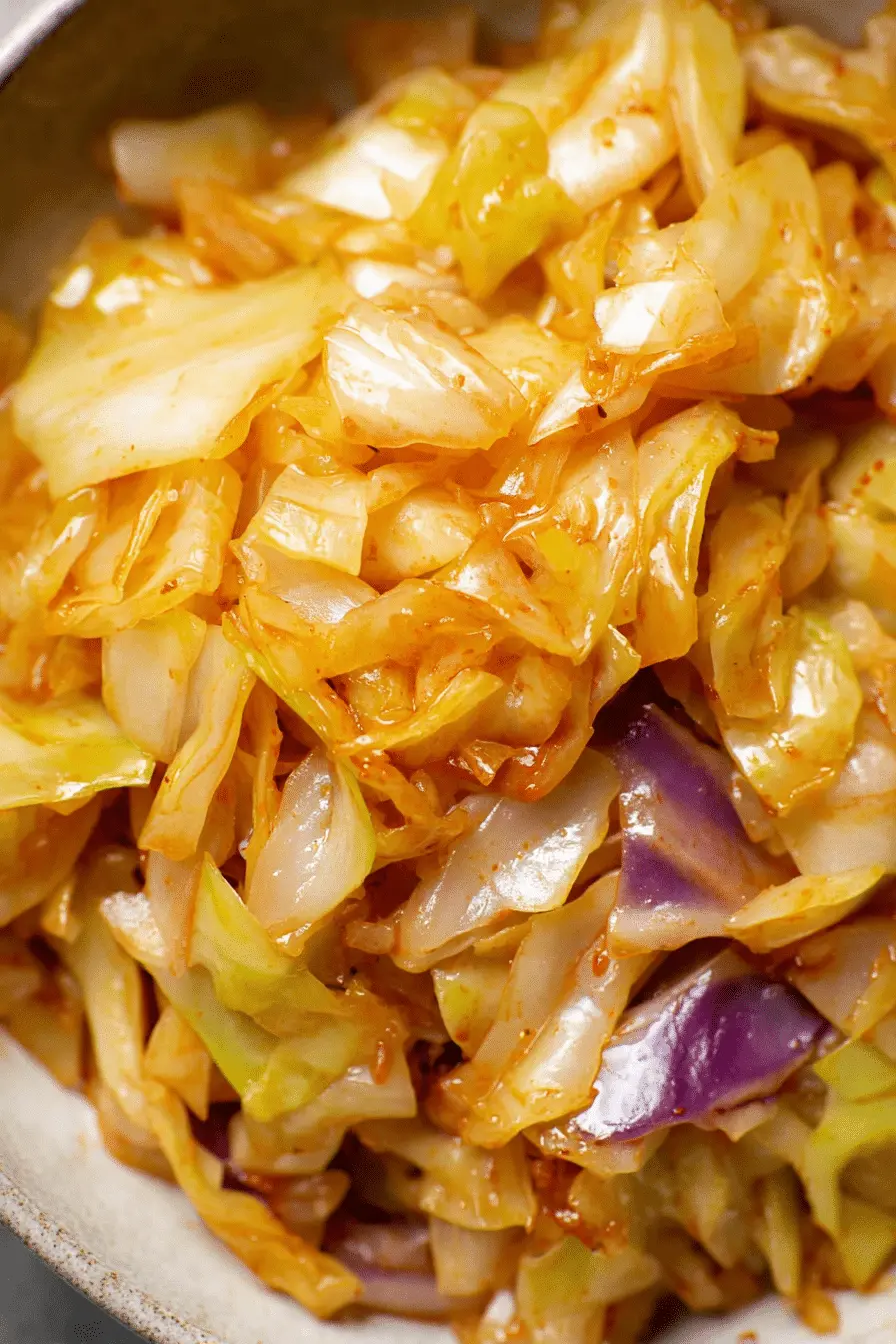
I've made this simple sautéed cabbage for quick dinners more times than I can count, and it never fails to feel like a little victory at the end of a busy day. In my kitchen I aim for bright green leaves with just enough golden browning at the edges, finished with butter and a hit of smoked paprika for warmth and smell that fills the room.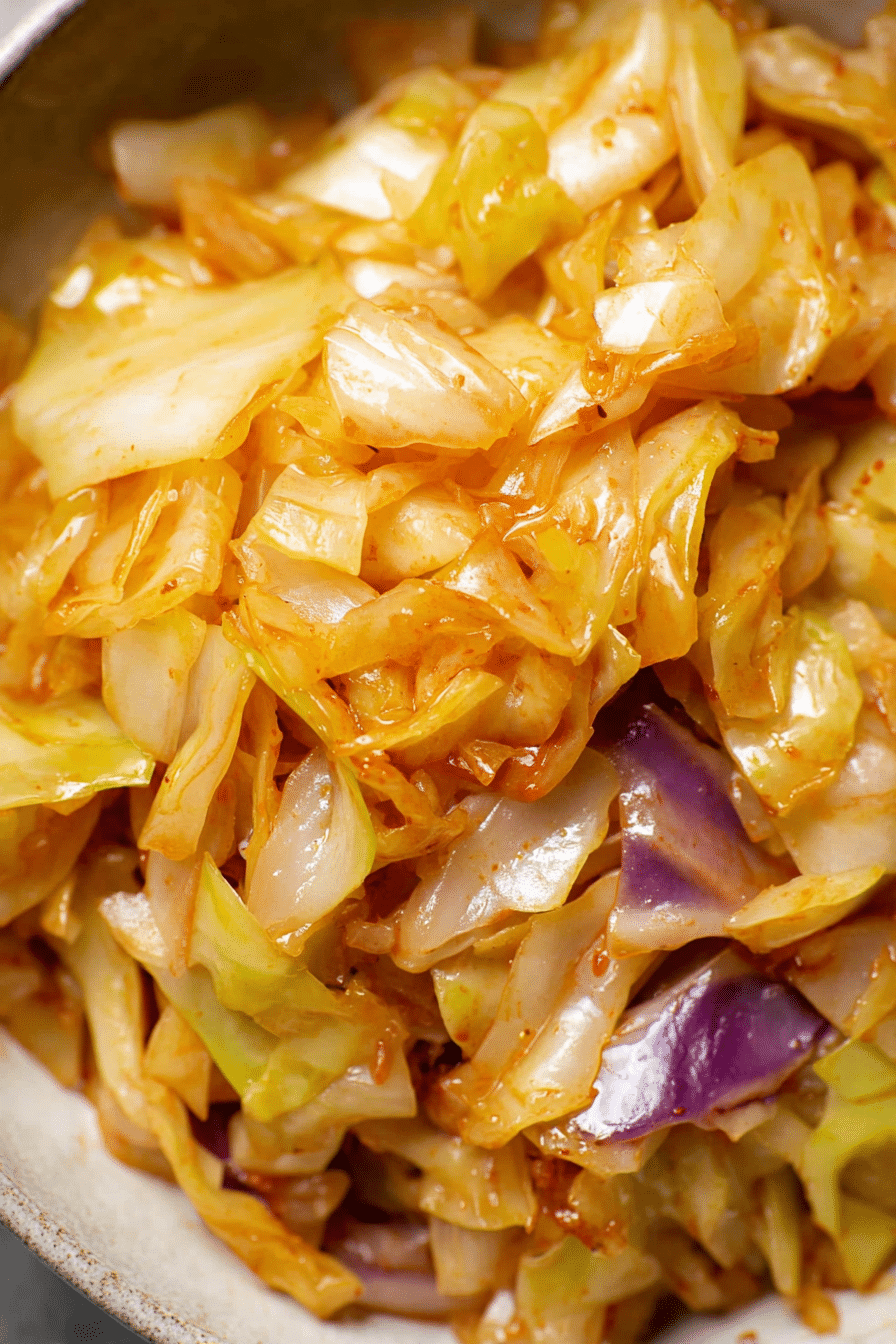
I usually serve it with a straightforward protein — grilled chicken, pan-seared fish, or even a quick skillet sausage — but it also stands on its own alongside grains or beans. The butter gives richness, the garlic and paprika add depth, and when the cabbage hits the pan you get that satisfying sizzle and sweet, toasty aroma that makes a simple side feel special.
Why Simple Sautéed Cabbage Is the Weeknight Side You Need
This is a quick, healthy side that works any night of the week. It takes minimal active time and relies on pantry staples, so it’s ideal when you want a veggie-forward option without a lot of fuss. Cabbage is low in calories and carbohydrates, high in fiber, and a good source of vitamins C and K — small wins for nutrition that don’t require reinventing your meal plan. The golden browning and buttered garlic aroma make it taste far more indulgent than the ingredient list suggests.
Because it’s adaptable, you can pair it with roasted meats, grilled fish, or beans and grains for a vegetarian plate. If you have leftovers, the cabbage reheats well and can be folded into bowls, tacos, or fried rice for a quick second-night dinner.
Everything You Need for Simple Sautéed Cabbage
Here’s what I reach for and sensible swaps if you’re improvising. Remember: no exact measurements here — the goal is to understand the role each ingredient plays so you can scale to your needs.
- Cabbage – The star. Use green cabbage for sweetness and color; savoy or red cabbage can be swapped for texture or a visual twist.
- Onion – Adds sweetness and a savory base. Shallots work well if you want a milder, more floral note.
- Butter – Provides richness and helps brown the edges. If you prefer, use a neutral oil or a blend of butter and oil for balance.
- Olive oil – Raises the smoke point and keeps things from burning; good to mix with butter for flavor control.
- Garlic – Brings aromatic sharpness near the end of cooking; add later to avoid bitterness.
- Smoked paprika – Gives color and a warm smoky note; you can swap for sweet paprika plus a pinch of cayenne for heat.
- Salt & pepper – Essential for seasoning; taste and adjust at the end.
- Optional add-ins – Bacon or sausage for meatiness; caraway seeds or mustard seeds for a Central European twist; lemon or apple cider vinegar to brighten the finish.
The Secret to the Perfect Texture: Crisp‑Tender, Not Soggy
- Start hot. A properly heated pan gives you quick color without turning the cabbage limp — that first contact should sizzle.
- Work in a roomy pan. If cabbage is packed tight it will steam in its own juices instead of browning; give the leaves space to touch the hot surface.
- Stir often, but not constantly. Frequent flipping encourages even cooking and prevents large steam pockets, while short pauses allow the edges to caramelize.
- Watch the final minutes. Remove the pan from the heat when the leaves are tender but still have a little bite; carryover cooking will soften them further.
- Finish on high heat for a minute or two to crisp up edges without overcooking the interior.
Why Heat and Pan Size Change Everything
The sound of cabbage hitting a hot pan is an early indicator that you’re on the right track — that sizzle means evaporation and browning rather than gentle steaming. If you use too small a pan the vegetables will pile up and release moisture, which turns the whole batch soft. A wide skillet gives each strip a chance to meet the metal and brown.
Pan material matters: stainless steel gives better fond and more powerful browning; non-stick reduces sticking but curbs deep color. Aim for medium-high heat to start, and back it off if the cabbage is darkening too fast. Keep explanations simple: hot pan, space for the veg, and adjust as you go.
Butter vs. Oil: The One Ingredient Choice That Changes the Flavor
Butter adds a nutty, creamy richness and helps the cabbage take on glossy color; olive oil brings a fruitier note and tolerates a little more heat. For the best of both worlds I often start with a splash of oil to raise the burn point, then add butter for flavor toward the beginning of the cook.
If you want a lighter finish, use oil alone and finish with a squeeze of lemon or a scattering of fresh herbs. For a heartier, more savory finish, add bacon or a spoon of rendered fat in place of some of the butter.
How to Make Simple Sautéed Cabbage (Step-by-Step)
- Heat your skillet over medium-high until it’s hot but not smoking; add oil and then butter so the fat coats the pan.
- Sauté the chopped onion until translucent and slightly golden so it builds a sweet base for the cabbage.
- Add the sliced cabbage in a single layer as much as possible; stir to coat with fat and let it sit briefly to brown before stirring again.
- Stir and toss regularly, letting the cabbage wilt and reduce in volume; cook until it reaches the level of tenderness you prefer.
- Add minced garlic and smoked paprika near the end so the garlic softens without burning and the paprika blooms in the oil.
- Season with salt and pepper to taste, finish on a quick burst of high heat if you want extra color, then serve immediately.
Troubleshooting
- If the cabbage is soggy, I usually blame overcrowding or too much added liquid; next time I spread the cabbage across a larger pan and avoid adding water.
- If the edges are burning before the interior is tender, lower the heat and give the pan a good stir — I also salvage some browned bits for extra flavor rather than scrapping the whole pan.
- If garlic tastes bitter, it probably hit the pan too early; add it in the last few minutes next time.
Note to writer: Generate the Pro-Tips, Troubleshooting, and Variations sections as bulleted lists for high scannability.
Pro Tip for Simple Sautéed Cabbage: Finish on High Heat and Don’t Overcrowd
- Finish with a minute of high heat to crisp the edges while keeping the interior tender — I do this every time for contrast.
- Work in batches if needed; a crowded pan equals steamed cabbage.
- Garnish with fresh herbs, a squeeze of acid, or toasted seeds for texture and brightness before serving.
How to Store, Reheat, and Make-Ahead Simple Sautéed Cabbage
For meal prep, let the cabbage cool completely before storing it to avoid soggy condensation in the container. Refrigerate in an airtight container for several days.
- To reheat, warm it in a skillet over medium heat to restore some of the original texture; avoid adding water when reheating.
- If using the microwave, reheat in short bursts and stir between intervals so it heats evenly without collapsing.
- Make-ahead tip: cook the cabbage to slightly firmer than you want and finish quickly in a hot pan right before serving to refresh the texture.
Flavor Variations and Serving Suggestions
- Herb variations: toss in chopped thyme, dill, or parsley at the end for fresh herb notes.
- Spice variations: add crushed red pepper for heat, caraway seeds for a traditional touch, or a pinch of cumin for a warm, earthy background.
- Protein pairings: serve with roasted chicken, grilled fish, pan-seared pork chops, or sautéed sausages to make a complete meal.
- Vegetarian options: fold the cabbage into grain bowls with quinoa or farro, or add cooked chickpeas for extra protein.
- Ethnic twists: finish with soy sauce and sesame oil for an Asian-leaning side, or add a splash of apple cider vinegar and mustard seeds for a Northern-European profile.
Dietary Benefits of Cabbage
Cabbage is low in calories and carbohydrates while offering a good amount of fiber, which helps with satiety and digestive health. It’s a reliable source of vitamin C and vitamin K, and contains antioxidants that support overall wellness. For anyone watching carbs or aiming for nutrient-dense sides, sautéed cabbage is a smart, flavorful choice that fits many dietary approaches.
Frequently Asked Questions
What should I add to sautéed cabbage?
You can add a variety of ingredients to enhance the flavor of your sautéed cabbage! Consider incorporating herbs like thyme or dill, spices such as crushed red pepper for some heat, or even add in proteins like cooked bacon or sausage for a heartier side.
What are some common mistakes when sautéing cabbage?
A common mistake is adding too much liquid, which can steam the cabbage instead of sautéing it. It's best to avoid adding water or broth; instead, let the cabbage cook and caramelize in the oil and butter for maximum flavor.
Can I make this sautéed cabbage recipe in advance?
Yes! You can prepare sautéed cabbage ahead of time. Just let it cool completely before storing it in an airtight container in the fridge. When you're ready to serve, simply reheat it in a skillet or microwave.
What are some good side dishes to pair with sautéed cabbage?
Sautéed cabbage pairs wonderfully with many dishes. Consider serving it alongside roasted meats, grilled chicken, or fish. It also complements hearty grains like quinoa or rice nicely.
How do I achieve the perfect texture for sautéed cabbage?
To get that perfect crisp-tender texture, start sautéing your onions first, then add the cabbage and stir frequently. Make sure not to overcrowd the pan, and finish the dish on high heat to retain some crunch while getting the edges golden brown.
Recipe Card
How I Make Simple Sautéed Cabbage in 30 Minutes
- Prep
- 10 min
- Cook
- 20 min
- Total
- 30 min
- Serves
- 6
- Calories
- 87 kcal
- Carbs
- 11.00 g
Ingredients
- 1 medium headgreen cabbage (cored & sliced into thin strips)
- 1 mediumonion (chopped)
- 2 tablespoonsbutter
- 1 teaspoonolive oil
- 2 clovesgarlic (minced)
- 1 teaspoonsmoked paprika
- —Salt & pepper (to taste)
Instructions
- 1
Prep the cabbage and chop your onion. I just slice the cabbage thin (cut out the core) and chop the onion like usual.
- 2
Add the butter and oil to a skillet over medium-high heat. Sauté the onion for 3 minutes.
- 3
Add the cabbage to the pan and toss/stir it as best as you can (use 2 spoons or tongs to make it easier). Don't worry, as it cooks the cabbage goes down and it becomes more manageable. Stir/toss it often and let it cook until it's just about as soft as you want it (about 10-15 minutes).
- 4
Add in the paprika and garlic. Cook it for a couple more minutes. If the cabbage starts to brown too quickly, turn the heat down. Some browning is good - it adds extra flavor.
- 5
Season with salt & pepper as needed and serve immediately.
You might also like

Reviews
Be the first to review this.