Poolside RecipeDinner
The Texas Roadhouse Salmon I Make Every Week — Ready in 30 Minutes
- Prep
- 5 min
- Cook
- 10 min
- Total
- 15 min
- Serves
- 4
- Calories
- 146 kcal
- Carbs
- 4.00 g
Introduction
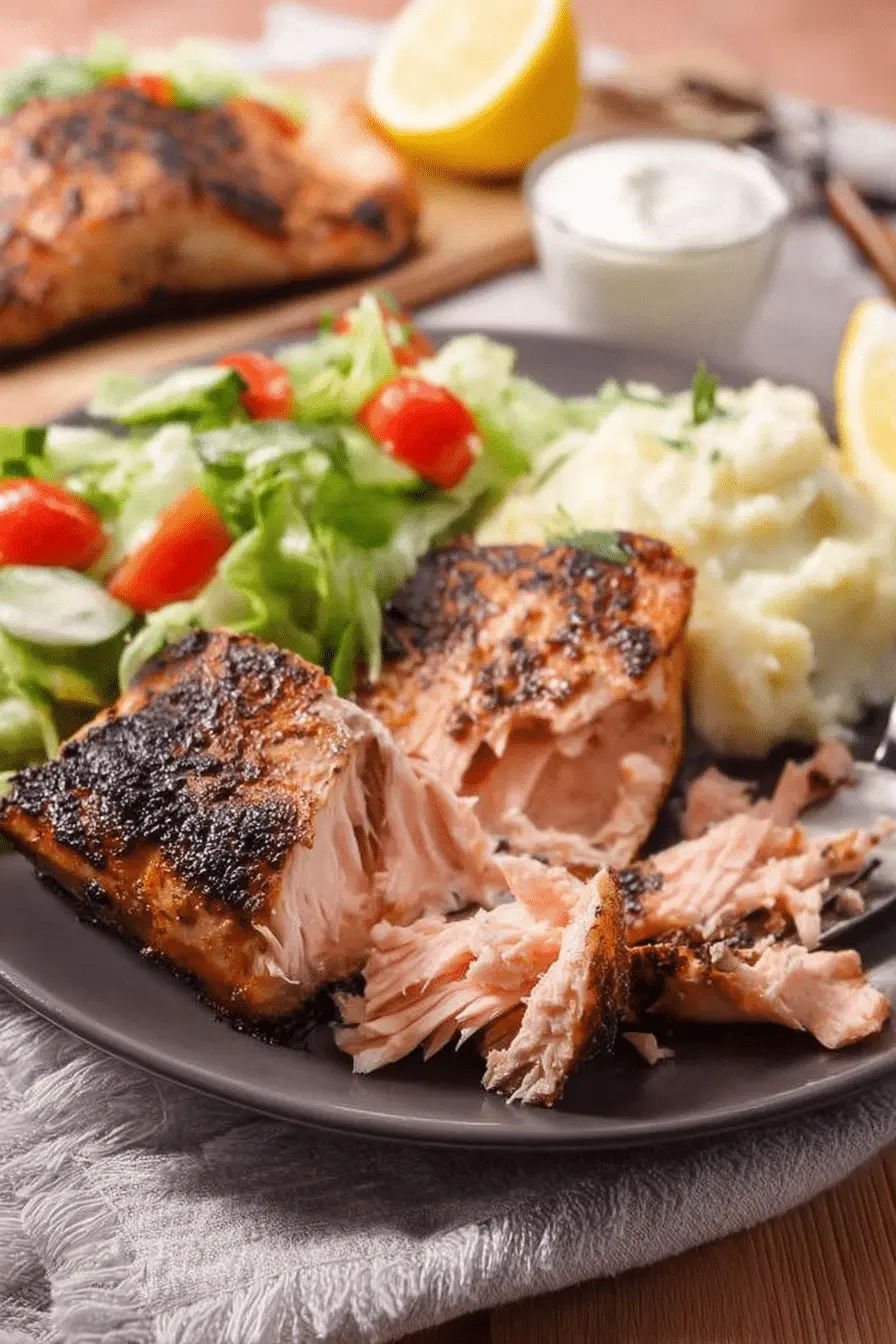
I keep this Texas Roadhouse–style salmon in my regular dinner rotation because it’s fast, forgiving, and always gets a compliment or two from whoever I’m feeding. I like that it needs only a few fresh ingredients and a hot skillet to get that crunchy skin and juicy interior—perfect for nights when you want something restaurant-level without the fuss. After a few tries I found the timing and little tricks that make it sing in my kitchen.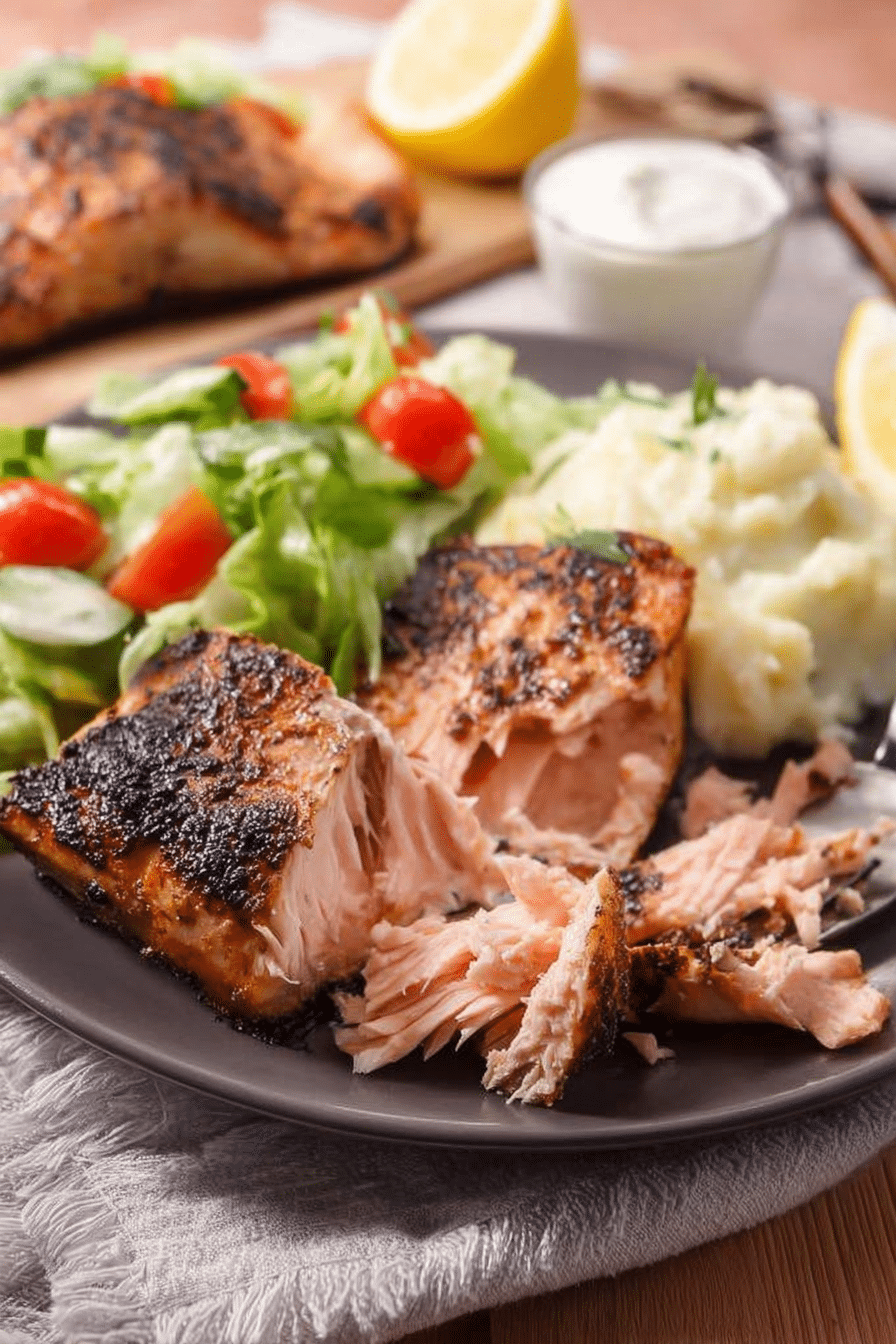
Why This Texas Roadhouse Salmon Is Perfect for Busy Weeknights
Quick prep and a hot pan are the main reasons this is a go-to when time is tight. You get a restaurant-style finish with minimal fuss: season, sear, baste, and serve. The method highlights simple, fresh ingredients so you don’t need a long shopping list. Use the cast iron skillet to get that satisfying sizzle and caramelized edge that makes the dish feel special without extra steps. Sensory note: picture a salmon fillet with glossy, golden-brown skin that cracks under the fork and a warm garlic-lemon aroma filling the kitchen. That’s the kind of comfort food that’s quick to make and pleasing to everyone at the table. If you want another quick and delicious meal in the same style, check out the baked garlic parmesan chicken.Everything You Need for Texas Roadhouse Salmon
Gather the tools and ingredients before you start so everything moves smoothly once the pan is hot. Fresh garlic and a lemon make a big difference here—don’t skimp on freshness. A fish spatula helps flip without tearing the fillet, and an instant-read thermometer makes the finish precise.- Cast iron skillet – Holds steady high heat so the skin crisps evenly.
- Fish spatula – Thin, flexible edge slides under the fillet without breaking it.
- Instant-read thermometer – For accurate doneness; worth having if you cook fish often.
- Fresh garlic – Adds bright, toasty flavor when baste-melted in butter.
- Lemon – Zest for the rub and juice for the pan sauce; brightens the fish.
- Butter – Creates the pan sauce and helps finish the fillets with richness; use a good quality butter if you can.
- Olive oil – High heat sear; choose a neutral, high-smoke-point oil if your olive oil smokes easily.
- Salt & pepper – Basic seasoning to bring out the salmon’s flavor.
- Lemon pepper or lemon zest – Adds the signature citrusy kick associated with this style.
The Secret to Crispy Skin Every Time
Getting the skin uniformly crisp is mostly about heat, patience, and dryness. You want a hot pan, a little oil, and salmon that’s dry to the touch. Resist flipping too early—let the skin form a crust and release naturally from the pan. The no-flip rule is simple: put the fish skin-side down, leave it alone until it lifts easily, then flip once for a quick finish. If you want a texture comparison, try the crispy garlic butter salmon recipe for the same technique applied with a slightly different flavor profile.- Dry the skin thoroughly with paper towels before seasoning to prevent steaming.
- Heat the skillet first, then add oil so it shimmers before adding the fish.
- Start skin-side down and don’t press or move the fillet—this allows an even, golden crust to form.
- Remove the salmon as soon as the skin is crisp and the interior reaches your target temperature to avoid drying out.
Why Temperature Matters: Aim for 125º
Internal temperature dictates texture. For tender, slightly pink, medium-rare salmon aim for about 125ºF. Thicker fillets take longer; thinner ones need less time. An instant-read thermometer lets you stop at the perfect moment rather than guessing by feel.- Insert the thermometer into the thickest part of the fillet for an accurate reading.
- Remember carryover: the fish will rise a few degrees after you remove it from the pan, so pull it just shy of your final target if you like it exactly medium-rare.
- Check temperature quickly to avoid letting heat escape from the oven or pan during testing.
Quick Swaps & Dietary Notes (Keto, Gluten-Free)
This recipe is flexible for low-carb and gluten-free cooks. The base technique and flavors translate well; just swap any packaged seasonings for confirmed gluten-free versions. If you’re keeping carbs low, skip sugary glazes and use extra lemon, herbs, and butter for flavor.- Keto tip: Use extra butter or a brush of olive oil and skip any sugar-based glazes—lemon and garlic give big flavor without carbs.
- Gluten-free tip: Confirm your lemon pepper blend or make your own with citrus zest, cracked pepper, and salt.
- Allergy swaps: Use clarified butter or ghee if you need a lactose-reduced option.
How to Make Texas Roadhouse Salmon (Step-by-Step)
- Pat the salmon fillets dry and let them sit at room temperature briefly so they cook evenly.
- Mix salt, pepper, garlic powder, and lemon zest, then rub the mixture over the flesh side of each fillet.
- Heat a cast iron skillet over medium-high heat until it’s hot; add oil and let it shimmer.
- Place the salmon skin-side down and press gently for a few seconds to ensure contact with the pan.
- Leave the fillets undisturbed for 3–4 minutes (less for thin pieces) until the skin is deeply golden and releases easily.
- Flip the salmon and add butter and minced garlic to the pan; spoon the garlic butter over the fillets as the butter melts.
- Squeeze fresh lemon juice over the fish, and monitor the internal temperature—aim for 125ºF for medium-rare.
- Remove from the pan when the target temperature is reached and let rest briefly before serving with a lemon wedge.
- Skin not crisping: the pan wasn’t hot enough or the skin was damp—dry it and preheat the skillet longer next time.
- Fish sticks to the pan: it likely isn’t ready to flip; give it another 30–60 seconds until it releases naturally.
- Overcooked interior: pull the fish earlier next time and rely on an instant-read thermometer for accuracy.
Pro Tip for Texas Roadhouse Salmon: Thermometer, Timing & No-Flip Rule
- Use an instant-read thermometer—it removes guesswork and keeps the salmon juicy.
- Don’t flip too soon; one confident flip is all you need to finish the top and preserve the crust.
- Adjust times by thickness: thin fillets need less time per side, thick ones need a little longer and patience.
- Spoon melted garlic-butter over the top after flipping to keep the surface glossy and flavorful.
How to Store, Reheat & Vary Texas Roadhouse Salmon
Leftovers can be excellent if handled properly. Store in an airtight container in the fridge for up to three days. When reheating, go gentle so you don’t dry the fish out; a low oven or a quick skillet reheat with a pat of butter works best. If you want flavor variations, a quick glaze or a different herb finish keeps the base method but changes the profile. For another flavor idea, see the honey garlic salmon for an alternate sweet-savory finish. Storage & reheating- Refrigerate in an airtight container for up to three days.
- Gentle reheating: warm in a 250–275ºF oven or briefly in a skillet with a splash of oil and a pat of butter to restore moisture.
- Avoid microwaving if you care about the skin—microwaves soften it and can make the fish watery.
- Lemon-herb: finish with chopped fresh parsley or dill and extra lemon zest for a bright finish.
- Spicy twist: add a pinch of cayenne or smoked paprika to the rub for smoky heat.
- Garlic-butter twist: increase garlic and finish with a splash of white wine in the pan sauce for depth.
Frequently Asked Questions
What type of salmon should I use for this recipe? For the best results, opt for fresh salmon fillets, ideally wild-caught if available. Norwegian salmon or other firm, fresh fillets work well here for that restaurant-style texture. Can I make this recipe gluten-free? Absolutely! This recipe is naturally gluten-free as long as you use gluten-free seasoning and butter. How can I ensure my salmon skin is crispy? To achieve crispy skin, make sure to cook the salmon skin-side down in a hot cast iron skillet and resist the urge to flip it too soon. How should I store leftovers? Store any leftover salmon in an airtight container in the refrigerator for up to 3 days. Reheat gently in the oven or skillet to maintain its texture. What is the best temperature to cook salmon? Aim for an internal temperature of 125ºF for medium-rare. This ensures your salmon remains tender and flaky, not dry!Recipe Card
The Texas Roadhouse Salmon I Make Every Week — Ready in 30 Minutes
- Prep
- 5 min
- Cook
- 10 min
- Total
- 15 min
- Serves
- 4
- Calories
- 146 kcal
- Carbs
- 4.00 g
Ingredients
- 4 ozsalmon fillets
- 1/2 tspsalt
- 1/2 tspblack pepper
- 1/2 tspgarlic powder
- 1 wholelemon
- 1 tbspolive oil
- 3 clovesfresh garlic ((minced))
- 4 tbspbutter
Instructions
- 1
Rinse salmon and pat dry with paper towels.
- 2
In a small bowl, mix together salt, pepper, garlic powder and lemon zest.
- 3
Rub flesh side of salmon fillets with mixture of spices.
- 4
In a cast iron skillet, over medium-high heat, add olive oil to the pan.
- 5
Once pan is hot, add seasoned salmon fillets - skin side down. Cook for 3-4 minutes until the skin becomes crispy and golden brown.
- 6
Using a fish spatula, flip the salmon filets and cook for an additional 2-3 minutes.
- 7
After flipping salmon, add butter and minced garlic to pan. Spoon garlic butter over the salmon fillets.
- 8
Check the salmon's temperature; it should be 125º for medium rare.
- 9
Remove salmon from pan and garnish with lemon wedge.
You might also like
Reviews
Be the first to review this.