Poolside RecipeBreakfast
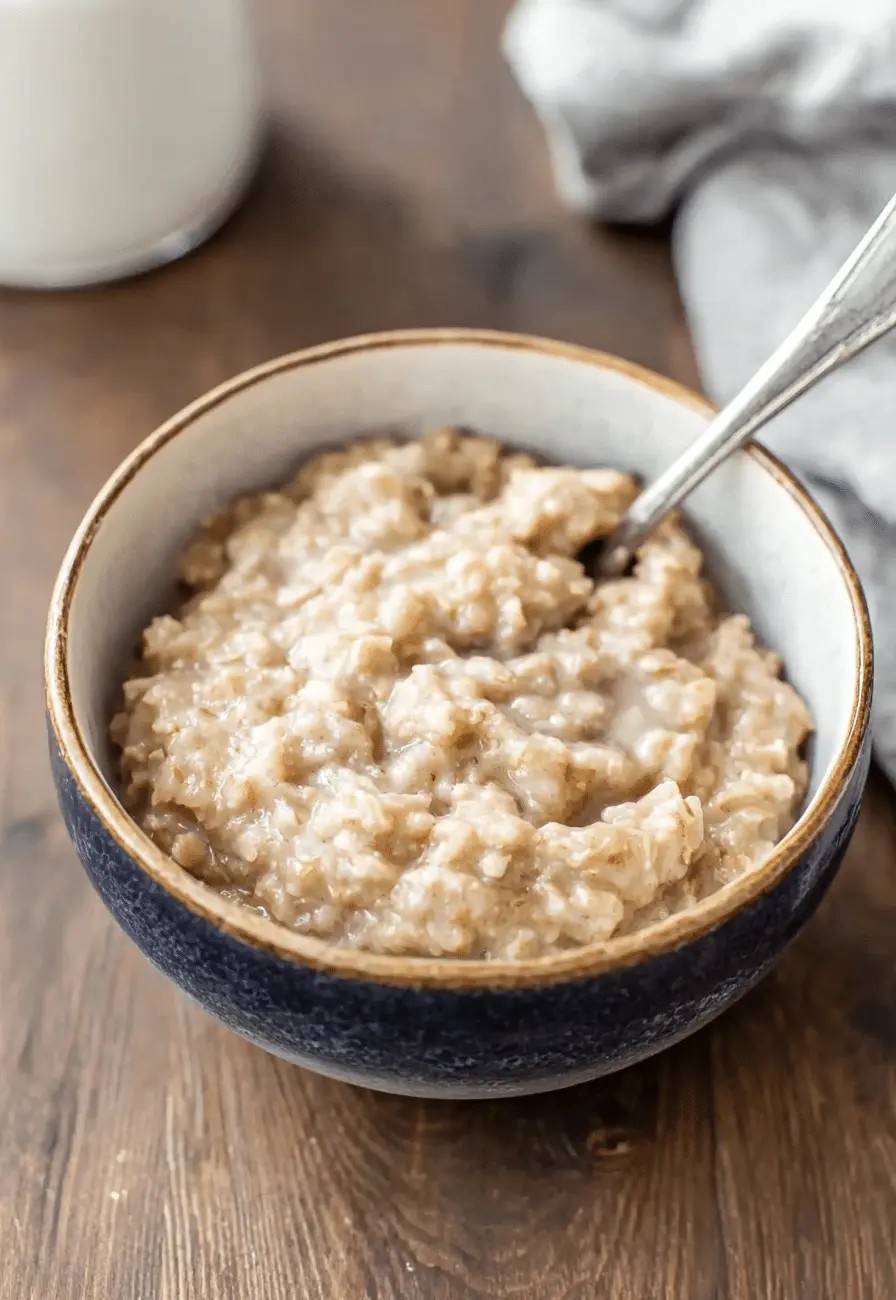
The Ultimate Creamy Oatmeal: Elevate Your Breakfast Game with Ease
- Prep
- 5 min
- Cook
- 10 min
- Total
- 15 min
- Serves
- 2
- Calories
- 235 kcal
- Carbs
- 39.00 g
Introduction
I make oatmeal a lot — not just on sleepy Sunday mornings, but on rushed weekdays, for sleepy teenagers before school, and for the late-afternoon snack that feels like a hug. Creamy oatmeal has become my go-to because it can be both simple and luxurious: a few humble pantry items turn into a thick, warm bowl that smells like toasted oats and vanilla, and feels soft and spoonable on the tongue. In my kitchen, this is the recipe I come back to when I want something predictable, comforting, and flexible.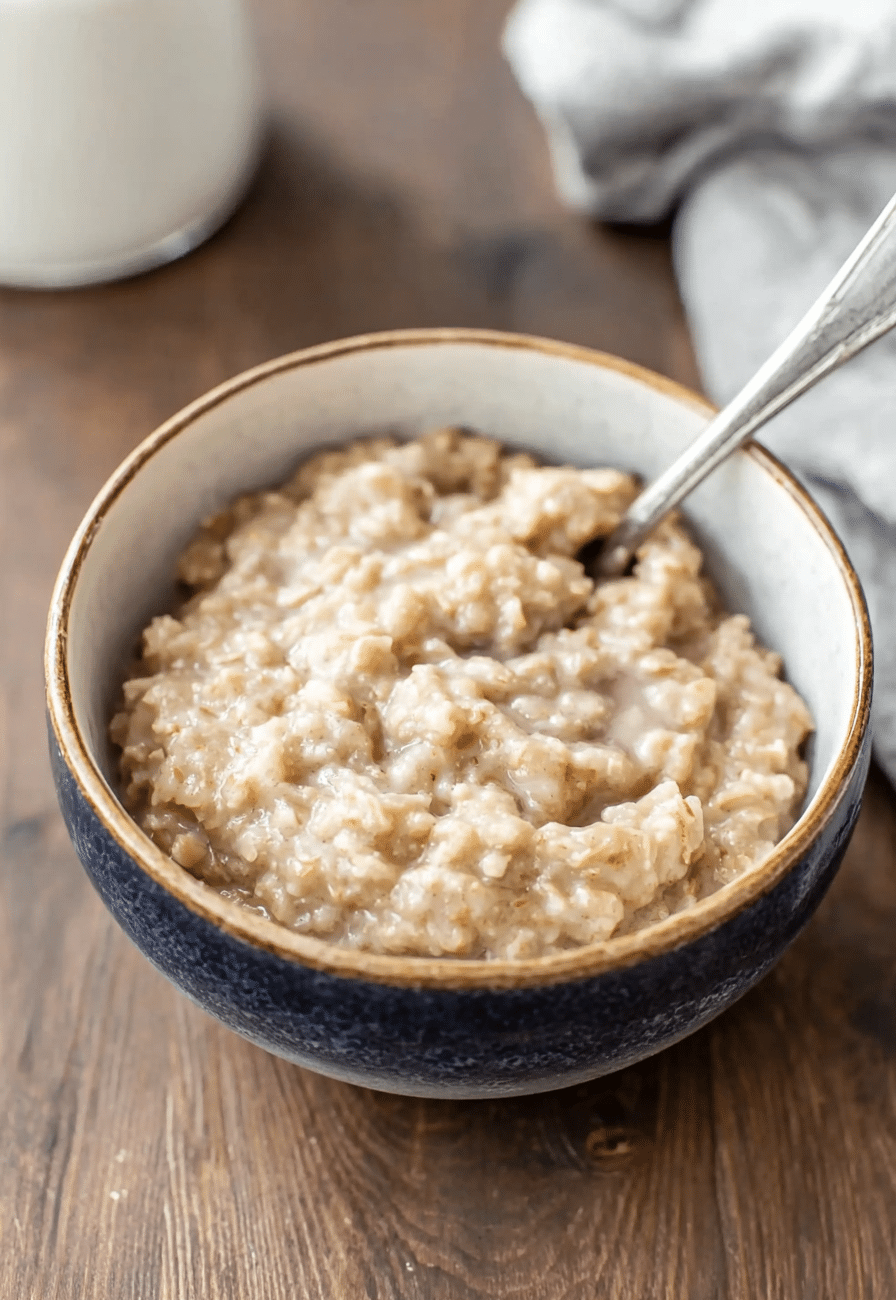
Benefits of Choosing the Right Ingredients
Ingredients matter here more than you might think — they change texture, mouthfeel, and even how the oats release their starch. Over years of testing, I’ve learned which swaps help and which sabotage creaminess.- Rolled oats – my preferred base for creaminess: they soak and swell but still yield a tender bite. They cook faster than steel-cut and are less mushy than instant oats.
- Steel-cut oats – chewier and nuttier, great if you like texture. They need more time and more liquid; they’ll never be as silky as rolled oats but are hearty.
- Instant oats – convenient and quick, but prone to become gluey if overcooked. Use them when you need speed, and stop cooking the second they thicken.
- Milk – whole milk or a creamy plant milk boosts richness and mellow sweetness. Milk proteins and fats round out the texture and reduce stringiness.
- Water – helps control richness and prevents the oatmeal from tasting too heavy. A mix of milk and water is the trick for a balanced bowl.
- Salt – tiny but crucial: it brightens the oats and balances sweetness. Don’t skip it.
- Sweetener – brown sugar, maple syrup, or honey add warmth; I usually add a small amount while cooking and finish with a drizzle if needed.
- Vanilla – a splash of extract or a scrape of vanilla bean lifts the flavor and makes the bowl smell irresistible.
Step-by-Step Guide to Make the Ultimate Creamy Oatmeal
If you want the exact version I cook and photograph, here’s the tested recipe that yields two generous bowls. Follow the cues I describe — the little sensory checks are what separate a so-so bowl from the ultimate one.- Ingredients (yields: 2 bowls)
- 1 cup old-fashioned rolled oats
- 1 cup water
- 1 cup milk (any kind: dairy or plant-based)
- 1–2 tablespoons brown sugar, maple syrup, or honey (optional, to taste)
- 1/2 teaspoon vanilla extract or vanilla bean paste (optional)
- 1/4 teaspoon sea salt
- Toppings of your choice (fresh fruit, nuts, honey, etc.)
- Method
- In a medium saucepan, bring the water and milk to a gentle simmer over medium heat. Watch for small bubbles around the edges — that’s your cue that the liquid is warm and ready. If it’s bubbling hard, lower the heat; milk scalds quickly.
- Stir in the oats, sweetener (if using), vanilla, and sea salt. Immediately reduce the heat to low so the mixture barely bubbles. High heat will make the oats release starch too fast and can make the texture gummy.
- Let the oats cook on low, stirring every 30–60 seconds. You’ll notice in the first few minutes the mixture looks thin. After about 5–6 minutes it will begin to thicken and coat the spoon. Continue to cook for 10–15 minutes total, depending on how creamy you like it. For me, 12 minutes is the sweet spot — the oats are soft but the bowl still holds structure.
- When the oatmeal reaches your desired consistency, remove from heat and stir in any creamy add-ins — a spoonful of Greek yogurt, a splash more milk, a tablespoon of cream, or a mashed banana. These add richness without extra cooking time.
- Spoon into bowls and top as you like. The oatmeal will thicken further as it cools, so aim for slightly looser than your ideal while it’s hot.
- Cooking cues and texture notesListen for a quiet, gentle simmer and watch for the surface to go from glossy to slightly matte as the starches swell. The aroma changes too: sharp raw oat scent becomes warm and toasty with hints of vanilla. If your oats feel pasty and break into a gummy mass, they were either cooked too hot or stirred too vigorously — low steady heat and gentle stirring are key.
- Common problems and fixes
- Too thin after cooking? Simmer a minute or two longer on low while stirring, or stir in a tablespoon of quick-cooking oats or a teaspoon of chia seeds and let sit for a minute.
- Too thick and cold? Stir in a splash of hot water or milk and warm gently, stirring until loosened.
- Bitter or flat tasting? A pinch more salt usually does the trick. If it’s flat after salt, try a tiny squeeze of lemon or an extra splash of vanilla.
- Milk scorching on the bottom? Reduce heat earlier and stir more frequently; transfer to a clean pan if the bottom burned and stir the top into fresh milk to rescue it.
Overnight Soaking for Extra Creaminess
Soaking oats overnight is one of those lazy-cookers' miracles: less time in the morning, plus a softer bite and gentler digestion. I do this when I know I'll be tight on time or want a slightly different texture — it's creamier, almost custardy. For more tips on prepping your breakfast in advance, check out our overnight oat soaking method. Basic overnight soak: combine rolled oats with enough milk (or half milk, half water) to fully submerge them, cover, and refrigerate for at least 6 hours — overnight is ideal. The oats hydrate and begin to break down, so when you reheat them, they need only a few minutes on the stove to loosen. If you like them warmer in the morning, give them a quick 1–2 minute simmer with a splash of milk to refresh the texture. I often add chia seeds or a mashed banana to the jar overnight — they help thicken and add natural sweetness.Delicious Toppings to Customize Your Oatmeal
Toppings are where the bowl becomes yours. I keep a jar of toasted nuts, a bowl of sliced bananas, and a jar of seeds within reach because they upgrade a plain bowl instantly. Try pairing your creamy oatmeal with a blueberry breakfast quesadilla for added taste and nutrition.- Fresh berries – brightness and a bit of acidity to cut richness.
- Sliced banana – natural sweetness and creamy texture.
- Toasted nuts (almonds, walnuts) – crunchy contrast and healthy fats.
- Seeds (chia, flax, hemp) – fiber and a pleasant bite.
- Spiced nut butter – spreads warmth and richness across the bowl.
- Yogurt dollop – tang and silkiness when stirred in.
- Sweet drizzle – honey, maple syrup, or date syrup to finish.
- Fresh citrus zest – a tiny grate of lemon or orange brightens the whole bowl.
Health Benefits of Different Milk Alternatives
I switch milk types depending on what I have and who I’m feeding. Each alternative changes the nutrition and texture subtly.- Almond milk – low in calories, lightly nutty; it won’t thicken oatmeal as much as dairy, so use a little less water if you want body.
- Oat milk – naturally slightly sweet and thick; it enhances creaminess and complements oats well because of its oat-derived starches.
- Soy milk – higher in protein, making the bowl more filling. It behaves similarly to dairy milk when heated.
- Coconut milk – gives a tropical, silky mouthfeel. Use the beverage type for lighter results, or canned coconut milk sparingly for a decadent bowl.
Quick Preparation Tips for Busy Mornings
On weekday mornings I rely on a few habits that make creamy oatmeal fast without sacrificing texture.- Batch cook: make a big pot and portion into jars. Reheat with a splash of milk to loosen — 1–2 minutes on the stovetop or 60–90 seconds in the microwave.
- Overnight soak: see earlier section — ready-to-heat results that are nearly instant.
- Instant oats shortcut: if you must, use instant oats with a 1:1.5 ratio of liquid, then stir in a spoonful of Greek yogurt after cooking to boost creaminess.
- Use the microwave: combine oats and liquid in a deep bowl, microwave on high for about 2–3 minutes, stirring halfway. Be careful — it rises fast and can overflow.
- Pre-portion toppings: keep fruit pre-cut and nuts toasted so assembly is a matter of seconds.
Flavor Pairings and Enhancements
Once you master the base, play around with bold pairings. I often treat oatmeal like a canvas — a spoonful of miso here, a sprinkle of toasted coconut there. For a delicious twist, explore pumpkin pie flavors that can complement your oatmeal perfectly.- Cinnamon + apple – a classic combo; cook diced apples with a pinch of cinnamon before stirring into the oatmeal.
- Cardamom + orange zest – aromatic and bright; use sparingly for an elegant bowl.
- Maple + toasted pecans – deep, nutty sweetness that pairs well with a bit of sea salt.
- Savory idea – stir in grated cheese, chives, and a soft-cooked egg for a completely different breakfast experience.
Storage and Make-Ahead Notes
Leftovers store well. I portion cooled oatmeal into airtight containers and refrigerate for up to 3 days — it thickens in the fridge, so always loosen with a splash of milk or water when reheating. For longer storage, freeze in single portions for up to a month; thaw overnight in the fridge and reheat as usual.Conclusion and Final Thoughts
Over the years I’ve simplified this recipe to a handful of dependable rules: use rolled oats for silky texture, cook gently on low, don’t skip the pinch of salt, and finish with a creamy add-in for richness. Those small decisions are what make a reliable, comforting bowl you’ll want every morning. If you're looking for more oatmeal ideas, check out our delightful carrot and raspberry baked oats recipe.FAQ
How can I make my oatmeal extra creamy? To make your oatmeal extra creamy, use a mix of water and milk (dairy or plant-based) in a ratio of about 1 cup of oats to 2 1/2 cups of liquid. Higher milk content leads to creamier oatmeal! What are some good toppings for my creamy oatmeal? You can top your creamy oatmeal with fresh fruits like berries or bananas, nuts for crunch, seeds, spices like cinnamon, or a drizzle of honey or maple syrup for sweetness. Get creative! Can I soak my oats overnight for better texture? Absolutely! Soaking your oats overnight in water or milk can improve their creaminess and reduce cooking time in the morning. Just rinse before cooking and you're ready to go! What milk alternatives can I use for oatmeal? You can use various milk alternatives such as almond, soy, oat, or coconut milk. Each has its own nutritional benefits, like being lower in calories or lactose-free, so choose what suits your diet best! How long does it take to cook creamy oatmeal? Cooking creamy oatmeal typically takes about 10-15 minutes once the water and milk are simmering. Be sure to stir occasionally for the best consistency! Enjoy experimenting — remember, the best bowl is the one you actually eat every morning. My kitchen tests proved that small adjustments matter, so taste as you go and make it yours.Recipe Card
The Ultimate Creamy Oatmeal: Elevate Your Breakfast Game with Ease
- Prep
- 5 min
- Cook
- 10 min
- Total
- 15 min
- Serves
- 2
- Calories
- 235 kcal
- Carbs
- 39.00 g
Ingredients
- 1 cupold-fashioned rolled oats
- 1 cupwater
- 1 cupmilk (any kind)
- 1-2 TBSbrown sugar, maple syrup, or honey (optional, to taste)
- 1/2 tspvanilla extract or vanilla bean paste (optional)
- 1/4 tspsea salt
- —Toppings of your choice (fresh fruit, nuts, honey, etc.)
Instructions
- 1
In a medium saucepan, bring the water and milk to a gentle simmer over medium heat. Stir in the oats, sweetener, vanilla, and sea salt.
- 2
Reduce the heat to low and let the oats cook, stirring occasionally, for about 10-15 minutes, or until they reach your desired creamy consistency.
- 3
Remove from heat and stir in any creamy additions, such as Greek yogurt, cream, whole milk, mashed banana, or chia seeds.
- 4
Spoon the oatmeal into bowls and top with your favorite toppings.
You might also like


Reviews
Be the first to review this.